REVIEW · KYOTO
Kyoto Making Wagyu Sushi experience
Book on Viator →Operated by 演出 鉄板ステーキ&BAR ココットアルファ 河原町本店 · Bookable on Viator
Sushi skills, with Kyoto wagyu at the center. This 1 hour 15 minute workshop turns you from diner into maker: you shape shari and learn how to top it with wagyu, guided by Chef Yoshi. I like that you get real technique, not just watching. I also like that lunch is built around what you make, plus extra dishes. A small consideration: the Cocotte Alpha building in Pontocho can be tricky to locate, and getting the right elevator takes a moment.
I found the format easy to wrap your head around. You wash your hands, learn the sequence for nigiri, make maki and gunkan, then line everything up and say itadakimasu before eating. The class runs with a maximum of 10 people, so it stays hands-on and calm, and it’s family friendly with a special happi coat option. If you or anyone in your group has egg or shrimp allergies, you’ll need to notify the organizers in advance.
In This Review
- Key highlights you’ll notice fast
- Finding Cocotte Alpha in Kyoto Pontocho’s Golden Building
- What you do step by step: from hand-washing to wagyu nigiri
- Rolling maki and building gunkan: seaweed size makes a difference
- The lunch moment: say itadakimasu, then eat what you made
- Chef Yoshi, fresh ingredients, and the happi-coat fun
- Price and booking: is $70 good value in Kyoto?
- Who should do this Kyoto wagyu sushi class (and who might hesitate)
- Should you book Kyoto Making Wagyu Sushi?
- FAQ
- How long is the Kyoto Wagyu sushi-making experience?
- Where does the experience start?
- What time does it start?
- How big is the group?
- Is it a mobile ticket?
- Is lunch included after making sushi?
- What should I know about cancellation or weather?
Key highlights you’ll notice fast
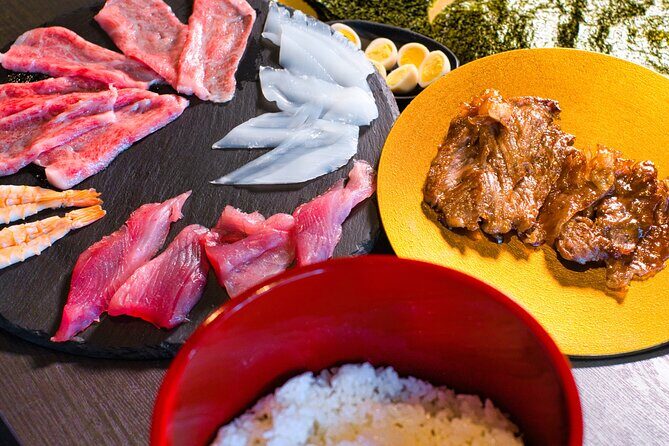
- Chef Yoshi leads the session and guides you through each sushi step with technique you can repeat later.
- Wagyu on sushi gives you a different texture and flavor than classic cuts.
- You make nigiri, maki, and gunkan so you leave with a full sushi “skill set,” not just one roll.
- Small group size (max 10) keeps things from feeling rushed.
- Lunch includes more than sushi: tempura, red dashi, pickles, and soft drink.
Finding Cocotte Alpha in Kyoto Pontocho’s Golden Building
Meeting time is 12:00 pm, and the meeting point is at Cocotte Alpha Premium Wagyu Teppanyaki Kyoto Pontocho (Nakagyo Ward, Zaimokuchō, 175), on 3F of the Kyoto Golden Building. It’s near public transportation, which matters in Kyoto when you’re balancing time between neighborhoods.
Here’s the practical bit: the address gets you to the right area, but you may still need to sort out which elevator route to take once you’re in the building. My advice is simple—don’t sprint past the entrance. Stop, double-check you’re going to the correct floor, and confirm with staff if you’re unsure. One review favorite detail: getting lost for five minutes at the start is the only real “downside” that stands out, and it’s avoidable with a quick check on-site.
Also, you’ll have a mobile ticket, so have it ready on your phone when you arrive. When you’re hunting elevators, the last thing you want is to be fumbling your confirmation screen.
You can also read our reviews of more tours and experiences in Kyoto.

What you do step by step: from hand-washing to wagyu nigiri
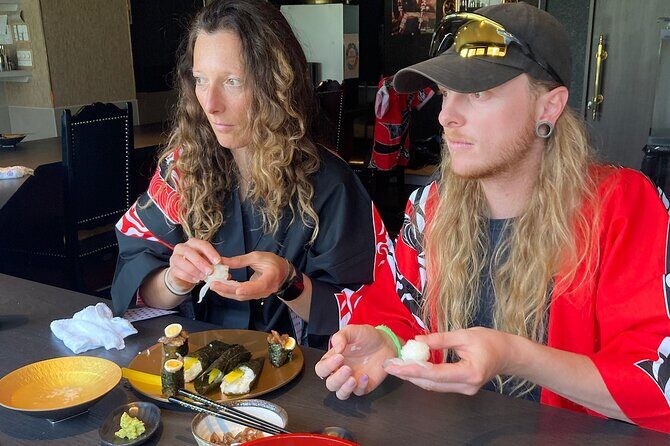
The class is built like a cooking flow—clean start, build the rice, then add the topping. You begin by washing your hands. It sounds basic, but it’s part of the rhythm of making sushi the way Japanese chefs expect you to.
Next comes the rice, because sushi starts with shari. You’ll work on making sushi rice properly enough to handle and shape, then move on to assembling nigiri. You’ll place the topping (ネタ) onto the rice, and you can use wasabi if you like. One thing I like about this approach is that it teaches you the logic of the bite—how the rice and topping should sit together—without requiring you to know sushi jargon ahead of time.
Then you focus on finishing: one completed nigiri at a time. That repetition is helpful. Even if you don’t get perfect shape on the first few pieces, the class pacing gives you enough chances to adjust and learn what “works” with your hands.
Why this matters for you: this isn’t only about eating a fancy lunch. It’s about leaving with a sequence you can copy—wash, form rice, add topping, and make each piece consistently.
Rolling maki and building gunkan: seaweed size makes a difference
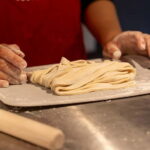
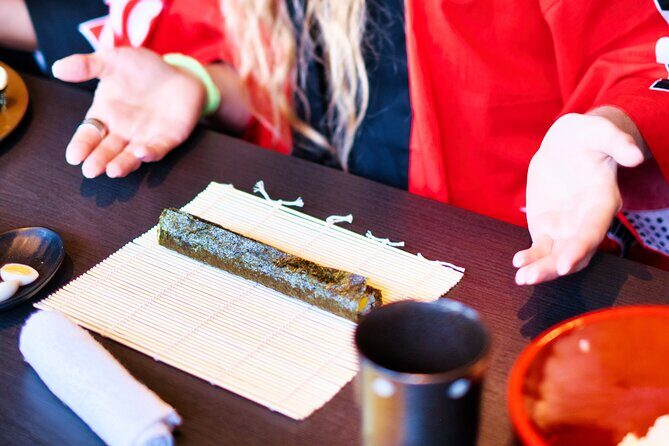
After nigiri, you move to rolls—巻き寿司 (makizushi). You’ll roll the sushi, and then the chef trims/cuts it for you at the end. That’s a smart setup. Cutting can be tricky when you’re still learning the roll technique, so letting the chef finish the precision work keeps the focus on learning how to roll and pack the filling.
Then comes 軍艆巻き (gunkanmaki). This is where you really start noticing the small, chef-level differences. The class includes an extra detail: the nori size is different for each type. That might sound tiny, but seaweed size affects how much it wraps, how the shape holds, and how the bite feels in your mouth. You’ll be doing the building, so you’ll understand it with your hands, not just your brain.
If you like food that rewards attention, this part is the payoff. It’s not just “watch me do sushi.” You actively construct different formats, which means you can compare textures and sizes directly.
The lunch moment: say itadakimasu, then eat what you made
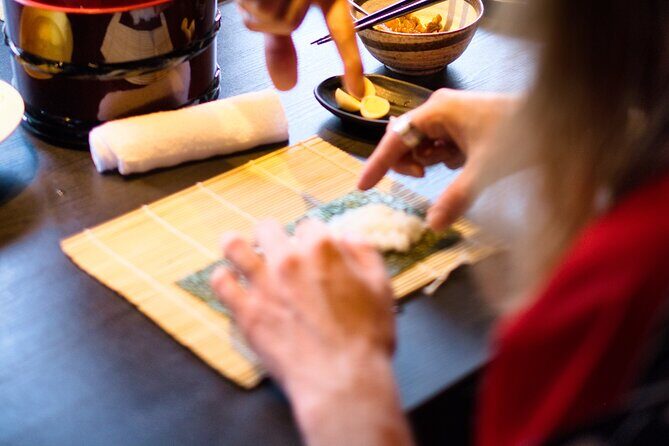
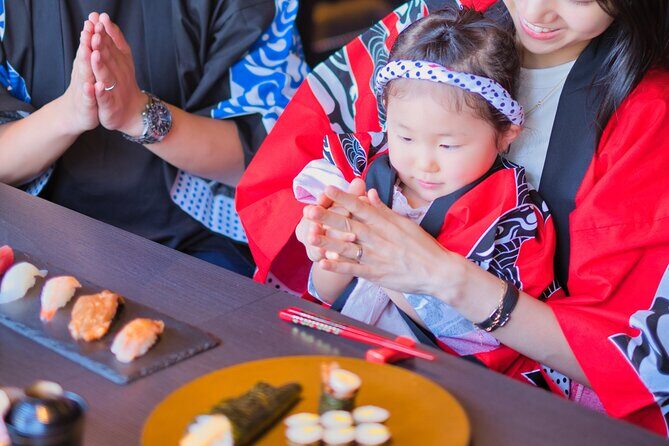
Once your sushi is done, you line everything up and say itadakimasu. It’s a small ritual, but it turns the class into something closer to a shared meal than a class demo. You’re not rushing out. You’re moving into lunch as part of the experience.
Then the meal expands. Lunch includes:
- the sushi you made
- tempura
- red dashi (赤だし)
- pickles (お漬物)
- soft drink
This mix is valuable for a couple reasons. First, it balances the meal. Sushi can be rich, and tempura plus miso-style soup helps reset your palate between bites. Second, you’re getting a complete lunch package, not a small tasting. At $70 per person, that matters—because the value isn’t only in the skills, it’s in the full food you sit down to eat right after.
Timing helps too. With the whole experience lasting about 1 hour 15 minutes, you’re not losing half a day. It’s a good midday activity when you want to keep exploring Kyoto after lunch.
Chef Yoshi, fresh ingredients, and the happi-coat fun
The session runs with Chef Yoshi at the center of it. One highlight from a past participant’s experience: Chef Yoshi picks ingredients that morning, so the sushi isn’t built around “leftovers” or generic supplies. That small detail changes the feel of the lunch. Fresh ingredients make a visible difference, especially with fish-based or seafood-related preparations.
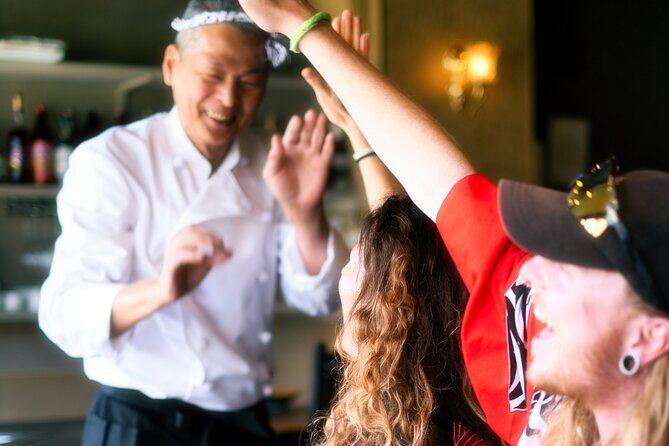
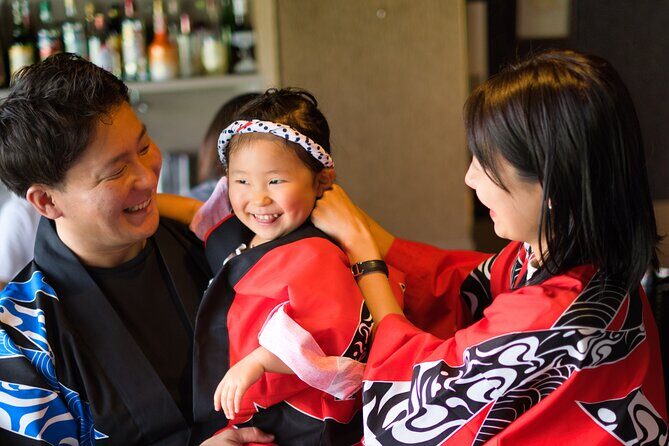
You’ll also be given a special happi coat. I know, clothing doesn’t taste like anything—but it changes the whole vibe. You’re not just sitting at a table. You’re in a kitchen role, and the coat helps it feel like a real workshop.
The experience is family friendly in a practical way. It’s described as suitable starting with children, so it’s not only for confident adult eaters. That matters if you’re planning a family day in Kyoto and want one activity that feels structured but not intimidating.
Price and booking: is $70 good value in Kyoto?
Let’s talk money honestly. The price is $70 per person, and the class lasts about 1 hour 15 minutes. That’s not just “pay to watch.” You actively make multiple sushi types, then you eat lunch that includes more than sushi—tempura, red dashi, pickles, and a soft drink.
So where’s the value?
- You get hands-on technique (rice shaping, nigiri assembly, rolling, and gunkan building).
- You don’t have to source ingredients, tools, or learn the steps elsewhere.
- Lunch is a built-in payoff right after you work.
Booking timing also plays a role. On average, it’s booked about 40 days in advance, so if you’re visiting during peak seasons or on a popular date, waiting can shrink your options. Add that the group is capped at 10 people, and you get another reason to lock it in early if it’s a must-do.
One more practical note: this experience requires good weather. If it’s canceled due to poor weather, you’ll be offered a different date or a full refund. That’s the kind of safety net you want when planning a day in Kyoto.
Who should do this Kyoto wagyu sushi class (and who might hesitate)
This is a great fit if:
- you want an active food experience in Kyoto, not just a meal
- you like the idea of learning nigiri, maki, and gunkan in one session
- you’re planning a lunch date and want something a bit different than a restaurant reservation
- you’re traveling with kids and want a structured activity that still feels fun
It might be less ideal if:
- you’re extremely tight on time and can only spare a short lunch window (it’s about 1 hour 15 minutes end to end)
- you or someone in your group has an egg or shrimp allergy and you don’t want to do the extra upfront communication (the class specifically asks you to notify in advance)
- you hate being in a hands-on kitchen environment (this is the point of the activity)
Should you book Kyoto Making Wagyu Sushi?
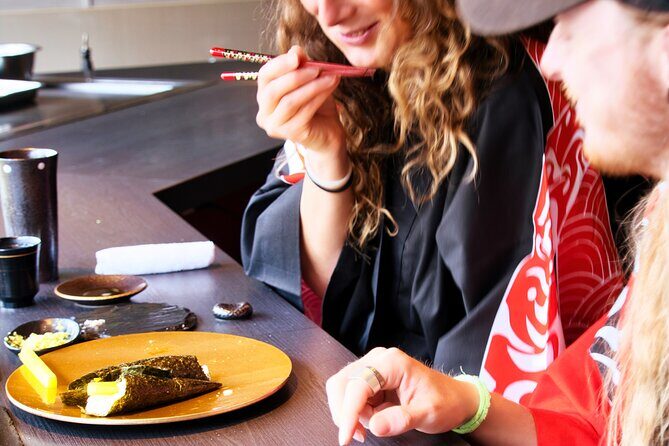
If you want a memorable Kyoto lunch that teaches you real sushi construction, I’d book it. The experience hits a sweet spot: small group, multiple sushi styles, and a full lunch on the other side of your work. For couples, it can feel personal because the group is small, not big and chaotic. For families, the happi-coat vibe plus the structured steps make it easier to keep everyone engaged.
My final deciding advice is simple: prioritize it if wagyu sushi is on your list and you’re okay with a brief learning curve. If you’re prone to stress about finding a building in Pontocho, arrive a touch early so you can confirm the floor and elevator calmly.
If you want Kyoto in one day, with a skill you can actually take home, this is a strong pick.
FAQ
How long is the Kyoto Wagyu sushi-making experience?
It runs for about 1 hour 15 minutes.
Where does the experience start?
It starts at Cocotte Alpha Premium Wagyu Teppanyaki Kyoto Pontocho, 3F, Kyoto Golden Building, at the address given for Zaimokuchō 175 in Nakagyo Ward.
What time does it start?
The start time is 12:00 pm.
How big is the group?
There is a maximum of 10 travelers.
Is it a mobile ticket?
Yes, it uses a mobile ticket.
Is lunch included after making sushi?
Yes. Lunch includes sushi, tempura, red dashi, pickles, and a soft drink.
What should I know about cancellation or weather?
The experience is non-refundable and cannot be changed. If it’s canceled due to poor weather, you’ll be offered a different date or a full refund.
If you’d like, tell me your travel dates and whether you’re going with kids or have allergies, and I’ll help you decide the best time slot and how to plan the rest of your Kyoto day.