REVIEW · KIYOMIZU TOURS
Kyoto: Guided Tour in UNESCO Site, Kiyomizu-dera – 90 Min.
Book on GetYourGuide →Operated by DeepExperience, Inc. · Bookable on GetYourGuide
Kyoto’s wishes come with a viewpoint. This 90-minute guided tour at Kiyomizu-dera gives you the UNESCO highlights without the guesswork: the Otowa Waterfall with its three streams of fortune, plus expert explanations that make the temple feel more like a living place than a photo stop. You’ll also get panoramic views from the iconic wooden stage area, and you’ll understand why locals care about it long after the postcard shot.
I also like the guide’s focus on the big details, like how the temple’s architecture is built without nails and how that shapes what you see. The one thing to consider: the tour does not include Zuigudo Hall, so if you’re planning to hit every building inside the site, you’ll need extra time on your own.
In This Review
- Key things that make this tour worth your time
- Kiyomizu-dera at UNESCO scale, in 90 minutes
- Meeting at Nio-mon: start where you won’t get lost
- Inside the main complex: 80 minutes that actually explain what you see
- The wooden stage viewpoint: why it’s famous and how to enjoy it
- Otowa Waterfall: the three streams and the wish logic
- Viewpoints and photo stops: small breaks that prevent camera chaos
- Guides you can feel in your feet: Satoshi, Hiro, and Takao Teppei
- Price and value: is $69 for 90 minutes a smart trade?
- Who this tour fits best (and who might want something else)
- Should you book this Kiyomizu-dera guided tour?
- FAQ
- Where do I meet the guide?
- How long is the tour?
- What is included in the price?
- Is Zuigudo Hall included?
- What languages are available?
- Is this a private group?
- Can I cancel for a full refund?
- Can I reserve now and pay later?
Key things that make this tour worth your time
- Otowa Waterfall’s three streams of fortune tied to longevity, success, and love
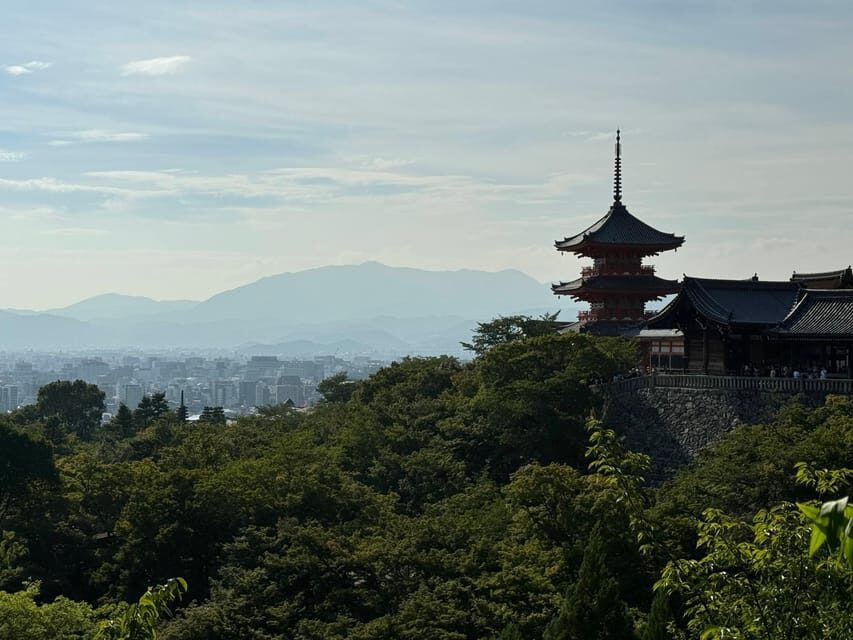
- Historic main hall and the famous stage viewpoint where the views make sense of the setting
- Architecture built without nails explained in plain language so it clicks fast
- Short photo stops at the right viewpoints so you’re not wandering in circles
- A private guide in English or Japanese, with help getting great photos
Kiyomizu-dera at UNESCO scale, in 90 minutes
Kiyomizu-dera is one of those Kyoto stops that can go either way. You can rush through it and come away with a memory of wood and stairs. Or you can slow down just enough to understand what you’re looking at—and that’s what this tour is built for.
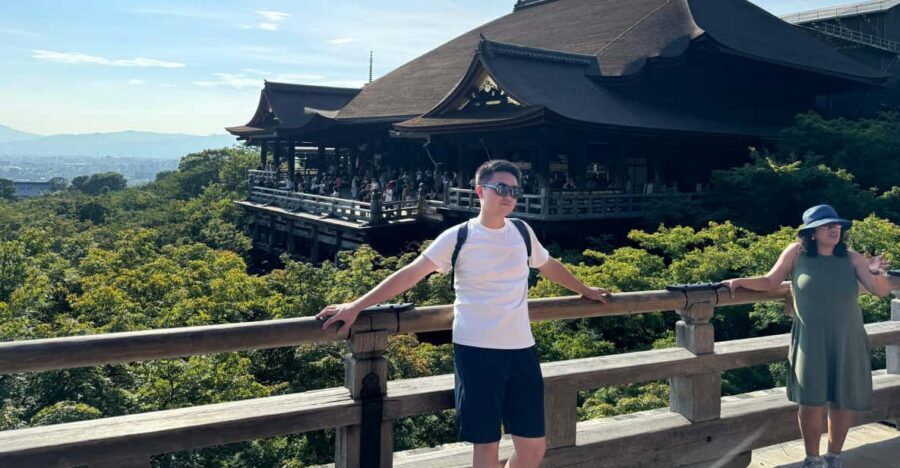
In a tight 90 minutes, you get the core experience: the main hall area and its wooden stage viewpoint, plus the Otowa Waterfall. What makes that combination work is that the waterfall and the stage connect through the temple’s design and purpose. You’re not just collecting highlights—you’re seeing how the place was built to frame ideas people take seriously.
You can also read our reviews of more guided tours in Kyoto


Meeting at Nio-mon: start where you won’t get lost
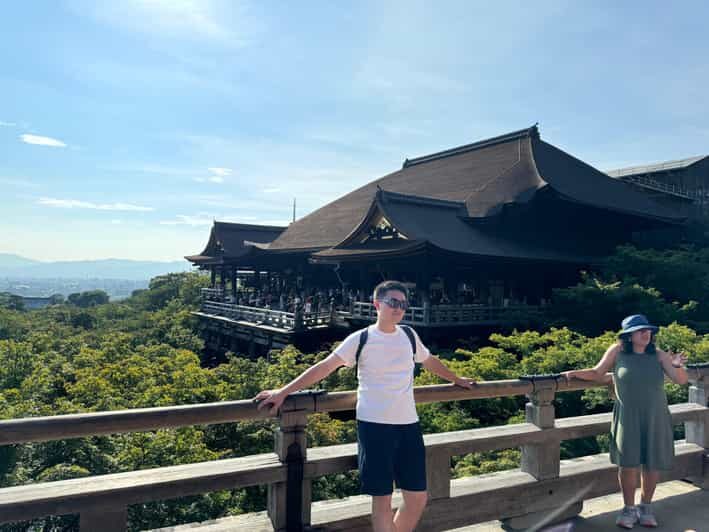
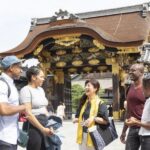
The tour starts in front of the deva gate, the Nio-mon, where your guide holds a yellow sign with the DeepExperience logo. That detail matters more than you might think in Kyoto, where meeting points can be vague and signage can get lost in the scenery.
If you’re the type who likes to settle in early, this setup helps. You’re already at the entry gate area when you start, so you can focus on the temple rather than your phone map.
Inside the main complex: 80 minutes that actually explain what you see
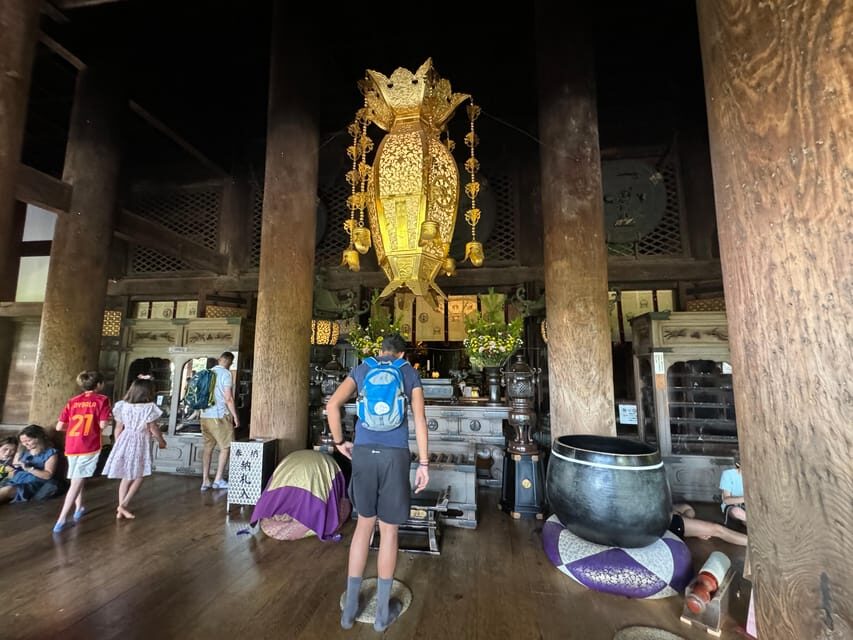
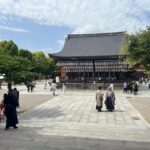
Once you reach Kiyomizu-dera, the tour centers on the heart of the site. You’ll have a photo stop and then about 80 minutes of guided time focused on the historic main hall and its iconic stage.
Here’s what you should pay attention to during that guided walk:
- The way the stage area changes your sightlines. From certain angles, Kyoto looks almost staged for you—like the temple planners understood exactly how visitors would experience the city views.
- The stories behind the structures. Instead of saying things like “it’s old,” your guide ties the features to why they matter to people.
- The architecture built without nails. When someone explains how that detail shows up in the structure’s look and feel, it becomes more than trivia.
The biggest practical benefit of the guided time is context. You’ll understand what you’re looking at quickly, so you don’t waste energy trying to decode the site alone.
The wooden stage viewpoint: why it’s famous and how to enjoy it
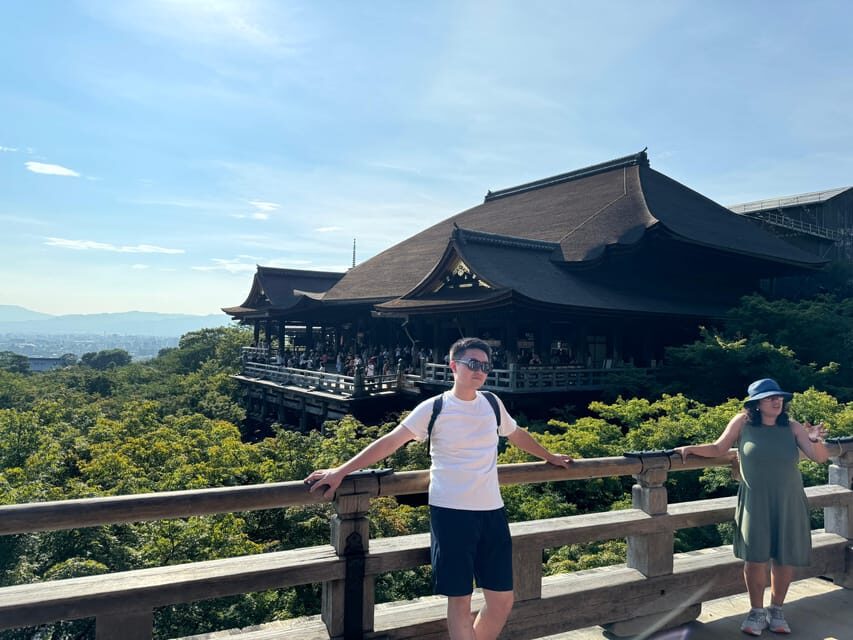
The main hall’s stage is the star. You’ll see why it’s iconic when you’re standing in the right spot and your view opens up to Kyoto’s spread. This isn’t a “stand here and hope for luck” type of viewpoint. It’s a place designed to frame the landscape—literally—so your photos and your understanding arrive together.
For you, that means two things:
- You’ll know what part of the stage to focus on for the best photos.
- You’ll get a better sense of why the stage became such an important feature, instead of treating it like just another observation deck.
If you enjoy architecture, you’ll likely love how the guide connects the physical design to the feel of the temple complex. If you’re more into history, you’ll likely appreciate the way the guide gives the chronology enough to make the buildings feel purposeful, not random.
Otowa Waterfall: the three streams and the wish logic
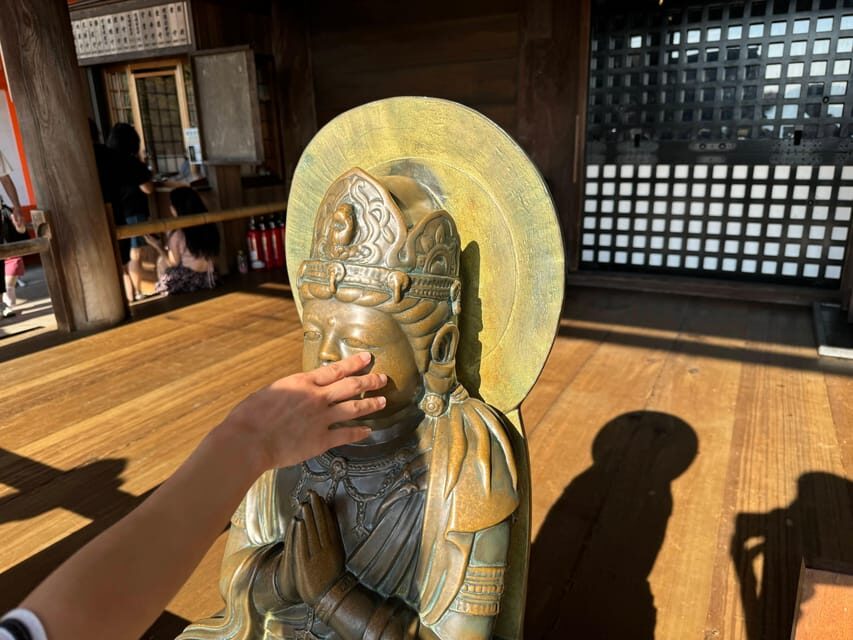
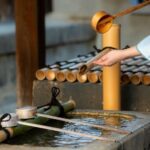
Next up is the Otowa Waterfall, where the tour’s tone shifts from views to meaning. This part is known for its three streams of fortune—commonly associated with longevity, success, and love.
Even if you’re not big on wish rituals, you’ll still get value here. The guide’s job is to explain what the waterfall represents and how visitors are meant to understand it. That matters because water features can feel like scenery if nobody connects them to the culture around them.
What I like about this segment is the contrast: after looking outward from the stage, you look inward again—toward the act of choosing a stream and the idea behind it. That keeps the tour from feeling like a single long sightseeing blur.


Viewpoints and photo stops: small breaks that prevent camera chaos
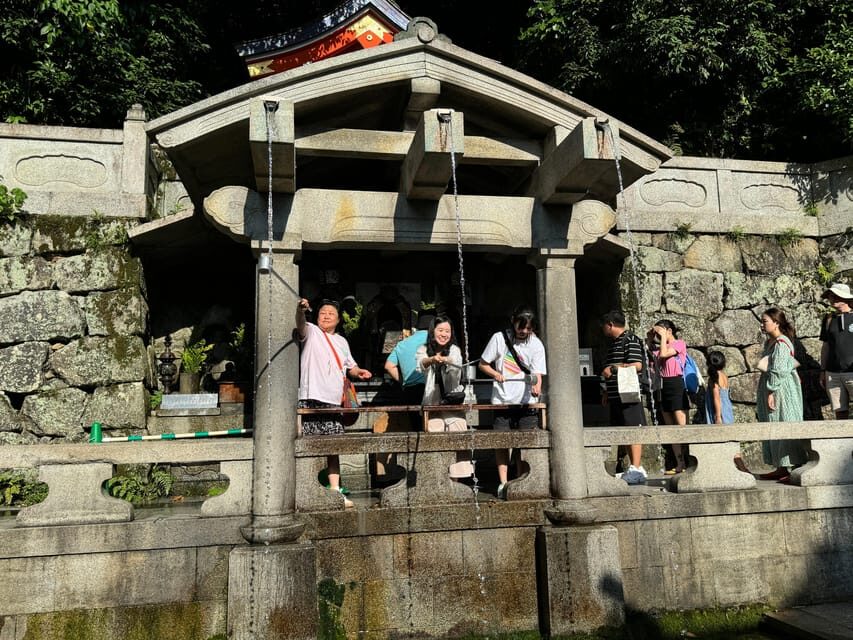
The itinerary includes photo stops at viewpoints, including one around 10 minutes and another short viewpoint/photo segment with guided context and scenic views on the way.
This is the part you’ll appreciate if you’re traveling with a phone and a time limit. The short stops keep you from wandering too far off track, but they still give you time to compose shots and get a feel for the angles.
Practical tip: if you care about photos, be ready when the guide signals the next angle. At Kiyomizu-dera, timing helps. You’ll get better results if you don’t spend the first minute of each stop adjusting settings while the best viewpoint is already moving on.
Guides you can feel in your feet: Satoshi, Hiro, and Takao Teppei
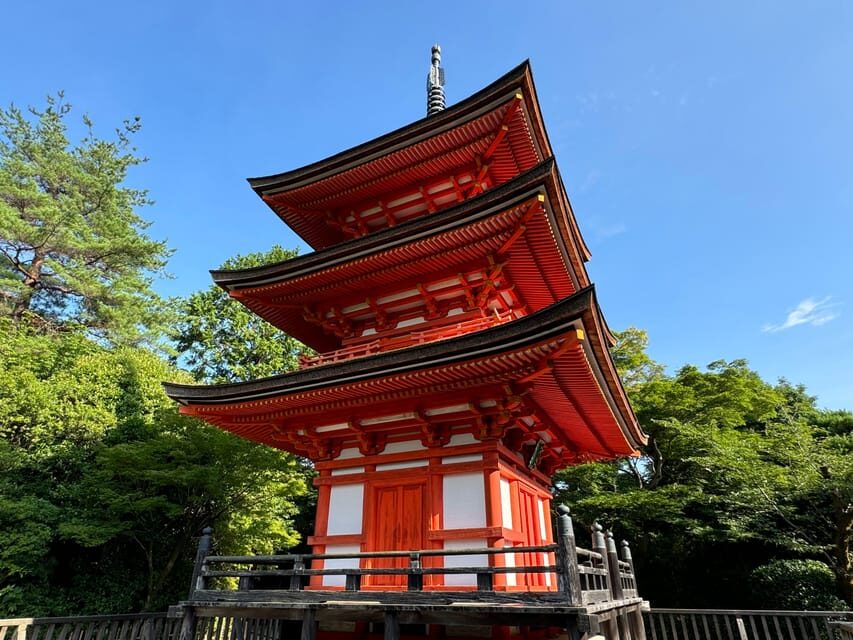
This tour works well because the guide doesn’t just recite facts. You get explanations in English or Japanese, and the guide attitude matters—friendly, clear, and tuned to what you’re seeing.
I found it especially useful when guides named specific details people miss. For example, I appreciated hearing how the structure’s “built without nails” idea connects to what you can observe. And if you’re hoping for help with photos, that’s part of the experience too. In past tour experiences with guides like Satoshi, Hiro, and Takao Teppei, the guidance reportedly included taking great pictures—useful if your travel partner isn’t always in the mood to be the photographer.
If you like tours where the guide makes you feel oriented instead of rushed, this private format is the right match. You can ask questions, adjust your pace, and get explanations that land.
Price and value: is $69 for 90 minutes a smart trade?
At $69 per person for a 90-minute guided UNESCO visit, the value depends on what you’d otherwise do on your own.
Here’s the honest way I think about it:
- If you plan to go anyway, the price can feel easier to justify because entry tickets to Kiyomizu-dera are included, and you get a guide the whole time.
- You’re paying for time saved and meaning gained. Without guidance, you can still see the stage and waterfall, but you might miss why the architecture and layout matter. That’s the core value here: the guide turns the site into something you understand.
Also, the tour time is tight enough to fit many Kyoto itineraries. You’re not committing to half a day, but you are committing to the main hits. That’s a good deal if you want depth without losing a whole morning.
One more consideration: the tour includes Kiyomizu-dera entry tickets, but it does not include Zuigudo Hall. If Zuigudo Hall is a must for you, you’ll likely want to add it separately (or plan extra time).
Who this tour fits best (and who might want something else)
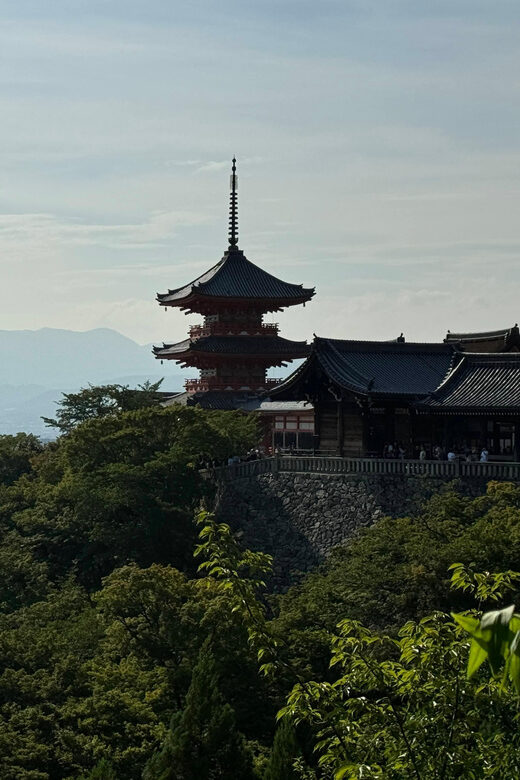
This guided Kiyomizu-dera experience is a strong fit if you’re:
- A history or architecture fan who wants context, not just photos
- Someone who wants the main hall, the iconic stage viewpoint, and the Otowa Waterfall without doing a self-guided scavenger hunt
- Traveling with limited time in Kyoto and want a focused plan
- Interested in a private group format with English or Japanese support
It may feel less ideal if:
- You want to cover every building and hall inside the larger site in one go, since Zuigudo Hall isn’t included here
- You’re the kind of traveler who prefers long unstructured wandering with no schedule
Should you book this Kiyomizu-dera guided tour?
Book it if you want a guided UNESCO visit that hits the essentials—main hall/stage and Otowa Waterfall—while giving you the story behind what you see. The private guide format is a real advantage when the site is busy, because you’re not trying to piece together the details yourself.
Skip it or plan extra time if Zuigudo Hall is a top priority, since this experience doesn’t include it. And if you’re the type who enjoys reading quietly and exploring alone, you might be happier with a self-guided plan. But if you want Kyoto’s cultural meaning packaged into a tight, well-paced 90 minutes, this one is a solid choice.
FAQ
Where do I meet the guide?
Meet your guide in front of the deva gate (Nio-mon). The guide will be holding a yellow sign with the DeepExperience logo.
How long is the tour?
The tour lasts 90 minutes total.
What is included in the price?
The tour includes a guide and entry tickets to Kiyomizu-dera temple.
Is Zuigudo Hall included?
No, entry to Zuigudo Hall is not included.
What languages are available?
The live tour guide is available in English and Japanese.
Is this a private group?
Yes, it’s a private group.
Can I cancel for a full refund?
Free cancellation is available up to 24 hours in advance for a full refund.
Can I reserve now and pay later?
Yes, you can reserve now & pay later.