REVIEW · 1-DAY TOURS
From Osaka/Kyoto: Kyoto, Nara, and Fushimi Inari Day Trip
Book on GetYourGuide →Operated by Infinity tours and travels · Bookable on GetYourGuide
Torii gates and deer in one long day. This private Kyoto-to-Nara run is built around big icons, smooth van transfers, and an easy pace for seeing a lot without constantly negotiating trains. I especially love the walk through Fushimi Inari Taisha and the way the torii gates frame the hillside views. One consideration: it’s a full 10 hours with plenty of walking, so plan on comfortable shoes and take it slow if your legs are not having their best day.
My second favorite moment is Arashiyama Bamboo Forest, where the air feels calmer and the path is simple to follow even when the crowds get thicker. You’ll also get the contrast of shrine atmosphere later in the day, with Kasuga Taisha’s lanterns adding that dusk glow. If you’re sensitive to weather swings, just know Kyoto can change quickly, so dress in layers.
In This Review
- Key points at a glance
- Private van pacing: how the 10 hours really works
- Arashiyama Bamboo Forest: the calm start in Kyoto
- Fushimi Inari Taisha torii trail: how to enjoy the climb
- Nara Park + Todai-ji: deer magic and Great Buddha scale
- Kasuga Taisha lanterns at dusk: the atmosphere shift
- Price and value: $516 per group up to 6
- What to bring (and what not to): keep it smooth
- Who should book this Kyoto–Nara day trip
- Final thoughts: should you book?
- FAQ
- How long is the Kyoto, Nara, and Fushimi Inari day trip?
- Where are pickup and drop-off locations?
- Is this tour a private group?
- What key places are included in the day?
- Is there an English-speaking host or greeter?
- Is the tour wheelchair accessible?
- What should I bring?
- What is not allowed during the tour?
- Can I cancel for a refund and book without paying today?
Key points at a glance
- Arashiyama Bamboo Forest: serene, self-guided walking among towering bamboo stalks
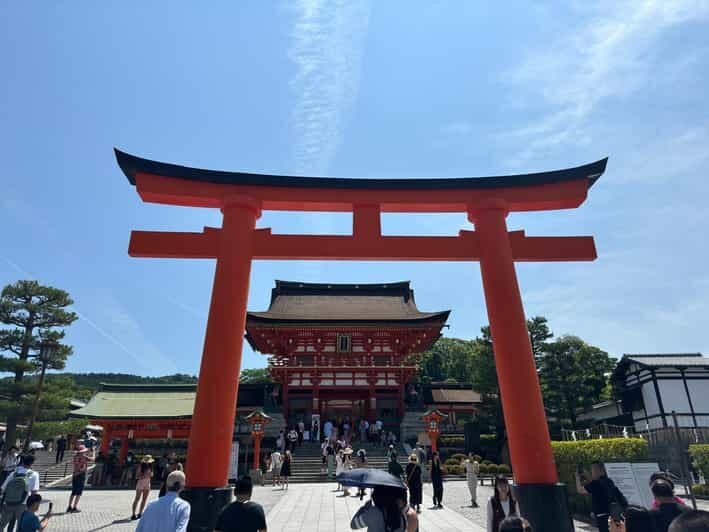
- Fushimi Inari Taisha: thousands of vermilion torii gates for a tunnel-like uphill stroll
- Nara Park + deer: see the sacred deer roaming around the sights
- Todai-ji Temple: the Great Buddha Hall and one of the most famous bronze Buddha statues in the world
- Kasuga Taisha: thousands of lanterns, timed for a magical evening feel
- Private group with pickup: English host/greeter, van comfort, and two pickup/drop-off options
Private van pacing: how the 10 hours really works
This is a private group day trip with pickup from either Kyoto or Osaka, then drop-off back to the same city. It runs for about 10 hours, and you’ll spend most of that time on foot at the major sights, with short van transfers between them.
Those transfers matter more than you think. The schedule uses multiple rides (around 30 to 40 minutes between stops), which helps you avoid the stress of changing trains and walking long distances with luggage or camera gear. The day still feels full, though. If you know you’re not a long-distance walker, plan to slow down at each shrine and treat viewpoints as optional, not mandatory.
The guide/greeter is English-speaking, and the tone is practical—your job is to show up ready to walk, and their job is to keep the day moving. In past outings, a guide named Hamza has been praised for staying on top of details like opening doors and adjusting seating so the whole group could move comfortably. Another guide/driver named Usama is noted as helpful, which lines up with what you want on a day that mixes walking and getting back into the van on time.
You can also read our reviews of more tours and experiences in Kyoto


Arashiyama Bamboo Forest: the calm start in Kyoto
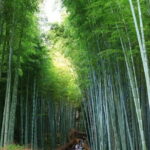
Arashiyama Bamboo Forest is the kind of place people describe with superlatives, but here’s the thing: you’ll enjoy it most if you walk like you’re on a quiet errand. The forest path is self-guided, so you control your pace—linger where the bamboo looks tall and close, then move on before you get stuck in bottlenecks.
What makes it worth starting here is contrast. The rest of the day is shrine-and-statues heavy. Arashiyama gives you breathing room and a change of atmosphere. The towering bamboo stalks create that signature corridor effect, and even when you see groups ahead, the path still feels simple to navigate.
A practical tip: take a moment before you enter the busiest-looking section to pick your walking rhythm. If you rush, you’ll miss the quieter stretches where the sound changes and the light hits the bamboo at different angles. You’ll also be better off for photos if you pace yourself, since the best shots usually come from slowing down rather than sprinting.
Fushimi Inari Taisha torii trail: how to enjoy the climb
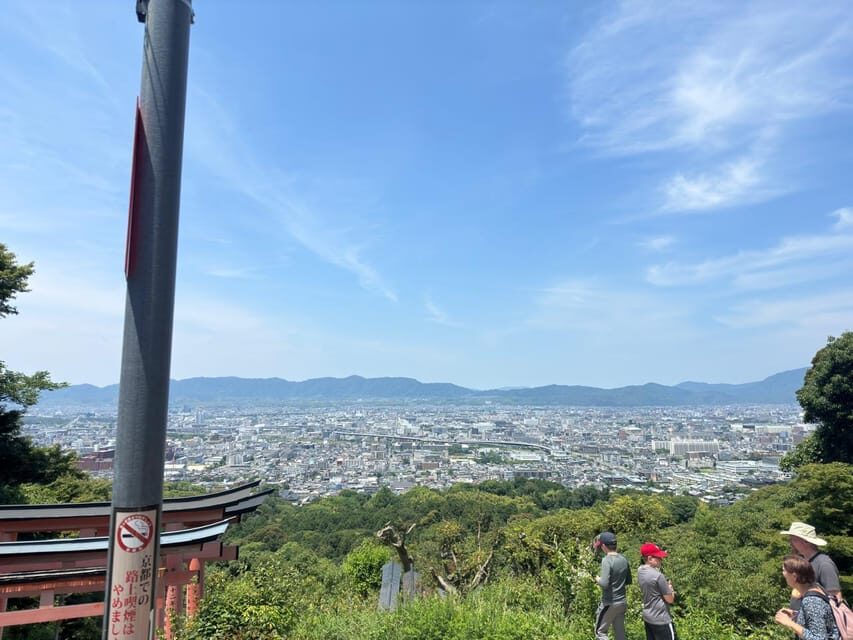
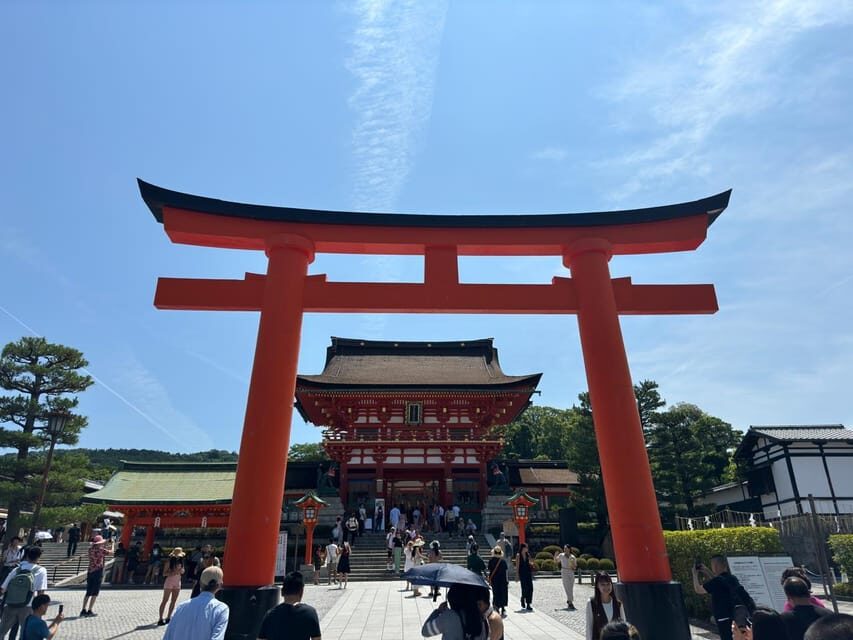
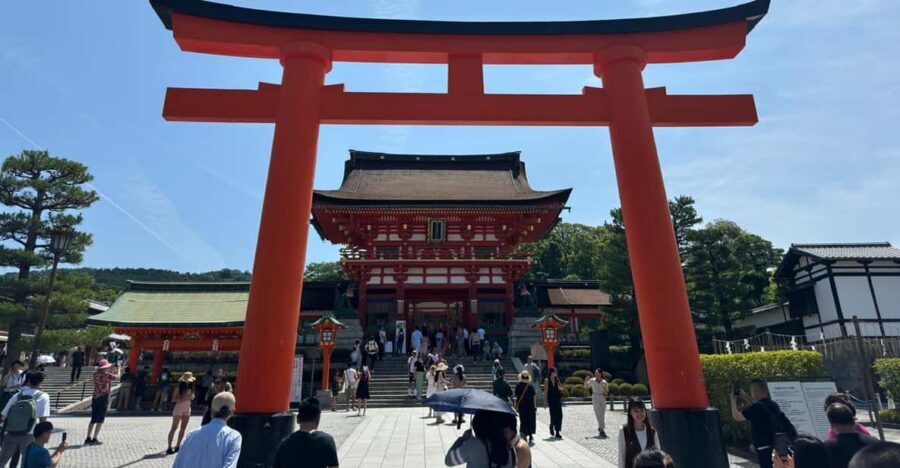
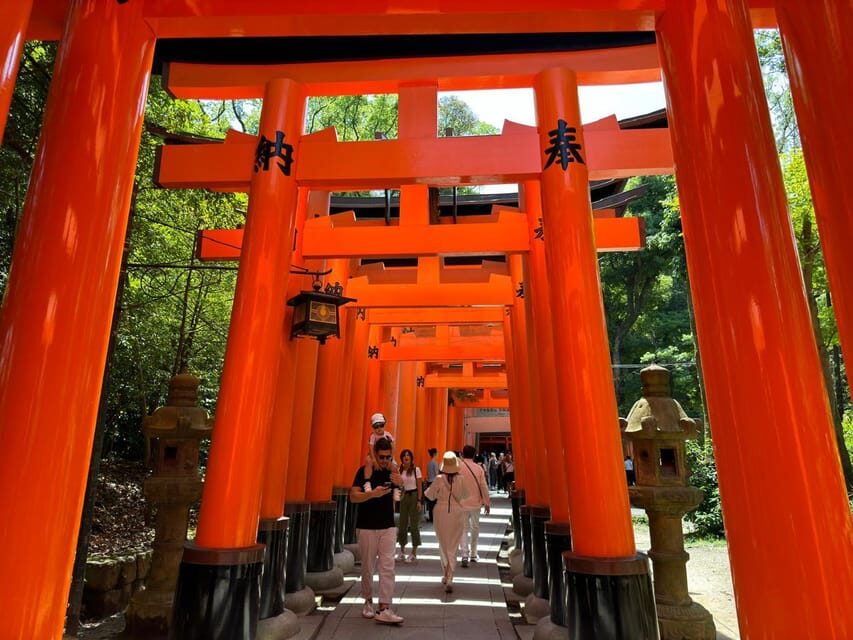
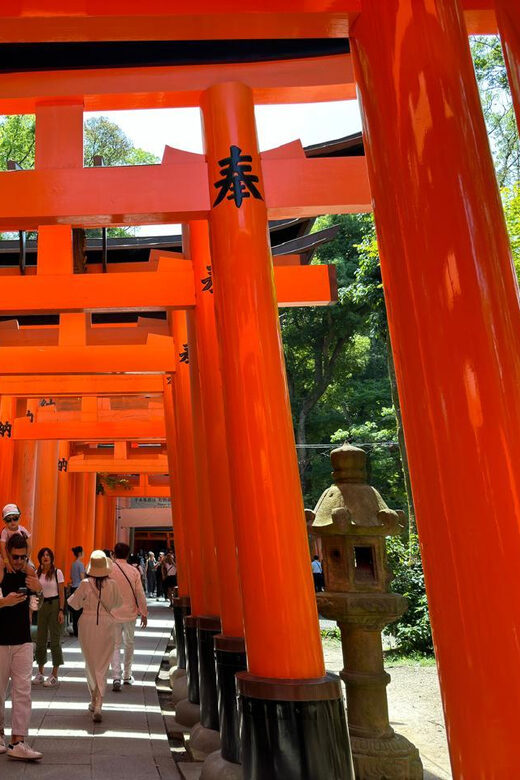
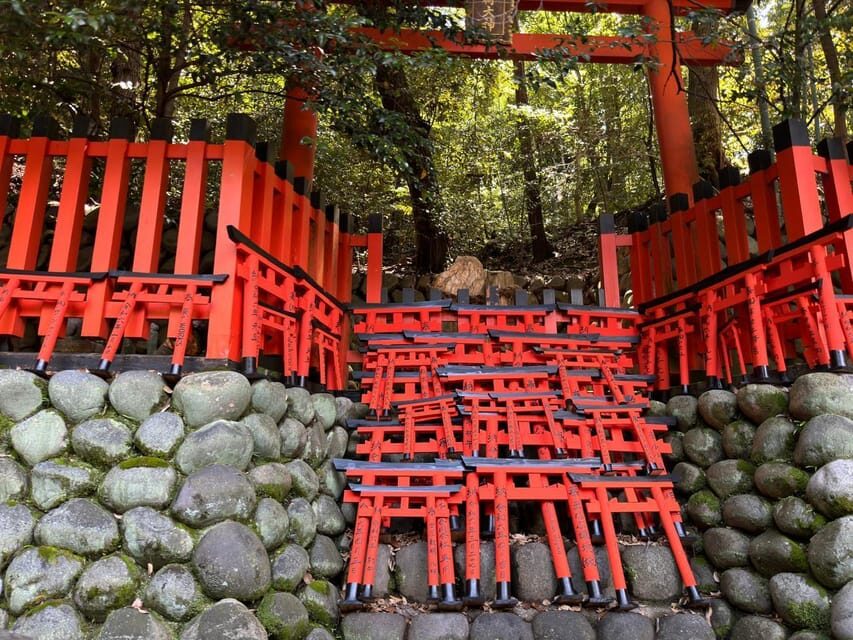
Next comes Fushimi Inari Taisha, one of Kyoto’s most recognizable sights for good reason. It’s famous for thousands of vermilion torii gates, and the effect is tunnel-like as you walk through the hillside paths. The day trip setup makes it straightforward: you arrive, spend time exploring, and then walk the trail at your own pace.
Here’s where your enjoyment depends on your expectations. The area can get crowded at times, and the trail includes repeated steps and gentle slopes. If you try to “finish” it like a checklist, you may burn out. If you treat it like a slow scenic walk—stop when you like what you see, continue when you feel ready—you’ll get more out of it.
Also, this stop is visually layered. Even from one switchback to the next, the gates create new sightlines down toward Kyoto below. Keep your camera handy, but don’t glue your eyes to it. A little walking-first, picture-later rhythm usually leads to better photos and less fatigue.
Nara Park + Todai-ji: deer magic and Great Buddha scale
Then you head to Nara, Japan’s first permanent capital. This is a big shift from Kyoto’s dense shrine streets to a park setting built for strolling. The highlight here is Nara Park, where you’ll see deer roaming around the scenic areas. They’re often treated as sacred, so be respectful and follow local cues around them.
The deer are fun, but don’t let that become a distraction trap. If you stop too long at the deer-view spots, you can end up rushing the temple portion. Instead, use the deer time for gentle interaction and photos, then move on with a clear plan for Todai-ji.
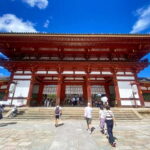
Todai-ji Temple is the main event in this stretch. You’ll visit the temple grounds, including the Great Buddha Hall, which is known for housing the world’s largest bronze statue of Buddha. That scale is the point. Even if you think you already know what a “Great Buddha” looks like, the hall and the statue’s presence change your sense of size and space.
What to watch for: Todai-ji rewards slow looking. The statue’s scale can make you want to stand far away for perspective, then step closer for details. If you go back and forth a couple times, you’ll feel like you’re seeing it more than once.
Practical consideration: you’ll be on your feet here too, so keep your breaks short. Let the hall be your anchor moment, then keep moving so you still have energy for Kasuga Taisha later.
Kasuga Taisha lanterns at dusk: the atmosphere shift
The day closes with Kasuga Taisha Shrine, famous for being adorned with thousands of lanterns. The tour timing is designed so you can experience that lantern glow at a point in the evening when it feels magical.
This stop is different from Todai-ji. It’s more about atmosphere than scale. Lanterns create a layered lighting effect across the shrine area, and the winding shrine paths help you “move through” the scene rather than just stand and look.
If you’re the kind of person who likes photos, Kasuga Taisha is usually a strong win. The light conditions can make your camera work harder, so plan to steady your shots and take a few test photos before you commit to your favorites.
And even if photos aren’t your focus, this is the part where the day feels rewarding. After torii gates and a huge Buddha hall, lanterns give you a calm landing and a different kind of memory.






Price and value: $516 per group up to 6
The price listed is $516 per group up to 6, with a 10-hour duration. That means the value depends on how you split the group cost.
If you fill the van with the full six people, that works out to roughly $86 per person. That’s a solid deal for a private day that includes pickup, van time, and multiple major sights in two cities, especially when the alternative is piecing together transport and entrance-time juggling on your own.
If you’re traveling with only 2 or 3 people, the per-person cost rises fast. In that case, it still can be worth it when you care about avoiding transfers, having an English-speaking host/greeter, and keeping the day efficient without rushing yourself through crowded stations.
Also, the private format matters. This itinerary is built around walking segments, and having your group stay together helps you pace the day around real comfort. If you hate split-up chaos, this is the way to do it.
What to bring (and what not to): keep it smooth
This tour is straightforward, but you’ll enjoy it more if you show up prepared.
Bring:
- Comfortable shoes (you’ll be doing multiple walking sections)
- Camera (Arashiyama, torii gates, lanterns, and deer are photo-friendly)
- Weather-appropriate clothing (Kyoto/Nara conditions can change)
Not allowed:
- Smoking
- Alcohol and drugs
- Littering
- Firework
- Alcoholic drinks in the vehicle
One more practical thought: the day includes both open-air walking and shrine areas, so dressing in layers helps you adjust to temperature changes. And since it’s a private group with van rides, you’ll want your essentials easy to grab without digging through bags while the group is waiting.
Who should book this Kyoto–Nara day trip
This is a great fit if you want classic Kyoto and Nara icons in one day without spending the day managing transit. You’ll like it most if you’re comfortable walking for long stretches and you enjoy spiritual sites, big monuments, and photo stops.
It’s also a smart pick for families—one guide experience highlighted Hamza adjusting seating so kids could ride comfortably. If you’re bringing someone who needs wheelchair access, the tour is marked wheelchair accessible, which is important for planning.
One limitation: it’s not suitable for people over 95 years. If that applies to your group, ask about alternatives.
Final thoughts: should you book?
If your goal is a packed but organized day connecting Arashiyama Bamboo Forest, Fushimi Inari Taisha, Nara Park, Todai-ji, and Kasuga Taisha, this is a strong option. The private van format plus English host/greeter support makes it feel easier than doing it all solo, and the itinerary includes a nice rhythm: calm nature, iconic shrine climbing, big temple scale, then lantern atmosphere at dusk.
I’d book it when:
- you want maximum “greatest hits” with less logistics stress
- you’re traveling with a small group and can use the group pricing
- you care about having someone keep timing on track
I might pass if:
- you hate long walking days
- you need a slower, fewer-stops pace
FAQ
How long is the Kyoto, Nara, and Fushimi Inari day trip?
The duration is 10 hours.
Where are pickup and drop-off locations?
You can be picked up in Kyoto or Osaka, and you’ll be dropped off in Osaka or Kyoto.
Is this tour a private group?
Yes. It’s listed as a private group.
What key places are included in the day?
The day includes Arashiyama Bamboo Forest, Fushimi Inari Taisha, Nara Park, Todai-ji Temple, and Kasuga Taisha Shrine.
Is there an English-speaking host or greeter?
Yes. The host/greeter is English.
Is the tour wheelchair accessible?
Yes, it is marked as wheelchair accessible.
What should I bring?
Bring comfortable shoes, a camera, and weather-appropriate clothing.
What is not allowed during the tour?
Smoking, alcohol and drugs, littering, fireworks, and alcoholic drinks in the vehicle are not allowed.
Can I cancel for a refund and book without paying today?
You can cancel up to 24 hours in advance for a full refund, and you can reserve now and pay later.