REVIEW · FUSHIMI INARI TOURS
Best of Kyoto: Red Gates of Fushimi Inari & Kiyomizu Temple
Book on GetYourGuide →Operated by Kyoto Fun · Bookable on GetYourGuide
Red gates at dawn set the mood fast. This early start strings together Fushimi Inari and Kiyomizu-dera with a live guide who explains what you’re seeing, not just where to stand. I especially like the way the timing helps you see both sights with less crowd pressure, and I love that the tour doesn’t stop at temples—it includes time around the preserved streets of Higashiyama and the famous lanes near Sannenzaka and Ninenzaka.
One thing to plan for: the route involves quite a few stairs and typically lands you at 10,000+ steps overall, so it’s not a good fit if stairs are a problem.
In This Review
- Key things you’ll get from this Kyoto highlights tour
- Why start with Fushimi Inari before the city wakes up
- Torii gates and the guide that makes it make sense
- A small reality check about timing and shops
- The climb and the steps you should plan for
- Kiyomizu-dera: how the view feels when you’re not fighting crowds
- Higashiyama, Sannenzaka, and Ninenzaka: Kyoto’s postcard lanes at walking speed
- The included transport and fees that save you stress
- Your guide’s role: why the stories matter here
- Coffee at the end: a nice reward for the early start
- Price and value: is $58 a good deal for Kyoto highlights?
- Who this tour is for (and who should skip it)
- Should you book Best of Kyoto: Red Gates of Fushimi Inari & Kiyomizu Temple?
- FAQ
- How long is the Best of Kyoto tour?
- Where do I meet the guide?
- What are the main stops on the tour?
- Are entrance fees included?
- Is food or drinks included?
- Do I need to pay for transport between stops?
- What language is the guide?
- Is the tour private or small-group?
- Is the tour suitable for mobility impairments?
Key things you’ll get from this Kyoto highlights tour
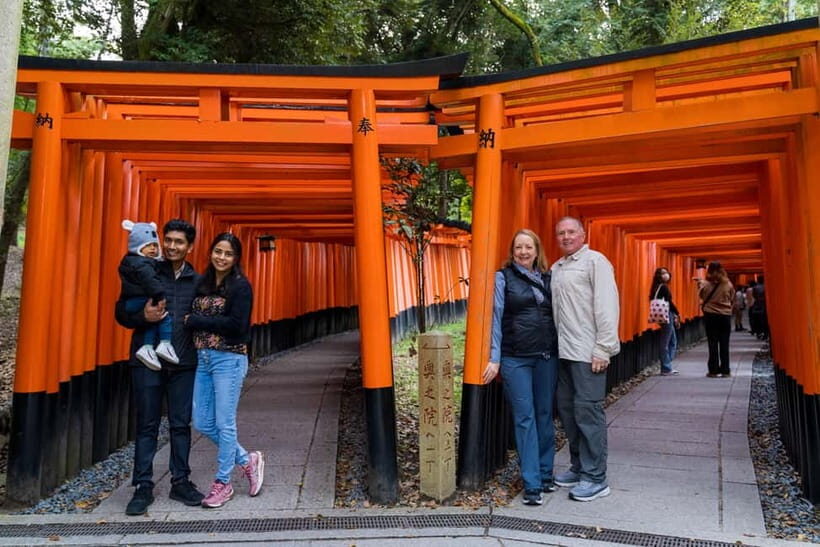
- Early-bird timing for calmer photos at Fushimi Inari’s torii gates
- Guided meaning behind the sights, with Buddhism and temple tradition explained clearly
- Kiyomizu-dera icon views over Kyoto, helped by the morning light
- Preserved Higashiyama walking areas including Sannenzaka and Ninenzaka
- Fees and transport handled, including taxi and entry fees between stops
- A dedicated photo stop, so you’re not rushed while taking pictures
Why start with Fushimi Inari before the city wakes up
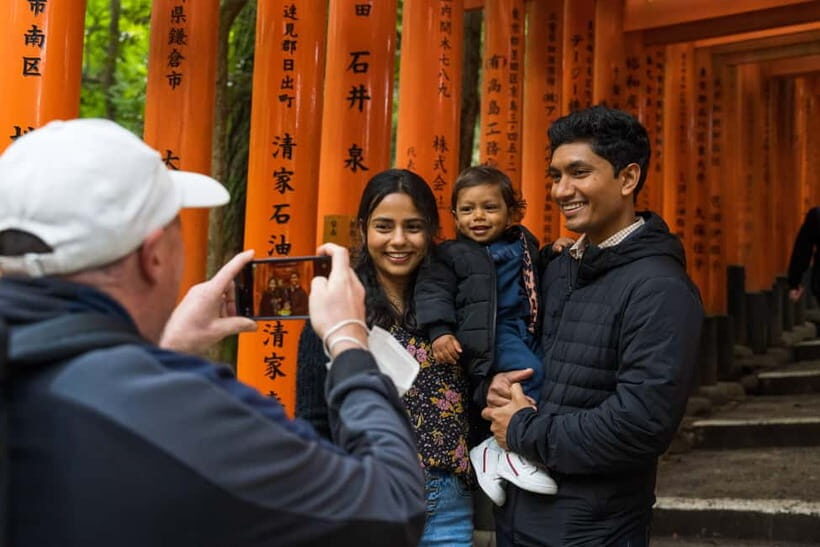
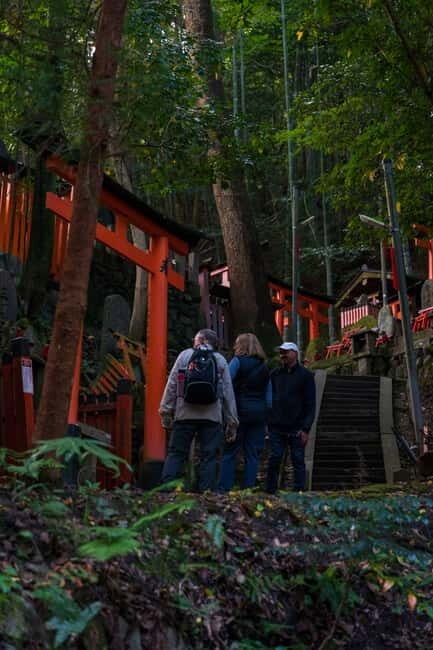
The first draw here is simple: Fushimi Inari Taisha is one of Kyoto’s biggest photo magnet sights, and going early changes everything. When you arrive before the bulk of the day-trippers, the torii gates feel less like a parade route and more like a pilgrimage path. The shadows of the red gates stretch out, and the whole place has that quiet, sacred rhythm you’re hoping for in Kyoto.
You start at JR Inari Station, meeting your guide at the front entrance at the time on your voucher. The spot is easy to find if you look for a small mailbox and a public phone next to it. If you like arriving early and getting oriented, you’ll enjoy how straightforward the start is.
You can also read our reviews of more tours and experiences in Kyoto.



Torii gates and the guide that makes it make sense
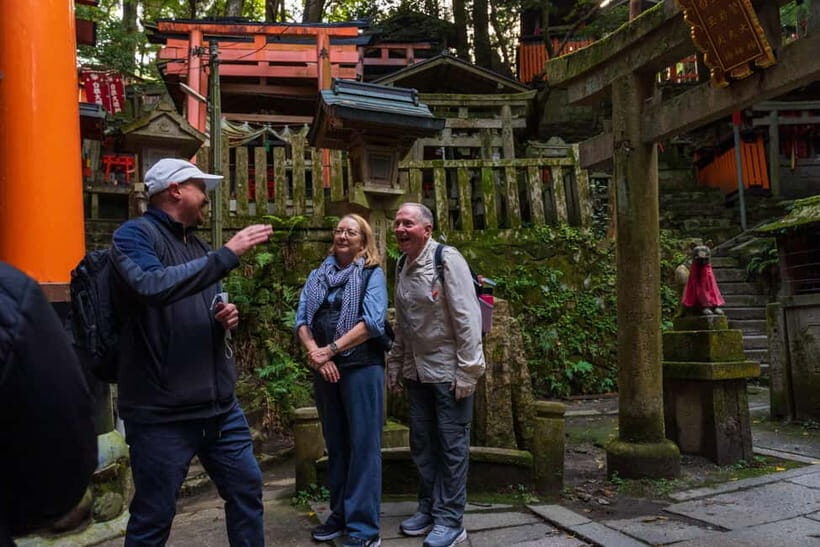
You’ll spend about 50 minutes at Fushimi Inari Taisha with a guided walk. The torii gates are iconic, but the real value is in understanding why they’re here and what the space represents. Your guide talks about the cultural and historical significance tied to Buddhism—how the place is used, how people think about devotion and tradition, and what to notice as you move from gate to gate.
It’s also an excellent spot for photography, and the tour is designed for that. You get a guide leading the route while still allowing time to pause and shoot without feeling like you’re dragging your group behind you. One of the best practical takeaways: you don’t have to guess your way through the maze-like shrine grounds. Your guide helps you see, not just walk.
A small reality check about timing and shops
If part of your dream day includes shopping along these streets, remember that going early can mean some stores won’t be open yet. The trade-off is worth it for many people because you’re buying time with atmosphere—less crowd noise, more breathing room, better light.
The climb and the steps you should plan for
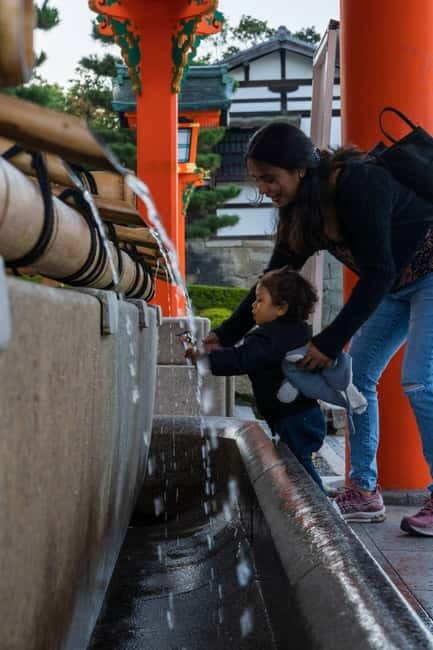
Even if you’re moderately fit, this is a “comfort shoes” tour. The walking includes stairs, and the experience can easily push you into 10,000+ steps depending on your pace and how much time you spend taking photos. You’ll want comfortable, grippy shoes and clothes you can move in without thinking about it.
This is also why I think the tour works best for travelers who enjoy walking through places rather than hopping from one viewpoint to another. If you prefer flat routes or you’re not comfortable with lots of stairs, you should skip this one, because it’s not built for mobility limitations.
Kiyomizu-dera: how the view feels when you’re not fighting crowds
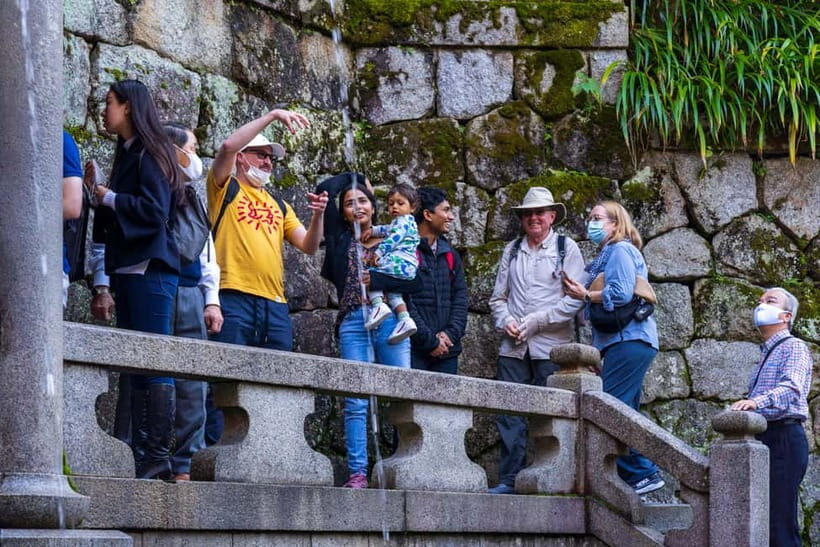
Your next stop is Kiyomizu-dera, with about 1 hour on a guided visit. This is the other anchor sight of the day—one of Kyoto’s most famous temples and a true city landmark. The reason it pairs well with Fushimi Inari is that you go from a red-gate world into a temple-with-views world, and your brain gets a clean contrast between “shrine tunnel” atmosphere and “look-out over Kyoto” drama.
Timing matters here. Early morning gives you a better chance at photos without the worst congestion, and you can spend real time absorbing what the temple offers beyond the main picture. The guide’s explanation helps too: you’re not just looking at architecture—you’re learning what to notice, and why certain features are important in the Buddhist context.
Expect to use your camera (or phone) here, but also expect to pause. The views from Kiyomizu-dera are the kind that work better when you step back and look with your eyes first, not your lens first.





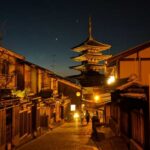
Higashiyama, Sannenzaka, and Ninenzaka: Kyoto’s postcard lanes at walking speed
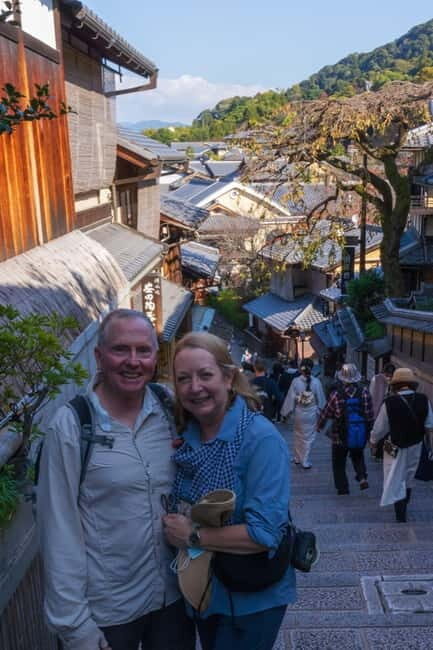
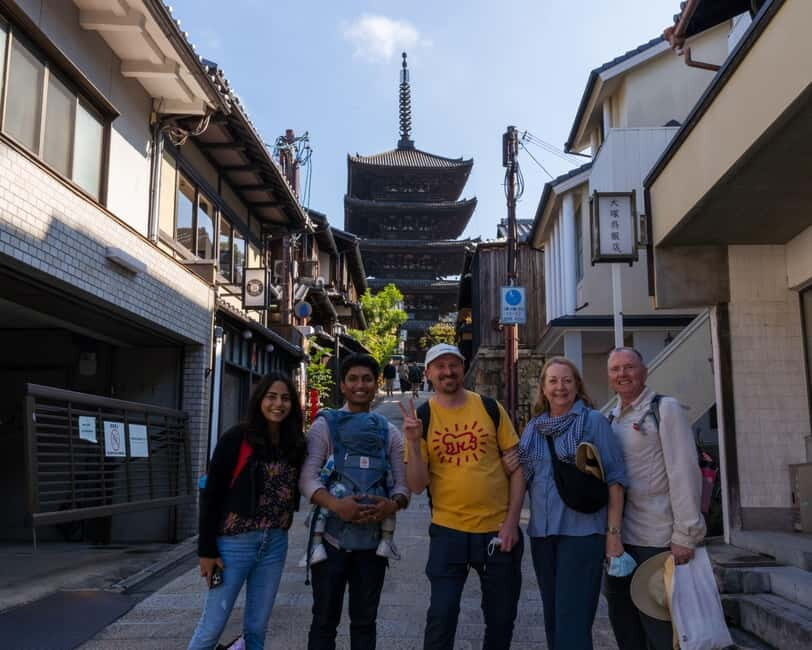
A big part of why this tour feels “complete” is that it doesn’t stop at two monuments. You also get a look at the preserved district areas around Higashiyama, including the classic lanes of Sannenzaka and Ninenzaka.
These streets are famous for good reason. The preserved streets feel like you’re moving through older Kyoto rather than just standing on a platform. And because you’re walking with a guide, you’re more likely to notice small details—how the lanes are laid out, what kind of streetscape you’re seeing, and how the area fits into the overall temple-and-culture rhythm of the day.
There’s also a 30-minute photo stop built in. That’s more valuable than it sounds. It gives you time to regroup, shoot without rushing, and keep your energy steady so the last stretch doesn’t feel like a sprint.
The included transport and fees that save you stress
Price-wise, this tour is $58 per person, and the biggest value isn’t the number—it’s what’s inside it. You don’t have to manage entrance tickets and you don’t have to handle the taxi transfer between Fushimi Inari and Kiyomizu-dera yourself. Train fares, taxi fares, and entry fees are included, so you can keep your day simple.
You’ll still want a little cash or a card for drinks or snacks, but you won’t be stuck at the wrong place with the wrong ticket. For many first-time Kyoto visitors, that’s the difference between a smooth morning and a day that feels like logistics homework.
Your guide’s role: why the stories matter here
This is one of those tours where the guide can make or break the experience. The best part is that the tour is built around explanation, not just movement. Your guide shares stories about the historical and cultural significance tied to Buddhism, so when you see gates, halls, and ritual spaces, you understand what you’re looking at.
English and French guides are offered, and group size can be private or small, which usually means you get more chances to ask questions and get your route advice. In recent bookings, names like Shanda and Diana have come up as standouts for being positive, engaging, and good at sharing context while still leaving breathing room for photos.
Coffee at the end: a nice reward for the early start
The tour finishes at % ARABICA Kyoto Higashiyama. That’s a practical end point because it gives you a place to sit after the walking and stairs. On top of that, the day includes time for your guide to share local guide tips at the end—suggestions for restaurants, cafes, and bars.
If you’re getting up early, you’ll probably appreciate having a straightforward spot to grab coffee or a breakfast-style treat without having to figure out where to go next. It’s a small thing, but it turns the morning into a “plan that works,” rather than a scramble after the last temple.
Price and value: is $58 a good deal for Kyoto highlights?
For $58 and a 3-hour time window, the value depends on how you travel. If you normally hate paying separately for temple entries and coordinating taxis, this tour is a straightforward win. The included entry fees and taxi/train fares cover a chunk of what would otherwise add up quickly.
Also, you’re not just buying access—you’re buying time. You’re getting a guided route that connects Fushimi Inari → Kiyomizu-dera → Higashiyama lanes, which is exactly what many first-timers want: fewer decisions, less waiting, and a guide translating the significance of what you see.
The other cost you’re paying is physical: stairs and a lot of walking. If that’s a deal-breaker for you, no price can fix the mismatch.
Who this tour is for (and who should skip it)
You’ll likely love this tour if you:
- Want Kyoto’s two biggest temple highlights in one morning
- Prefer early starts to reduce crowds and improve photo conditions
- Enjoy learning the meaning behind shrines and temples while you walk
- Are comfortable with a lot of stairs and a long step count
Skip it if:
- You need a low-stairs or low-walking day
- You don’t want to be on your feet for most of the 3 hours
Should you book Best of Kyoto: Red Gates of Fushimi Inari & Kiyomizu Temple?
I think this is a solid choice for most visitors who want a high-impact Kyoto morning without turning the day into a logistics puzzle. The combination of early timing, guided explanation, and included transport/fees is what makes it feel good value.
Book it if you’re the type who wants iconic Kyoto scenes and also wants to understand what’s behind them. Hold off if stairs are a concern or you want a slower, mostly-flat walking day. In Kyoto, timing is everything—and this tour is clearly designed to use the morning hours wisely.
FAQ
How long is the Best of Kyoto tour?
The tour lasts about 3 hours.
Where do I meet the guide?
Meet your guide in front of the entrance to JR Inari Station at the time shown on your voucher. You’ll see a small mailbox and a public phone next to each other.
What are the main stops on the tour?
You visit Fushimi Inari Taisha first, then Kiyomizu-dera, with time for photos and a final stop at % ARABICA Kyoto Higashiyama.
Are entrance fees included?
Yes. Entry fees are included in the tour price.
Is food or drinks included?
No. Food and drinks are not included.
Do I need to pay for transport between stops?
No. Train fares and taxi fares are included.
What language is the guide?
The tour offers live guides in English and French.
Is the tour private or small-group?
Yes. Private or small groups are available.
Is the tour suitable for mobility impairments?
No. It is not suitable for people with mobility impairments, and the route includes stairs.