REVIEW · TEA CEREMONY EXPERIENCES
Stunning Private Tea Ceremony: Camellia Garden Teahouse
Book on Viator →Operated by Camellia · Bookable on Viator
Kyoto can be loud. This tea house turns it quiet.
From the moment you step into Camellia Garden Teahouse, you’re treated to serious calm: a 100-year-old property with garden views, right across from Ryoan-ji. I love that the experience is private for your party, so your questions, photos, and pace feel natural, not rushed.
Two more things stand out for me: you learn the actual matcha process with the real tools (whisk, scoop, and bowl), and you get a guided intro to tea culture plus seasonal sweets before the ceremony begins. One possible drawback: because it’s garden-focused and weather-dependent, you’ll want flexibility—if conditions are poor, your session may be moved or refunded.
In This Review
- Key highlights worth planning around
- Camellia Garden Teahouse: calm across from Ryoan-ji
- The 1-hour flow: history, sweets, then the ceremony
- Hands-on matcha making with whisk, scoop, and bowl
- Privacy that changes the mood (and helps you ask better questions)
- Where you sit, what to wear, and how kimono fits in
- Price and value: is $118.60 per person worth it?
- Timing, transportation, and weather that matters
- Should you book Camellia for your Kyoto day?
- FAQ
- How long is the private tea ceremony at Camellia Garden Teahouse?
- Is this tea ceremony private or shared with other groups?
- What’s included in the matcha-making part of the experience?
- Are chairs available if I don’t want to sit on the floor?
- Is kimono rental included?
- Where does the tea ceremony take place?
- What happens if the weather is bad?
Key highlights worth planning around
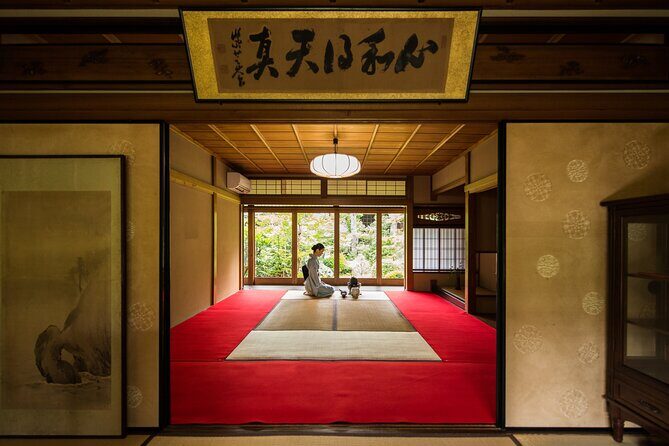
- A private ceremony in a quiet teahouse right across from Ryoan-ji, with privacy emphasized from start to finish
- 100-year-old setting with two traditional Japanese gardens as your backdrop
- Real matcha practice using the provided whisk, scoop, and bowl (not just watching)
- A structured flow: history and sweets first, then the ceremony, then your turn making matcha
- English-speaking hosts in a session designed for questions and conversation
- Comfort options like chairs if you prefer not to sit on the floor
Camellia Garden Teahouse: calm across from Ryoan-ji
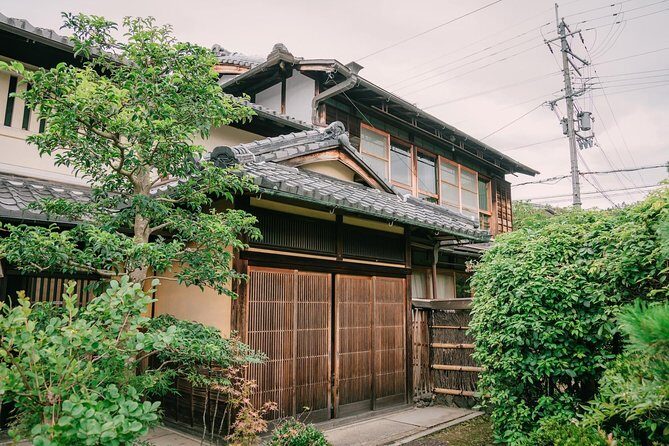
Camellia Garden Teahouse is the kind of Kyoto stop that makes you think: why don’t more experiences feel like this? It sits at 18 Ryōanji Ikenoshitachō in Ukyo Ward, and it’s positioned across the road from Ryoan-ji. That matters because you get that temple-area atmosphere—quiet, traditional, and slow—even before the tea ceremony starts.
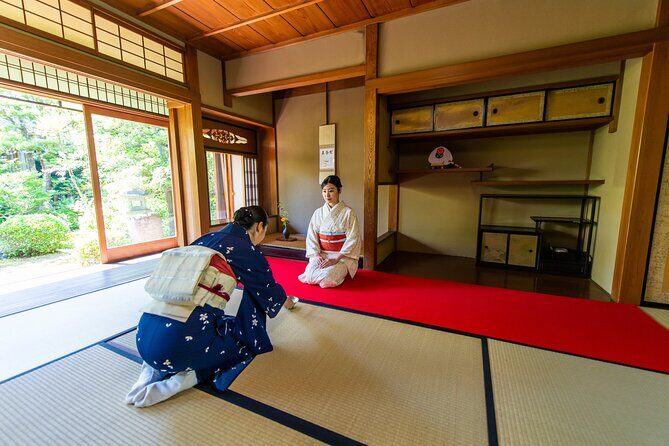
The setting is described as a 100-year-old property surrounded by two traditional Japanese gardens. This is not just decorative greenery. The gardens act like a soft soundtrack. They also frame your ceremony visually, so when you’re watching the ritual, you’re watching it with actual beauty behind it, not a busy street.
I also like that the experience is set up to protect your focus. The teahouse is designed so your group can escape the outside world, instead of threading through crowds. In Kyoto, that difference is huge.
You can also read our reviews of more private tours in Kyoto


The 1-hour flow: history, sweets, then the ceremony
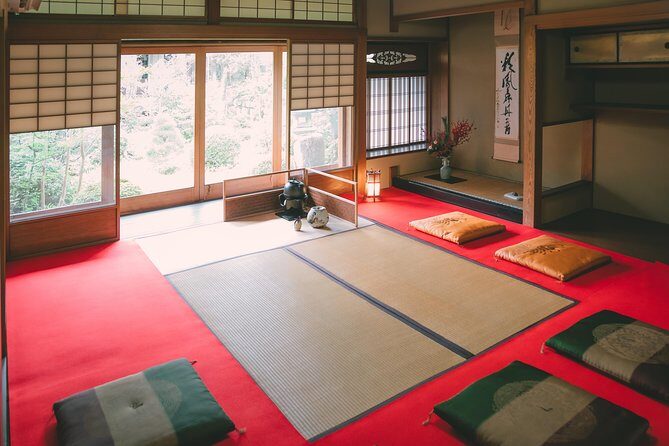
Your session runs about one hour, and it has a clear rhythm. It starts at the sofa room overlooking the front garden. This is where your instructor welcomes you and sets context with tea history and culture. You’re not just handed steps. You’re given meaning.
Before the main ceremony, you’ll enjoy seasonal sweets from a well-known Kyoto confectioner. In past experiences, guests have specifically called out mochi along with the tea, which gives you a real taste of what the season is offering. This is a small detail, but it helps the ceremony feel complete. Matcha isn’t the only moment; the sweets are part of how the ritual is experienced.
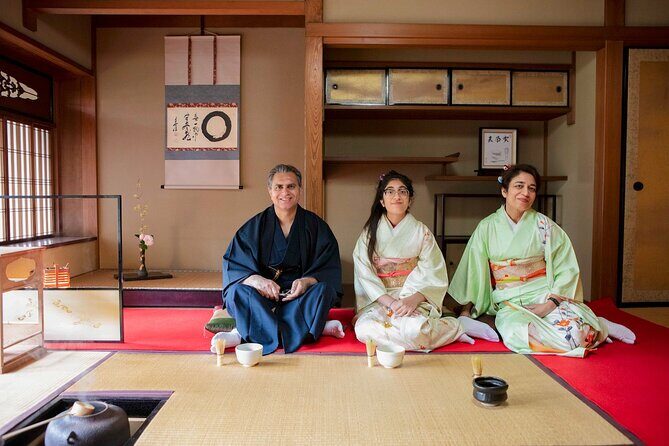
Then your host moves you into the tearoom itself, where you can watch an authentic tea ceremony with the main garden as the backdrop. This is where you slow down and observe. You’ll see how the utensils are used, how the host performs the ritual, and how the room’s layout supports the experience.
After you’re served tea, you get time to ask questions and take photographs. That’s a key practical point: a good ceremony isn’t only visual. It’s also interactive in a calm way.
Hands-on matcha making with whisk, scoop, and bowl
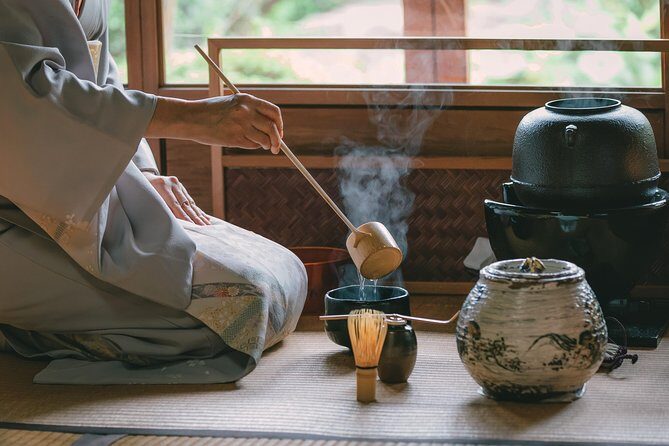
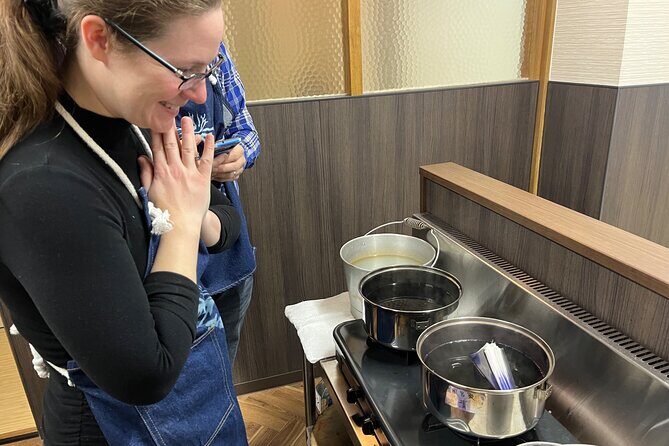
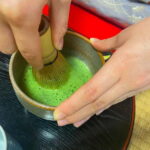
The best part for most people is the moment you stop being an observer and become a participant. You’ll have the chance to make your own bowl of matcha. This is not a token try. The tea bowls, tea scoops, and tea whisks are provided, so you can follow along without worrying about equipment.
In a typical lesson setup, you learn the techniques behind using a whisk, scoop, and bowl. Even if you’ve seen matcha before, the ceremony version teaches a different pace and a different goal: not speed, but a smooth outcome and respectful handling of the tools.
This hands-on segment also changes what you take away. After the ceremony, you can actually repeat the process later at home. You’ll remember the feel of the whisk and the order of steps, because you did it—not because someone described it.
And since your instructor is actively teaching, you have space to ask practical questions. Based on how people describe their sessions, the hosts tend to answer questions patiently and clearly, so you don’t feel like you have to guess what you’re seeing.
Privacy that changes the mood (and helps you ask better questions)
This is a private tea ceremony for your party, not a shared group lesson. That’s the big difference at Camellia. In a group setting, you can end up watching politely while others take the spotlight. Here, your group stays centered.
What I like about privacy is how it affects your attention. You can ask questions without worrying about slowing the schedule for strangers. You can take photos when something looks beautiful or when you want a reminder later. You can also sit back and just absorb the room, which is what this kind of experience is really for.
There’s also the simple comfort of knowing the pacing is flexible around your group. One past session included a time change request when someone was running late, and the host handled it with consideration. That kind of responsiveness is a good sign for anyone who values smooth, low-stress planning.
If you’re visiting Kyoto with a partner, planning a small celebration, or you just want a quiet cultural moment that doesn’t require constant social energy, this privacy is a major selling point.
Where you sit, what to wear, and how kimono fits in
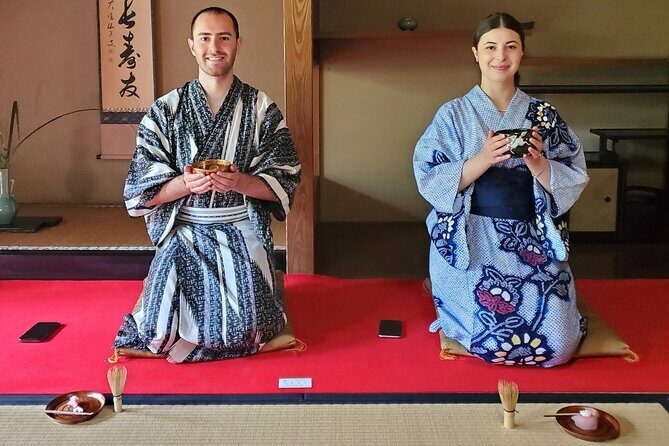
Tea ceremonies usually bring up one practical question fast: do you have to sit on the floor? Camellia gives you options. Chairs are available for anyone who would prefer not to sit on the floor. That’s important if you want to enjoy the experience without battling knees, ankles, or sore calves.
On the dress side, there’s a dedicated kimono dresser. If you’d like to dress in kimono for the experience, let them know on the checkout page. At the same time, kimono rental is noted as not available at this location. So plan on wearing what you have, or arranging kimono separately if that’s part of your idea.
For clothing, you’ll be most comfortable in something that lets you move freely to watch and participate. Since you’re spending a full hour inside a traditional setting, breathable layers are smart, especially in Kyoto’s seasons when temperatures can swing.
For photos, you’ll have time to take them after you’re served tea. Bring your camera habits in mind: if you like lots of pictures, you’ll want to stay mentally present so you don’t miss the ritual while you’re shooting.




Price and value: is $118.60 per person worth it?
The price is $118.60 per person, for about an hour. On paper, that can sound steep compared with a casual tea tasting. But tea ceremony pricing is really about two things: private instruction and the time + focus of a host in a special setting.
Here, you’re paying for:
- a private experience for your party
- a guided intro to tea history and rituals
- seasonal sweets before the ceremony
- observation of an authentic tea ceremony
- hands-on matcha making with provided tools
- a setting designed for privacy and quiet
The “tools included” part matters more than it sounds. Some experiences give you a sip and send you on your way. Here, you actually use whisk, scoop, and bowl, which is the core skill of the ceremony.
Also, there are group discounts available, and the experience uses a mobile ticket. So if you’re traveling with friends, families, or another couple, it can become better value quickly.
If you’re the type who likes one or two meaningful activities per day instead of stacking ten attractions, this is the kind of stop that feels worth it because it changes your pace. Kyoto can wear you out. This slows you down on purpose.
Timing, transportation, and weather that matters
The meeting point is listed at Camellia Garden Teahouse (Tea Ceremony Camellia GARDEN18 Ryōanji Ikenoshitachō, Ukyo Ward, Kyoto). It ends back at the meeting point, so you don’t have to map a complicated pickup afterward.
It’s also marked as near public transportation, which helps a lot if you’re bouncing between temples. Being across the road from Ryoan-ji means you can anchor your day around this area rather than losing time to long transfers.
One practical note: this experience requires good weather. That matters because the teahouse setting is garden-driven. If conditions are poor, your session may be canceled and you’ll be offered another date or a full refund. If you’re planning tightly around a single day, build in flexibility.
For timing, consider scheduling this when you want calm most. Early morning can feel peaceful, but even after sightseeing, the ceremony can reset your mood. The point is to protect your attention, since the whole experience works best when you’re not rushing.
Should you book Camellia for your Kyoto day?
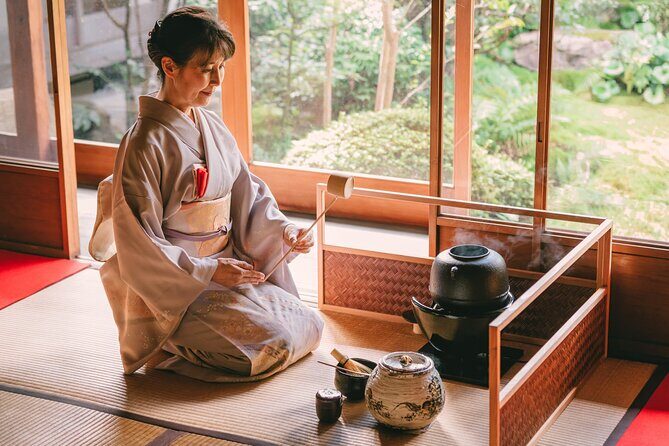
Book it if you want a quiet, private cultural experience with hands-on matcha skills. This suits couples, small groups, and anyone who prefers depth over crowds—especially if you’re already in the Ryoan-ji area and want something that feels like Kyoto, but softer.
Skip it only if you’re looking for a high-energy activity or a long workshop. You get about an hour, and the ceremony is about calm and precision, not speed.
If you care about the details—the garden setting, the structure of history-to-ritual-to-participation, and the chance to actually whisk your own bowl—this is a strong choice. And if you’re worried about comfort, the availability of chairs helps.
FAQ
How long is the private tea ceremony at Camellia Garden Teahouse?
The experience runs for about 1 hour.
Is this tea ceremony private or shared with other groups?
It’s private. Only your group participates.
What’s included in the matcha-making part of the experience?
Tea bowls, tea scoops, and tea whisks are provided so you can make your own bowl of matcha.
Are chairs available if I don’t want to sit on the floor?
Yes. Chairs are available for those who would prefer not to sit on the floor.
Is kimono rental included?
Kimono rental is not available at this location, though there is a dedicated kimono dresser if you want to dress in kimono.
Where does the tea ceremony take place?
The meeting point is Tea Ceremony Camellia GARDEN, located in Kyoto near Ryoan-ji (18 Ryōanji Ikenoshitachō, Ukyo Ward, Kyoto, 616-8003, Japan).
What happens if the weather is bad?
This experience requires good weather. If it’s canceled due to poor weather, you’ll be offered a different date or a full refund.