REVIEW · BIKE & E-BIKE TOURS
Kyoto: Fushimi Inari Shrine and Tofukuji Temple E-Bike Tour
Book on GetYourGuide →Operated by Pedal Adventure Kyoto · Bookable on GetYourGuide
Kyoto on an e-bike feels like a cheat code. You’ll move through iconic sights and quieter residential streets in just 4 hours, guided by English speaker Maki as you connect the dots between daily Kyoto life, Shinto shrines, and Buddhist calm.
I love the way the tour balances big-name stops with real local rhythm, especially the ride through Gion and the time you get to actually slow down. Maki also has an easy, funny teaching style that makes religion and customs feel practical, not academic, and she’ll even help with photos during the day. The main drawback to consider is that the group format means your time at places like Fushimi Inari can feel a bit time-boxed compared with a solo visit.
In This Review
- Key highlights you’ll care about
- How an e-bike Kyoto route saves your energy (and your patience)
- Pedal Adventure Kyoto start: your quick ride orientation
- Gion by e-bike: geisha culture and everyday street scenes
- A practical note for hearing the guide
- Fushimi Inari Shrine: walking the fox-gate story with Shinto context
- The tradeoff: it’s not a solo wandering session
- Tofukuji Temple and the Zen garden reset
- The riding experience: routes, safety, and comfort you can feel
- What to bring (so you enjoy the whole ride)
- Price and value: $83 for 4 hours that includes the real costs
- Who should book this Kyoto e-bike day (and who shouldn’t)
- Who should skip it
- Quick etiquette and expectations during the ride
- Should you book the Kyoto Fushimi Inari and Tofukuji e-bike tour?
Key highlights you’ll care about
- Small group size (max 8): more personal routing and easier listening at stops
- E-bikes that handle hills: useful for steeper stretches and keeping the pace comfortable
- Maki’s storytelling style: clear explanations plus visual aids (she uses picture materials)
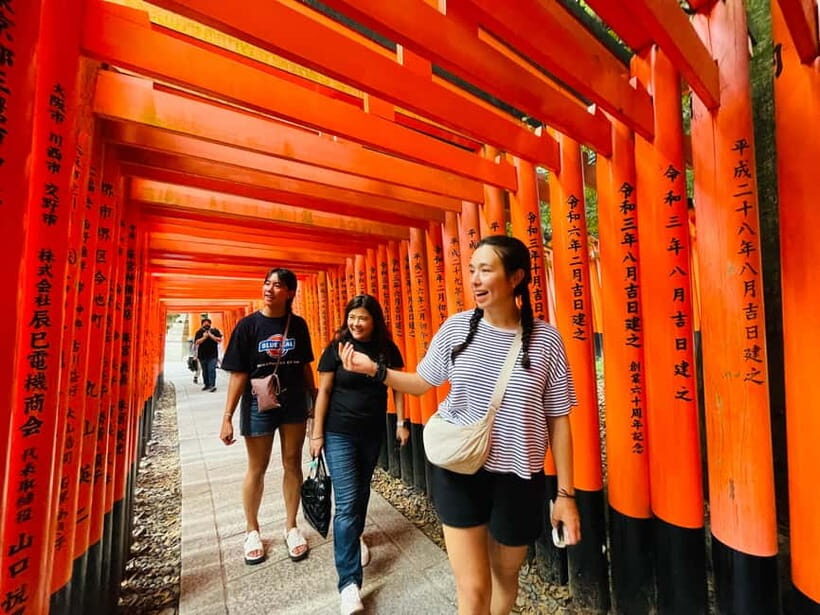
- A Shinto crash course at Fushimi Inari: you’ll learn what you’re seeing at the gates
- Zen garden pause at Tofukuji: a real reset, not just another photo stop
How an e-bike Kyoto route saves your energy (and your patience)
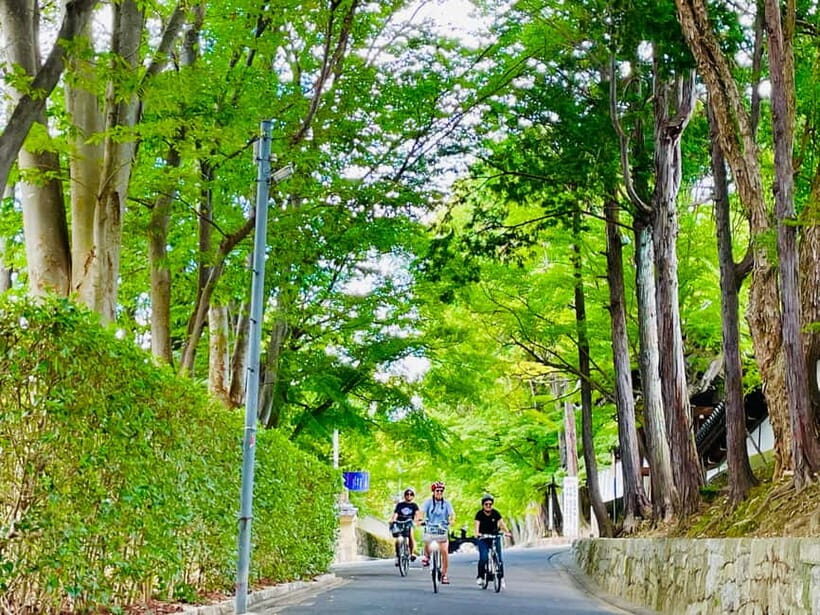
Kyoto can be a lot on foot. Streets get crowded near the major sites, and temple-hopping can turn into one long endurance test. This tour solves the two problems at once: you keep moving, and you still get context at the stops.
An e-bike changes the math. Even if you’re not a cyclist, you can cover distance without arriving sweaty and wiped out, which matters when you’re mixing cycling with some walking time at shrines and temples. The reviews are consistent on one point: the ride stays manageable, and the electric assist helps when the route tilts up.
You also get to spend your mental energy on the meaning of what you’re seeing, not on fighting exhaustion. That’s the difference between seeing Kyoto and understanding it enough to enjoy your own time later.
You can also read our reviews of more cycling tours in Kyoto



Pedal Adventure Kyoto start: your quick ride orientation
Your tour meeting point is Pedal Adventure Kyoto, and the day begins with getting set up—helmet, bike, and the basics for riding in Japan. That orientation matters more than you’d think. Roads, intersections, and flow can feel different from what you’re used to, and the guide helps you read the rules fast.
Once you’re rolling, you’ll spend time practicing the rhythm of the group: where to line up, how to follow instructions, and how to handle slower sections. The goal is simple—feel safe early so you can relax into the sightseeing.
You’ll also have essentials on board: a water bottle and a snack are included, which is a small detail that can save your mood when you’re standing around for explanations.
Gion by e-bike: geisha culture and everyday street scenes
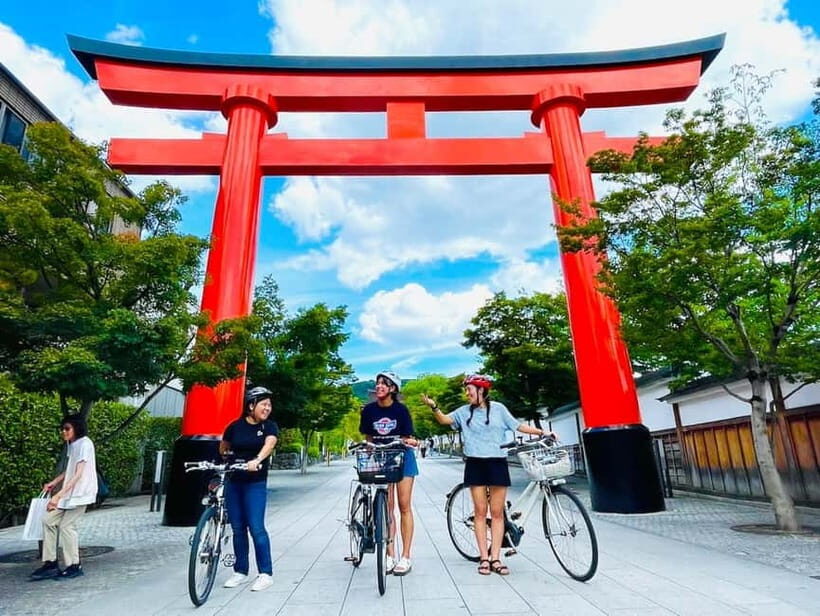
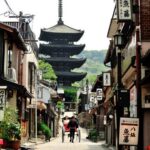
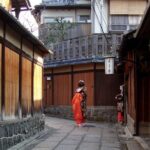
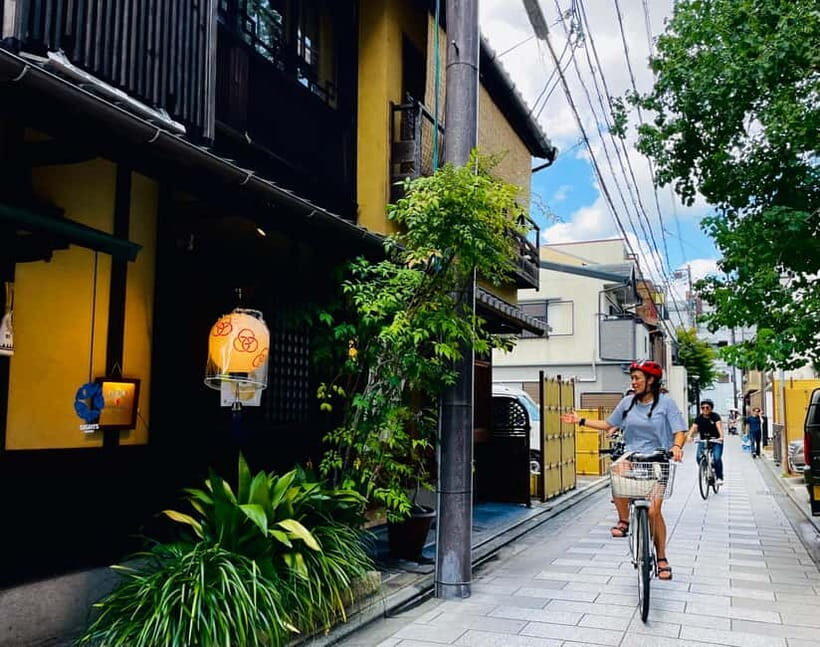
A highlight of this tour is the ride through Gion, where the guide connects what you see to Kyoto customs. Even if you know the broad story of geisha and traditional arts, hearing it from a local guide who can answer your questions makes it click in your head.
What you’re really getting in Gion isn’t just scenery. It’s the contrast between postcard imagery and how neighborhoods actually work day to day. The tour route includes time through Kyoto suburban areas too, and that’s where you start noticing normal-life details—the kinds of streets you’d miss if you only stick to the busiest walking loops.
One of the best ways to understand Kyoto is to see it in motion. While you ride, you pass through different kinds of streets and storefront rhythms, so the city feels like a lived place instead of a museum you’re sprinting through.
A practical note for hearing the guide
At stops, groups tend to gather so the guide can talk clearly. One rider even suggested a microphone/earpiece could help for catching every word if you’re at the edge of the group. If you’re someone who needs every detail, just know your best listening spot may be closer to the guide when you pause.
Fushimi Inari Shrine: walking the fox-gate story with Shinto context
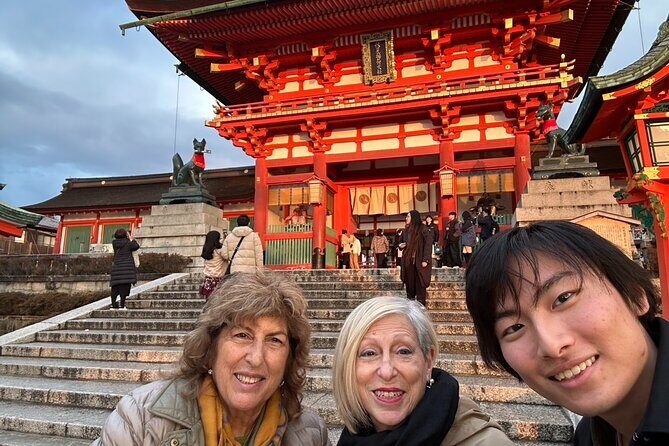
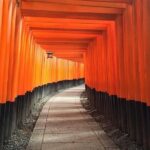
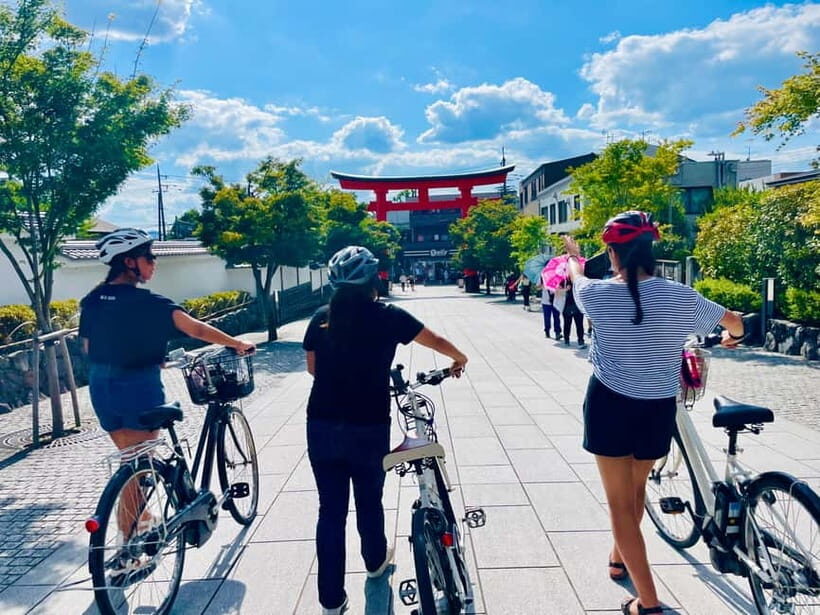
Then comes the big one: Fushimi Inari Shrine. The tour frames it as the most popular shrine spot in Japan, and that reputation makes sense once you’re there. The gates are iconic for a reason, but the real value is what you learn before you start moving through the site.
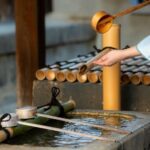
Your guide explains the history and cultural meaning of Fushimi Inari, including Shintoism. That matters because the shrine area is full of symbolic details that can feel random if you just follow the crowd. With the Shinto context, you start recognizing patterns—why certain offerings exist, what the space is meant to communicate, and how the shrine fits into Japanese spiritual life.
Cycling gets you there efficiently, but you’ll still spend time inside the shrine zone. The tour is designed as a mix of riding and walking, so expect some foot time while you explore and absorb the explanations.
You can also read our reviews of more tours and experiences in Kyoto


The tradeoff: it’s not a solo wandering session
Fushimi Inari is huge, and this tour is only 4 hours total. That’s why some people mention wanting more time at the shrine. Keep it in perspective: the goal here is to hit the essentials with guidance and context, then move on with a calmer visit to Tofukuji rather than running out of energy before the day ends.
If you want a slow, long Fushimi Inari session, you could pair this tour with additional time on your own afterward. The e-bike tour gives you the foundation; your solo time decides how deep you go.
Tofukuji Temple and the Zen garden reset
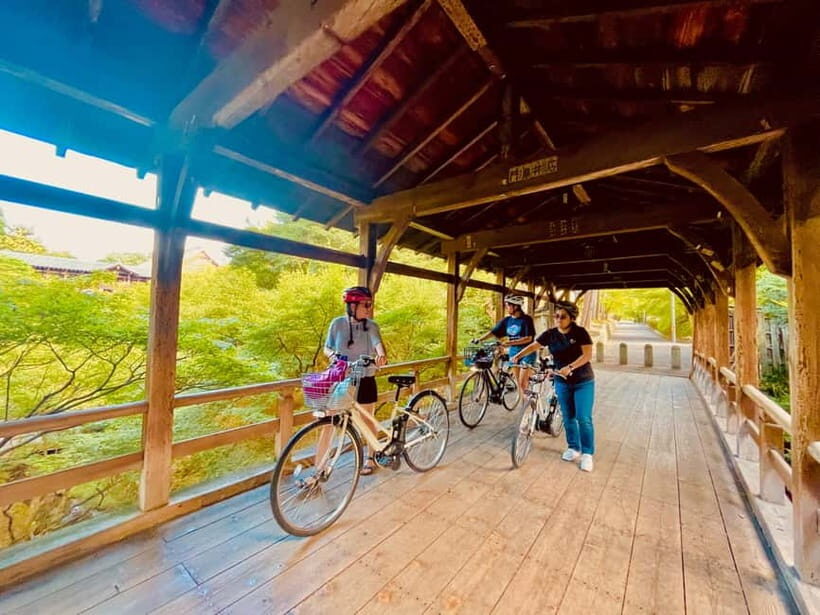
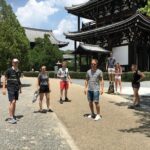
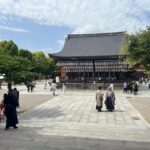
After the shrine, you head to Tofukuji Temple, where you get to shift from motion to stillness. The tour’s setup includes a moment for relaxation in the Zen garden, and that break is a key part of why this day works as a whole.
This stop isn’t just about seeing another famous Kyoto temple. It’s about switching gears. You’ll have already learned Shinto context earlier, then you arrive at a Buddhist space where the tone is quieter and the pacing naturally slows.
If you’re the type who gets temple fatigue after too many quick stops, this is where the day rebalances. Instead of rushing to another photo angle, you get to sit with the ambience and let the city noise fade.
The riding experience: routes, safety, and comfort you can feel
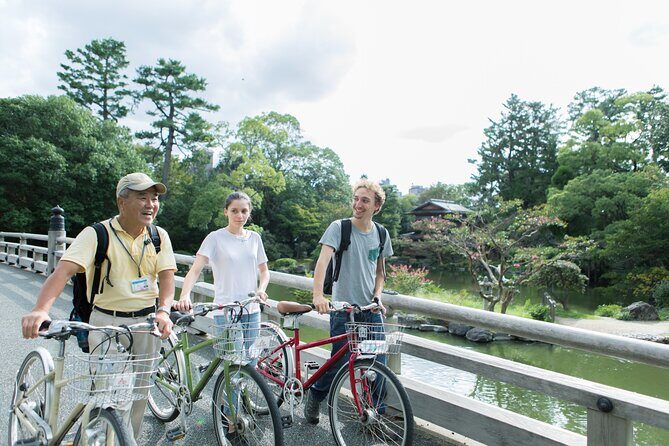
The e-bikes are part of the value, but comfort and safety are what make them usable for most people. The tour includes insurance and helmet rental, and the group size stays small (limited to 8 participants).
In the reviews, riders repeatedly mention feeling safe even when the route includes busier road sections. The guide directs you through traffic and chooses practical routes that keep the pace smooth. That doesn’t mean the day is risk-free, of course, but it does mean you’re not being left alone to figure out Kyoto cycling on your own.
The e-bike also helps with the day’s physical balance. One of the most common compliments is that the assist makes steeper sections easier, which helps everyone keep up—especially if your group includes kids, older adults, or people who don’t cycle much.
What to bring (so you enjoy the whole ride)
Come with comfortable shoes and clothes made for movement. Sunscreen is recommended if the day is sunny, and a camera is handy for shrine details and street scenes. The tour tells you to bring a water bottle too, even though you’ll have one provided—staying hydrated is how you keep sightseeing fun instead of draining.
Price and value: $83 for 4 hours that includes the real costs
At $83 per person for about 4 hours, this tour sits in a reasonable sweet spot for Kyoto. What makes it feel like good value isn’t just the bike—it’s what’s wrapped into the price.
Included:
- Live local tour guide (English)
- Electric bicycle rental
- Helmet
- Insurance
- Snack and water bottle
- Entrance fees for 2 places (the main paid stops)
Not included:
- Lunch
- Hotel pickup and drop-off
If you’ve ever tried to self-plan Kyoto with taxis, timed museum tickets, and entrance fees, you know costs add up fast. Here, you pay once and get a ready-made route that connects major sites with calmer streets, plus explanations that help the day make sense.
Also, the time length is smart. You’re not committing to a full day that can exhaust you after hours of temples. You get a strong hit of Kyoto culture and then still have time to explore more on your own.
Who should book this Kyoto e-bike day (and who shouldn’t)
This tour is a great fit if you want Kyoto in a single half-day with context, not just checklists. It’s especially well-suited for people who:
- want an easier pace than walking everywhere
- like history and culture explanations in plain English
- don’t want to spend a full day at shrines and temples
- enjoy riding but don’t want hills to be the main event
It’s also a strong choice for mixed groups—one reason is that the electric assist helps different fitness levels share the same route.
Who should skip it
The tour is not suitable for:
- children under 12
- pregnant women
- people with mobility impairments
That’s important. Even with e-bikes, it’s still a moving route with some walking, and comfort/safety need to be taken seriously.
Quick etiquette and expectations during the ride
A few rules keep the experience smooth. Smoking and alcoholic drinks in the vehicle are not allowed. You’ll be cycling through shared spaces, so keep your hands and attention on the guide’s directions when you stop and start.
You should also expect a rhythm of:
- short riding segments
- guided stops for explanation and photos
- a mix of busier streets and quieter side streets
That mix is intentional. It gets you out of gridlock near major sights while still giving you access to the places people actually pass through.
Should you book the Kyoto Fushimi Inari and Tofukuji e-bike tour?
Book it if you want a guided half-day that combines the big Kyoto icons with meaningful context, without turning your day into a walking marathon. The biggest reasons to choose it are Maki’s teaching style and the fact that the e-bike makes the route comfortable for more people than standard sightseeing on foot.
Don’t book it if you need full accessibility support or if your ideal Kyoto day is slow, solitary wandering where you control every minute at Fushimi Inari. In that case, you could still visit those sites—but you’d probably be happier managing the timing yourself.
If your goal is to return from Kyoto feeling like you understand what you saw—Shinto at Fushimi Inari and Zen calm at Tofukuji—this is a smart way to get that context fast, while still enjoying the ride.