REVIEW · KIMONO RENTAL & PHOTOSHOOT
Kimono Tea Ceremony Experience at Kyoto Oritzuruya, Nishiki
Book on Viator →Operated by LINKTIVITY Inc. · Bookable on Viator
Kyoto can make even confident travelers feel like they’re wearing the wrong shoes. This kimono tea ceremony at Nishiki Orizuruya turns “What do I do?” into a clear, step-by-step experience. I love that you start with picking your kimono (there’s a big selection), and I really like the hands-on matcha part where you learn how to whisk and make your own bowl. One thing to consider: it’s partly a guided, structured cultural session, so if you want something totally un-staged and slow-breathing, you may find it feels more tourist-friendly than meditative all the way through.
The best part is how the day is built around reducing awkwardness. You’ll get helped with dressing and hair, then you’re guided through the tea ceremony rituals, snacks included, all in a group that stays small (up to 10). You also have the option to add calligraphy, which gives you a real keepsake instead of just photos.
$50.87 for 1.5 hours sounds like a splurge until you break it down: kimono + hair + a licensed guide + matcha tools + sweets + the ceremony instruction. My only caution is timing—if you’re the type who hates waiting around, plan to be patient during dressing and setup.
Key highlights to look for
- Kimono choice first, with staff helping you pick and dress correctly
- Small-group size (max 10) so you actually get instruction time
- Hands-on matcha using a traditional bamboo whisk (chasen)
- Wagashi + matcha served alongside your tea-making
- Optional calligraphy to make a souvenir you’ll keep
- Nishiki Market area as your base, so you can pair this with nearby walking
In This Review
- Kimono Dressing at Nishiki Orizuruya: the part you’ll talk about later
- Small-Group Flow: why max 10 guests matters
- The Tea Room Ritual: how the cleansing moment sets the tone
- Learn Matcha the Right Way: whisking with the chasen and making your own bowl
- Wagashi and Sweets: a small taste that teaches balance
- Optional Calligraphy Session: your souvenir with real effort behind it
- Walking in Your Kimono: photos are fun, but use the time well
- Price and Logistics: is $50.87 worth it?
- Who This Kyoto Kimono Tea Ceremony Is For (and who should rethink it)
- Should You Book This Nishiki Orizuruya Kimono Tea Ceremony?
- FAQ
- Where is the meeting point for the kimono tea ceremony?
- How long is the experience?
- How big is the group?
- What’s included in the ticket price?
- Is transportation included?
- Do I have to use my smartphone for check-in?
- Can I add calligraphy, and what do I get?
Kimono Dressing at Nishiki Orizuruya: the part you’ll talk about later
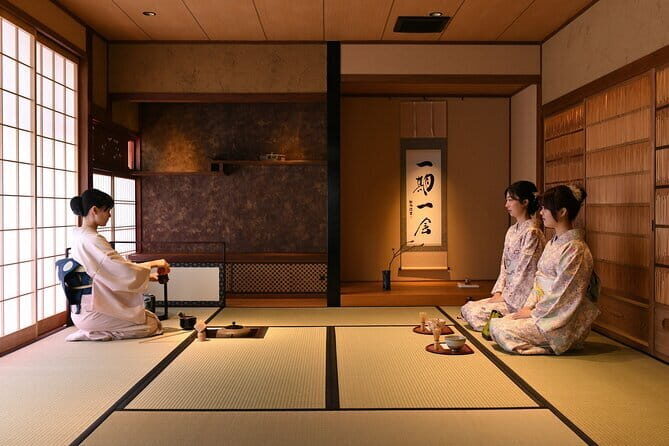
Meeting at Nishiki Orizuruya (452 Jūmonjichō) puts you right in the Kyoto rhythm. You’ll check in, then move into the changing space where the fun really starts: choosing a kimono. The selection is described as over 200 designs, and that matters more than it sounds. When you get to pick something you genuinely like, the whole experience feels more personal, not like you’re just renting a costume.
For women, hair styling is included as a simple style. You’re not left to figure out how to make it work. Staff help you with the dressing process and finishing touches, like the obi and other pieces that make a kimono look right. One review specifically called out the process of choosing accessories such as hair sticks/flowers, plus the sash and related cords—these are the details that usually take visitors out of their comfort zone. Here, you get help.
A practical tip: bring a flexible attitude. Dressing takes time, and you’ll move through multiple steps. If you’re worried about fitting, I’d relax—one guest who identified as plus-sized said they had a wide selection and carried options that worked. Also, they provide footwear appropriate for what’s next (you’ll slide into sandals for the ceremony time).
Finally, expect that it’s not just “put on a robe.” The kimono dressing is staged like a mini ritual: slow, guided, and meant to make you look and feel like you belong in the room.
Small-Group Flow: why max 10 guests matters
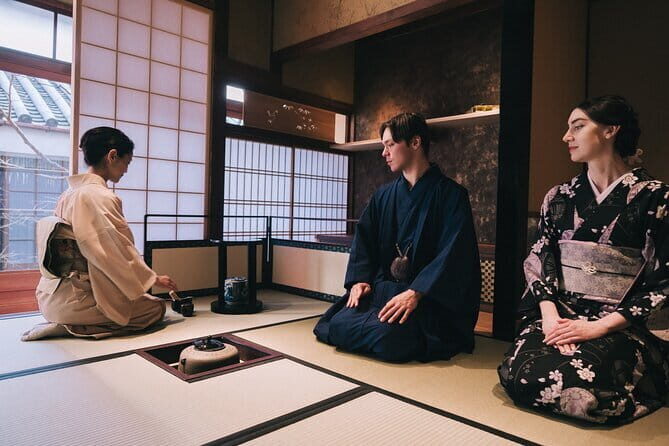
This runs with a maximum of 10 people. That size hits a sweet spot. Big tours can turn tea ceremony into a conveyor belt. Here, you’re close enough that an instructor can notice when someone is unsure about where to sit or what to do next.
You’ll also see why the pacing includes “breathers” between steps. Dressing has a rhythm, and the ceremony has a sequence. Even if you’re not naturally calm, being in a smaller group makes the waiting feel less chaotic. Several reviews basically echoed this: it felt organized and not rushed, even though there was a commercial element and lots of people in the area.
So if you’re the type who wants a guided experience but still wants room to ask questions, this group size is one of the real quality signals.
You can also read our reviews of more tours and experiences in Kyoto.



The Tea Room Ritual: how the cleansing moment sets the tone
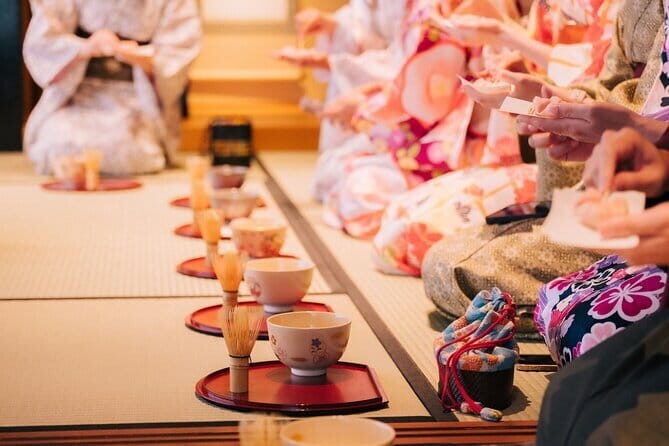
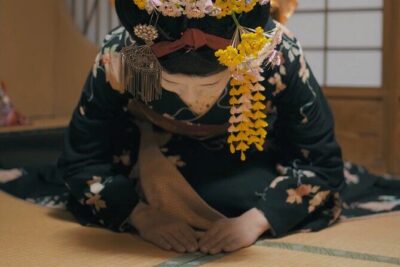
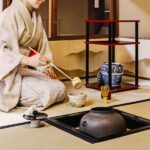
After the kimono and hair part, you head into the tea room for the ceremony. This is where you learn that the tea ceremony isn’t just about drinking something green. You’re guided through the rituals, including the purification/cleansing process that happens before the actual tea service.
That cleansing step is one of the most misunderstood parts for visitors. It can look like extra fuss if you only think of tea as a beverage. But in practice, it does two things:
- It slows you down before you touch anything
- It sets a shared mood so everyone knows this is a moment, not an attraction
One review highlighted how much time goes into preparation and welcomed visitors properly, including the emphasis on mindful movements. Another review described the ceremony as calming and traditional, with the tea master sharing history and meaning.
You’ll sit and follow along as the instructor leads. The level of participation can vary in tea ceremony experiences, and one review had a disappointment: that guest felt they mostly watched rather than truly participate beyond stirring/frothing matcha. That’s a fair warning. Still, even when your role is more guided than fully hands-on, you’ll learn the sequence and gestures so you can recreate it more confidently later.
Also worth noting: one review specifically mentioned accommodations for someone who couldn’t sit on the floor. The team brought a small table and chair. If you have mobility issues, don’t assume you’re out of luck—there’s evidence they can adjust.
Learn Matcha the Right Way: whisking with the chasen and making your own bowl
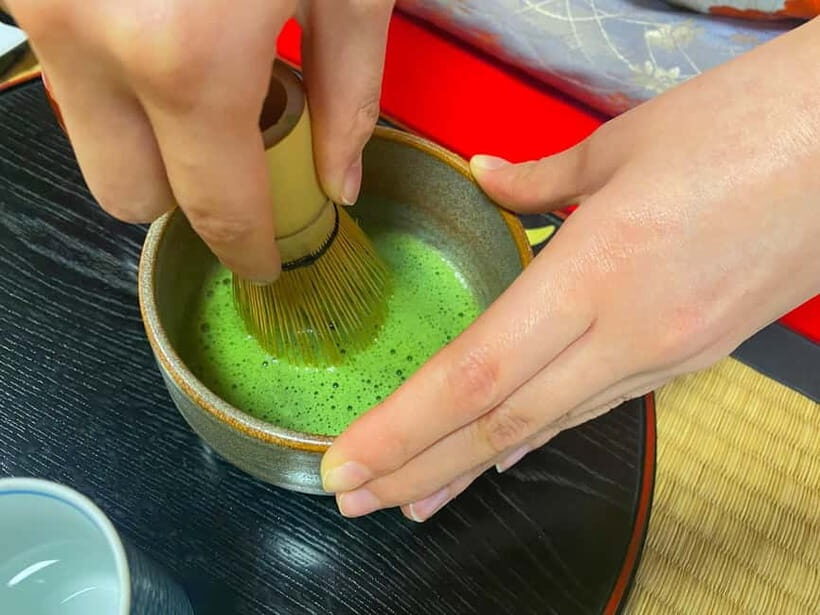
This experience earns its keep with the matcha lesson. You’re taught how to prepare matcha using a traditional bamboo whisk, the chasen, and then you make your own bowl.
The key is that it’s not just tasting. You’re shown the technique, then you do it. That’s where the learning sticks. You get to understand why the whisk matters and what you’re aiming for when you mix—texture and foam aren’t accidental. Several reviews described the matcha-making as fun and meditative, and not just a scripted photo stop.
Then the tea you make is served with wagashi and matcha. The sweets are described as coming from a century-old confectionery, which adds a nice layer: you’re tasting both the ritual beverage and the traditional accompanying sweets designed to balance flavor.
If you’re worried about being clumsy, relax. You’re learning. That’s the point. The “win” here is that you walk away knowing how to do the basics of matcha preparation rather than just remembering what it tasted like.
Wagashi and Sweets: a small taste that teaches balance
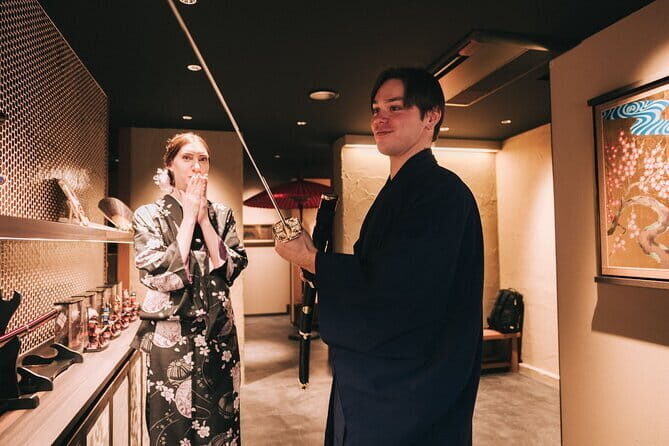
Japanese tea culture uses sweets intentionally. In a ceremony like this, wagashi isn’t an afterthought snack. It’s part of how the flavors and texture are managed before and after the matcha.
You’ll have Japanese sweets paired with your tea, and the experience gives you a chance to notice the contrast: the sweetness and chew of wagashi against the bitterness and earthy character of matcha. That contrast is what makes the whole tasting feel coherent rather than random.
If you’re the type who usually skips dessert, I’d still do it. Wagashi is often subtle, and tasting it in the same flow as matcha makes it easier to understand why it belongs here.
Optional Calligraphy Session: your souvenir with real effort behind it
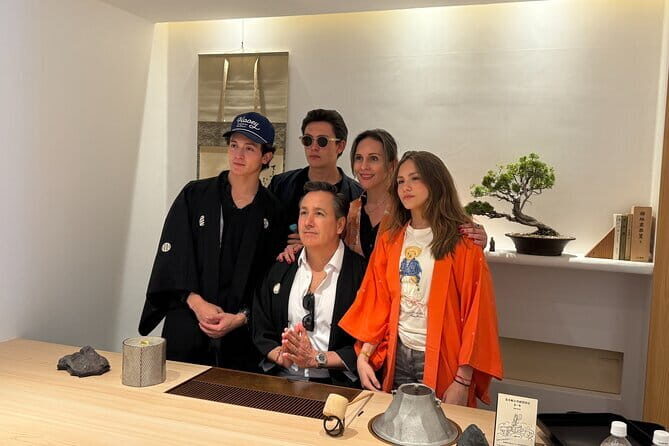
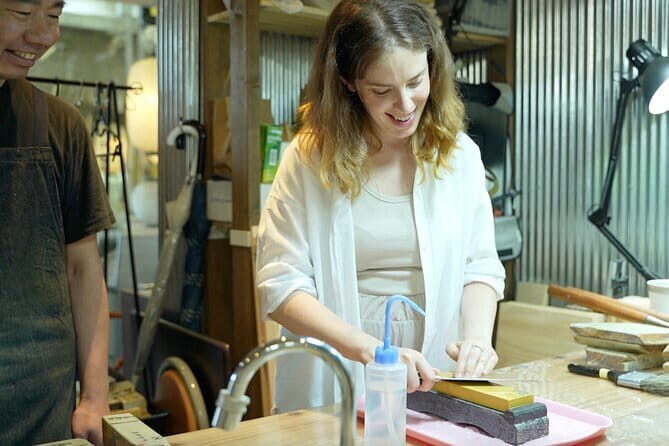
If you add calligraphy, you’ll learn the basics of this ancient art and create your own piece to take home. The nice thing about this option is that it’s not just another activity layered on top. It connects to the same values you see in the tea room: attention, controlled movement, and doing something slowly on purpose.
A review mentioned that calligraphy was a highlight and even described the activity as a cool souvenir, with one person drawing a kanji for beautiful. Another review said the calligraphy experience was so good that it was worth adding if you’re on the fence.
Just keep expectations reasonable. You’re learning basics, not becoming a master brush artist in an hour. But you will leave with something tangible, and it’s the kind of souvenir you can display because you actually made it.



Walking in Your Kimono: photos are fun, but use the time well
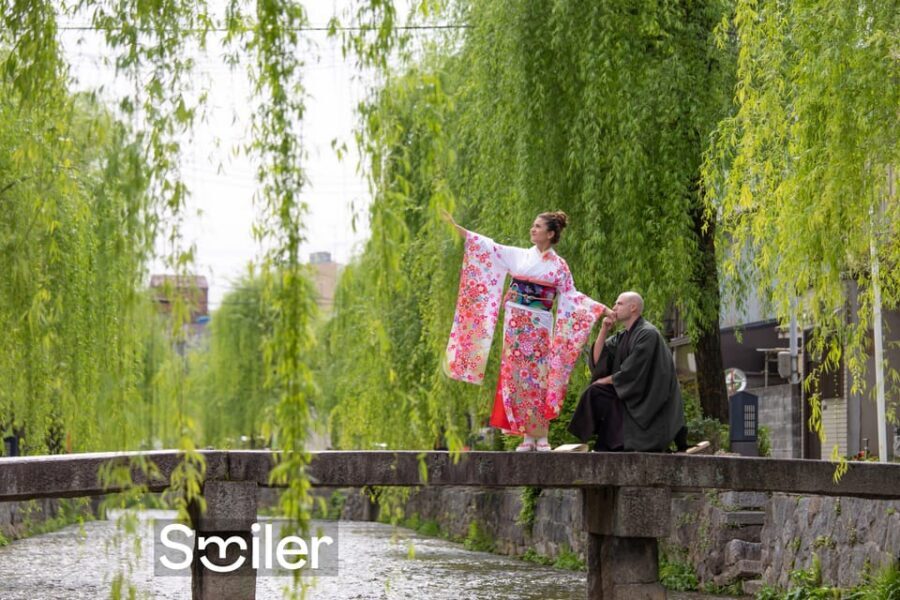
One of the best perks is that you may get time to keep the kimono on after the ceremony to walk around and take photos near the area. A review specifically noted continuing to wear it outside until 18:00 when the venue closes.
That extra window turns the experience from “sit, watch, leave” into “sit, learn, then enjoy the look.” And since your meeting point is in the Nishiki area, you can combine this with nearby sightseeing in a way that still feels special. The kimono makes you slow down, and you’ll notice details you’d otherwise zip past.
My practical advice: plan simple. Don’t add a long trek right after. Save your big walking for later, and use the kimono time for a calmer loop—photos, shops, and snack stops (within reason).
Price and Logistics: is $50.87 worth it?
At $50.87 per person for about 1 hour 30 minutes, you’re paying for multiple included items that individually would cost more on their own: kimono rental and dressing help, hairstyling (simple style), the tea ceremony instruction with a licensed guide, utensils/tools for matcha, and snacks (wagashi and matcha). You’re also paying for organization: someone directs the flow so you don’t have to guess the etiquette.
So the value depends on your goal:
- If you want a guided, low-stress way to experience kimono + matcha + ritual instruction, this price makes sense.
- If you only want a quick tea tasting and you’re not interested in matcha technique or calligraphy, it may feel like too much.
A note on logistics: transportation and hotel pickup/drop-off aren’t included. You meet at Nishiki Orizuruya and return there at the end. Also, there’s a specific requirement to use your smartphone for the voucher page (screenshots or printed tickets aren’t accepted). If that sounds annoying, plan an extra minute to get your phone ready before you leave.
Finally, the experience requires good weather. If it’s canceled due to poor weather, you’ll be offered a different date or a full refund.
Who This Kyoto Kimono Tea Ceremony Is For (and who should rethink it)
This is a strong fit if you:
- Want a cultural activity that teaches you the basics, not just a performance
- Like hands-on learning, especially matcha preparation
- Enjoy dressing up and want help getting it right
- Want a small-group setting instead of a crowd
It might not fit you as well if you:
- Expect an entirely spontaneous, deeply spiritual experience with zero staged feel
- Get irritated by waiting time (dressing and setup take time)
- Want a fully participatory ceremony role where you do everything end-to-end
The best way to set your expectations is to treat it like a guided cultural lesson with a real ritual structure, plus a fun kimono makeover. That mindset makes the whole thing land better.
Should You Book This Nishiki Orizuruya Kimono Tea Ceremony?
If you’re even a little curious about Japanese tea culture, I’d book it. The combo of kimono dressing, hands-on matcha, and the option for calligraphy gives you more than one reason to remember the day. The small-group size helps the experience feel personal, and the included wagashi makes the tasting feel complete.
Just do one expectation check: if you’re hoping to be fully immersed in every minute of the ceremony like you’re the lead participant, go in knowing it’s guided and structured—some of the role is yours, some is instruction-led. If that trade-off sounds fine, you’ll likely walk away delighted, with matcha skills you can actually use again later.
If you want a Kyoto “do this once” cultural experience that doesn’t require you to know the rules ahead of time, this one is a very solid choice.
FAQ
Where is the meeting point for the kimono tea ceremony?
You’ll meet at Nishiki Orizuruya, 452 Jūmonjichō, Nakagyo Ward, Kyoto, 604-8121, Japan. The activity also ends back at the meeting point.
How long is the experience?
The duration is listed as about 1 hour 30 minutes.
How big is the group?
This experience has a maximum group size of 10 travelers.
What’s included in the ticket price?
Included are wagashi and matcha snacks, kimono costume, utensils, hairstyling (simple style), all fees and taxes, and a licensed guide.
Is transportation included?
No. Transportation and hotel pickup/drop-off are not included, so you’ll handle your own way to and from the meeting point.
Do I have to use my smartphone for check-in?
Yes. You need to open the website page from your smartphone (using the link in your voucher). Screenshots or printed tickets will not be accepted.
Can I add calligraphy, and what do I get?
Calligraphy is an optional add-on. You’ll learn the basics and create a calligraphy piece as a souvenir to take home.