REVIEW · TEA CEREMONY EXPERIENCES
Authentic Kyoto Tea Ceremony: Camellia Flower Teahouse
Book on Viator →Operated by Camellia · Bookable on Viator
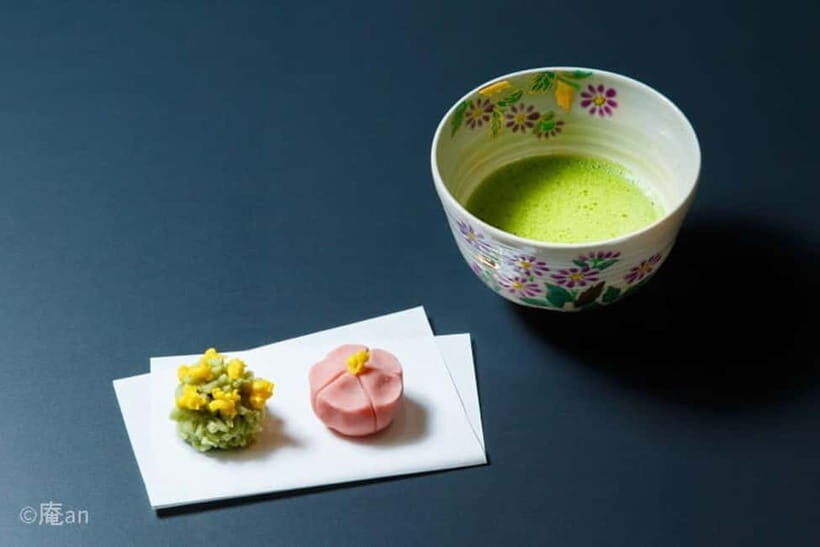
Matcha gets a serious workout in Kyoto. At Camellia Flower Teahouse in Higashiyama, you join a small group for a guided tea ritual where you whisk your own matcha and taste it with a seasonal sweet.
I love the hands-on practice. You are taught the steps and use the tools yourself, not just watch someone perform. I also like the English-forward teaching and the time to ask questions about tea and Japanese culture.
One thing to plan for: this experience is not wheelchair accessible. If you need seating, chairs and tables are available, but many parts of the ritual are still designed around traditional floor etiquette.
In This Review
- Quick reasons to choose Camellia Flower Teahouse
- Where Camellia Tea Ceremony fits into a Kyoto day
- Your 45 minutes of matcha: what actually happens
- Utensils, whisking, and the small steps that matter
- The sweet pairing and why the taste lesson is practical
- English instruction and time to ask questions
- Seating options: floor tradition with a practical backup
- Kimono rental: the extra charge that many people consider worth it
- Photos and timing: how to enjoy without turning it into a photoshoot
- Price and value: is $36.48 for tea making a good deal?
- Who this tea ceremony is best for
- Bottom line: should you book Camellia Flower Teahouse?
- FAQ
- How long is the tea ceremony at Camellia Flower Teahouse?
- What is included in the experience?
- Is kimono rental included?
- Is the tea ceremony wheelchair accessible?
- How many people are in a group?
- Are photos and videos allowed?
- Can children under 6 join?
Quick reasons to choose Camellia Flower Teahouse
- Small groups (max 8) keep the pace calm and the instruction personal
- 45 minutes is the right length for first-timers without feeling rushed
- You get to make your own frothy matcha bowl, not just sample it
- Tea tools are provided (bowl, scoops, whisk), so you show up ready
- Photos and short videos are allowed, which helps you remember the details
- English-speaking instructors from Kyoto tea traditions explain the meaning behind the steps
Where Camellia Tea Ceremony fits into a Kyoto day
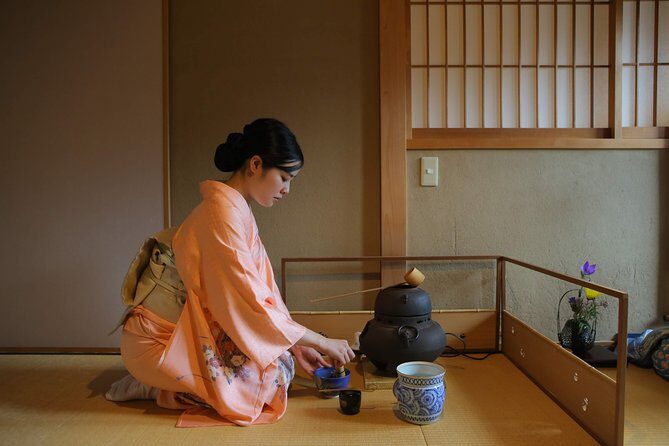
Camellia Flower Teahouse is in Higashiyama Ward, Kyoto, at Tea Ceremony Camellia FLOWER349-13 Masuyachō. The meeting point is easy to reach thanks to its proximity to public transportation, and you walk out right back where you started.
This is a great pause in the middle of a sightseeing day. Kyoto can wear you out fast, and a tea ceremony gives you a focused block of calm where you are doing something, not just passing time.
You should also plan your route around being on time. The ceremony runs at an easy tempo, but it is still a structured ritual, so arriving late can shorten your own practice time.
You can also read our reviews of more tours and experiences in Kyoto.



Your 45 minutes of matcha: what actually happens
The session starts with a welcome that places matcha in context. Your host explains what you are about to do and why it matters, including how room layout and decoration play into the ritual.
Then your instructor walks you through the steps: how to use the utensils, what to pay attention to, and how the process turns into that creamy, frothy bowl. You also get a seasonal sweet alongside your tea, which helps you understand how matcha fits into the broader taste experience of Kyoto.
The best part is the final segment. You practice making your own matcha, so you finish with a skill you can repeat later at home instead of just a memory.
Utensils, whisking, and the small steps that matter
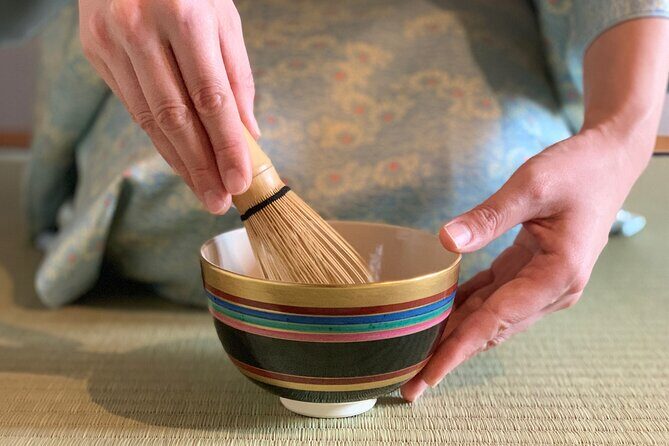
You will be provided with the core tools: a tea bowl, tea scoops, and a whisk. That means you do not have to worry about buying anything in advance or figuring out what to bring.
The instruction focuses on technique. It is not about perfection for a performance. It is about learning the basics of how to whisk matcha properly and how each action fits into the flow of the ceremony.
One useful detail from the overall teaching approach is the emphasis on intention and respect. You are not just making a drink; you are participating in a ritual that includes how you handle the utensils and how you treat the moment.
The sweet pairing and why the taste lesson is practical
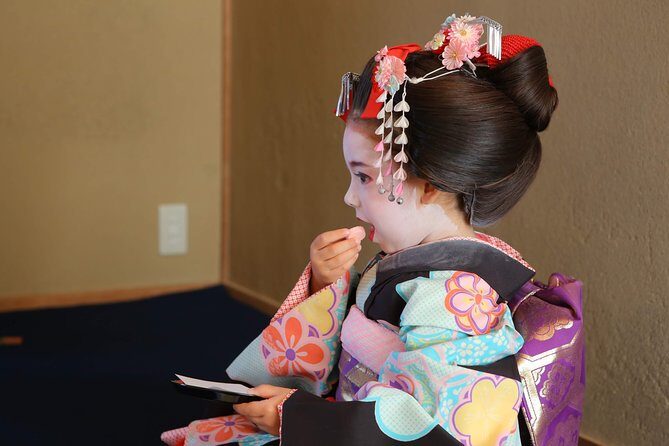
Before you take your final steps, you get a seasonal sweet with your matcha. That pairing helps you notice how matcha can taste different depending on your rhythm, your pace, and the balance you create with the sweet.
The ceremony also gives you a way to describe what you are tasting. When someone explains the purpose behind each part of the ritual, matcha stops being just bitter green powder in a cup and starts becoming a real experience with structure.
If this is your first time with matcha, this setup is especially helpful. You get both a calming cultural moment and a hands-on lesson you can translate later.
English instruction and time to ask questions
This tea ceremony is built for people who want clarity. Instructors speak English fluently, and they encourage questions about Japan, tea ceremony, and the meaning behind the steps.
That matters because tea ceremony can feel mysterious if no one explains what you are doing. Here, you learn the utensils, the order of actions, and why the room matters, so you can connect the physical movements to the cultural ideas.
You do not have to be shy. The format leaves room for chatting with your host, which is a nice change from tours where the guide talks at you and you just nod.




Seating options: floor tradition with a practical backup
The classic setup is floor seating, but Camellia provides chairs and tables if you prefer. This is an important detail for comfort, especially if your legs get cranky after a day of walking.
The ceremony is designed for all ages in general, but there is a firm limit: children under 6 years old cannot join. If you are traveling with little kids, you’ll want to plan ahead so everyone fits the session rules.
Also note the experience is not wheelchair accessible. If mobility needs are a big part of your planning, you will want to choose a different activity that matches your access requirements.
Kimono rental: the extra charge that many people consider worth it
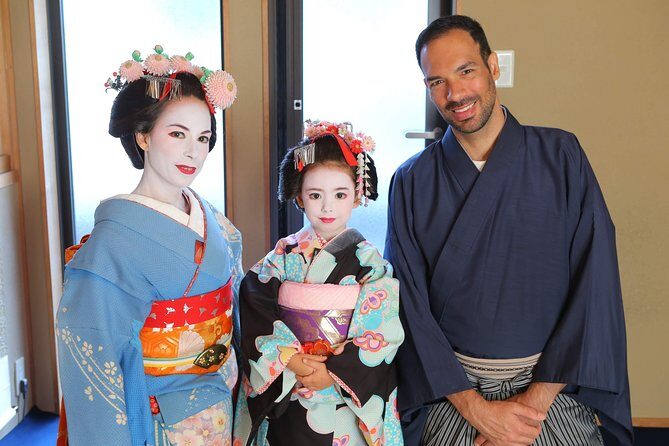
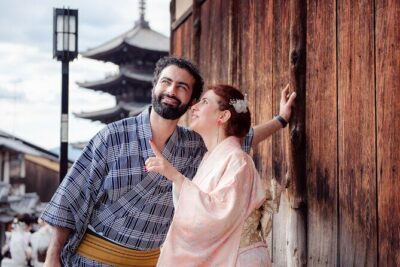
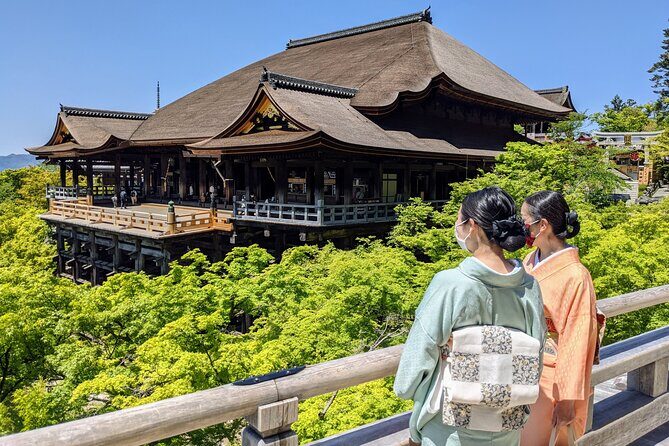
You do not need a kimono to do the ceremony, but kimono rental is available for an additional cost. The listing notes you can request it by message.
If you care about full immersion, you should consider renting. Many people find the kimono adds authenticity and makes the whole ritual feel more special, even when you’re just photographing the moment and learning the technique.
On the other hand, the ceremony still works without it. The real value is that you learn matcha and make your own bowl, not that you are wearing a traditional outfit.
Photos and timing: how to enjoy without turning it into a photoshoot
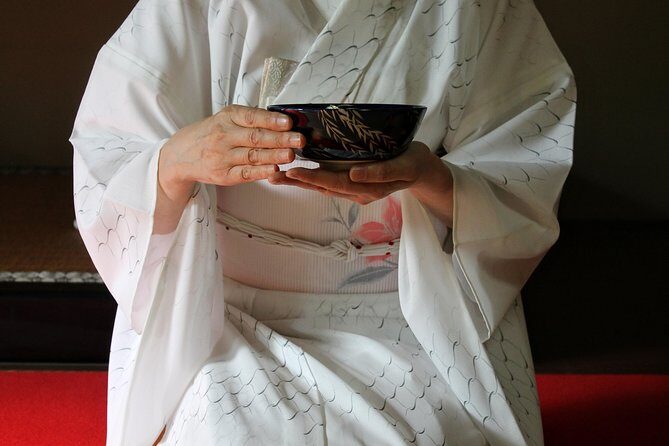
Photos and short videos are permitted, which helps you capture the atmosphere. Just be mindful of the pace and the flow. This is a ritual, so keep your phone use respectful and quick.
Timing is also your friend here. The ceremony runs about 45 minutes, which is long enough to learn and practice, but short enough that it does not take over your entire day. That makes it easy to pair with other Higashiyama stops if you plan the rest of your schedule with buffer time.
Price and value: is $36.48 for tea making a good deal?
At $36.48 per person, you are paying for more than a tasting. You get structured instruction, a seasonal sweet, and the utensils so you can actually make a bowl of frothy matcha yourself.
The group size helps the value too. With a maximum of 8 travelers per group, it is easier for the instructor to guide you, correct basic technique, and keep the experience from becoming a conveyor belt.
One cost to remember: kimono rental is extra if you want it. Also, there are no pickups or drop-offs included, so you will handle getting to the meeting point yourself.
Who this tea ceremony is best for
This is a strong choice if you want a calm, meaningful Kyoto activity that still feels practical. If you love learning how food is made, the hands-on matcha portion is the main event.
It is also a good fit for travelers who appreciate gentle structure. The ceremony includes explanation, quiet steps, and encouragement to ask questions, so you can learn without feeling pressured.
If you need full wheelchair accessibility, or if you are bringing a child under 6, then this likely won’t match your needs. But for most adults and older kids, it is a manageable, engaging experience.
Bottom line: should you book Camellia Flower Teahouse?
I’d book it if you want an authentic Kyoto tea ceremony that you can participate in, not just watch. The small group size, English instruction, and chance to make your own matcha bowl are the big wins for first-timers.
Skip it only if access is an issue or if 45 minutes feels too short for your travel style. Otherwise, this is one of those Kyoto activities that leaves you with a skill, a taste memory, and a calmer mindset for the rest of your trip.
FAQ
How long is the tea ceremony at Camellia Flower Teahouse?
Plan around 45 minutes for the ceremony.
What is included in the experience?
You’ll receive tea bowls, tea scoops, and tea whisks so you can make your own matcha. You’ll also have matcha and a seasonal sweet, plus instruction from an English-speaking instructor.
Is kimono rental included?
No. Kimono rental is not included, but you can request it by message for an additional charge.
Is the tea ceremony wheelchair accessible?
No. The experience is noted as not wheelchair accessible.
How many people are in a group?
There is a maximum of 8 travelers per group.
Are photos and videos allowed?
Yes. Photos and short videos are permitted.
Can children under 6 join?
No. Children under 6 years old cannot join this experience.