REVIEW · FUSHIMI INARI TOURS
Fushimi Inari & Nara Highlights Walking Tour
Book on Viator →Operated by KAMNAVI Tours · Bookable on Viator
One day, two icons, and no map wrestling. This private guided tour strings together the torii-gate chaos of Fushimi Inari-taisha and the big-hits temple and shrine moments in Nara, with a guide doing the navigation so you can focus on the sights. I love having someone explain what I’m looking at while we walk, and I also love the clean, efficient structure: you get the famous highlights without losing half a day figuring out transit. One thing to consider: you’ll still need to budget for extra on-the-ground costs like Todaiji Temple admission and public transport.
If you’re short on time in Kyoto, this kind of day plan matters. You start at Kyoto Station at 9:00am, then head over to Nara for the scale of Todaiji and the lantern-heavy atmosphere at Kasuga Grand Shrine. The tour also leans into photos—especially around the torii tunnel—so it feels like sightseeing with a purpose, not just a checklist. My main heads-up: the experience is weather-dependent, so if conditions are rough, you may be offered a different date or a refund.
In This Review
- Key things to know before you go
- Why this Fushimi Inari + Nara day plan is such good value
- Starting at Kyoto Station at 9:00am (and why that timing helps)
- Fushimi Inari Otabisho: the torii tunnel that never gets old
- Todaiji Keidaicho: “largest wooden building” energy in a walking sequence
- Kasuga Grand Shrine: lanterns, branch shrines, and a different kind of atmosphere
- The Kyoto-to-Nara travel piece: what the day feels like in motion
- Price and value: what $106.10 really buys you
- What you’ll learn (and why it makes the stops feel different)
- Photo strategy for Fushimi Inari and Kasuga (so you don’t waste time)
- Who this tour suits best (and who might want a different plan)
- Final thoughts: should you book this private highlights tour?
- FAQ
- What are the main stops on this tour?
- How long does the tour take?
- Where does the tour start and end?
- Is the tour admission included?
- What extra costs should I expect?
- Is this a private tour?
- Do I need to bring tickets?
- When does the tour start?
- Is the tour dependent on weather?
Key things to know before you go
- A private group: only your group participates, so the pace and stops can feel more personal.
- Skip the map stress: your guide navigates you between Fushimi Inari and Nara.
- Fushimi Inari’s torii tunnel: thousands of vermilion torii gates make for instant, cinematic photos.
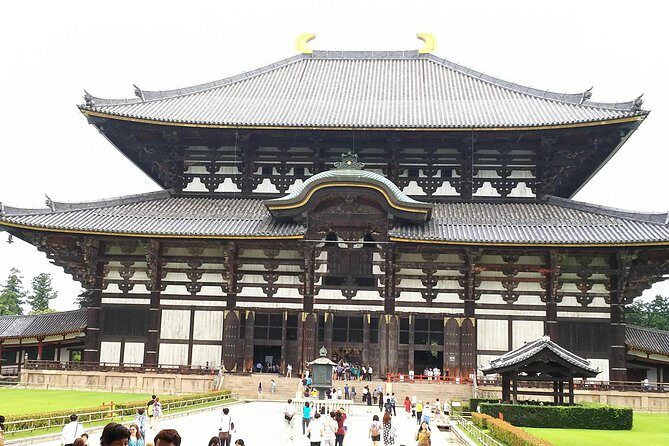
- Todai-ji scale at a glance: you’ll see the reputation of this ancient site tied to its huge wooden building.
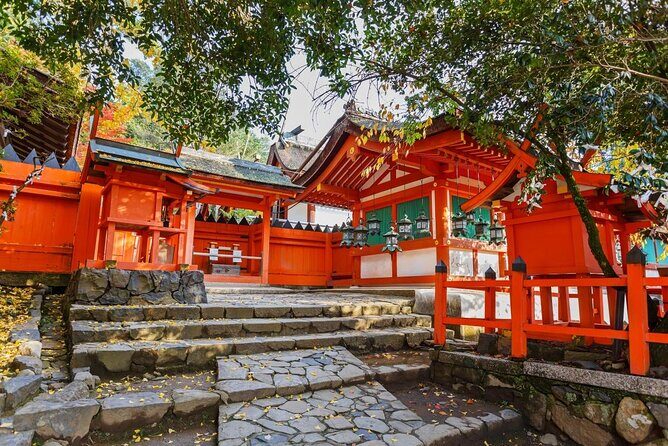
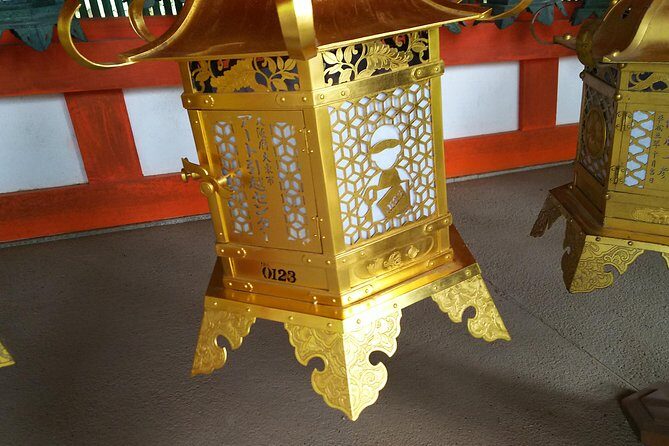
- Kasuga Grand Shrine lanterns: more than 3,000 lanterns and a shrine complex built about 1,300 years ago.
- Fast Kyoto-to-Nara logistics: the day is built around a train hop from Kyoto to Nara (reviews note about an hour).
Why this Fushimi Inari + Nara day plan is such good value
I like tours that respect your limited time. This one is built for that reality: you tick off Fushimi Inari-taisha in Kyoto and then hit major Nara landmarks in a single ~6-hour outing. Instead of bouncing around alone, you get a guide to keep you moving and to translate what you’re seeing into something you can actually remember.
The value isn’t just convenience, either. The tour’s stops are arranged to give you a sense of Japan’s layers—religious architecture, shrine culture, and historic scale. At Fushimi Inari, it’s all about the famous torii pathway. In Nara, it shifts to massive temple architecture at Todaiji and then to Kasuga’s lantern world, which feels completely different in mood.
One more practical plus: admission at two of the three listed stops is free (Fushimi Inari and Kasuga Grand Shrine). That helps keep your total cost from climbing too fast—assuming you come ready for the Todaiji admission and transit.
You can also read our reviews of more walking tours in Kyoto

Starting at Kyoto Station at 9:00am (and why that timing helps)
Meeting at Kyoto Station at 9:00am is a smart choice if you want the day to feel smooth. Kyoto Station is easy to orient yourself around, and it also makes the handoff to Nara feel natural. It’s not a tour that asks you to meet somewhere obscure and then race to catch the day’s flow.
This is also the kind of timing that helps with crowd management. Fushimi Inari is famously busy, and starting earlier gives you more breathing room for photos and slower looking. Once you leave Kyoto for Nara, the day keeps moving with structured stop times, so you don’t lose your momentum.
A small note on pace: you’ll have about 1 hour at each major stop listed (Fushimi Inari Otabisho, Todaiji Keidaicho, Kasuga Grand Shrine). That’s usually long enough to see what matters and get photos, but not so long that you feel stuck. If you want deep, slow wandering at every corner, you may find yourself wishing for more time at the biggest sites.
Fushimi Inari Otabisho: the torii tunnel that never gets old
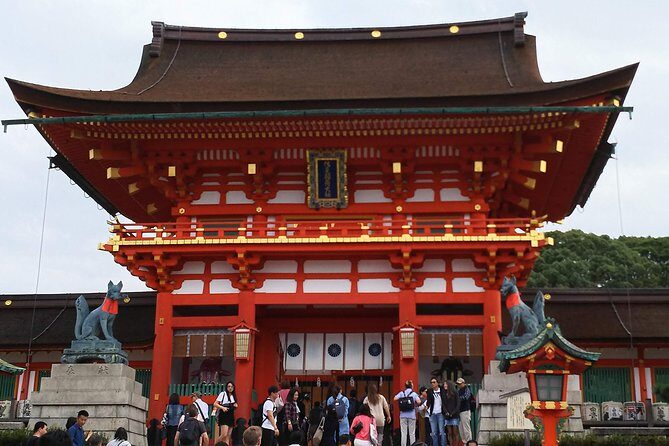
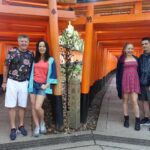
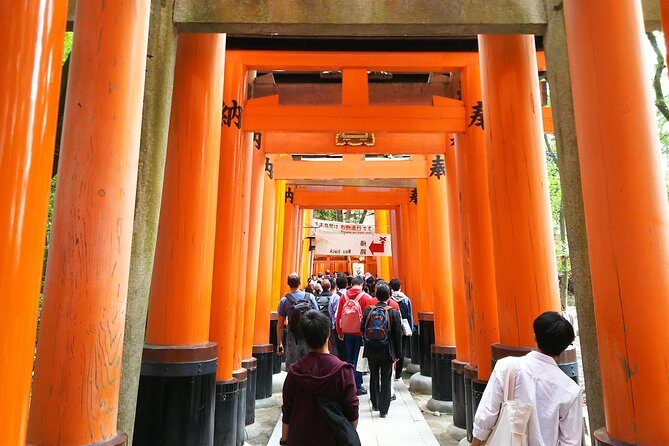
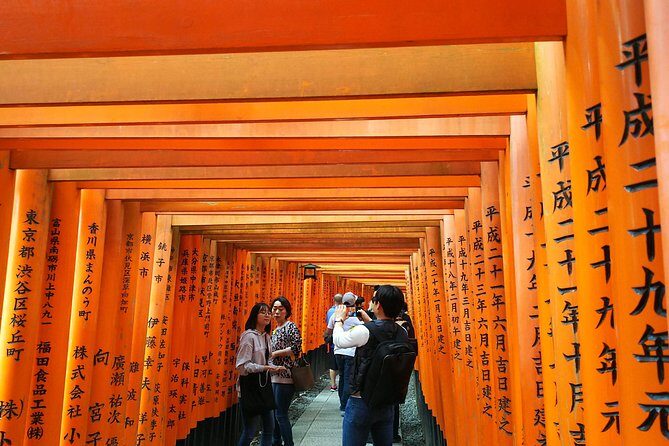
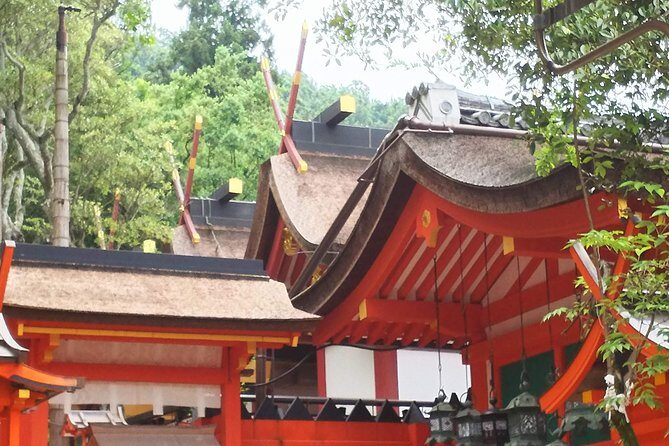
Stop one is Fushimi Inari Taisha Otabisho, the part of the shrine world-famous for the vermilion torii gates. The big visual here is the tunnel effect—thousands of gates creating a corridor of color that you walk through. Even if you’ve seen pictures, the scale hits differently in person. You feel the rhythm of each gate as you move forward, and photos come out dramatic even with ordinary camera settings.
What I like about this stop is that it’s not just a photo pose. Your guide can help you connect the gates to the shrine’s worship culture—like the fact that these torii gates were donated by worshippers as expressions of appreciation for good fortune they received. That makes the whole tunnel feel less like scenery and more like a living tradition you’re walking through.
What to expect
You’ll spend about 1 hour here, which means you can enjoy the main torii corridor and still have time to pause for shots. You’ll also likely get some guidance on where to stand for photos so you don’t end up blocked by foot traffic.
A realistic drawback
If you’re the kind of traveler who wants to hike far up every path at Fushimi Inari, one hour may feel brief. This tour is highlights-focused, so you’re getting the iconic experience rather than the long-route exploration.
Todaiji Keidaicho: “largest wooden building” energy in a walking sequence
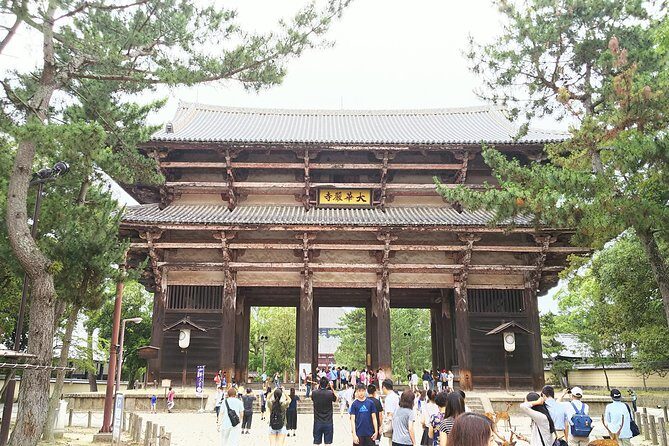
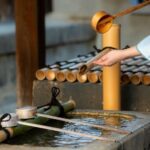
Next is Todaiji Keidaicho in Nara, an ancient temple known for what is claimed as the largest wooden building in the world. The wow-factor here isn’t just the building itself—it’s the way you approach the interior. As you move in, the corridor setup creates a quick feeling of scale. Then, before heading deeper, you cleanse your hands and mouth at a purifying trough, which grounds the visit in the ritual sequence rather than making it a pure sightseeing stop.
I like how that cleansing moment changes the tone. It’s not complicated, but it signals that you’re entering a sacred space with specific etiquette. If you’re new to Japanese shrine and temple customs, this is a helpful introduction without making you feel lost.
Admission is not included
One practical detail: Todaiji Temple admission (¥800 per person) is not included, so you’ll need to plan for that extra cash/credit at the site. The tour’s structure still makes it easy to handle—you won’t be stuck guessing about where tickets fit into the day.
What to watch for
Todaiji can be crowded, and the corridor feeling is popular for photos. Keep your expectations realistic: the goal is to experience the scale and key areas, not to have the entire complex to yourself for an hour.
Kasuga Grand Shrine: lanterns, branch shrines, and a different kind of atmosphere
Your final listed stop is Kasuga Grand Shrine, and this is where the color palette shifts again. Kasuga’s draw is historical and visual: it’s a shrine complex built around 1,300 years ago and associated with about 1,000 branch shrines across Japan. Then there’s the feature you’ll remember immediately—more than 3,000 lanterns in its precincts, described as the largest in Japan.
If Fushimi Inari is movement and repetition (gate after gate), Kasuga is texture and light. The lanterns and the shrine setting create a mood that feels calm and ceremonial. Even if you’re not someone who reads every sign, your guide can help you grasp why the lanterns matter and how the shrine network fits into Japanese religious geography.
Admission is free
Kasuga Grand Shrine is listed as free for this stop, which makes it a nice “value win” at the end of the day. You get a major atmosphere stop without extra gate fees.
Photo-friendly, but mind the flow
This is a great spot for photos, especially if you want images that feel less like crowds and more like tradition. Still, like most major shrines, it’s a place where you’ll want to respect moving lines and avoid blocking others while you frame shots.




The Kyoto-to-Nara travel piece: what the day feels like in motion
This tour is built for one-day efficiency. You start in Kyoto at Kyoto Station, then head to Nara. Reviews you’ll find about similar itineraries tend to mention the train trip taking about an hour, and this tour is clearly timed to fit that kind of transfer. That’s one reason the day works: you’re not spending the entire time commuting.
You’ll also have two cost layers to remember during planning:
- Public transportation fare (¥1,380 per person) is not included.
- Todaiji admission (¥800 per person) is not included.
Even though the base price sounds like a “one number and done” deal, this tour clearly splits costs into guide + selected admissions + transit. For budgeting, I’d treat it like this: the tour price pays for a guided structure and your time savings; your on-site and transit costs are your responsibility.
How this affects your experience
When you go with transit figured out, you can spend your energy on what you came for: the torii tunnel, the Todaiji scale moment, and Kasuga’s lantern precinct. If you were doing it solo, a big portion of your energy would go toward figuring out routes, ticketing, and what to do first.
Price and value: what $106.10 really buys you
The listed price is $106.10 per person. That covers the guide fare (and the tour uses a mobile ticket). It also mentions group discounts, which can matter if you’re traveling with friends and want to lower the per-person cost.
Is it worth it? In my view, it depends on what you value:
- If you want the day to feel efficient and readable, paying for a guide is a win. You’re covering two big destinations and major walking stops.
- If you love planning and don’t mind figuring things out, you could build a cheaper DIY route. But you’d trade away the guidance and the smooth pacing this tour gives you.
The “gotcha” with value is always the extra costs. This tour makes those costs clear enough to plan around:
- Transit is ¥1,380 extra per person.
- Todaiji admission is ¥800 extra per person.
- Meals aren’t included.
So, the true all-in cost is the base tour price plus transit plus Todaiji admission (plus whatever you spend on food). Even with those add-ons, the guided structure and the time you save from navigation can still make it a strong deal—especially if you’re only in the area for a short window.
What you’ll learn (and why it makes the stops feel different)
The best part of guided shrine and temple tours is the difference between seeing something and understanding it. This tour is positioned around history and architecture, and you can feel that in how the stops are framed.
At Fushimi Inari, the guide helps you connect what you’re walking through (the torii corridor) with why it exists (donations tied to gratitude and good fortune). At Todaiji, you’re not just staring up at scale—you’re experiencing the interior approach and the ritual cleansing step, which makes the architecture feel intentional. Then at Kasuga Grand Shrine, the lantern density and the idea of branch shrines help you understand the shrine as a network, not just a single location.
I also like that the guide helps you avoid the common travel problem: you spend time scanning maps instead of looking at the places. Here, you’re more likely to remember what you saw, not just that you visited.
Photo strategy for Fushimi Inari and Kasuga (so you don’t waste time)
You’ll see lots of photo opportunities, and the tour is geared to support them. Here’s how to think about it without overcomplicating things:
- At Fushimi Inari, the torii tunnel gives you instant photo compositions. Move a little, look for a clean line of gates, then pause. A guide helps you time your walking so you aren’t always stuck behind changing crowds.
- At Kasuga Grand Shrine, focus on lantern textures and the shrine setting. Take a few steady shots, then step back to get wider context before the crowd flow shifts.
The biggest tip I can give you: don’t try to do every possible photo. Pick the two or three that best match what you came for (torii tunnel, Todaiji scale moment, lantern precinct vibe). This tour’s timing supports a “high-quality set” approach.
Who this tour suits best (and who might want a different plan)
This is a great match if:
- You have limited time in Japan and both Kyoto and Nara are on your list.
- You want to reduce navigation stress and have a guide handle route flow.
- You like structured highlights: iconic shrine, major temple, and a classic shrine finale.
It may not fit you as well if:
- You want a long, slow hike up into deeper parts of Fushimi Inari.
- You’re looking for extra flexibility to spend half a day at one site.
- You have strong food constraints or want control over meal timing (since meals aren’t included).
Final thoughts: should you book this private highlights tour?
If your wish list is mostly Fushimi Inari + Nara highlights, this tour is a smart way to get there with less friction. The private setup, the guide-led navigation, and the focused stops make it especially good for first-timers who don’t want to spend vacation time studying maps.
Book it if you want a day that feels efficient but still meaningful—torii tunnel photos, the scale moment at Todaiji, and the lantern atmosphere at Kasuga. Skip it (or consider a longer stay) if you want deep exploration at Fushimi Inari or you’d rather build a DIY itinerary without paying for guidance.
If you’re on the fence, a simple check helps: can you handle paying transit plus Todaiji admission on top of the tour price? If yes, the value equation is much easier.
FAQ
What are the main stops on this tour?
You’ll visit Fushimi Inari Taisha Otabisho, Todaiji Keidaicho, and Kasuga Grand Shrine.
How long does the tour take?
The duration is listed as about 6 hours.
Where does the tour start and end?
It starts at Kyoto Station and ends at Nara Station.
Is the tour admission included?
Fushimi Inari and Kasuga Grand Shrine are listed as free for admission, but Todaiji Temple admission is not included.
What extra costs should I expect?
Public transportation fare is listed as ¥1,380 per person, and Todaiji admission is listed as ¥800 per person. Meals are not included.
Is this a private tour?
Yes. It’s a private tour/activity, and only your group participates.
Do I need to bring tickets?
The tour uses a mobile ticket.
When does the tour start?
The start time is 9:00am.
Is the tour dependent on weather?
Yes. The experience requires good weather, and if it’s canceled due to poor weather, you’ll be offered a different date or a full refund.