REVIEW · KYOTO
Sacred Temple Yoga Experience in Japan
Book on Viator →Operated by nana · Bookable on Viator
Temple yoga beats the usual busy tours. In Kyoto, you step into a quiet sacred space that makes your brain slow down, then you reset with Vinyasa Flow and a calmer Relax Yoga session. I also like the social twist: this class is designed as a bridge between overseas visitors and Japanese people who want to practice English, so conversations feel natural instead of forced.
One thing to consider: if you’re chasing a sweaty, long-duration workout, a roughly 3-hour format with a strong focus on calm may feel more restorative than intense.
In This Review
- Key things to look forward to
- Temple yoga in Kyoto: why this setting changes your mood
- Meeting point and the easy logistics you’ll appreciate
- Your class leader: nana, plus a welcoming teaching vibe
- The first session: Vinyasa Flow that actually fits beginners
- The second session: Relax Yoga for that post-travel exhale
- English-friendly culture chat: how the language exchange works
- After yoga: gathering for lunch or dinner with organic food
- Price and value: what $56.76 buys you in real terms
- Who this is best for (and who might want a different plan)
- Practical tips to make your session smoother
- Should you book Sacred Temple Yoga in Kyoto?
- FAQ
- Where does Sacred Temple Yoga in Japan start?
- What time does the yoga session start?
- How long is the experience?
- What kinds of yoga are included?
- Is the class friendly for beginners?
- Is it suitable for solo travelers?
- How big is the group?
- Do I need a paper ticket?
- Is there a donation connected to the temple?
- What happens after yoga?
Key things to look forward to
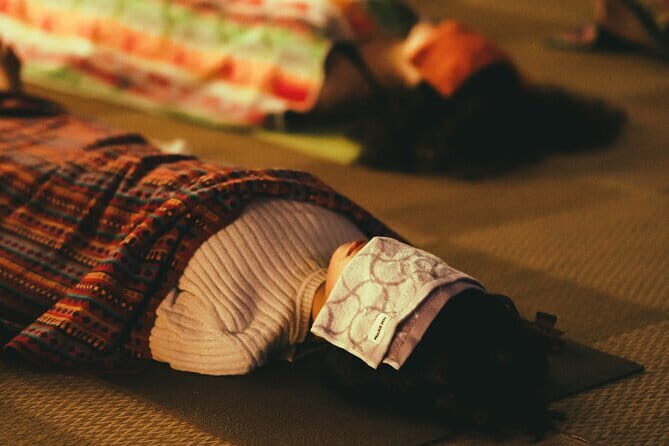
- A small group (max 10) keeps the vibe personal and makes it easier to chat.
- Two distinct classes: Vinyasa Flow first, then Relax Yoga to bring everything down.
- English + yoga beginner friendly so you’re not stuck translating your way through poses.
- Temple-support donation: part of the fee goes to help preserve the temple.
- Organic food after yoga via an arranged restaurant option for real post-class fuel.
- Local conversation time with Japanese cultural principles woven into the session.
Temple yoga in Kyoto: why this setting changes your mood
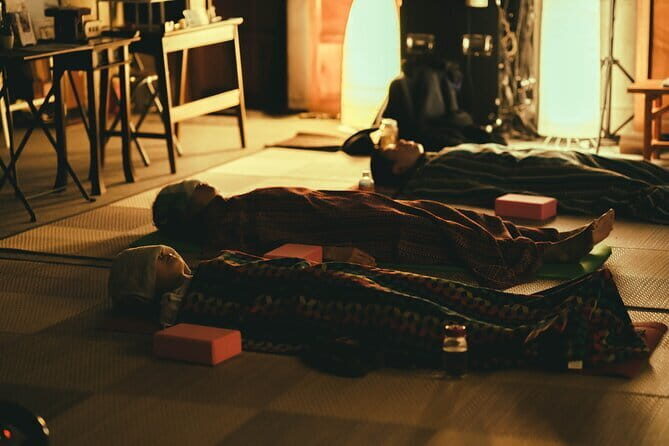
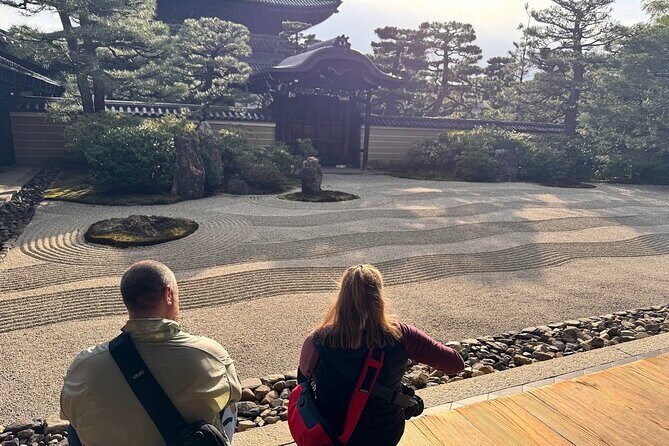
Kyoto temples and shrines have a way of making the day feel quieter, even when you’re standing in a city that never really stops. You’re not just doing stretches in a different room—you’re practicing in a sacred atmosphere where the pace naturally slows. That matters, because travel fatigue is often mental, not just physical.
The format gives you structure without overdoing it. First you move, then you soften. By the time Relax Yoga starts, it feels less like switching activities and more like moving from waking up into winding down.
The other big draw is the human element. You get a class that’s built for connection: overseas guests meet Japanese people, and language exchange happens through real conversation. That turns your time here into something more memorable than a solo sightseeing stop.
You can also read our reviews of more tours and experiences in Kyoto.

Meeting point and the easy logistics you’ll appreciate
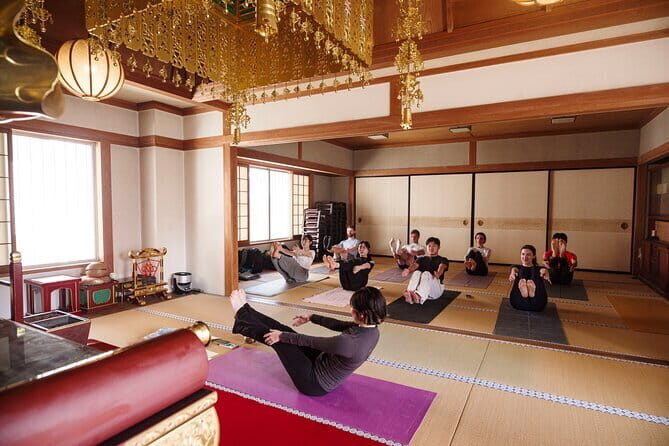
Your start point is 316 Rokkakuaburanokōjichō, Nakagyo Ward, Kyoto, and the session begins at 10:30 am. It runs about 3 hours and ends back at the meeting point, which is helpful on a day when you also want to eat, walk, or visit a shrine nearby.
This activity uses a mobile ticket, so you don’t need to hunt for paper vouchers mid-day. It’s also near public transportation, which is a practical win in Kyoto where traffic and walking distances can surprise you.
Max group size is capped at 10, so you should expect a calmer pace than big group tours. If you’re the type who likes asking questions without feeling like you’re holding up a crowd, that small number is your friend.
Your class leader: nana, plus a welcoming teaching vibe
The experience is provided by nana. In the feedback, people describe the sessions as warm and welcoming, and you may also see other instructor names like Nanami and Hiyori mentioned as part of the supportive, friendly atmosphere.
Here’s why that matters for you: a temple setting can feel intimidating if you’re unsure what to do. A good guide keeps expectations clear, helps with beginners, and makes sure you feel comfortable enough to participate fully—even if your Japanese is limited.
This kind of setup also supports the cultural-chat goal. You’re more likely to relax and talk when the teaching tone feels kind, not performative.
The first session: Vinyasa Flow that actually fits beginners
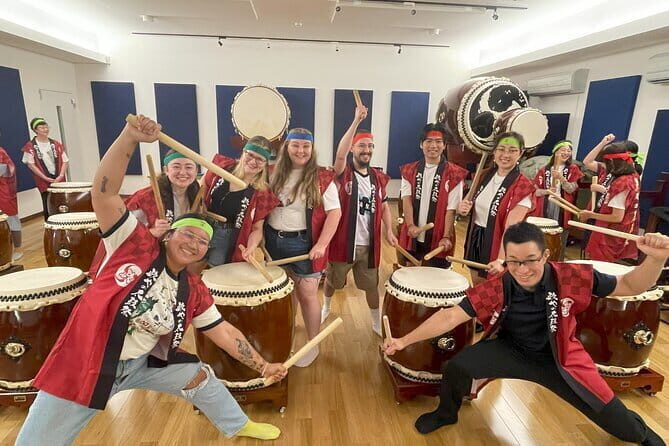
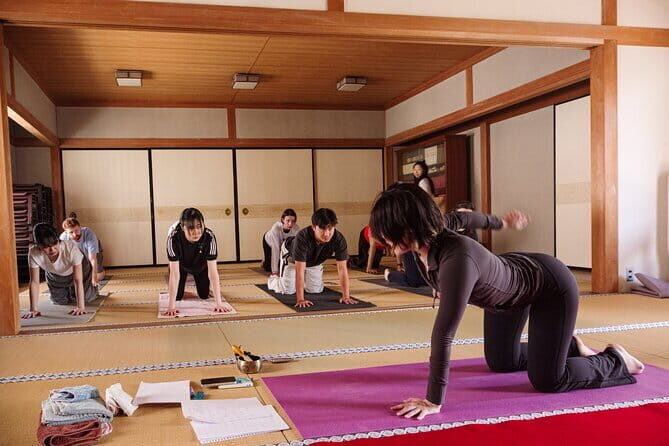
The class starts with Vinyasa Flow. “Flow” can mean different things in different places, but the emphasis here is on making the movement approachable. You’ll want to pay attention to how the instructor guides timing and transitions, because that’s where beginners usually struggle: not with the poses themselves, but with sequencing.
What I like about doing Vinyasa first in a temple setting is that it gives your body a reason to wake up. After a morning of walking around Kyoto, your hips and shoulders tend to feel tight. A moving sequence helps loosen you without requiring gym-level fitness.
If you’re new to yoga, treat this first class like your warm-up plus your learning moment. Focus on doing what feels safe and comfortable rather than matching someone else’s depth. You’ll likely get cues that help you adjust, and the overall atmosphere should encourage participation even if you’re unsure.
A practical note: because it’s Vinyasa, expect some standing transitions and basic flow patterns. If you have very limited mobility or injuries, the safest approach is to tell the instructor early so they can suggest gentler options.
The second session: Relax Yoga for that post-travel exhale
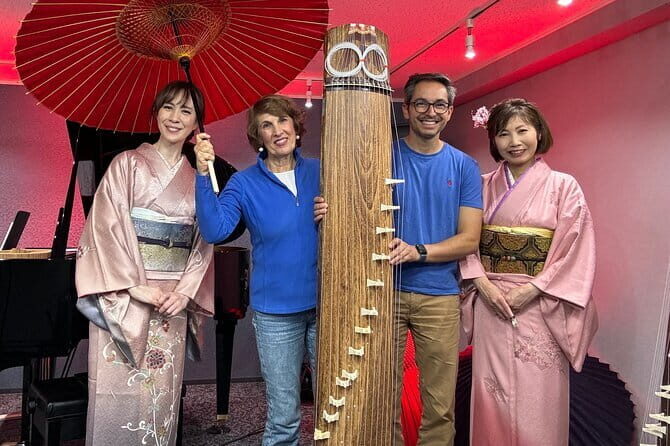
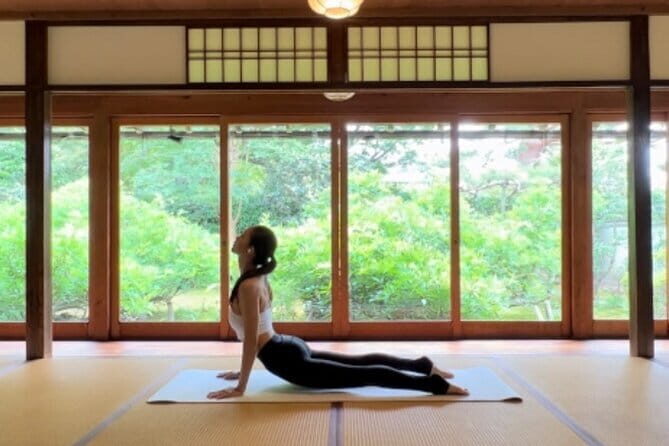
After Vinyasa, you move into Relax Yoga. This is where the temple setting becomes extra powerful. When your practice shifts from effort to ease, your mind follows. You start paying attention to breath and alignment in a quieter way, and that’s when the “reset” feeling becomes real.
In the feedback, people repeatedly mention how relaxing and serene the experience feels. That tracks with the structure: the second half is meant to help you come back to the present moment, not just to “finish a workout.”
Relax Yoga is also a great choice if you’re traveling solo. You get a chance to be in your own body without the pressure of talking all the time. Even in a small group, the tone should help you settle.
If you’re coming off jet lag or a packed itinerary, this second session can be the difference between a calm day and another day where you only feel tired. This is the part that helps you carry the experience back into the rest of your Kyoto plans.
English-friendly culture chat: how the language exchange works
One of the coolest things about this session is that it’s explicitly set up for conversation. Overseas guests and Japanese participants come together so you can practice speaking English, and the teacher also shares Japanese principles during the class.
What that looks like in real life is less like a formal language lesson and more like short, friendly exchanges. You might chat during pauses, after poses, or while you connect as a group. Because it’s anchored around a shared activity, the conversation feels easier than striking up small talk in a crowded street.
If you’ve ever tried to “learn culture” by reading alone, you’ll appreciate this method. The cultural pieces land better when they’re tied to a sensory experience—breath, movement, silence, and the calm rhythm of a temple space.
There’s also a practical upside: you can ask for local recommendations. People tend to bond quickly over simple topics like what they’ve seen, what they plan to do next, and which neighborhood foods to try.
After yoga: gathering for lunch or dinner with organic food
The experience doesn’t end when you finish stretching. After yoga, you have time to relax and connect with others. The plan is to gather for lunch or dinner, and the provider arranges an organic restaurant with high-quality organic food for post-yoga nourishment.
This is smart for value. Lots of “activity + sightseeing” days leave you hungry and scrambling for a place to eat. Here, the social portion keeps you grounded, and the meal is positioned as part of recovery, not an afterthought.
You can also use this time to swap travel stories—where you’ve been in Japan, local recommendations, and what your next days look like. Several people highlight the group connection as a highlight, including meeting friendly classmates and then enjoying a casual meal afterward.
If you like your travel days balanced—movement, calm, and good food—this post-class piece is a big reason to book.
Price and value: what $56.76 buys you in real terms
At $56.76 per person for about 3 hours, the price may look like “just a yoga class” at first glance. But the value is stronger when you consider what’s included and why it costs what it costs.
You’re paying for:
- a guided session in a sacred temple setting
- instruction in two styles (Vinyasa then Relax Yoga)
- English-friendly support for both yoga and language levels
- a small group limit (max 10)
- cultural conversation and Japanese principles during the session
- and a portion of the fee donated to help preserve the temple
That temple-preservation detail is not just a feel-good line. It changes the nature of the visit from consumption to support. Even if you’re only here for a short stay in Kyoto, that’s the kind of choice that makes your visit feel more respectful.
One more value angle: you’re also buying time and ease. You get a structured experience with an optional organic meal arranged for you, which saves you mental effort during travel.
If your budget is tight, the main question is whether you’ll actually use the experience features—especially the relaxed yoga, the local conversation, and the after-yoga meal time. If those are your priorities, it’s good value.
Who this is best for (and who might want a different plan)
This experience fits best if you want something quieter and more human than typical sightseeing. You’ll enjoy it if you like:
- temples, shrines, and calm mornings
- beginner-friendly yoga with guidance
- meeting new people from different countries
- language exchange that happens naturally
- a recovery-minded pace after a day of walking
It’s also great for solo travelers. Several notes point out that solo participation is welcome, and the small group size makes it easier to feel included rather than isolated.
Yoga beginners should feel comfortable because the session is explicitly open to beginners. English beginners are also welcome, which is a big deal. You won’t be penalized for not speaking smoothly. You’ll likely be able to participate through simple conversation, body language, and the flow of the class.
What might not fit as well:
- very advanced yogis looking for a hard, technical practice
- people who want a highly choreographed, performance-style class with lots of specific pose names
- anyone expecting a long full-day temple tour packed with stops
Practical tips to make your session smoother
Come in with the right mindset: this is less about checking off poses and more about resetting. Wear comfortable clothing you can move in easily. Plan to keep things simple and breathable, because the temple atmosphere encourages you to slow down.
Also, treat the conversation component like part of the yoga. If you’re shy, start with small topics: where you’re from, what you plan to see after, and one question about Japanese culture. The structure of the day should help you find easy openings.
If you’re new to yoga, focus on listening to your body first. The best “progress” in a beginner-friendly class is learning how to adjust safely while staying present.
Finally, think ahead about food. Because there’s an organized organic meal option afterward, you’ll be happier if you don’t over-schedule the next plan right after the session ends.
Should you book Sacred Temple Yoga in Kyoto?
If you want a temple experience that feels calm, personal, and socially warm, I’d say yes. This is the kind of activity that helps your Kyoto day feel less rushed: you move, you relax, you connect with people, and you get nourishment afterward without scrambling.
Book it especially if you’re:
- a yoga beginner or want a restorative pace
- traveling solo and want an easy way to meet others
- interested in Japanese culture beyond photos
- hoping for a small group instead of a large tour crowd
Skip it if you’re looking for intense exercise or a long, multi-stop sightseeing itinerary. But if you want a gentle reset inside a sacred setting—with friendly guidance from nana—this is a strong match.
FAQ
Where does Sacred Temple Yoga in Japan start?
The meeting point is 316 Rokkakuaburanokōjichō, Nakagyo Ward, Kyoto, 604-8245, Japan.
What time does the yoga session start?
The start time is 10:30 am.
How long is the experience?
It lasts about 3 hours.
What kinds of yoga are included?
The session includes Vinyasa Flow first, followed by Relax Yoga.
Is the class friendly for beginners?
Yes. English beginners and yoga beginners are welcome.
Is it suitable for solo travelers?
Yes. Solo participants are welcome.
How big is the group?
There is a maximum of 10 travelers.
Do I need a paper ticket?
No. It uses a mobile ticket.
Is there a donation connected to the temple?
Yes. A portion of the fee is donated to the temple to support its preservation.
What happens after yoga?
You can gather for lunch or dinner, relax, and connect with others. An organic restaurant with high-quality organic food is arranged for post-yoga nourishment.