REVIEW · TEA CEREMONY EXPERIENCES
Kyoto: Make Zen Garden and Taste Matcha in Pottery Shop
Book on GetYourGuide →Operated by Ninshu · Bookable on GetYourGuide
Zen, matcha, and pottery in half an hour. This short Kyoto experience lets you create a Karesansui Zen garden in a renovated 100-year-old townhouse, then enjoy Kyoto-style tea and sweets right in front of what you made.
I love the pairing of hands-on craft with a classic Kyoto food moment: Ippodo matcha plus seasonal wagashi from Senbon Tamajushuken. I also like that the activity is small (up to 8 people), and it’s set inside a pottery shop where you can browse and buy traditional pieces afterward.
One thing to consider: instruction is intentionally light, so if you want strict step-by-step guidance, you might finish quickly and rely on your own creativity to shape the final look.
In This Review
- Key takeaways
- A 30-minute Zen Garden Craft in Ninshu’s Machiya-Style Shop (Max 8)
- Where You Meet: Teramachi-dori Near Ippodo and Kyoto Imperial Palace Park
- Making a Karesansui Zen Garden You Can Actually Rake and Decorate
- Matcha from Ippodo and Seasonal Wagashi from Senbon Tamajushuken
- Pottery Shopping: Dishwasher- and Microwave-Safe Souvenirs
- How to Fit This Into Your Kyoto Day (Without Rushing)
- Price and Value: Is $12 Worth It?
- Who This Experience Fits Best (and Who Might Want Something Else)
- Should You Book? My Practical Take
- FAQ
- How long is the experience?
- How much does it cost?
- What exactly do you do during the activity?
- What do you drink and eat?
- Can I buy pottery at the shop?
- How big is the group?
- Where is the meeting point?
- Is there free cancellation?
- Can I reserve now and pay later?
Key takeaways
- You make a Zen garden (not just view one) in a small garden space behind the pottery shop
- Ippodo matcha is served in the garden area, paired with seasonal wagashi
- Karesansui is hands-on: you’ll rake and decorate the sand as part of the experience
- Pottery shopping is practical: traditional pieces are described as dishwasher- and microwave-safe
- Small group size (limited to 8) keeps the vibe calm and personal
A 30-minute Zen Garden Craft in Ninshu’s Machiya-Style Shop (Max 8)
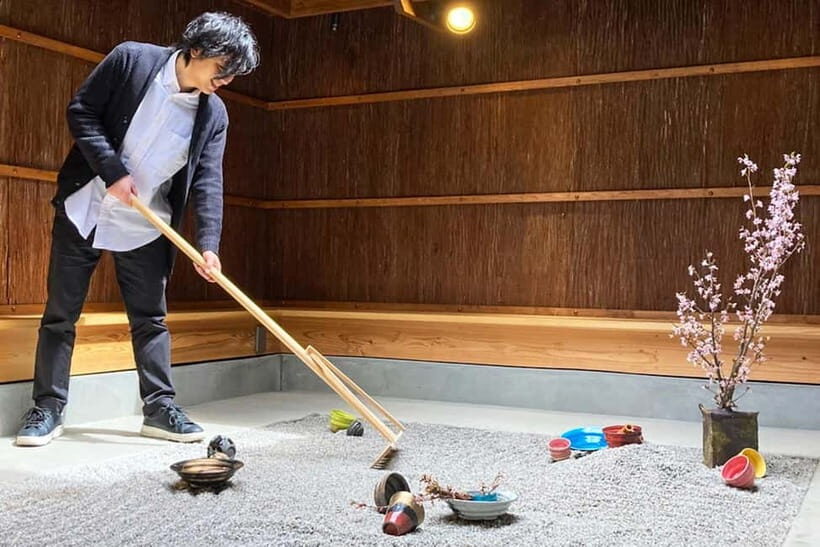
This experience is built for people who want something more personal than a museum ticket, but still quick enough to fit into a busy Kyoto day. You’re not just learning about Zen gardens—you’re making one in a sand-and-temple style Karesansui setup. And because it happens in a compact shop space, it feels like Kyoto culture in a small room, not a long, complicated tour.
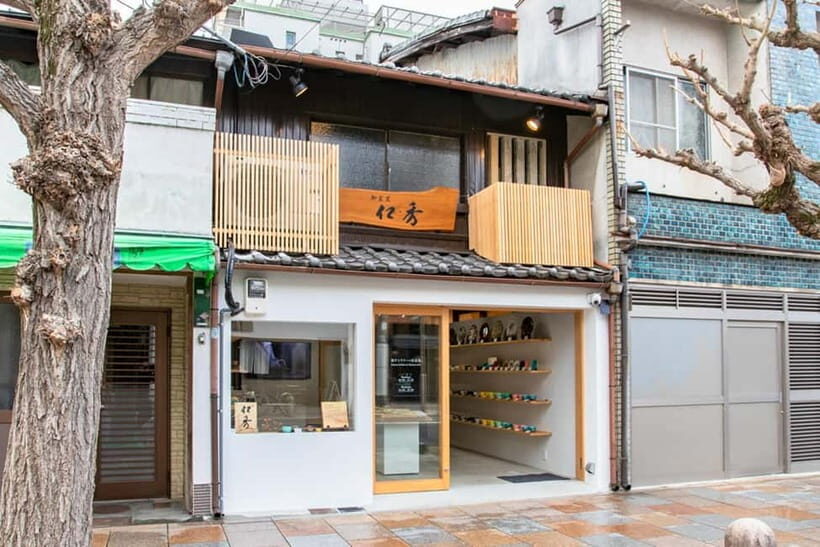
The setting matters. The Zen garden is created in the garden of Ninshu, a renovated 100-year-old Kyoto townhouse. That old-house feel helps the activity land in the right mood. You can take your time, but you’re also not stuck for hours. The total duration is 30 minutes, and the group stays small (up to 8 participants).
I like that it’s not trying to turn you into an expert. Instead, you’re guided toward making something you can look at and photograph, then you get to switch gears to taste Kyoto with your hands still fresh from the sand. It’s a calm rhythm: create, pause, sip, and snack.
You can also read our reviews of more tours and experiences in Kyoto.


Where You Meet: Teramachi-dori Near Ippodo and Kyoto Imperial Palace Park
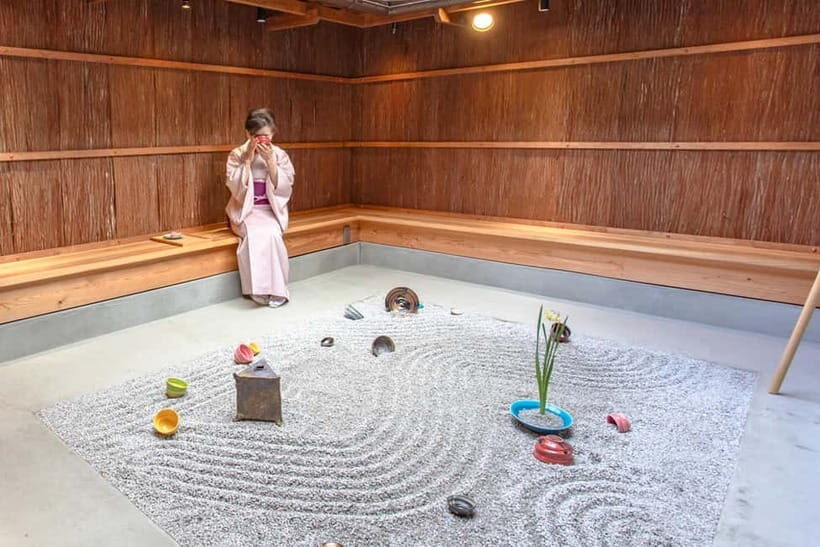
Meeting point is simple and central. You meet 2 minutes walk north from Ippodo, and about 100 meters south from Kyoto Imperial Palace Park along Teramachi Dori.
The location is also close to multiple transit options:
- 11 minutes on foot from Kyoto Shiyakusho-mae Station (Tozai Line)
- 9 minutes on foot from Jingu-marutamachi Station (Keihan Main Line)
- Coordinates: 35.0157879, 135.7673992
Practical tip: this area is walkable and shop-heavy. If you’re coming from nearby attractions, plan to arrive a few minutes early so you can slow down and find the pottery shop without rushing.
Making a Karesansui Zen Garden You Can Actually Rake and Decorate
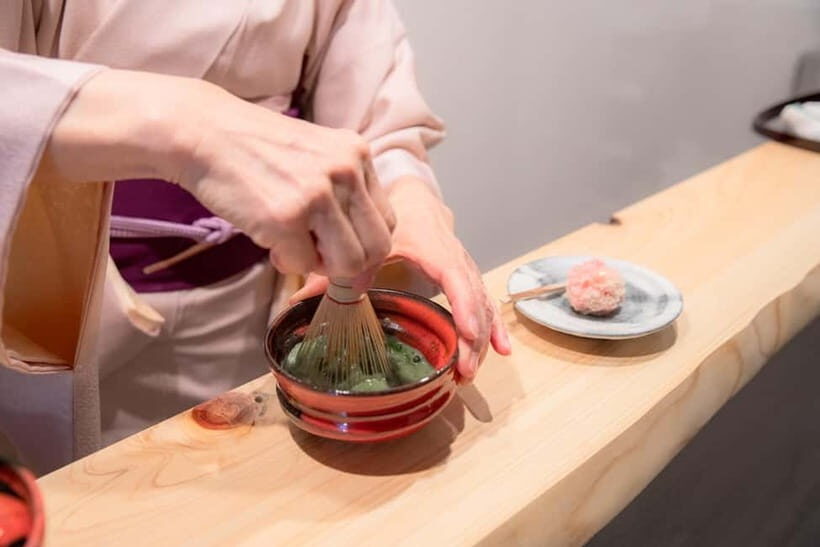
Here’s the big difference: Zen gardens are often something you appreciate from a respectful distance. This one is different. You’ll be making your own sand garden—described as Karesansui—inside the store’s garden area.
You’ll rake and decorate the sand. The result isn’t meant to be a perfect replica of famous Kyoto temple designs. One review notes that the process is free form, with not a ton of instruction. That’s actually part of the charm. If you’re creative, you’ll enjoy experimenting with patterns and how your lines look in sand.
Because you’re working in sand in a small space, you can also finish faster than you expect if your group is decisive. That doesn’t mean it’s low-value—it means the time is designed to transition into matcha and sweets without making the craft feel like homework.
Also, the photography opportunity is real. The setup includes a place where you can take pictures of yourself eating matcha and sweets in front of the Zen garden you made. That turns the craft into a memory, not just an activity you do and forget.
Matcha from Ippodo and Seasonal Wagashi from Senbon Tamajushuken
Right in front of your Zen garden, you’ll enjoy matcha and sweets. The matcha comes from Ippodo, one of Kyoto’s famous tea companies. This is one of the best parts of the experience because it ties the calm visual of the garden to a taste that feels like a Kyoto signature.
Alongside the matcha, you’ll get seasonal wagashi from Senbon Tamajushuken. One review mentions matcha served hot or iced and pairing it with a mochi cookie. Even if the exact sweet varies, the format stays the same: tea first, then a Kyoto-style seasonal bite while you’re still in that garden mood.
What I like about doing the tasting here—instead of at a separate tea shop—is timing. You create, you sit, you taste, and the Zen visuals stay in your mind while you slow down. It’s an easy way to feel the culture without needing a long lesson.
Pottery Shopping: Dishwasher- and Microwave-Safe Souvenirs
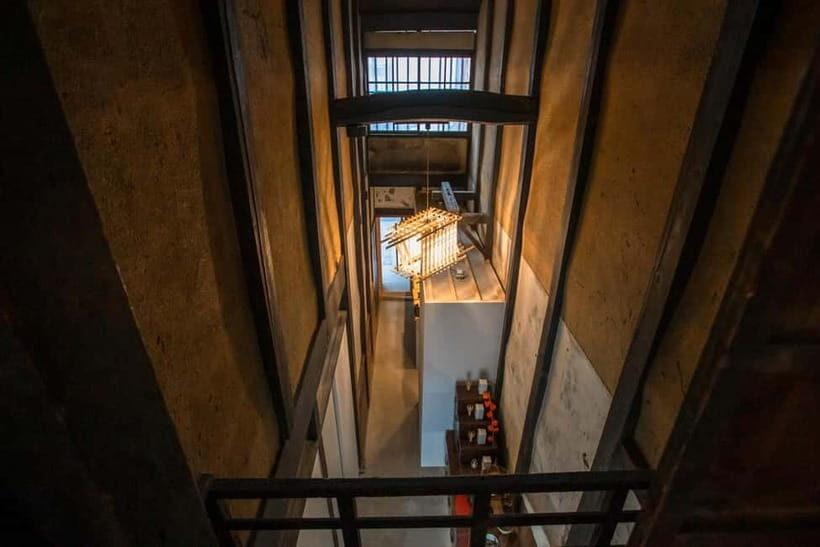
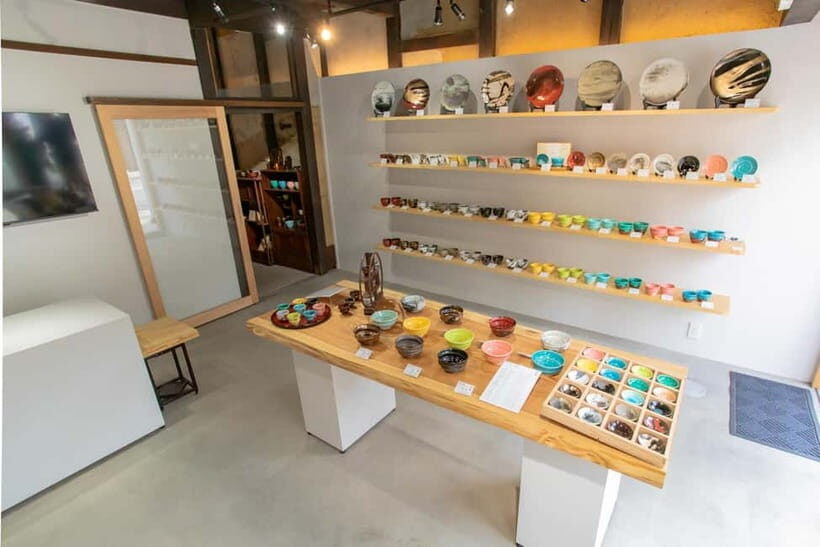
After the garden-and-tea moment, you can browse and buy pottery from the shop. Pottery is a huge part of Kyoto shopping, but the trick is buying something you’ll actually use. This place makes that easier.
The pottery described here is dishwasher-safe and microwave-safe. That matters if you’re shopping from overseas and want a souvenir that works in real life, not only as decoration. It also makes it less stressful if you buy mugs or cups and worry about daily cleaning.
You can buy handmade pottery as souvenirs directly from the store. One review also calls out the area around the shop as having antiques and traditional home goods shops. So even if you don’t buy pottery today, the neighborhood vibe is worth a short stroll before or after your 30-minute session.
A practical shopping tip: if you’re interested in taking pottery back home, check how the pieces are wrapped and handle it gently while you’re deciding. The pottery is the part of the experience that can expand your budget fast—so set a target price in your head before you start browsing.




How to Fit This Into Your Kyoto Day (Without Rushing)
This is a short experience by design. Thirty minutes sounds small, but it’s actually a smart match for Kyoto—especially if your day includes temples, shopping streets, or multiple neighborhoods. You can slot this near Teramachi Dori and Kyoto Imperial Palace Park without building an entire half-day around it.
Because you’re meeting close to Ippodo and walking-distance transit, you can also treat it like a pocket cultural break. For example:
- If you’re doing shopping nearby, you can pause here and reset.
- If you want one structured activity but don’t want a long commitment, this fits.
- If you’re traveling with someone who likes crafts but also wants a snack-and-tea moment, the pacing works well.
Group size stays limited (up to 8). That helps keep the experience calm and prevents long lines or long waiting around while you’re trying to create your garden and enjoy your matcha.
Price and Value: Is $12 Worth It?
The price is $12 per person, with the experience fee including the matcha and Japanese sweets, plus reservation/system fees.
Here’s what makes the value feel fair:
- You’re paying for a small-group, hands-on craft moment (your own Zen garden) rather than just observation.
- You’re also paying for a tea-and-snack pairing tied to real Kyoto brands (Ippodo and Senbon Tamajushuken).
- The time window is short enough to avoid the feeling of overcommitting in Kyoto.
Even better: pottery shopping is available, but it’s separate. So your $12 buys the core experience without forcing you to spend more. If you do want pottery, that can become a bonus add-on after you’ve already tasted the Kyoto part and settled into the mood.
The only value-related caution is your expectations. If you think it will be a long, detailed Zen class, you might feel it’s lighter than you want. If you see it as a creative, culturally flavored break—sand craft plus matcha—that short format is part of the appeal.
Who This Experience Fits Best (and Who Might Want Something Else)
This is a great fit if you want:
- A hands-on Kyoto activity that doesn’t require expertise
- A calm break with matcha and wagashi in a meaningful setting
- A cultural souvenir moment you can photograph
- Time-efficient fun that still feels authentic
It may feel less ideal if you:
- Want lots of formal instruction and a strict step-by-step guide
- Prefer big guided tours with lots of explanation over a short craft-and-taste session
- Are looking for a long temple-style sightseeing experience
For most people, though, the blend of Zen garden craft and Kyoto tea culture hits the right balance: creative, simple, and memorable.
Should You Book? My Practical Take
I’d book this if you’re the type who likes doing one small activity that you can feel with your hands, then rewards yourself with something Kyoto-famous to eat. The Zen garden making is the hook, but the reason it works is the pacing: you create, then you taste matcha and seasonal sweets right in front of your work.
Skip it only if you’re expecting a strict workshop with heavy instruction or a long multi-hour program. With a 30-minute total duration and a free-form craft approach, it’s more about making your own design than learning a complex method.
If you’re in central Kyoto near Ippodo and Teramachi Dori, this is an easy, high-comfort add-on.
FAQ
How long is the experience?
It lasts 30 minutes.
How much does it cost?
The price is $12 per person.
What exactly do you do during the activity?
You create your own Zen garden (Karesansui), using sand in the store’s garden area, and then you enjoy matcha and Japanese sweets in front of the garden.
What do you drink and eat?
You’ll have matcha from Ippodo and seasonal wagashi from Senbon Tamajushuken. One review also mentions mochi cookie, and matcha may be served hot or iced.
Can I buy pottery at the shop?
Yes. You can purchase traditional pottery as souvenirs, and the pottery is described as dishwasher-safe and microwave-safe.
How big is the group?
The experience is limited to a small group of up to 8 participants.
Where is the meeting point?
Meet 2 minutes walk north from Ippodo and about 100m south from Kyoto Imperial Palace Park along Teramachi Dori (coordinates: 35.0157879, 135.7673992).
Is there free cancellation?
Yes. You can cancel up to 24 hours in advance for a full refund.
Can I reserve now and pay later?
Yes. The booking allows reserve now & pay later so you can keep plans flexible.