REVIEW · FOOD
Takashi’s local food adventure through Gion Kyoto tips of Ramen
Book on Viator →Operated by Amazing Kyoto Experience · Bookable on Viator
Gion at night tastes different. This 7:30 pm food-focused walk pairs Gion history at dusk with guide-selected dishes in places that can be tough to order from in English. You’re not just sightseeing; you’re learning how to eat your way through Kyoto’s most famous district without getting stuck in the easy, tourist-only rhythm.
I also like that the route is paced for a real evening: shrine time, then you slip through the small alleys toward the restaurant. One thing to watch: the tour label can make some people expect lots of separate tasting stops, but this experience leans more toward getting you seated for a longer meal once you arrive, and timing matters if you want shops to still be open.
In This Review
- Key things to know before you go
- Why a Gion night food walk works better than menu-hunting
- Getting oriented: meeting at Gion-Shijo and starting at 7:30 pm
- Gion at dusk and Yasaka Shrine: the cultural warm-up before dinner
- Maiko and geisha street culture, without the script
- From lantern alleys to Kawara-machi: where the “real restaurants” are
- What you eat: ramen, katsu, izakaya, and the guide’s ordering brain
- Takashi’s and Natsuki’s guiding style: why the night feels easy
- Price and value: the $166.14 question, answered honestly
- Practical tips to keep your night on track
- Who should book this Gion food adventure
- Should you book this Gion Kyoto ramen-style food tour?
- FAQ
- How long is the tour?
- What time does the tour start, and where do we meet?
- Is Yasaka Shrine admission included?
- What foods might we try?
- Is dinner included in the price?
- Is this tour private?
- Do I need to speak English to enjoy it?
- What is the cancellation policy?
Key things to know before you go
- Private-group pace through central Gion instead of a huge crowd flow
- Yasaka Shrine is free and worth the quick 30-minute stop
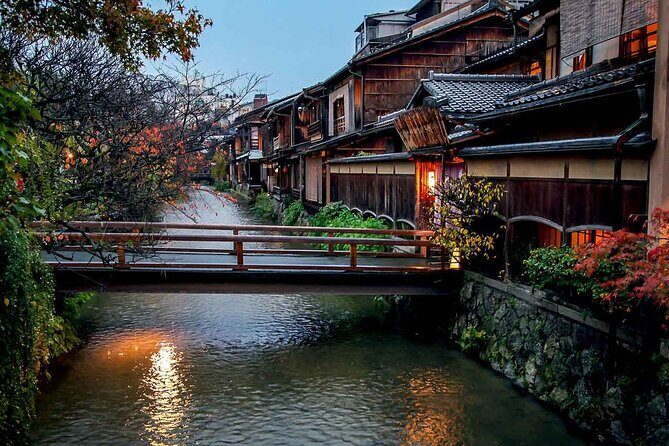
- Canal-side alley walk that keeps the mood very Kyoto
- Food varies by tour (you may end up with ramen, katsu, or izakaya)
- A guide handles ordering choices so you don’t get lost in menus
- Base price covers the guide and navigation, not the meal
Why a Gion night food walk works better than menu-hunting
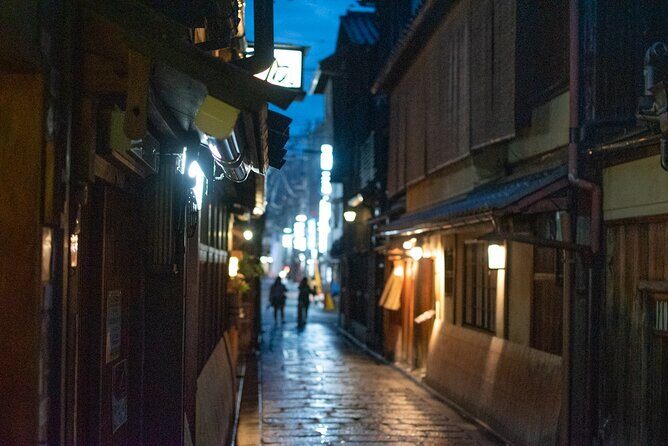
Gion is one of those Kyoto areas where you can spend an hour staring at storefronts and still not feel closer to a good dinner. This tour is built for the opposite problem. You get a night walk through the Gion atmosphere, then the guide steers you into the places that are easier to enjoy once someone local helps with the choices.
The biggest win is how the guide approach changes the whole meal. You’re not wandering hungry and guessing. You sit down with a plan, and the guide picks dishes you’re likely to enjoy in that restaurant’s style. If ramen is on your night’s lineup, this is also where guides like Takashi tend to share their go-to recommendation.
The second win is that food doesn’t float in a vacuum. Gion and its surrounding streets are tied to the entertainment world of past centuries, and the walk gives you a few story anchors so the evening feels like more than a restaurant drop-off.
You can also read our reviews of more food & drink experiences in Kyoto
Getting oriented: meeting at Gion-Shijo and starting at 7:30 pm
You meet at Gion-Shijo Station (1 Chome Miyagawasuji, Higashiyama Ward), and the tour starts at 7:30 pm. That start time is smart for Gion, because you’re aiming for the shift from late-day busyness into calmer evening streets where lanterns and alley vibes feel more intimate.
You’ll also want to know what you’re paying for. The price is listed at $166.14 per person, but the tour info makes it clear that all food is bought by guests. In other words, your money mostly goes to the guide, the navigation, and the restaurant selection/order help, not the actual dinner bill. Plan on paying for your meal during the experience.
This is also a private tour for your group only. That matters in practice: it’s easier to keep a comfortable pace, ask questions, and stay together when you’re moving through small lanes and around shrine areas.
Gion at dusk and Yasaka Shrine: the cultural warm-up before dinner
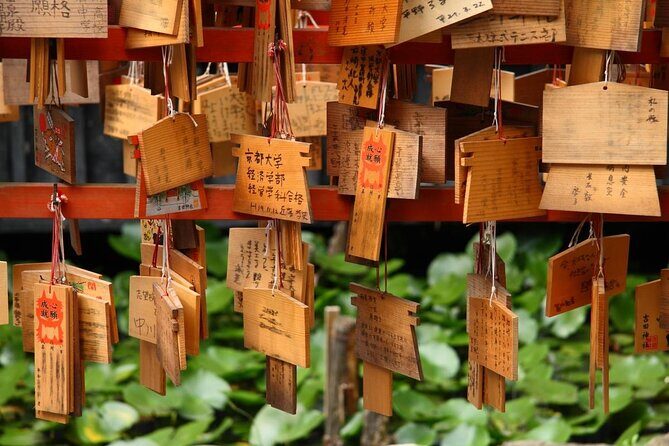
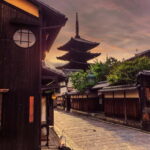
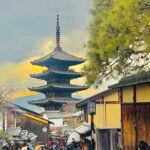
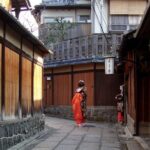
The walk starts in the Gion district, where the area’s entertainment and culture reputation stretches back over 500 years. You’re not walking a museum hallway. You’re walking the actual neighborhood layout, which helps you understand why Gion feels the way it does at night.
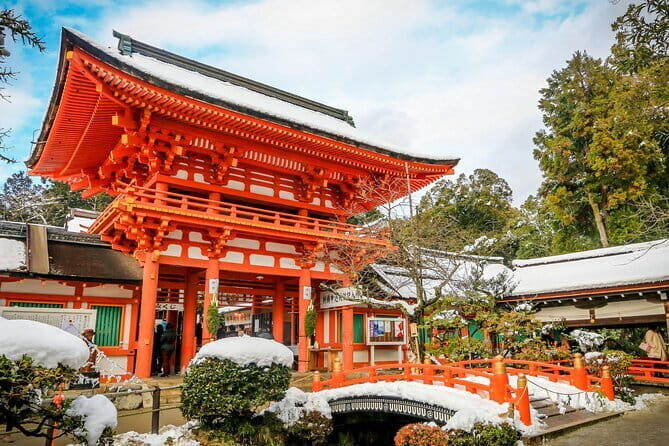
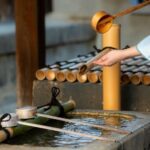
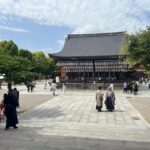
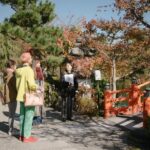
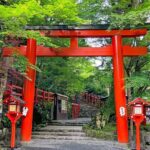
Then you hit Yasaka Shrine, a stop that takes about 30 minutes and has free admission. Yasaka Shrine is special here because it connects to the entertainment culture that shaped Gion. You get a quick education as you go, and it sets the tone for what you’ll see later in the evening streets.
A drawback to keep in mind: shrine and alley walks can be short, but you still need to stay sharp on timing. Some shops along the way may close earlier than you expect once evening progresses, so arriving on time helps you get the full rhythm of the route.
Maiko and geisha street culture, without the script
In Gion, you may encounter maiko and geisha. The tour info points out their distinctive look, including the traditional all-white makeup style and the feeling of mystery around their performances. Even if you don’t spot a performer, the guide’s explanation helps you connect the visual cues to what the district represents.
What I like about this kind of cultural stop is that it’s not a hard sell. You’re not hunting for a photo at any cost. Instead, you’re learning the background so the encounter feels meaningful rather than random.
One practical note: this is a public neighborhood. You’ll see people living their lives, shops operating, and streets changing with the hour. If you’re expecting a controlled show, adjust your mindset. This is closer to atmosphere plus context than a performance ticket.
From lantern alleys to Kawara-machi: where the “real restaurants” are
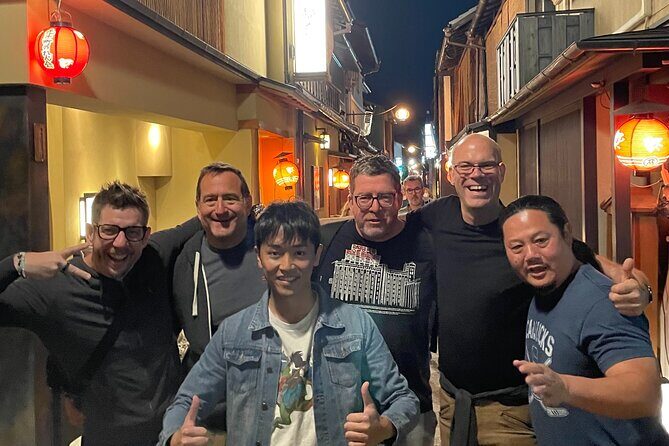
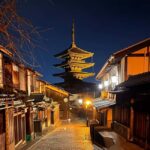
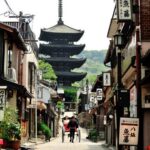
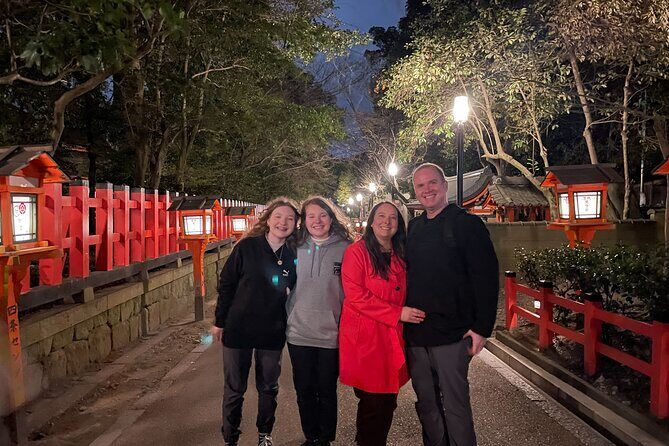
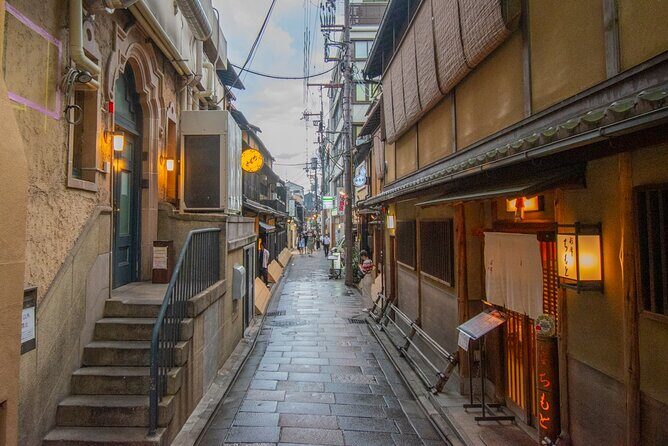
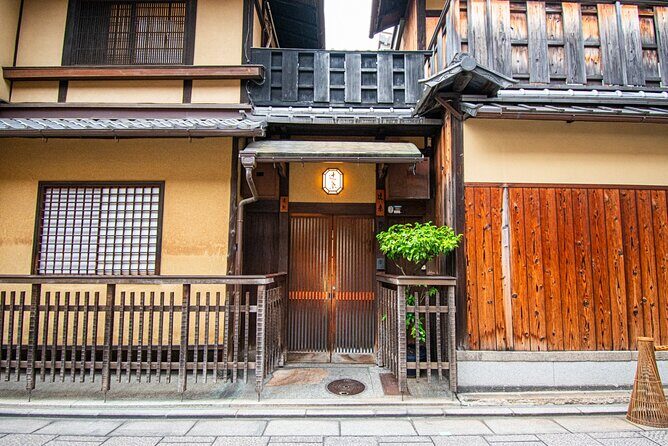
After Yasaka Shrine, the route shifts into smaller lanes. The experience includes a walk through iconic lantern-lined alleys and canal-side streets toward the restaurant area.
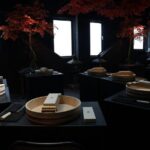
Then you move to Kawara-machi, where the restaurant part lasts about 2 hours. This is the portion that turns the night from walking story-time into eating-time.
The tour approach here is practical: many restaurants in central Kyoto are tucked behind main streets. You might spot storefronts from a distance, but the real choices are often in the side streets where you’d otherwise walk past. A guide helps you avoid the classic trap of picking the first place that looks convenient, because convenience can also mean more “tourist menu” behavior.
Is it perfect? Not every restaurant experience will match every expectation. One mismatch can happen if the restaurant service or the overall vibe doesn’t feel like the evening you pictured. The tour company does emphasize choosing local eats rather than tourist traps, but food is always personal, and your comfort level matters once you’re seated.
You can also read our reviews of more tours and experiences in Kyoto

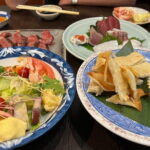
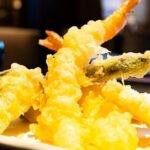
What you eat: ramen, katsu, izakaya, and the guide’s ordering brain
Food is where this tour earns its name, but it’s also where you need to calibrate expectations. The exact menu is not fixed in the provided details. Instead, the tour says you may unlock different Kyoto food styles such as katsu, ramen, or izakaya, depending on what the guide chooses for that night.
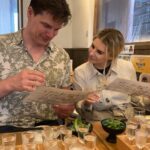
That matters, because it means the tour is built around decision-making, not a single predetermined meal. You arrive hungry, you walk off some calories, and then you sit down. The guide selects the best dishes at each place and you can talk with them about what you’re ordering.
If you love ramen specifically, this is still a good fit. The info highlights that the guide’s ramen recommendation is a must-check and can be a real wow moment. Just don’t assume ramen is guaranteed on every run. Think of the tour as a guided path into Kyoto’s favorite comfort-food categories, with ramen as a strong possibility.
Takashi’s and Natsuki’s guiding style: why the night feels easy
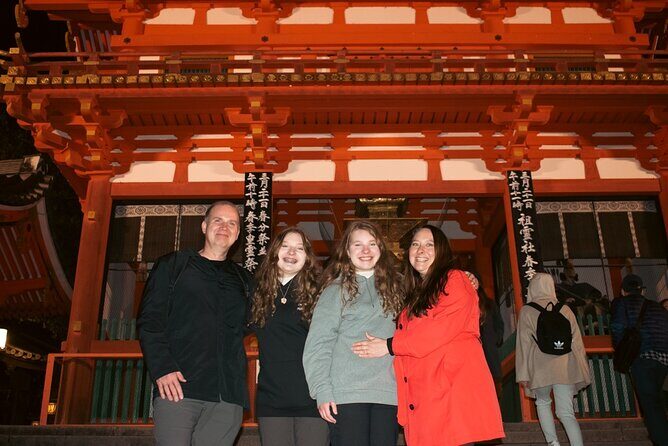
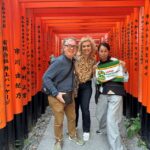
The tour is associated with guides like Takashi and Natsuki, and the way they’re described tells you a lot about what to expect.
Takashi is described as a professional who also offers car tours around Kyoto, Nara, and Osaka, with his life dedicated to giving strong trip tips. That kind of background usually means he’s good at answering the stuff you didn’t know you’d wonder about, like geography and the bigger context behind Gion’s culture. If your brain keeps asking why something is where it is, this guide style tends to fit.
Natsuki is praised for making the evening worthwhile and for being delightful and welcoming. That’s not a small detail in a food tour. When you’re tired after a long day, a guide who keeps things relaxed can turn the experience from a chore into a smooth night out.
Still, there’s one consideration worth saying plainly: if you joined late, you may miss shops that close before you get to them. The tour info includes a scenario where being behind schedule can affect how much you can see and where the evening ends up landing.
Price and value: the $166.14 question, answered honestly
At $166.14 per person, the base price isn’t cheap on its face. But it covers several things that are hard to replicate on your own:
- A private guided route in central Kyoto at night
- Personalized navigation through Gion’s streets and shrine area
- Restaurant selection and dish guidance, including help handling choices you might struggle with in English
It does not include your food. The plan is that all food is bought by guests, with the guide paying for their own. So your total cost depends on how you order once you’re seated and what dishes the guide recommends.
Here’s the value logic that usually makes tours like this worth it: if you’re short on time and don’t want a trial-and-error dinner, paying for ordering help can be cheaper than wasting an evening. If you already know Kyoto ramen houses well and you’re comfortable walking into places without an easy menu, the cost may feel less justified.
So the best way to think about it: you’re buying the guide’s local instincts and a smoother night flow, not a prepaid feast.
Practical tips to keep your night on track
This is a walking tour with moderate physical fitness required. Keep it simple and you’ll enjoy it more.
- Arrive at Gion-Shijo Station early enough that you’re not rushed. Late arrival is the kind of small problem that can snowball at night.
- Wear comfortable shoes. Gion’s charm comes from side streets and foot movement.
- Expect the dinner portion to be the main event. If you want lots of tiny bites at many different stops, double-check your own expectations before you book.
- If you have questions about food or culture, this kind of tour is built for that conversation with the guide.
Also, you’ll be using a mobile ticket and you can benefit from group discounts depending on how your booking is structured.
Who should book this Gion food adventure
This tour is a strong match if you want:
- A night route in Gion that doesn’t require research spreadsheets
- Help ordering at restaurants that may be English-unfriendly
- A guide who can explain what you’re seeing, from shrine context to the idea of maiko and geisha culture
- A plan that’s private and pace-friendly rather than a big group shuffle
It might be less ideal if you:
- Expect many separate tasting stops beyond the main restaurant meal
- Need a very predictable, fixed menu
- Are sensitive to restaurant service variations once you’re seated
Should you book this Gion Kyoto ramen-style food tour?
I’d book it if you want an easy, guided evening that turns Gion from a sight-only district into a dinner plan with real local food choices. The combination of walking culture (Gion and Yasaka Shrine) plus restaurant guidance is a solid format, especially if you’re trying to avoid language stress and tourist-menu traps.
I would think twice if your ideal food tour is nonstop tasting from stand to stand. This one leans toward a guided walk that ends in a restaurant meal, with dish choices handled by the guide. Show up on time, go in hungry, and you’ll get a smoother night.
If you’re flexible about whether it’s ramen, katsu, or izakaya on your route, this tour fits the way Kyoto evenings actually work: stories first, then food.
FAQ
How long is the tour?
It lasts about 3 hours.
What time does the tour start, and where do we meet?
The start time is 7:30 pm, and the meeting point is Gion-Shijo Station (1 Chome Miyagawasuji, Higashiyama Ward, Kyoto).
Is Yasaka Shrine admission included?
Yes. The tour lists free admission for Yasaka Shrine, with about 30 minutes there.
What foods might we try?
The tour says the restaurant choices vary by tour, and you may try local foods like katsu, ramen, or izakaya.
Is dinner included in the price?
No. All food is bought by guests, and the guide will be able to pay for their own food.
Is this tour private?
Yes. It’s a private tour/activity, meaning only your group participates.
Do I need to speak English to enjoy it?
The tour is positioned as helpful for places that can be English-unfriendly, since the guide helps with navigation and dish selection.
What is the cancellation policy?
You can cancel for a full refund up to 24 hours in advance of the experience start time.
If you tell me your travel date and whether you’re mainly chasing ramen or open to katsu and izakaya too, I can help you decide if this format matches your priorities.