Two hours of silence can change your day. In Jusho-in, you sit zazen with Abbot Eitetsu Nishida, then learn why Zen connects meditation to everyday rituals like tea. The whole visit stays calm and focused, even though Kyoto is usually anything but.
I especially love the direct teaching. Eitetsu shares Zen philosophy in plain terms, leads you through the seated practice, and then guides your matcha experience right after. That pairing makes the afternoon feel like one continuous lesson instead of two separate activities.
One possible drawback: posture time adds up. You’ll sit for two rounds of zazen, and while chairs are available, your comfort matters. If you’re thinking of wearing a rented kimono, expect it to be tougher to sit still for meditation.
In This Review
- Key things to know before you go
- Walking into Myoshin-ji and finding the calm spot
- Two rounds of zazen with Eitetsu Nishida: what it really feels like
- Seating and comfort tips that actually help
- Zen philosophy in plain language (not a lecture)
- Matcha and sweets: the Zen lesson you can taste
- What to expect from the sweets and presentation
- Jusho-in’s garden by Eitoku Kano: a view that teaches
- The guides, translators, and the small-group advantage
- Why small groups matter for meditation
- The commemorative photos: a memory without breaking the mood
- Price and value: is $109 for 2 hours worth it?
- Practical do’s and don’ts so you get the most out of it
- Should you book this Kyoto Zen session?
- FAQ
- How long is the Kyoto Zen experience?
- Where do I meet and where do I get dropped off?
- What happens during the zazen meditation?
- Is there matcha and tea included?
- Do I get photos from the tour?
- What should I wear for meditation?
- Is the tour canceled if it rains?
Key things to know before you go
- Zazen guided by the 16th-generation abbot at Jusho-in, not a generic demo
- Two 20-minute meditation rounds with a break built in for stretching and questions
- Matcha served with seasonal sweets while you reflect in a historic garden
- Garden views credited to Eitoku Kano that shift with the seasons
- Photos taken during the experience, delivered later as a keepsake
- Small-group feel that helps you stay present instead of getting lost in crowds
Walking into Myoshin-ji and finding the calm spot
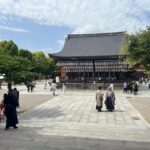
Most of Kyoto’s big-temple mornings feel like a parade. This experience starts with a different vibe. You meet at the north gate of Myoshin-ji and walk with a guide to Jusho-in, which sits within the larger Myoshin-ji complex. You’re not just going to a temple name on a map—you’re entering a working spiritual environment designed for quiet attention.
I like this setup because it gives you a gentle on-ramp. You have a guide to orient you, and you’re moving through the grounds while the noise of the street fades behind you. By the time you reach Jusho-in, your body already knows what the morning is for: sitting, listening, and doing the practice.
Also, the timing is short enough to fit into a real itinerary. Two hours is just long enough to learn the basics and still leave you with energy to enjoy the rest of Kyoto the same day—without feeling like you sacrificed your whole schedule for mindfulness.
You can also read our reviews of more tours and experiences in Kyoto.


Two rounds of zazen with Eitetsu Nishida: what it really feels like
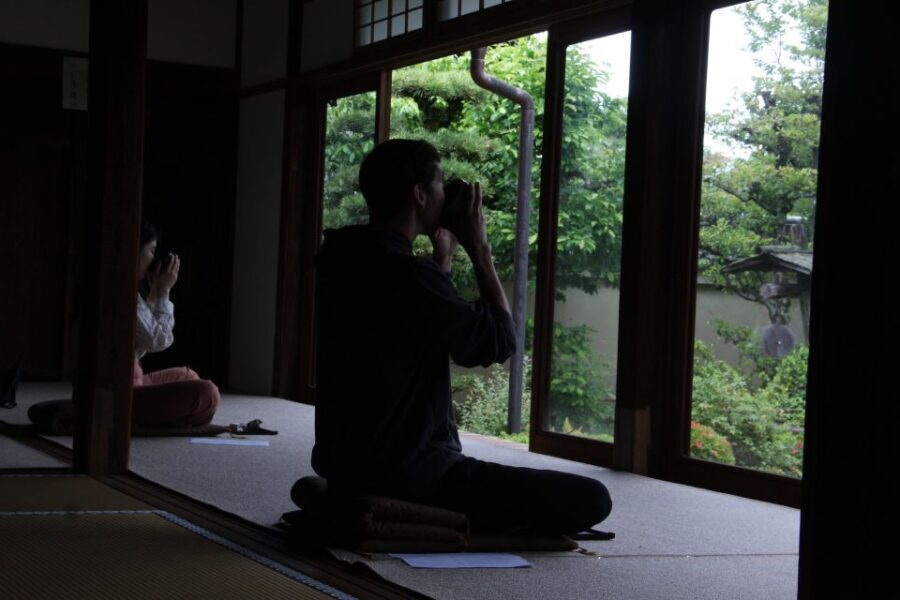
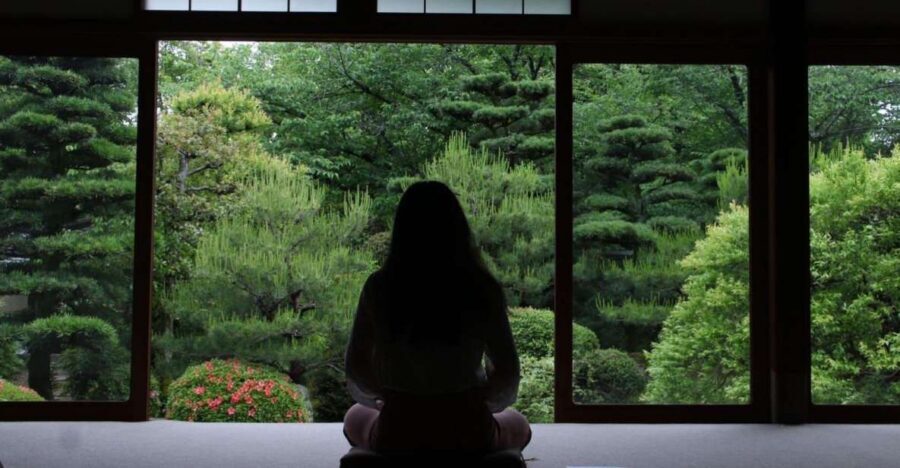
The heart of the experience is zazen meditation with Eitetsu Nishida, the 16th-generation abbot of Jusho-in. You’ll get instruction first—enough to understand what you’re supposed to do with your posture, breath, and attention—then you’ll practice.
The structure is simple:
- two sets of 20-minute zazen
- a break in between for stretching and questions
- guidance from the chief priest during the seated practice
That break matters more than you might think. Even if you’re calm in the first session, your mind will start scanning for relief by the second. The built-in reset keeps the experience teachable rather than purely painful. And from the way the sessions are run, the goal isn’t to force you into perfection. It’s to help you start noticing how your mind behaves when you stop feeding it thoughts.
Seating and comfort tips that actually help
You’re assigned seating based on the order of reservations. Chairs are available if you need them, and bathrooms are also available on site.
If you want a smoother experience:
- wear clothing that lets you sit comfortably without tugging or bunching
- skip rented kimono if you can; several people find it hard to sit and meditate in them
- if you get cold, you might find you can be offered blankets (it happened for some participants)
One reviewer even mentioned meditating with doors to the garden open on a cold day—so the air can feel present. That can help you stay grounded, but it’s a reminder to dress for the weather, not for photos.
Zen philosophy in plain language (not a lecture)
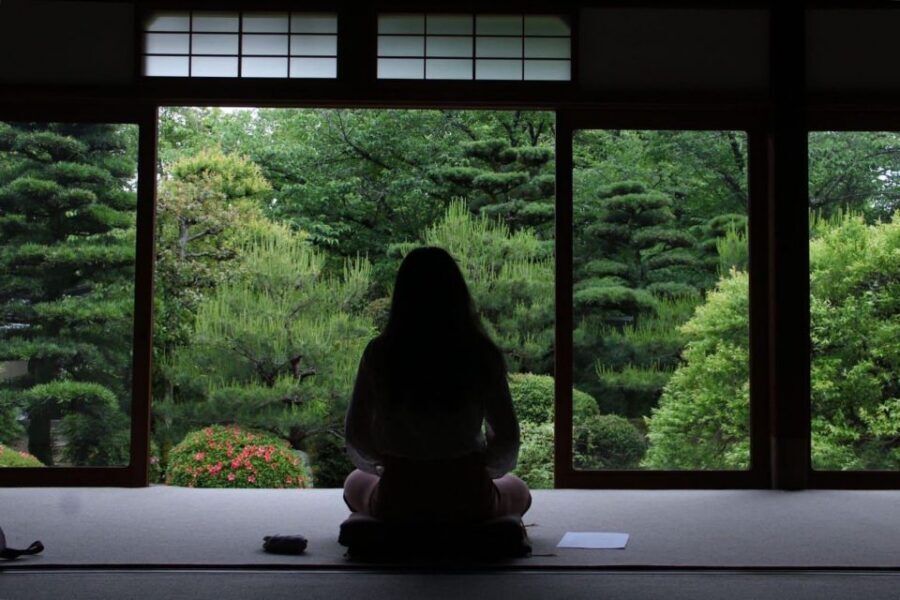
After you settle into the practice, the chief priest’s sermon and discussion give you context. Zen can sound abstract until someone connects it to the way your mind actually works during meditation.
Eitetsu’s background is part of why his teaching lands well. He trained as a monk after previously working as a national public servant for 10 years, and he’s known for a cheerful personality and a love of animals. That combination tends to make the philosophy feel less like a distant text and more like a practical way to pay attention.
You also get a framework for where Zen fits:
- Zen is a branch of Mahayana Buddhism that emphasizes direct experience over religious texts
- this temple tradition is connected to Rinzai Zen, which is known for intense practices and the idea of sudden insight (satori)
Even if you don’t memorize terms, you’ll leave with a clearer sense of what zazen is training you to notice. It’s not about chasing emptiness on demand. It’s about learning how quickly your mind creates noise—and how gently you can return.
And here’s the biggest practical benefit: you’ll come away with a few specific habits you can reuse later at home, instead of just thinking Meditation: great story, done.
Matcha and sweets: the Zen lesson you can taste
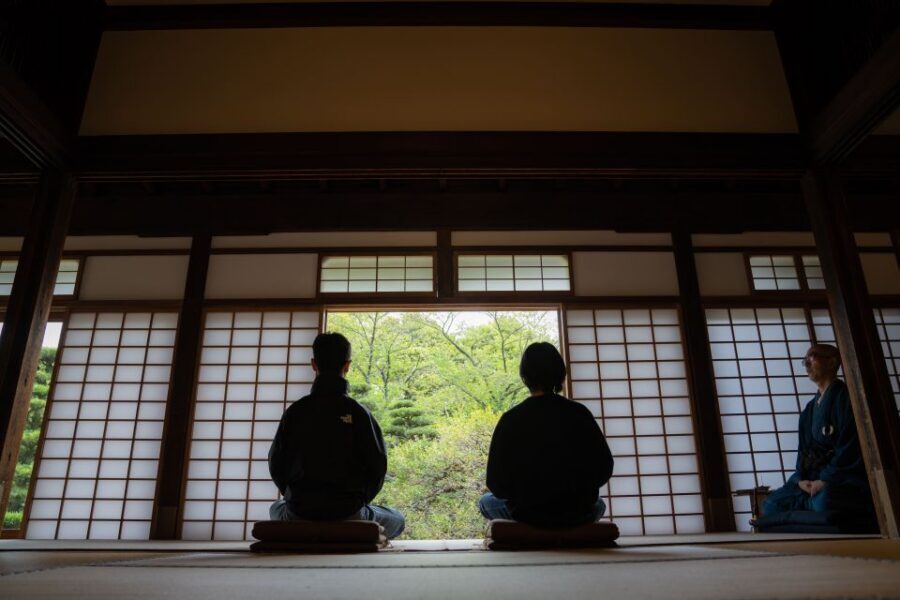
Right after zazen, you shift into tea. That jump works because Zen isn’t only what you do while sitting. It also shows up in simple acts—attention, restraint, and gratitude.
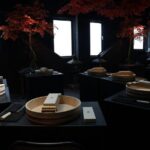
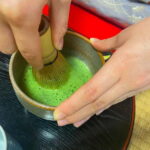
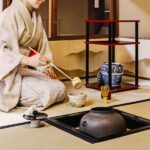
Eitetsu teaches you about matcha and its history, then you enjoy it with seasonal Japanese sweets. You’ll drink matcha and eat wagashi while appreciating the garden.
I love how this part is paced. Many tea experiences become performance-only, where you watch and then move on. Here, the timing makes the tea feel like a continuation of meditation: slow, careful, and designed for focus.




What to expect from the sweets and presentation
You’re served traditional seasonal sweets with the tea. One participant mentioned mochi as part of the treats, and that kind of detail matters because it signals you’re not getting a generic package. You’re getting something chosen to match the moment.
The tea experience also nudges you to slow down in a very physical way. Matcha isn’t coffee; it has a different texture and requires care. You’ll learn how to enjoy it properly, and that instruction helps you feel less like a tourist and more like a participant in the ritual.
If you’re worried you won’t understand the etiquette, don’t. The tea portion is part of the teaching. It’s designed so you can get it in real time, not after the fact.
Jusho-in’s garden by Eitoku Kano: a view that teaches
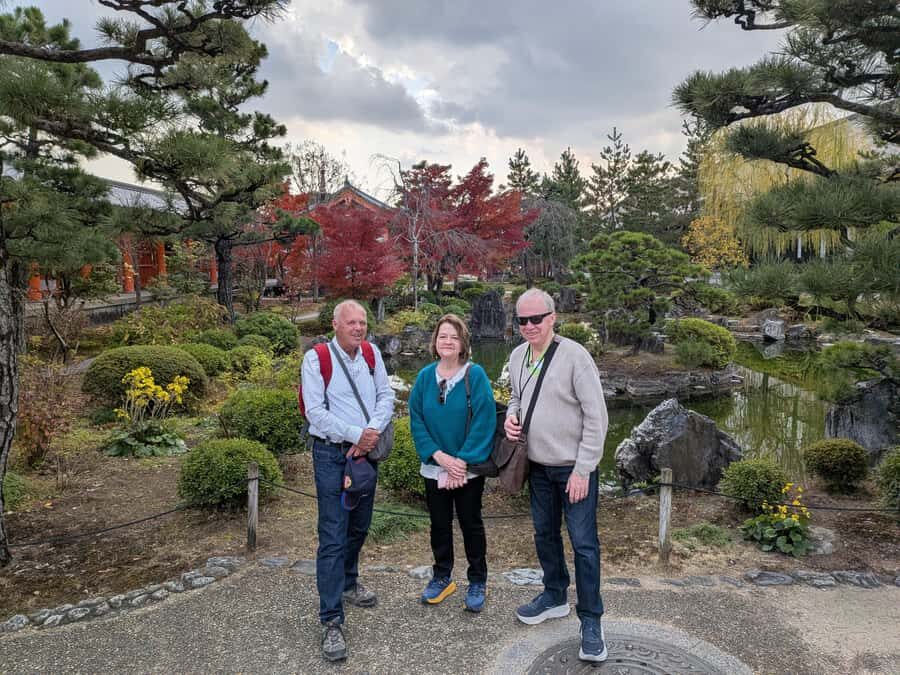
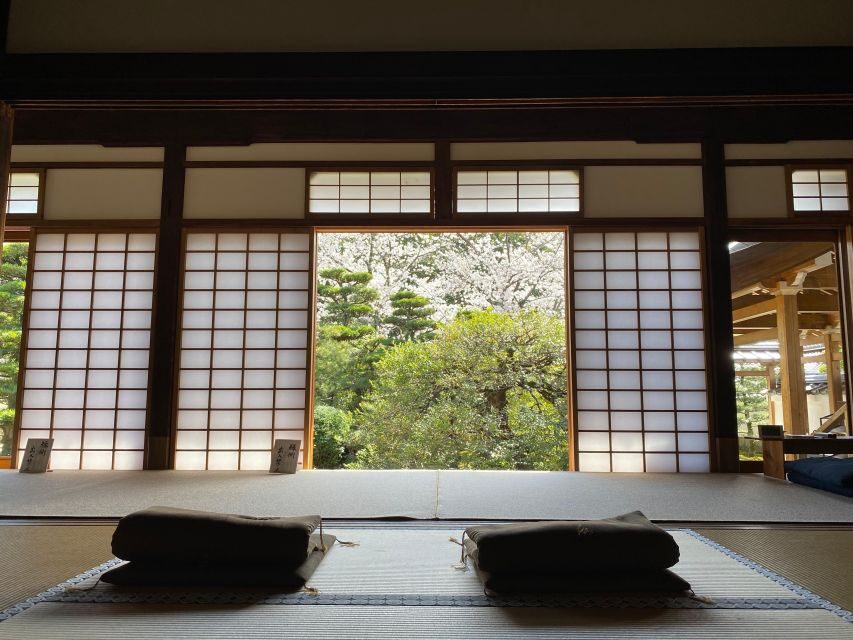
The garden is a major reason this experience stays with you. Jusho-in was founded in 1599, and it’s one of the sub-temples within the larger Myoshin-ji complex. The garden itself is attributed to Eitoku Kano, a famous painter from the 16th century, and it has remained unchanged since it was created.
So while you’re meditating and then later drinking tea, you’re surrounded by a landscape that’s been doing the same job for centuries: giving practitioners something stable to look at while they train their attention.
It shifts with the seasons:
- cherry blossoms in spring
- greenery in summer
- autumn leaves in fall
- snow in winter
Even if you visit in a season you don’t normally associate with Kyoto, you’ll still get that feeling of time stacking up. This isn’t a garden built for quick tourist selfies. It’s a garden meant to support stillness.
The guides, translators, and the small-group advantage
This tour runs with an English live guide, and the experience also includes a chief priest sermon and tea instruction. You may also interact with interpreters and tea staff depending on the flow.
A couple of small practical notes based on how it’s described:
- translation is part of the experience, but accents and phrasing can vary from person to person
- the guides tend to be patient and helpful with questions
You might even hear through different guides and staff members—names that came up include Ursula and Nicolas as interpreters, and Joondae in the support team. That matters because it signals you’re dealing with a real team, not just a single person running the show.
Why small groups matter for meditation
Zen works best when you’re not constantly aware of other bodies moving around. A smaller group helps. It keeps the quiet intact and reduces the feeling of being watched or having to rush.
Even with multiple participants, the session is organized so you can focus on your own practice and still feel included when you ask questions.
The commemorative photos: a memory without breaking the mood
During the experience, a photographer takes photos with a single-lens reflex camera. You don’t have to pose constantly—you’re meant to keep your attention on the meditation. Photos are delivered later as photo data within a few days.
This is a smart inclusion for a meditation activity. If you’re trying to stay present, you don’t want to spend your time holding your phone at arm’s length. The result is you get the best of both worlds: you can participate fully, and you still take home proof you were there.
Price and value: is $109 for 2 hours worth it?
At $109 per person for about two hours, it’s not the cheapest thing you can book in Kyoto. But the price starts making sense once you break down what you actually get.
You’re paying for:
- guided zazen instruction with Eitetsu Nishida, the 16th-generation abbot
- the chief priest sermon and structured Q&A
- matcha teaching plus Japanese tea and seasonal sweets
- access to the temple grounds, including an entry ticket
- professional photos taken during the practice, with digital delivery later
- English live guiding and on-site coordination
When a tour adds a teacher of this level plus a real ritual component like matcha, value comes from depth, not just time. Two hours also helps. You’re not spending half a day. You’re spending a focused window that can anchor your whole trip.
If you’re the type of traveler who likes tasting and learning culture in small, quiet doses, this is a strong use of money. If you only want photos and basic sightseeing, you may find the price harder to justify.
Practical do’s and don’ts so you get the most out of it
This experience has simple rules: no alcohol or drugs, and no weapons or sharp objects. It also runs rain or shine, so plan for weather.
For clothing, you don’t need anything special. But I’d still treat it like a meditation class day. Comfortable layers help. If you’re visiting during colder months, plan for the possibility of doors open to the garden and the need for warmth.
Finally, be ready for seating assignment by reservation order. That’s normal for structured temple activities. It also means booking ahead matters if you care about where you sit.
Should you book this Kyoto Zen session?
Yes, if you want something calmer than the usual Kyoto circuit. This is a short, guided introduction to zazen in a real temple setting with a teacher who’s focused on how the practice works, not just what to think about it. The matcha portion doesn’t feel tacked on—it turns the lesson into something you can taste and repeat later in your own routine.
Book it especially if:
- you’re curious about Zen but don’t want to figure it out alone
- you like cultural experiences with clear structure and quiet time
- you want a garden view you can actually sit with, not just walk past
I’d skip it if:
- you’re looking for a long sightseeing temple tour
- you don’t want any posture challenge at all (chairs help, but it’s still a seated practice)
FAQ
How long is the Kyoto Zen experience?
It lasts about 2 hours, including explanations for zazen and tea.
Where do I meet and where do I get dropped off?
You meet at the north gate of Myoshin-ji Temple, with starting point options that include 18 Taniguchisonomachi, 北総門. Drop-off is also back at the north gate area.
What happens during the zazen meditation?
You’ll have two rounds of guided zazen, each lasting 20 minutes, with a break in between for stretching and questions.
Is there matcha and tea included?
Yes. You’ll learn about matcha and then enjoy Japanese tea and seasonal sweets as part of the experience.
Do I get photos from the tour?
Yes. A photographer will take photos during the experience, and you’ll receive the photo data as a keepsake a few days later.
What should I wear for meditation?
No special requirements, but you shouldn’t plan on wearing a rented kimono if you want to sit comfortably for meditation.
Is the tour canceled if it rains?
No. The experience runs rain or shine.