REVIEW · ARASHIYAMA TOURS
Kyoto Sagano Insider: Rickshaw and Walking Tour
Book on Viator →Operated by Ebisuya · Bookable on Viator
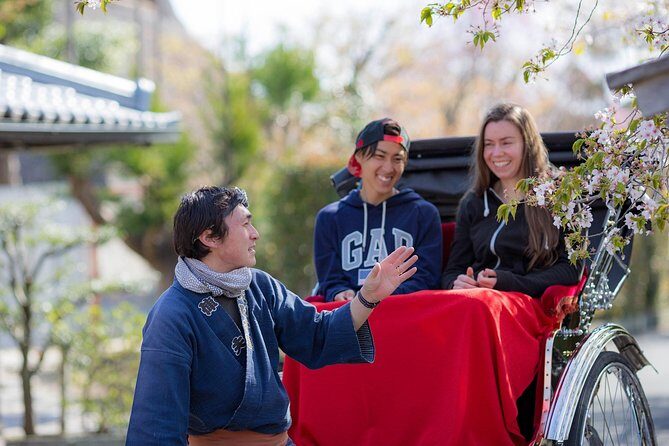
Bamboo crowds don’t stand a chance. This private rickshaw + walking plan gets you moving fast in Arashiyama’s Bamboo Forest, then slows down for Kyoto machiya-style streets and temple stops with real context from your guide. I love the photo stops timed for the best angles, and I love that you do not have to share the rickshaw with strangers. One possible drawback: you still do some walking and there’s slope time, so plan on comfy shoes.
The guide is the difference between a scenic ride and a meaningful one. On this route, I’d expect clear narration as you pass historic buildings, plus photo help, and the guide can switch to English/Japanese fluent support (with conversational Chinese/Korean/Spanish if available). If you’re visiting for the first time, this is a nice way to learn what you’re actually seeing.
Value-wise, it’s not a bargain, but it can be smart money if you care about time and comfort. For $228.62 per person and about 3 hours 10 minutes, you’re paying for a private rickshaw experience, guided stops, and photo assistance—so you spend less time zigzagging and more time enjoying the sights.
In This Review
- Key highlights you’ll feel right away
- Why a private rickshaw works so well in Arashiyama’s Bamboo Forest
- The start point: getting oriented at Sagatenryūji Susukinobabachō
- Stop 1: Inside a machiya at Kyoto City Sagatoriimotocho Nami Preservation Hall
- Bamboo Forest photo ride: fast views without getting lost
- The optional walk into the part of bamboo you can’t reach by rickshaw
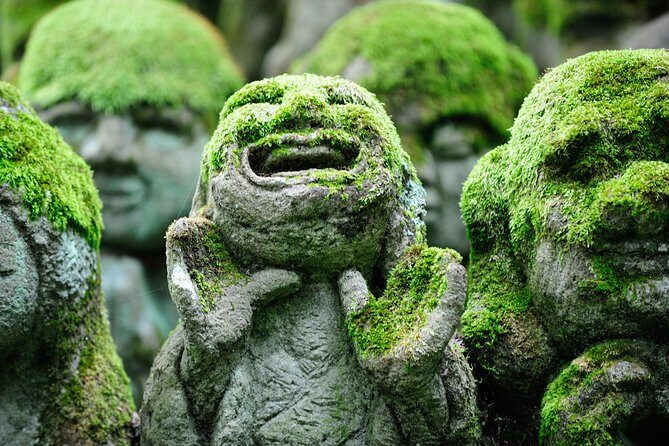
- Stop 2: Otagi Nenbutsu-ji Temple and the charm of handmade figurines
- Haiku poet cottage + straw thatch: a quieter kind of Kyoto
- Bamboo grove Shinto shrine: brief, atmospheric, and easy to miss
- Preserved district and old pilgrim path: traditional wooden streets outside the downtown rush
- What the guide actually does for your day (beyond talking points)
- Pacing and walking: a 3-hour rhythm that feels efficient
- Price and value: is $228.62 per person actually fair?
- Who this tour suits best (and who might want to skip it)
- Should you book Kyoto Sagano Insider: Rickshaw and Walking Tour?
- FAQ
- How long is the Kyoto Arashiyama rickshaw and walking tour?
- Is the rickshaw shared with other people?
- What sights are included on the route?
- Are temple admission fees included?
- Can I walk farther into the bamboo forest?
- Is there a tea house visit?
- What languages do the guides speak?
- Where is the meeting point?
- Are there special rules for children?
- Is hotel pick-up included?
Key highlights you’ll feel right away
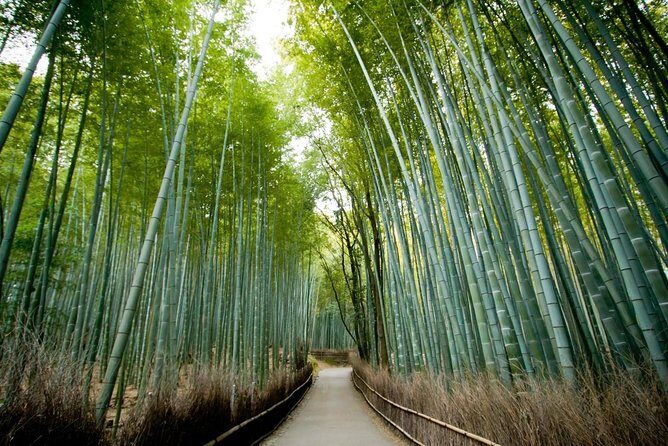
- Private rickshaw time-saver through the Arashiyama Bamboo Forest area
- Great photo guidance, including stops for pictures from the rickshaw
- Machiya house visit at a traditional Kyoto-style preservation hall
- Otagi Nenbutsu-ji Temple with quirky handmade figurines
- Old streets you can’t easily reach on foot routes alone, including a preserved pilgrim path feel
- Bilingual support (English/Japanese fluent; other languages when available)
Why a private rickshaw works so well in Arashiyama’s Bamboo Forest
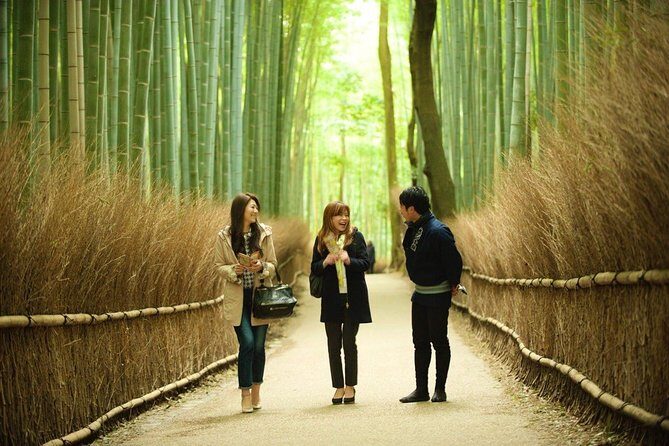
Arashiyama’s Bamboo Forest is one of those places where the scenery is instantly impressive, but the foot traffic can be… intense. A rickshaw solves the main problem: you get a fast, guided ride along the accessible bamboo areas without having to fight the crowd flow.
What I like here is the privacy. You’re not sharing the ride with another group, which means you can actually pause when your guide says, adjust your camera, and take your time at the photo stops. One review specifically called out that the bamboo paths were packed with walking tourists, while the rickshaw had a short route that worked beautifully for photos and movement.
And yes, you’ll still walk at points. But it’s the good kind of walking: short stretches to see details up close, rather than long hikes just to get from one viewpoint to the next.
You can also read our reviews of more walking tours in Kyoto
The start point: getting oriented at Sagatenryūji Susukinobabachō
The tour meets at 1-1 Sagatenryūji Susukinobabachō, Ukyo Ward, Kyoto and ends back at the meeting point. Meeting at a fixed location keeps things simple, especially in Arashiyama where timing can get messy.
You’ll want to use the nearby public transportation and arrive a little early so you can meet your guide without stress. Also, bring the expectation that you’ll be outside and moving—this is a combination ride-and-walk experience, not a sit-down museum tour.
Stop 1: Inside a machiya at Kyoto City Sagatoriimotocho Nami Preservation Hall
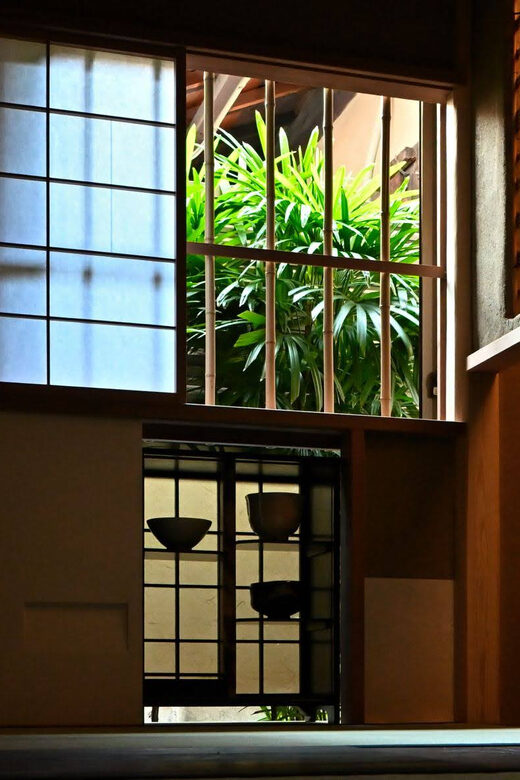
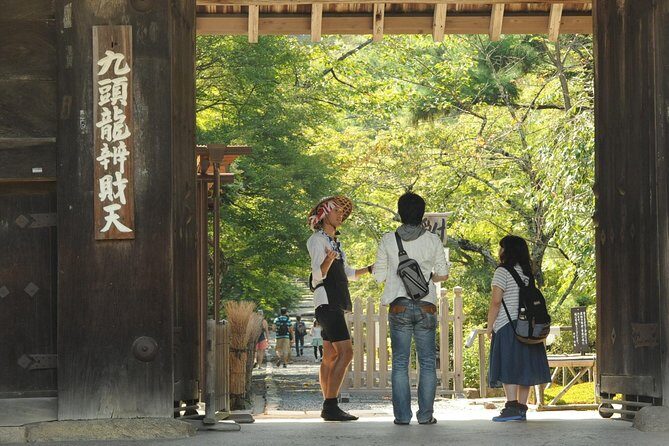
Your first big cultural moment is a visit inside a traditional machiya-style Kyoto house at Kyoto City Sagatoriimotocho Nami Preservation Hall. It’s listed as about 20 minutes, and the ticket there is free.
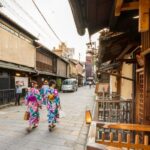
This stop matters because it anchors you in Kyoto’s everyday traditional architecture. Bamboo shots are great, but machiya houses show how people actually lived: narrow townhouse layouts, a sense of craft, and a different scale than modern streets.
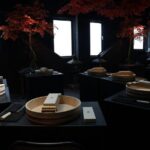
If you want atmosphere, this is also the place where a chance to go inside a tea house with your guide can fit in. Even if you’re not a tea person, it’s a calm pause that helps break up the more photogenic parts of Arashiyama.
Bamboo Forest photo ride: fast views without getting lost
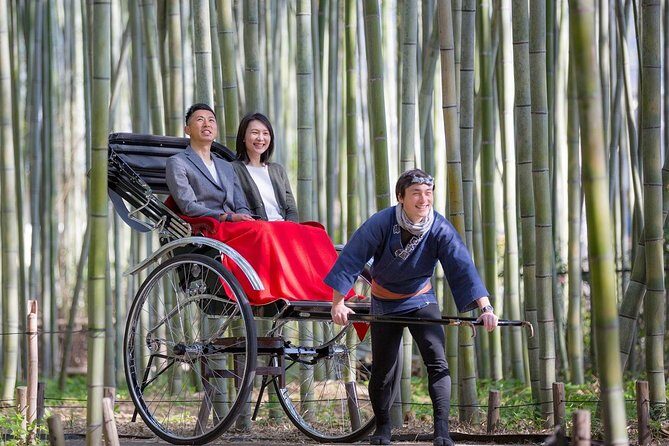
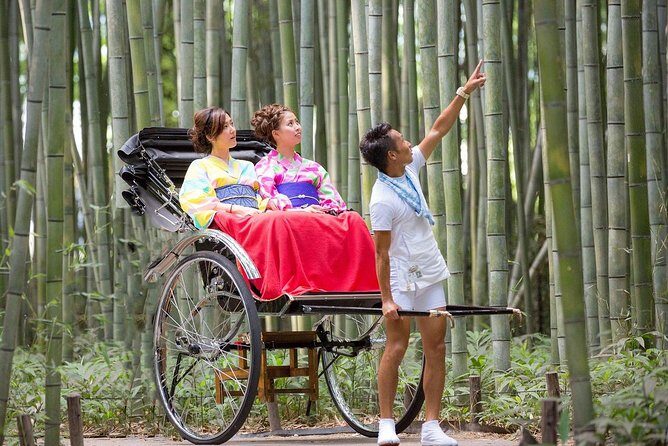
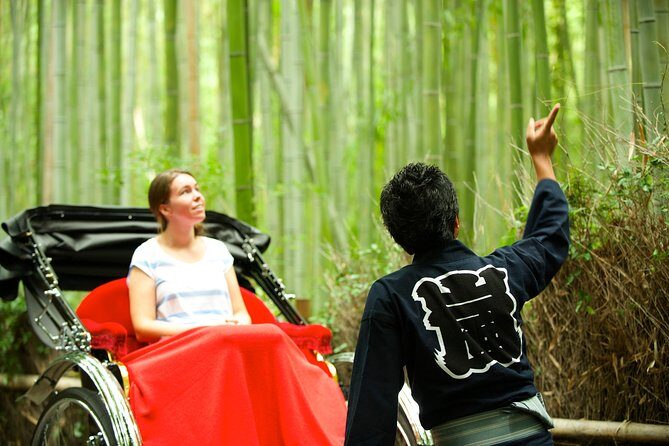
After the machiya stop, the rickshaw route carries you through the bamboo area for photos. Expect this as the heart of the experience: you sit, you look, and your guide handles the route while also pointing out where to aim your camera.
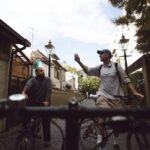
This is where the private rickshaw pays off. In reviews, guides like Atsu were praised not only for skillful driving, but for acting like a photographer too—patiently stopping at scenic spots and explaining what you’re seeing. Another guest mentioned that the driver took great photos on their camera, which is a big relief when you’re traveling with family and want real shots, not constant selfie attempts.
The optional walk into the part of bamboo you can’t reach by rickshaw
During the bamboo section, there’s a key option: you can get off the rickshaw and walk inside a part of the bamboo forest that is listed as inaccessible by rickshaw.
This is worth considering if you like quieter corners and more intimate bamboo shots. It also gives you that stretch of legs you might not get on the full ride time. The tradeoff is simple: walking takes energy, and the overall tour includes slopes, so shoes matter.
If you’re traveling with kids, or if anyone in your group is sensitive to steps or inclines, you can keep it minimal and focus on the photo stops from the ride.

Stop 2: Otagi Nenbutsu-ji Temple and the charm of handmade figurines
Next up is Otagi Nenbutsu-ji Temple, set aside for about 30 minutes. Admission there is not included, so plan on paying on site.
This temple is known in this experience for its quirky, handmade figurines. That word matters. You’re not just looking at a landmark—you’re reading the vibe: small carved figures in a setting that feels both artistic and a little playful.
It’s a good contrast to the bamboo. Bamboo can feel poetic and vertical. Here, you get something more human-scaled and offbeat, which is perfect if you tend to get temple fatigue after a couple of stops elsewhere in Kyoto.
Haiku poet cottage + straw thatch: a quieter kind of Kyoto
After the temple, the route includes an old traditional cottage with a straw-thatched roof, described as a former home of one of Japan’s famous haiku poets. The poet’s name isn’t provided in the tour details you have, but the setting is clearly meant to connect you to the literary side of Japan—not just the postcard side.
I like this stop because it’s less about checkboxes and more about mood. Straw-thatched roofs and old cottages tend to slow your brain down. You start paying attention to textures, light, and the way the path frames the buildings.
Bamboo grove Shinto shrine: brief, atmospheric, and easy to miss
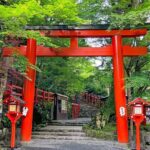
The tour also includes a Shinto shrine nestled in the bamboo grove. You may not spend a long time here, but it’s an important tonal shift. Shinto shrines in wooded areas often feel like a pause button: quieter, more intimate, less about big sightseeing and more about place.
If you’re the type who likes small details—wooden structures, mossy tones, sacred gates—this is one of those moments that makes Arashiyama feel layered.
Preserved district and old pilgrim path: traditional wooden streets outside the downtown rush
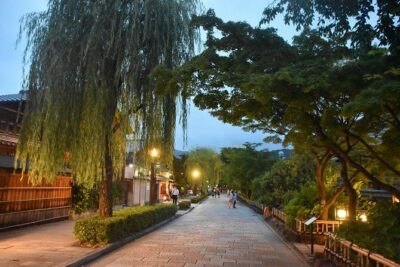
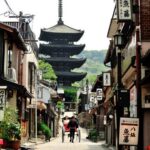
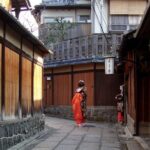
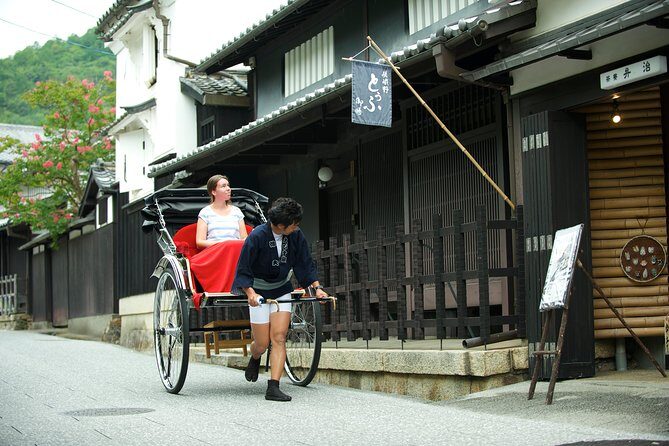
The final scenery piece is a preserved district with an old pilgrim path lined with traditional wooden town houses that you won’t find in Kyoto’s downtown area. This is one of the most practical parts of the tour, even if it doesn’t sound flashy on paper.
Instead of jumping between major attractions, you get a more “lived-in” sense of the area: old streets, the feel of walking routes that visitors once used for journeys of faith or practice. It’s also a nice way to end because it’s easy to absorb and photograph without needing another big ticket site.
What the guide actually does for your day (beyond talking points)
Most of what makes this tour feel worth it comes down to your guide’s hands-on service. In reviews, guides were described as friendly, informative, and good with English. Names that come up include Takumi, Yuya, Shota, Yoshii, Syo, Hirasa, and Aki.
The recurring pattern:
- They keep the ride safe and smooth in narrow streets.
- They stop at the best photo angles.
- They explain what you’re passing and visiting, not just recite facts.
- They help you get photos even if you’re not experienced at framing.
If you’re cold or weather-affected, that matters too. One review mentioned Shota making sure they were comfortable in cold weather, which is the kind of small practical care that turns a good tour into a great memory.
Pacing and walking: a 3-hour rhythm that feels efficient
The total time is listed at about 3 hours 10 minutes. That length is long enough to feel like you accomplished something meaningful in Arashiyama, but short enough that you’re not trapped out all day.
You’ll get:
- Ride time for the bamboo section (reduces effort)
- Short visits and walking segments (adds depth)
- Photo stops that don’t feel rushed
One important note: this experience includes walking up and down a slope. It’s not described as a long hike, but you should expect some incline. If you come straight from a Kyoto train station with flat shoes, switch to something with grip.
Price and value: is $228.62 per person actually fair?
Let’s talk straight about the money. $228.62 per person is a premium for Kyoto sightseeing, but here’s why it can feel fair:
You’re paying for:
- A private rickshaw, not just a shared ride
- A guide who provides context while you’re moving
- Photo stops built into the route
- A mix of stops that includes both traditional architecture (machiya) and a distinctive temple (Otagi Nenbutsu-ji)
Also, one cost-saver built into the experience is that the machiya preservation hall stop is listed with free admission. Temple and garden admissions elsewhere aren’t included, but you’re not paying for everything.
If your priority is maximum photos plus minimum stress in a crowded area, this is the kind of guided format that can save you time and energy—two things that are expensive in Kyoto when lines and crowds slow you down.
Who this tour suits best (and who might want to skip it)
This tour is best for:
- First-time visitors to Arashiyama who want a high-impact route without map chaos
- People who like photo guidance and want portraits and scenic shots done for them
- Anyone who values a mix of bamboo, traditional houses, temples, and old streets—not only one theme
It may be less ideal if:
- You want a long, independent wandering day with no scheduled stops
- You dislike any incline walking (the route includes slopes)
- You prefer fully self-paced sightseeing and don’t want help with pacing or photos
Should you book Kyoto Sagano Insider: Rickshaw and Walking Tour?
If you care about the Arashiyama Bamboo Forest but dread crowds and direction-finding, this is a strong choice. The private rickshaw format gives you speed where you need it, and the walking stops give you the culture details you can’t get from a ride alone.
I’d book it if you want photos that actually turn out, and you like having a guide explain what you’re seeing as you go. If your group has limited mobility or low tolerance for slopes, consider whether you’ll be comfortable doing the walking segments—or choose the option to keep walking minimal.
FAQ
How long is the Kyoto Arashiyama rickshaw and walking tour?
The tour is listed at about 3 hours 10 minutes.
Is the rickshaw shared with other people?
No. This is a private tour/activity, so only your group participates and you do not need to share the rickshaw.
What sights are included on the route?
You visit a traditional Kyoto-style machiya house at Kyoto City Sagatoriimotocho Nami Preservation Hall, you ride through the bamboo forest with photo stops, you visit Otagi Nenbutsu-ji Temple, and you also include stops tied to a straw-thatched cottage associated with a haiku poet, a Shinto shrine in the bamboo grove, and a preserved district with an old pilgrim path lined with wooden town houses.
Are temple admission fees included?
Admission fees to temples and gardens are not included.
Can I walk farther into the bamboo forest?
There’s an optional segment where you can get off the rickshaw to walk inside a part of the bamboo forest that is inaccessible by rickshaw. You should let the provider know if you want this option.
Is there a tea house visit?
The experience overview notes there is a chance to go inside a tea house with your guide.
What languages do the guides speak?
The tour includes guides who speak English and Japanese fluently. There may also be a conversational guide in Chinese, Korean, or Spanish depending on availability.
Where is the meeting point?
The meeting point is 1-1 Sagatenryūji Susukinobabachō, Ukyo Ward, Kyoto, 616-8385, Japan. The tour ends back at the meeting point.
Are there special rules for children?
Children 6 years and older must have a seat and pay the same price as an adult. Children 5 years and under can ride for free if they sit on an adult’s lap (one child per adult). If a child 5 years old is using one of the two seats, they must book as an adult.
Is hotel pick-up included?
No hotel pick-up is included. The meeting point is near public transportation.