REVIEW · CYCLING TOURS
Secret Eastern Kyoto Biking Adventure
Book on Viator →Operated by 株式会社 MATATABI · Bookable on Viator
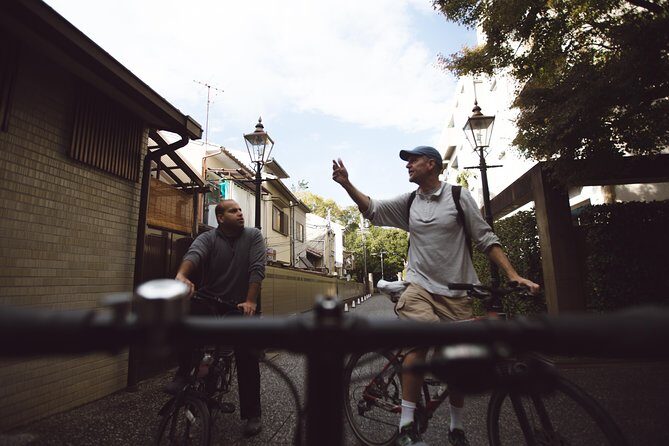
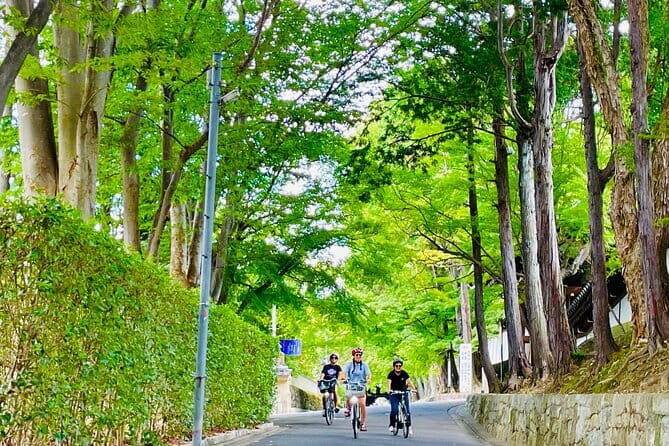
Kyoto on a bike makes the city feel smaller. This small-group ride is built around fast sightseeing without the usual bus delays, using scenic backstreets to help you cover more ground. I like how the tour keeps it moving but never turns into a blur, with lots of cultural talk to break up the ride.
Two things I really appreciate: the chance to see major Kyoto stops like Heian Shrine’s huge torii and Kennin-ji, and the way the route includes an actual tea moment at Murinan. The main consideration is simple: it’s still biking, so you’ll want a moderate fitness level and comfort riding for the full session length.
In This Review
- Key highlights to know before you go
- Eastern Kyoto by bike: why this route beats walking and buses
- Meet at Ōhashichō, ride with a max of 4, and keep the pace manageable
- Gion’s streets and the Shirakawa-Minami wedding-photo angle
- Tatsumi Bridge and photo stops that don’t eat your time
- Heian Shrine: that torii moment you’ll remember
- Nejirimampo (Keage Tunnel): a surprising eastern Kyoto pause
- Nanzenji Fukuchicho: temple grounds with real structure
- Murinan garden and included matcha: your break with local flavor
- The emperor-sign temple and the huge gate moment
- Maruyama Park for cherry blossoms, plus the pond-garden calm
- Nenenokomichi: the path walk that feels different from the big sights
- A famous Kyoto tower stop, then Yasui-Konpiragu’s rock-and-shrine vibe
- Kennin-ji: gardens and paths with enough time to get your bearings
- Back to Gion: the geisha district atmosphere to close the ride
- The guide matters: Ben’s pace and story-led sightseeing
- Price and value: what $119 buys you in eastern Kyoto
- Who this Kyoto biking adventure is best for
- Should you book this Secret Eastern Kyoto Biking Adventure?
- FAQ
- How long is the Secret Eastern Kyoto Biking Adventure?
- How much does the tour cost?
- Do I need paper tickets or can I use a phone?
- Where is the meeting point?
- What is the group size limit?
- Is the tour suitable for kids?
- What fitness level do I need?
- What’s the cancellation policy?
Key highlights to know before you go
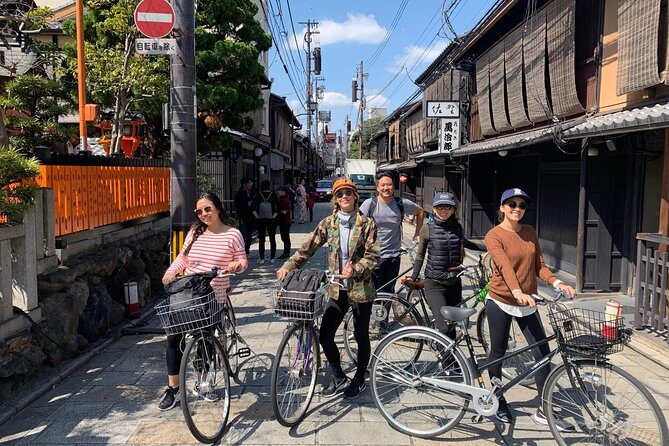
- Small group size (up to 4) makes it easier to keep a calm pace and ask questions
- Backstreets instead of traffic helps you spend time looking, not stuck
- Heian Shrine + Nanzenji area stacks major landmarks with manageable stops
- Keage Tunnel (Nejirimampo) adds a surprising, photo-friendly change of scenery
- Murin an matcha stop includes local green tea and a garden break
- Gion twice gives you two different feels of the eastern Kyoto streetscape
Eastern Kyoto by bike: why this route beats walking and buses
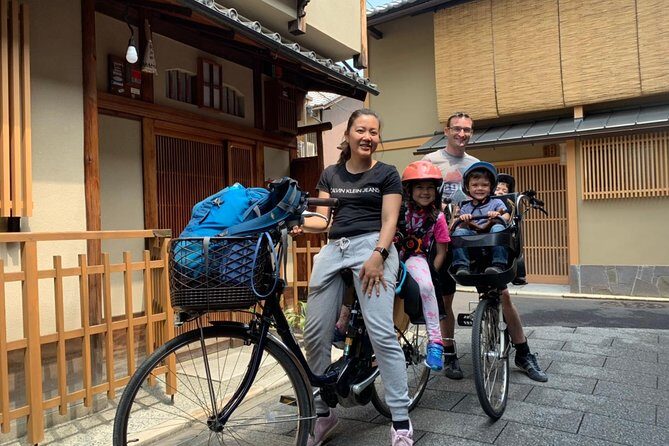
Kyoto is gorgeous, but it’s also big—and that’s where a bike tour can save you real time. Here, the plan is to help you see a lot of key sights in about 2 to 2.5 hours, instead of spending half your trip moving between far-apart areas. You get the freedom of wheels, plus a guide to connect the dots so you’re not just collecting photos.
I also like the practical rhythm of the schedule. Most stops are short (often around 5 minutes), with a few longer ones for temples and gardens. That keeps the experience from dragging, especially if you worry that “bike tour” means constant pedaling without breaks.
The other clever move is the “secret backstreet” idea—skipping traffic where possible. Even when you’re traveling quickly, the point is to keep your eyes on Kyoto, not on dodging buses or waiting for crosswalk timing.
You can also read our reviews of more cycling tours in Kyoto

Meet at Ōhashichō, ride with a max of 4, and keep the pace manageable
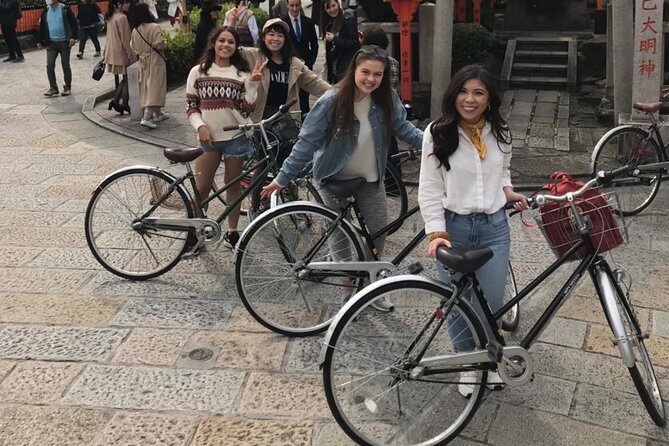
You’ll start and end at the same meeting point: 117 京阪三条北ビル (Kyoto, Higashiyama Ward, Ōhashichō, 605-0009). It’s described as near public transportation, which matters in Kyoto where getting “just one more bus” can turn into an extra time tax.
Group size is the other big factor: the tour caps at 4 travelers. For me, that’s the sweet spot for a city bike ride—small enough for a more personal experience, but not so tiny that you lose the social energy of a group setting.
The duration is listed as about 2 hours to 2 hours 30 minutes, so it’s not an all-day commitment. Still, the tour assumes you have a comfortable baseline for biking. If that makes you nervous, think of it as a guided, stop-and-start sightseeing ride—less about endurance and more about smart pacing.
Also, you’ll use a mobile ticket. That’s a small thing, but it reduces friction on travel days when you’re already juggling transit, maps, and schedules.
Gion’s streets and the Shirakawa-Minami wedding-photo angle
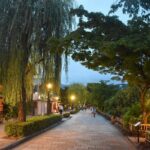
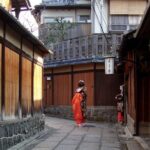
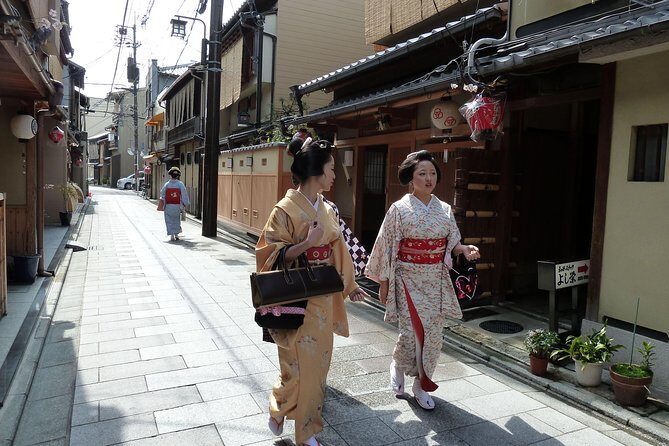
The first stop is Gion, paired with Shirakawa Minami Avenue—an historic Kyoto street that’s become a popular backdrop for wedding photography. That’s a fun clue about what the street looks like: photogenic, character-heavy, and built for slow looking.
Why this works early: you get the “Kyoto feel” right away. The tour doesn’t jump immediately to big temple structures. Instead, you start with the atmosphere—narrow lanes, classic streetscape texture, and a sense of place.
You’ll also get a taste of how the guide handles timing. This is a short stop, about 5 minutes, so it’s meant for a quick loop, a couple of photos, and then you’re back on the bike. If you like wandering, don’t worry—later stops give you more time to sit with the view.
Tatsumi Bridge and photo stops that don’t eat your time
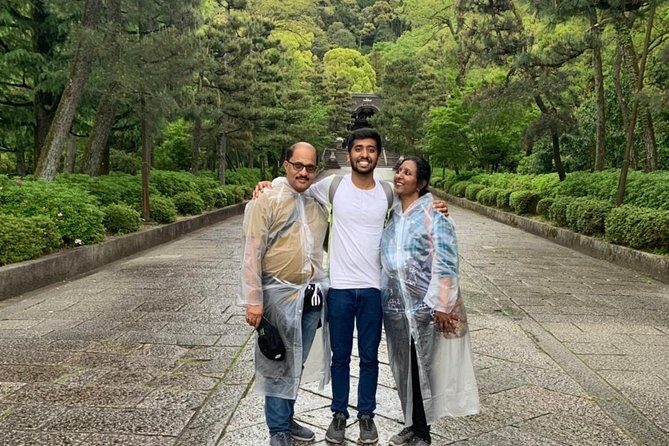
Next up: Tatsumi Bridge, another short photo-friendly stop (about 5 minutes). The value here is that you’re not “stuck” at a single scenic spot for long. Instead, you get these quick picture windows that break up the ride.
In Kyoto, it’s easy to overplan: you can end up spending hours chasing one landmark after another. These brief stops help keep your energy for the bigger segments—temples, shrines, and the tea/garden break.
Heian Shrine: that torii moment you’ll remember
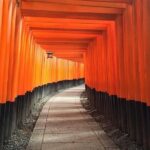
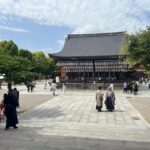
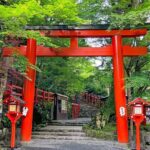
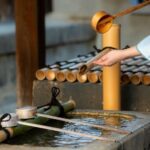
Then comes a major anchor: Heian Shrine. You’ll spend about 20 minutes here, and the standout is the huge torii gate—one of those Kyoto landmarks that instantly signals where you are.
This is also a good spot to slow down, because gates and shrine approaches are part of the experience. It’s not only about seeing a building; it’s about walking in the ordered rhythm of Japanese shrine design and noticing details as you go.
A possible drawback: if you’re someone who hates waiting at photos, you’ll want to read the timing differently. This is a “big landmark” stop, so give yourself space to pause for the torii view and move on when the crowd picture moment passes.

Nejirimampo (Keage Tunnel): a surprising eastern Kyoto pause
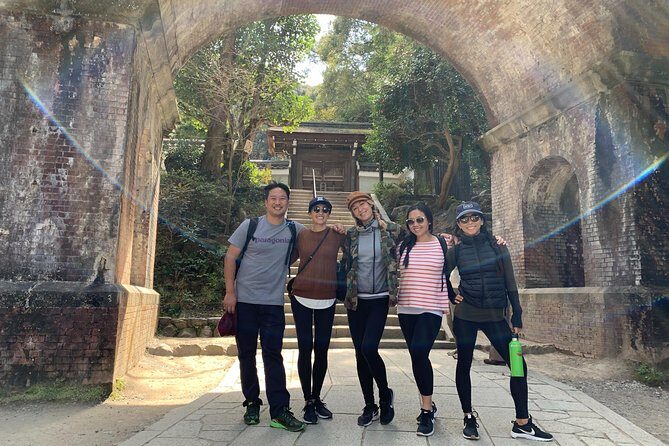
A little later you’ll reach Nejirimampo (Keage Tunnel) for about 5 minutes. It’s described as a great tunnel in eastern Kyoto, and this stop adds variety to the day.
If your Kyoto trip is mostly temples and shrine grounds, a tunnel moment can feel like a reset. It’s a change of scenery—something more everyday and unexpected than the “postcard Kyoto” you might expect.
This is the kind of stop that works well on a bike route: quick, visual, and placed at a point where you’ve likely already warmed up.
Nanzenji Fukuchicho: temple grounds with real structure
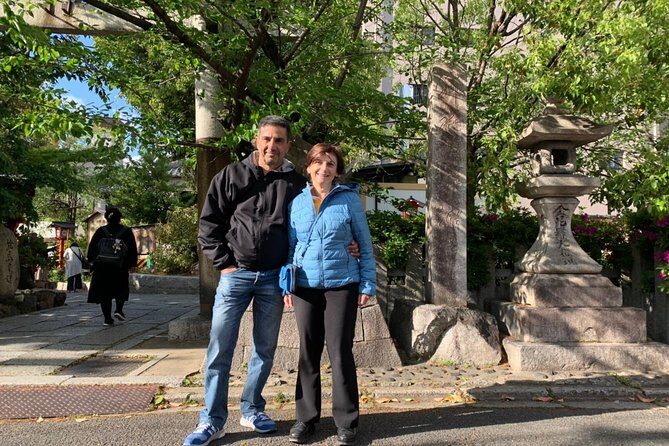
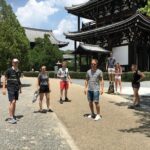
Next is Nanzenji Fukuchicho, another stop around 20 minutes. It’s described as one of the head of temples in eastern Kyoto, which matters because it changes how you look at the area.
Instead of viewing a temple visit as a single spot, this kind of designation hints that the place operates as a larger religious site with hierarchy and meaning. Even if you don’t read Japanese signage, a structured temple area gives you something to orient to—courtyards, approaches, and paths designed for movement.
A practical note: 20 minutes is enough to walk key paths and take photos, but it’s not enough for a deep, wandering day. If you want extra time, you’ll need to plan a separate visit. On this bike tour, the goal is the highlight pass.
Murinan garden and included matcha: your break with local flavor
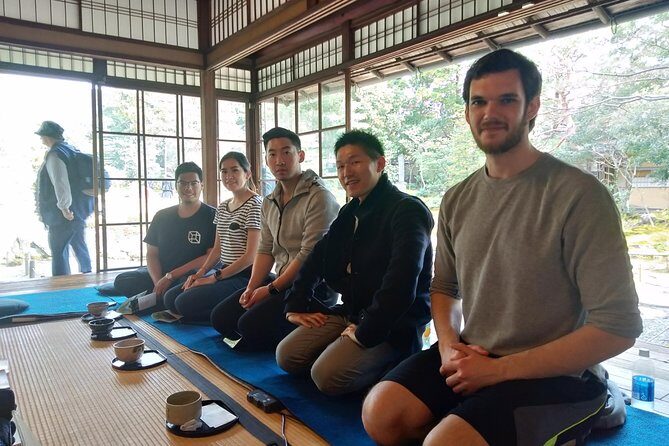
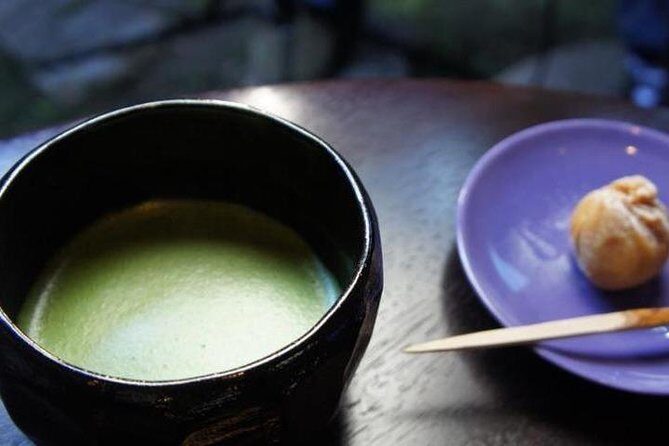
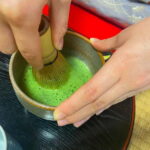
This is where the tour turns from sightseeing into a small cultural reward. You’ll visit Murin an for about 20 minutes, and the matcha tea is included (with a local garden setting).
Why I think this stop is worth it: a included tea break is a smart way to pace the tour. Instead of guessing where to find a good matcha while biking through Kyoto, you get a set moment built into the plan.
It also gives you a contrast to temple visuals. You’re not only looking at old stone and shrine structures; you’re tasting a Kyoto-style drink and slowing down enough to appreciate the garden setting.
If you’re picky about tea, the upside is that it’s a dedicated stop rather than a rushed “grab something nearby” situation. If you like matcha, you’ll leave this part feeling like you didn’t just bike around—you also sampled something local.
The emperor-sign temple and the huge gate moment
The itinerary includes a great temple with an emperor’s sign and then another stop described as a huge gate and temple. Since the names aren’t specified here, I’ll keep this honest: you should expect these to be “Kyoto wow” stops built for atmosphere and photo impact.
Even without the exact label, this kind of temple landmark works well in a bike route because it satisfies the urge to see big architecture. Think wide entrances, statement gate forms, and a sense that you’ve entered a special space rather than just passed by it.
Timing here is typically short compared to the main temple and shrine segments, so treat these as “arrive, look, take it in, move on.”
Maruyama Park for cherry blossoms, plus the pond-garden calm
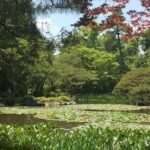
Next you’ll ride to Maruyama Park, a stop focused on the cherry blossom season. It’s described as the greatest place for cherry blossoms, with a beautiful garden and pond.
Even if you’re not traveling during peak bloom, this matters. Kyoto parks often feel like living rooms for the locals during seasonal moments. A pond garden setting gives you a “pause your brain” space after temple-and-street visual intensity.
The stop length listed is about 5 minutes, so you’ll get a taste rather than a long picnic moment. If blossoms are your top priority, this tour can help you hit the area efficiently—but you may still want a second visit for a slower wander.
Nenenokomichi: the path walk that feels different from the big sights
After Maruyama Park you’ll visit Nenenokomichi, described as a beautiful path with interesting scenery. This is another quick stop (about 5 minutes), which means you should expect short, scenic walking rather than a long hike.
I like this kind of stop because paths change your perspective. Temples and shrines often face you head-on through gates and courtyards. A path makes you move with the environment, letting views unfold rather than showing themselves all at once.
A famous Kyoto tower stop, then Yasui-Konpiragu’s rock-and-shrine vibe
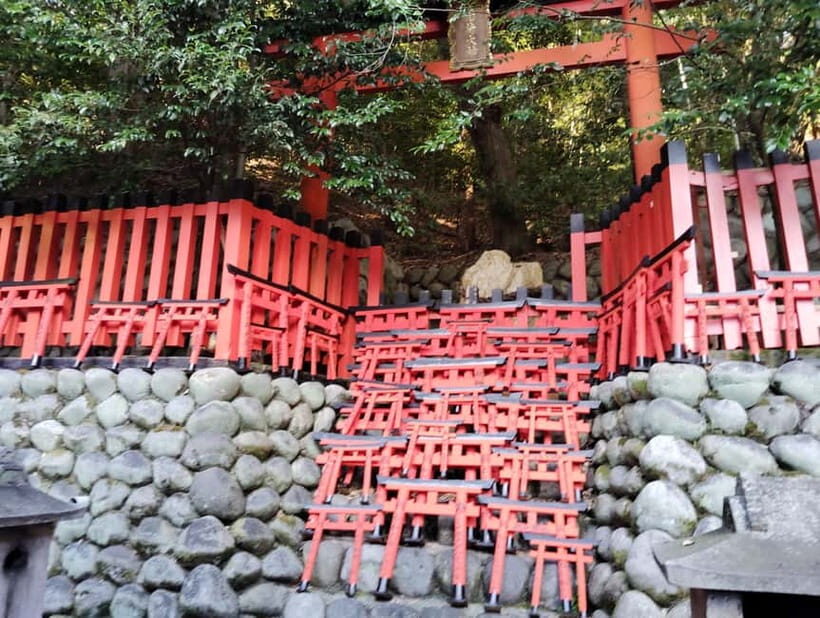
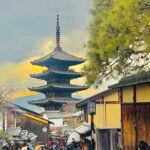
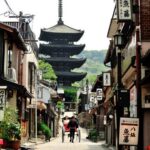
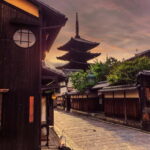
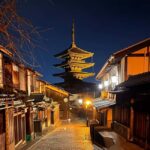
The route includes a stop described as one of the most famous tower in Kyoto. Then you’ll head to Yasui-Konpiragu, described as having a greatest rock waiting for you (about 5 minutes).
This pairing creates a nice rhythm:
- a quick skyline moment (tower),
- then a shrine moment focused on a standout physical feature (the rock).
Yasui-Konpiragu is the kind of place where the “thing you came for” is obvious from a distance. Even in short time windows, a signature element helps you feel you accomplished something specific.
Kennin-ji: gardens and paths with enough time to get your bearings
Then you reach Kennin-ji Temple for about 5 minutes—described as having huge gardens and path. The phrase “huge gardens” is important here: even a short stop can feel meaningful if the guide points you to the best approach and viewpoints.
This is another reason I like the small-group format. With only a handful of riders, the guide can manage where you stop so you aren’t all climbing the same tiny angle at once.
If you’re the type who loves lingering, keep in mind this tour is designed for highlights. You’ll likely get the key visual impression, but not a full slow-temple day.
Back to Gion: the geisha district atmosphere to close the ride
Finally, you end with another Gion stop (about 5 minutes), specifically described as the geisha district. Seeing Gion twice during one ride is a smart move because it lets you compare what’s in your frame at different times in your route.
Short ending stops can be great in Kyoto. By the time you reach the final stretch, you usually know what you liked most earlier—so you can decide whether you want to pause for longer on your own after the tour.
And because the activity ends back at the meeting point, it’s easy to plan your next meal or walk without changing your base.
The guide matters: Ben’s pace and story-led sightseeing
The standout theme in the experience is how the guide handles pacing. Ben is mentioned as offering a professional level of guidance, with the flexibility to let you go at your own pace. That matters more than it sounds, because Kyoto streets can be visually dense—you want room to look without feeling rushed.
The tour description also emphasizes that you won’t get bored: the ride includes a lot of descriptions of Japanese and Kyoto culture. Even when stops are short, that narration can turn a photo stop into a real “I understand what I’m seeing” moment.
For me, the best guided tours do two jobs at once:
1) keep you safe and moving on a bike,
2) give you enough context that the sights aren’t just pretty.
This tour leans into both, and the small maximum group size supports it.
Price and value: what $119 buys you in eastern Kyoto
At $119 for about 2 to 2.5 hours, you’re paying for three things: expert route direction, time saved, and included cultural moments.
Here’s the value angle that makes this feel fair:
- Many stops are listed as free admission (so you’re not stacking entrance fees).
- You get a structured hit list across eastern Kyoto’s major areas: Gion, Heian Shrine, Nanzenji Fukuchicho, plus the garden/tea moment at Murinan.
- The included matcha tea gives you a tangible “you got something” item, not just photo time.
Most importantly, biking is efficient. If you tried to stitch together the same mix of Gion + major shrines/temples + a tea stop on your own, you’d spend energy on planning, transit, and route timing. Paying $119 buys you that coordination, and it buys you the chance to use backstreets to avoid traffic friction.
If you’re traveling with a tight schedule and want to see highlights without feeling rushed between far neighborhoods, this is where the price makes sense.
Who this Kyoto biking adventure is best for
This works best if you:
- want a highlight-heavy Kyoto visit without renting a bike and figuring out everything alone,
- like a mix of big landmarks and smaller “quick wow” photo stops,
- enjoy cultural explanations while you move, not only when you stop,
- can handle moderate biking for the full tour window.
It may not be ideal if you:
- hate biking even for short distances,
- need lots of unstructured time at each temple (this ride is designed for managed stops),
- expect a super long, slow-paced garden wander.
Should you book this Secret Eastern Kyoto Biking Adventure?
I’d book it if you want a focused way to see eastern Kyoto’s big names—Heian Shrine, Nanzenji area, Kennin-ji, and Gion—with the practical advantage of bike mobility. The included matcha at Murinan adds real value, and the small group size helps the guide keep things calm and tailored.
If you’re unsure, use this rule of thumb: if you feel good with moderate fitness and want a tour that helps you see more in less time, this fits. If you want a mostly on-foot, hour-per-site temple day, you’ll likely prefer a slower day plan.
FAQ
How long is the Secret Eastern Kyoto Biking Adventure?
It’s listed as about 2 hours to 2 hours 30 minutes.
How much does the tour cost?
The price is $119.
Do I need paper tickets or can I use a phone?
You get a mobile ticket.
Where is the meeting point?
The meeting point is at 117 京阪三条北ビル, Kyoto, Higashiyama Ward, Ōhashichō, 605-0009.
What is the group size limit?
The tour has a maximum of 4 travelers.
Is the tour suitable for kids?
Children aged 1 to 3 are welcome, but you need a special bike. An additional fee of ¥2,500 per bike is charged on the day of the tour if available.
What fitness level do I need?
Travelers should have a moderate physical fitness level.
What’s the cancellation policy?
You can cancel for free up to 24 hours in advance for a full refund. If you cancel less than 24 hours before the start time, you won’t receive a refund.