REVIEW · KYOTO
Kyoto: Fully customizable your own tour in the old capital
Book on GetYourGuide →Operated by norinori tours · Bookable on GetYourGuide
Kyoto can be overwhelming fast, especially if you land on the wrong route. This fully customizable private tour helps you hit the right sights, skip the wrong ones, and add food and shopping where you actually want them. You’re not stuck following a fixed loop.
I really like two things about how this day is set up. First, the guide (Nori) focuses on smooth planning and clear communication, with the kind of practical flexibility that matters when weather changes. Second, you get a guide who mixes solid English with local know-how, so you can ask questions and actually understand what you’re seeing—without it feeling like a lecture.
One consideration: expect to pay extra on-site for temple entrance fees and for local public transport and lunch costs for the guide. If you’re counting every yen, it’s smart to budget early and carry cash, since some small shops don’t take cards.
In This Review
- Key highlights you’ll feel on the ground
- Why a fully customizable Kyoto day feels different
- Meeting Nori: pick-up from Kyoto Station or Shijō Station
- How your route gets built: temples, shrines, markets, and quiet lanes
- Golden Pavilion and Zen temple time (without the rushed feeling)
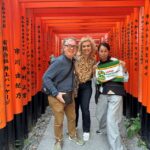
- Fushimi Inari, Gion, and the Kyoto you notice after the photos
- Arashiyama and Kiyomizudera: scenery days that still feel personal
- Nishiki Market and lunch choices that match your appetite
- Nijo Castle and the less-expected Kyoto side
- Price and value: what $365 per group actually buys
- Pacing, comfort, and the small logistics that matter
- When this tour is the best match for you
- Should you book this customizable Kyoto tour?
- FAQ
- How long is the Kyoto customizable tour?
- Is this tour private?
- Where can you be picked up and dropped off?
- What languages does the guide speak?
- What’s included in the price?
- What is not included?
- What lunch options can be arranged?
- Can I cancel for a full refund?
Key highlights you’ll feel on the ground
- Private, interest-based routing: your day is built around what you care about, not a generic checklist.
- Nori as your guide: strong English and local context help you move through Kyoto with confidence.
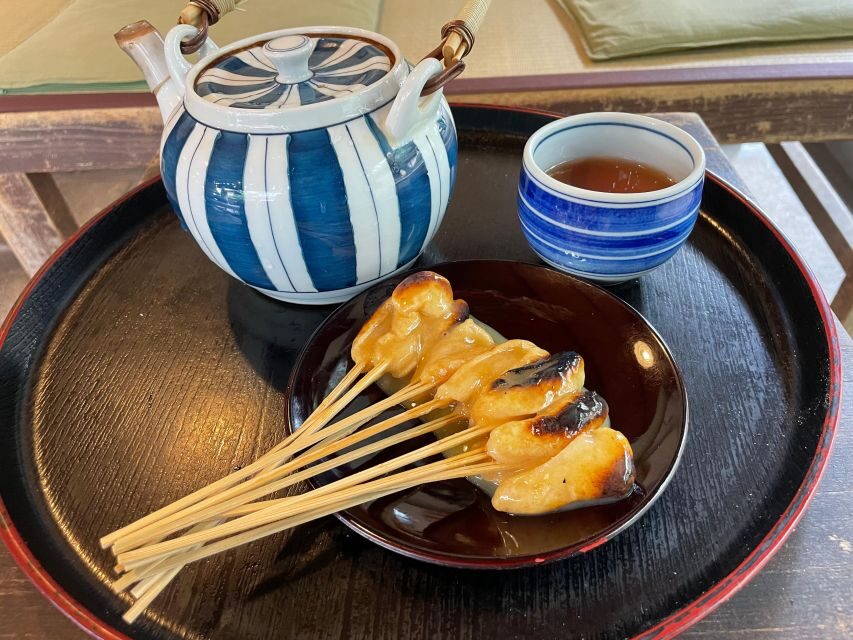
- Food and shopping can be part of the route: lunch choices include ramen, udon, soba, tonkatsu, yudofu, or kaiseki.
- Easy start and finish: pick-up from your hotel or either Kyoto Station or Shijō Station, then drop-off back to the same options.
- A mix of transit and walking: the plan includes multiple public-transport legs (about 30 minutes) and short on-foot sections (about 20 minutes).
Why a fully customizable Kyoto day feels different
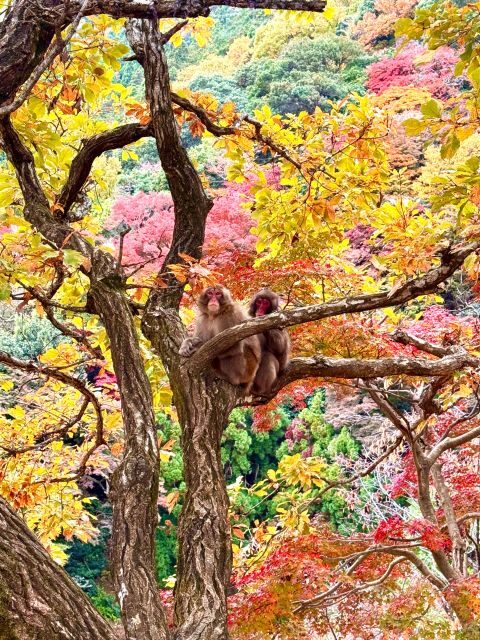
Kyoto isn’t one attraction. It’s a patchwork of neighborhoods, temples, markets, and street food alleys that change character block by block. A fixed group tour can work, but it often forces you to trade off what you really want for what fits the schedule.
This tour is different because it’s built from your preferences first. You can aim for the big-ticket landmarks—like the Golden Pavilion and Fushimi Inari—and also add smaller, quieter stops when you want less crowd energy. And if your idea of a great Kyoto day includes eating well and finding traditional items, those parts can be planned in, not tacked on at the end.
You’re also not doing it alone. Your guide walks beside you like a pro but feels more like a local friend who knows where to go and how to explain it. That matters in Kyoto, where even “simple” spots can have tricky entry timing, confusing signage, or long lines if you arrive at the wrong moment.
You can also read our reviews of more tours and experiences in Kyoto.

Meeting Nori: pick-up from Kyoto Station or Shijō Station
The day starts with hotel pick-up and drop-off, with options to meet at either Shijō Station or Kyoto Station. That flexibility is underrated. Kyoto can be tough if you’re dragging luggage, changing hotels, or trying to coordinate with friends—so having defined pick-up points saves time.
Once you meet your guide, you’ll go together toward the areas you’ve selected. The route includes several public-transport segments (each around 30 minutes in the provided plan), plus walking sections (around 20 minutes). Translation: you’ll spend more time seeing Kyoto and less time stuck waiting or figuring routes out in the rain.
Also, the guide’s background is part of the value. Nori has lived in the US, UK, and India for about 20 years and has traveled widely. That kind of experience usually shows in how he communicates: not just what to see, but how to understand it.
How your route gets built: temples, shrines, markets, and quiet lanes
Your guide will build the route with you before you start—or as you go, as your preferences become clearer. That’s the core idea: you’re not choosing between attractions; you’re choosing what kind of Kyoto day you want.
Here are the types of stops that can fit into your plan:
- Temple and shrine areas: major sites plus calmer nearby options
- Local markets: places to browse and snack in between sights
- Food stops: lunch based on what you’re in the mood for
- Shopping for traditional items: guided so you don’t just wander aimlessly
In practice, this means you can shift the day when priorities change. If you want more scenery and fewer lines, you can. If you want culture and detail, you can. If you want to eat your way through Kyoto, you can do that too.
One useful approach: decide whether you want “classic highlights” or “Kyoto character.” This tour supports both. You can do Golden Pavilion and Fushimi Inari, but also mix in places like Arashiyama, Gion, Nishiki Market, and other temple areas depending on your interests.
Golden Pavilion and Zen temple time (without the rushed feeling)
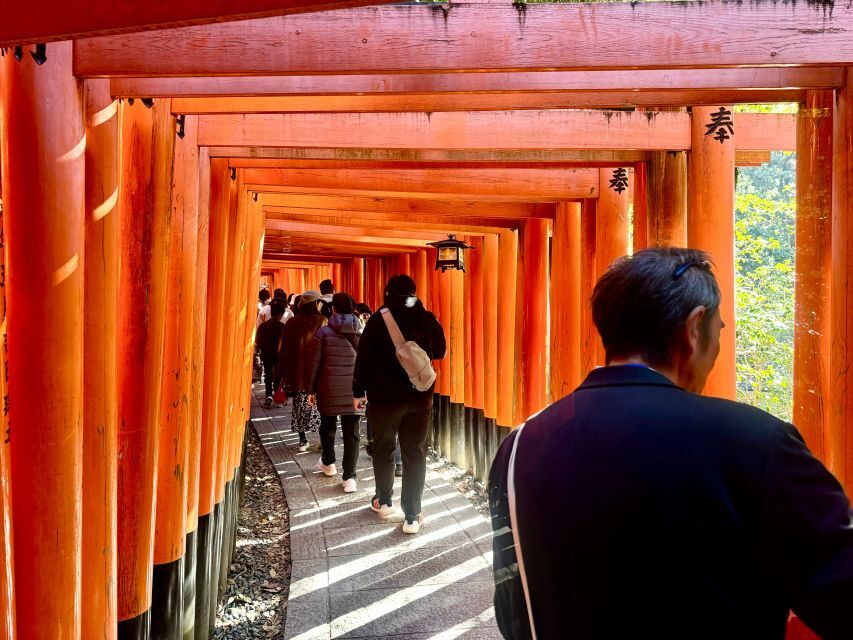
When Kyoto is done right, you don’t just point at buildings. You notice the rhythm: gardens, stone paths, and the pause between one photo and the next.
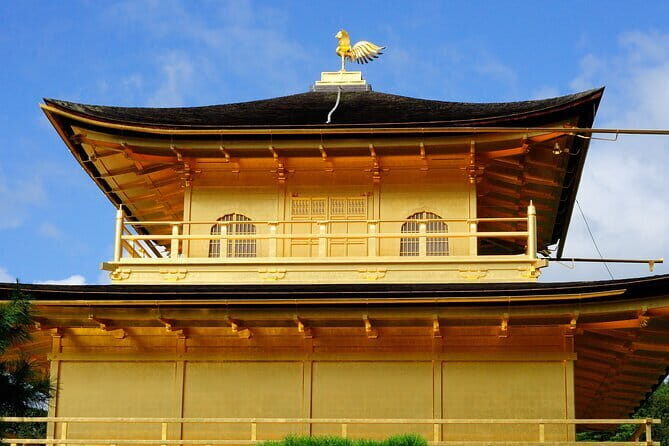
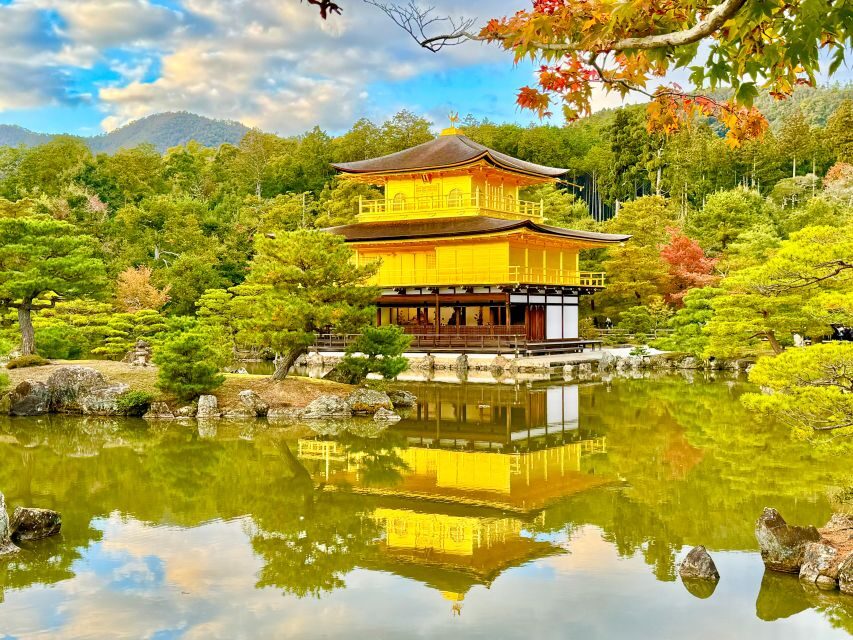
If you include the Golden Pavilion (Kinkaku-ji), expect a place that’s visually striking and easy to recognize from photos. But here’s where a guide helps: it’s not only about seeing it—it’s about understanding why this kind of Zen-adjacent landscape design became such a Kyoto signature.
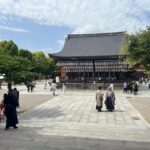
If you want to go deeper into Zen spaces, you can pair big sights with temple areas like Ryoanji or Daitokuji (both are listed as potential inclusions). These are the kinds of stops where your guide can help you slow down and appreciate what you’re looking at, especially if you’re not sure what the garden layouts or temple architecture are trying to communicate.
Potential drawback with Zen-style temple days: you’ll be on your feet, often in ways that aren’t super shoe-friendly. Plan for comfortable footwear, and remember that Kyoto temples usually involve stair steps and uneven ground. The good news is the walking sections in the plan are limited to shorter stretches, so you’re not doing a marathon.
Fushimi Inari, Gion, and the Kyoto you notice after the photos
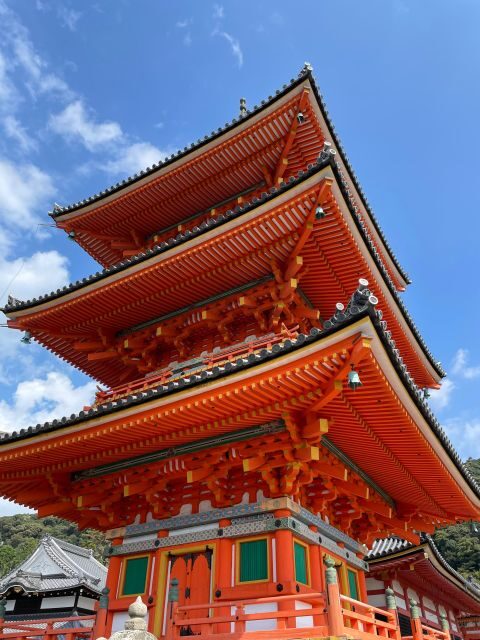
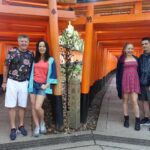
Fushimi Inari is famous, and for good reason. The vibe is immediate: winding paths, lots of people, and that distinct sense of being in a shrine environment that feels alive even when you’re surrounded.
With a private route, you can shape the experience. Your guide can help decide how you want to approach the area—whether you want to focus on the main corridors for the classic feel, or mix in other nearby options for a less crowded mood.
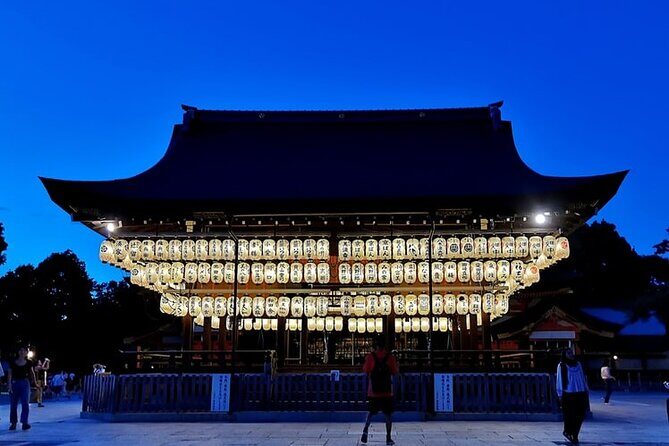
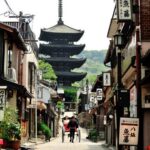
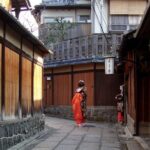
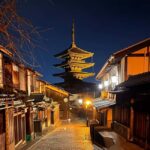
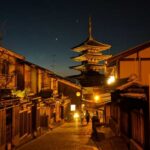
Then there’s Gion, the old-atmosphere district where Kyoto’s traditions show up in everyday form: streets, small shops, and a neighborhood rhythm that feels different from temple grounds. If you want your day to feel like more than sightseeing, this is where it starts to click.
The best part of having a guide here is simple: you’re not just moving from one postcard to another. You’re learning how the city’s layout and culture connect—so when you see something small, you know whether it matters.
Arashiyama and Kiyomizudera: scenery days that still feel personal
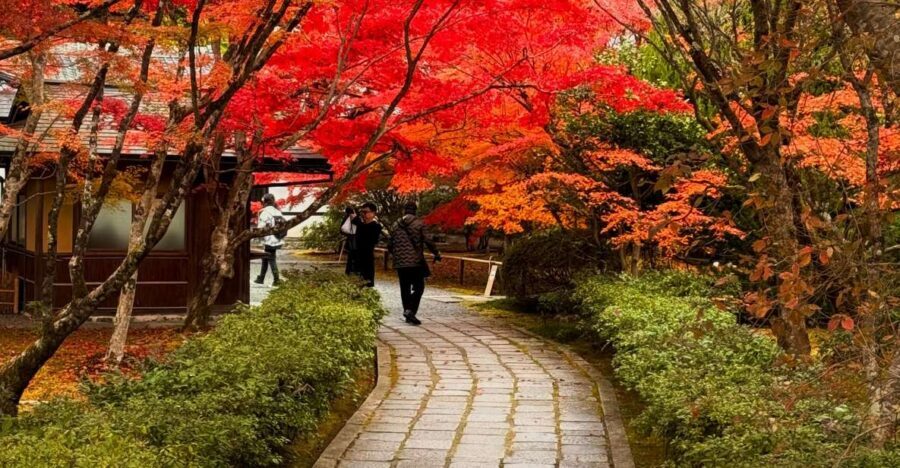
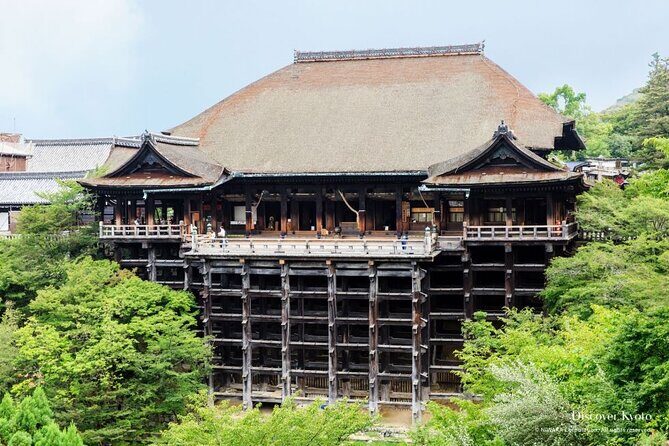
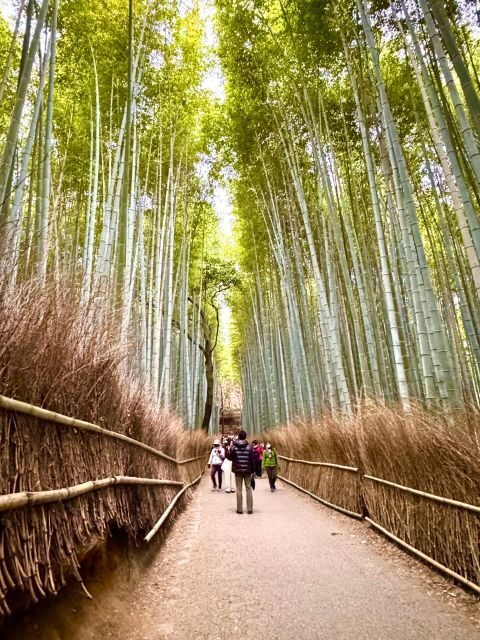
If your Kyoto wishlist includes Arashiyama or Kiyomizudera, you’re choosing two areas that feel visually “Kyoto” right away. They’re also great candidates for a customized day because you can adjust how you experience them.
Arashiyama can be a natural-and-temple blend, and Kiyomizudera brings the historic temple atmosphere together with wide views. The tour’s structure—multiple transit segments with short walks—helps you cover these zones without feeling like you’re constantly sprinting between far-apart points.
A practical note: scenery stops tend to produce photo timing issues. Light changes. Crowds move. Wind happens. Having Nori guide you through what to prioritize can turn a frustrating “wait and guess” day into something smoother.
Nishiki Market and lunch choices that match your appetite
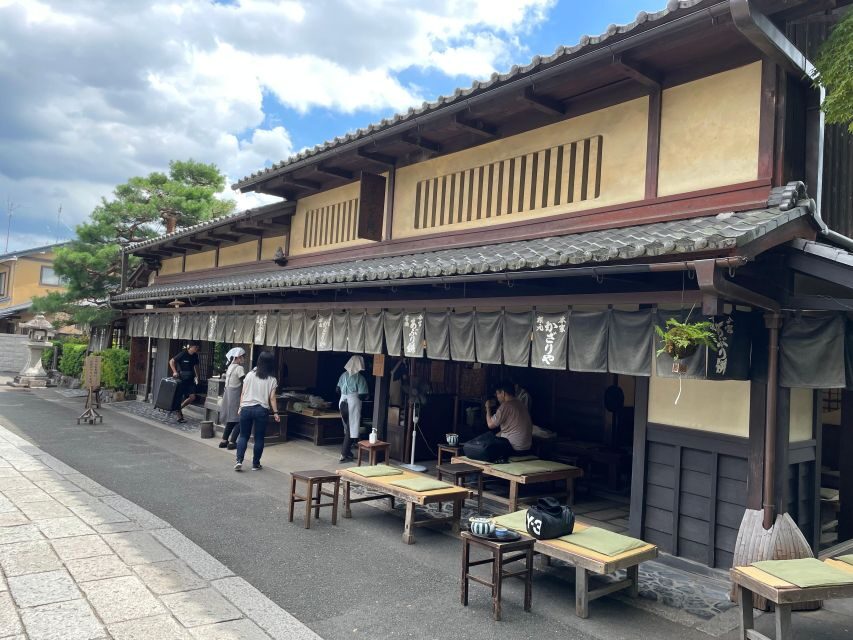
For me, one of the biggest wins of this tour is that it doesn’t treat food like an afterthought. Your guide will ask your preference, and lunch can be at a place you choose.
The listed lunch options give you a clear sense of range:
- ramen
- udon
- soba
- tonkatsu
- yudofu
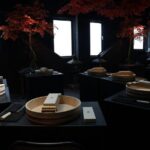
- traditional kaiseki
This matters because Kyoto food isn’t only about taste. It’s about when and where you eat. Markets like Nishiki are ideal for that “Kyoto in miniature” feeling—shops, snacks, and browsing that naturally fills gaps between heavier temple time.
If Nishiki Market is in your plan, go with an open mind and a snack budget. Markets are designed for wandering. Having your guide with you helps with what to try and how to handle menus and ordering when your Japanese vocabulary is doing its best impression of a blank page.
One more practical detail: lunch costs for the guide are not included, so you’ll want to keep that in mind when budgeting. The tour fee covers the guide/interpreter and hotel pick-up/drop-off, but on-the-ground meals have guest responsibilities.
Nijo Castle and the less-expected Kyoto side
Not everyone expects Kyoto to feel like a living museum of different eras at once, but it can. Adding something like Nijo Castle (another example inclusion) shifts the day toward historic structures and a more formal sense of heritage.
This can be a smart move if you’re balancing temple-heavy planning. A castle stop can break up the day, and it also gives you a different lens on the city—less about walking paths and more about architecture and history.
Because your route is customizable, you can decide how much of that “big heritage” side you want. Prefer more markets and neighborhoods? You can lean that way. Prefer more structured sights? The route can be built around those priorities.
Price and value: what $365 per group actually buys
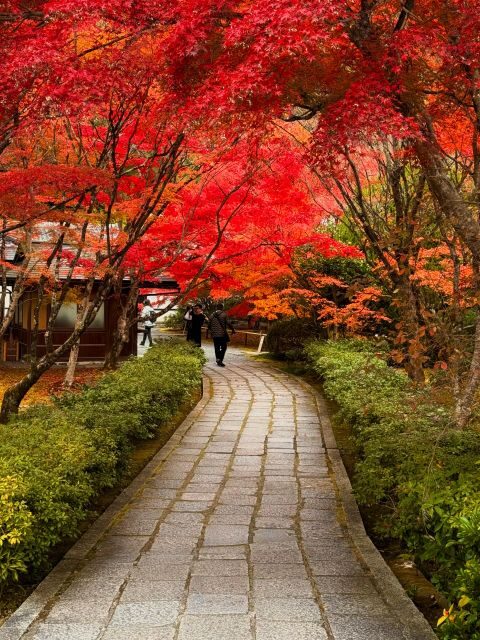
The price is $365 per group, for up to 6 people, for an 8-hour private experience. That setup makes this feel affordable compared to piecing together multiple private services in Kyoto—especially because you’re not only paying for translation.
What you’re really paying for:
- interpreter/guide service
- hotel pick-up and drop-off
- a route built around your interests, including optional food and shopping
What’s not included (and this is important for value math):
- entrance fees
- transportation fees (including guide transport)
- lunch fee (including lunch for the guide)
You should also plan for temple entrance fees on-site. The information provided estimates temple entrance fees around 500 yen. Actual costs vary by site, but that rough number helps you avoid sticker shock.
Also, this is private. That changes the value equation. In a group tour, one person’s preferences decide the route. Here, you’re steering the day. If you’re traveling as a small party who wants a Kyoto day that feels personal, the cost can feel very reasonable.
Pacing, comfort, and the small logistics that matter
Kyoto isn’t hard, but it is particular. The tour’s timing includes several public-transport stretches of about 30 minutes, with walking segments of about 20 minutes. That’s a manageable rhythm if you wear comfortable shoes and don’t treat it like a sit-down museum day.
A few practical tips based on what you’re told to prepare for:
- Wear comfortable shoes. This is the number one upgrade you can make.
- Bring enough cash in Japanese Yen. Some smaller stores may not accept credit cards.
- Expect extra costs for temple entrances and local transport. It’s normal here.
One more thing: there are clear limitations on suitability. The tour is not suitable for children under 10, pregnant women, or people over 70. That doesn’t mean it’s unsafe, but it does mean the experience is built around a day of walking, stairs, and active movement.
When this tour is the best match for you
This is a great choice if you want:
- a custom Kyoto itinerary built around your tastes
- a guide who can recommend food and shopping, not just sights
- a private setup that keeps your group together
- flexibility if weather or energy levels shift
It’s also ideal for first-timers who feel overwhelmed by Kyoto’s geography. If you know you want the Golden Pavilion and Fushimi Inari but aren’t sure what fits after that, a guided route saves you from the classic Kyoto mistake: rushing through five major spots without enjoying any of them.
And it can work for repeat visitors too. If you’ve done the highlights already, you can ask for quieter, less-crowded temple options and neighborhood time rather than redoing the same loop.
Should you book this customizable Kyoto tour?
If your priority is a Kyoto day that feels tailored—temples plus food plus shopping, with a guide like Nori who communicates clearly—this tour is a strong pick. The private format up to 6 people gives you control without turning your day into a self-guided puzzle.
I’d skip it if you’re trying to avoid extra spending. Entrance fees, local public transport, and lunch costs for the guide are on you. And because the tour isn’t suitable for certain age groups and pregnant travelers, it’s best to match the physical pacing to your needs before booking.
FAQ
How long is the Kyoto customizable tour?
The tour runs for 8 hours.
Is this tour private?
Yes. It’s a private group for up to 6 people.
Where can you be picked up and dropped off?
You can be picked up from your hotel or from one of the listed pickup options (Shijō Station or Kyoto Station). At the end of the tour, you can be dropped off at either Kyoto Station or Shijō Station.
What languages does the guide speak?
The guide is available in English and Japanese.
What’s included in the price?
The included items are the interpreter/guide fee and hotel pick-up and drop-off.
What is not included?
Entrance fees, transportation fees (including transport for the guide), and lunch fees (including lunch for the guide) are not included.
What lunch options can be arranged?
You can have lunch at a place you choose, with options such as ramen, udon, soba, tonkatsu, yudofu, or traditional kaiseki.
Can I cancel for a full refund?
Yes. Free cancellation is available up to 24 hours in advance for a full refund.