REVIEW · ARASHIYAMA TOURS
Kyoto: Arashiyama Bamboo, Temple, Matcha, Monkeys & secret spots
Book on Viator →Operated by Japan Tour Adventure · Bookable on Viator
Arashiyama is famous for one photo, then it spills into calm. This small-group walking tour is built to take you beyond the bamboo line and into private garden time plus major sights like Tenryu-ji. You also get the payoff viewpoint at the end.
I especially like the small-group setup (max 12) because you can ask questions and slow down when something grabs your attention. I also like that the tour includes key entrance tickets—so you’re not scrambling to buy things mid-walk.
The main consideration is the end hike. Getting to Monkey Park Iwatayama involves a steep 15–20 minute climb, so good walking shoes and a realistic pace matter.
In This Review
- Key things that make this Arashiyama tour worth your time
- Why Arashiyama feels bigger with a guide (not just a checklist)
- Price and value: what your $89.54 is really buying
- Meeting point, start-to-finish flow, and how the timing plays out
- Stop 1: Arashiyama Park and bamboo-area views without chaos
- Stop 2: Okochi Sanso private garden and warming matcha
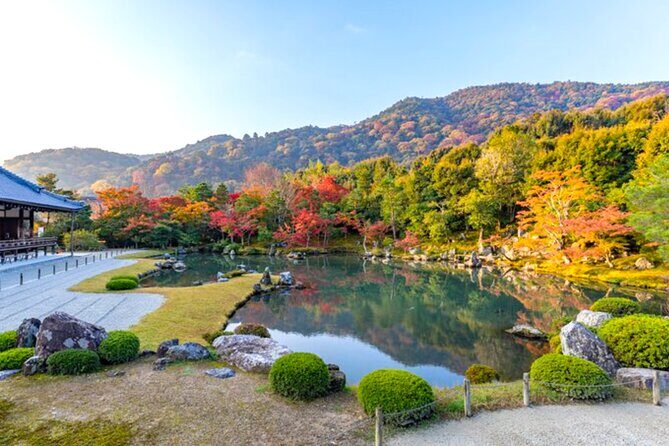
- Stop 3: Tenryu-ji Temple—ponds, nature, and the temple rhythm
- Stop 4: Arashiyama shopping street time with translation support
- Stop 5: Togetsukyo Bridge for river views and quick photo payoff
- Stop 6: Arashiyama Monkey Park Iwatayama—what the hike is like
- The guides: why names keep coming up
- Is the small-group size worth it?
- What to bring (so the day stays fun)
- Should you book it? My honest yes-or-no
- FAQ
- How long is the Kyoto Arashiyama Bamboo, Temple, Matcha, Monkeys tour?
- Is this tour a bus tour or a walking tour?
- What’s included in the price?
- How hard is the Monkey Park Iwatayama hike?
- Where do we meet, and where does the tour end?
- What if the weather is bad or I need to cancel?
Key things that make this Arashiyama tour worth your time
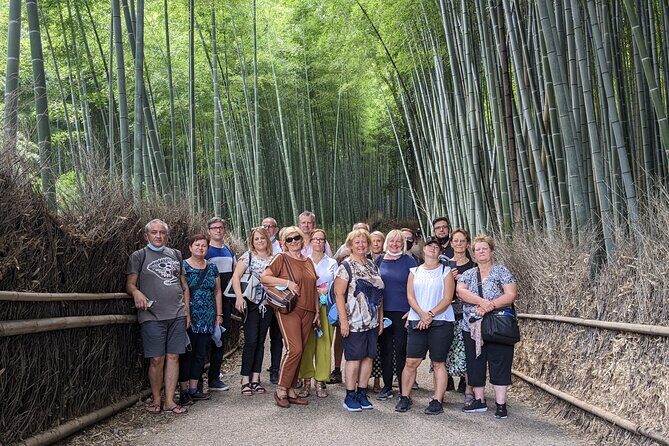
- You go past the bamboo photo rush and keep walking toward quieter spots
- Okochi Sanso is a private garden experience with matcha served in a former tea house setting
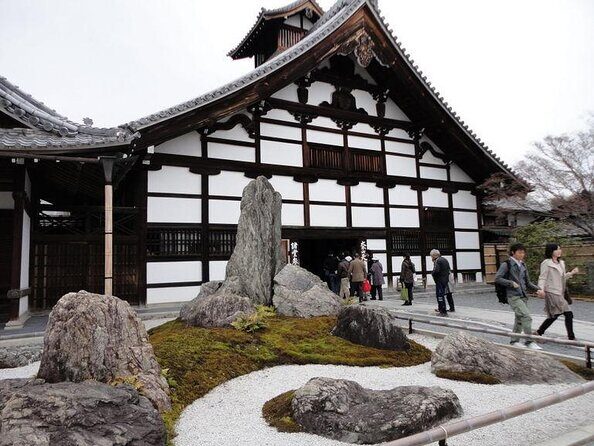
- Tenryu-ji includes indoor-and-outdoor viewing, plus the pond and koi
- Shopping street time comes with translation help, so you can actually ask what you want
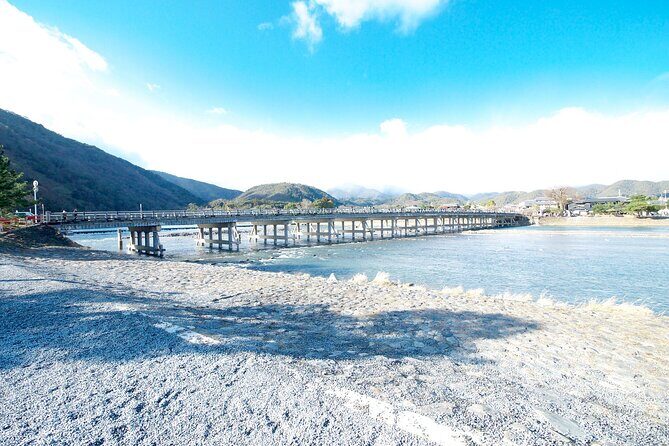
- Togetsukyo Bridge is a quick, high-impact photo stop by the river
- Monkey Park ends the day with a viewpoint, but it’s a steep hike up
Why Arashiyama feels bigger with a guide (not just a checklist)
Arashiyama can be one of those places where you see the famous stuff and still feel like you missed the mood. This tour is designed to do the opposite: it turns that famous bamboo start into a full walk through temple grounds, garden calm, and riverside scenery.
The difference isn’t magic. It’s routing and pacing. With a guide, you’re not guessing which lanes to take, when to stop, and what you’re looking at once you get there. And because it’s a walking tour, you’re moving with the geography instead of being dropped off and herded around.
You’ll also notice the human side. Multiple guides in past groups have been praised for humor, patience, and keeping the day from feeling like a timed sprint. You might even get fun, small moments—like one guide sharing a playful coin-toss trick at a shrine stop.
You can also read our reviews of more tours and experiences in Kyoto.



Price and value: what your $89.54 is really buying
At $89.54 per person for about 5 hours, the value comes from what’s included—not the headline number. Your money covers the guide fee and entrance tickets for three major stops: Okochi Sanso, Tenryu-ji, and Monkey Park Iwatayama.
Add in the “soft extras” that matter in Japan: shopping and translation assistance. That’s not just helpful for food or souvenirs. It’s what lets you interact with people and read what’s in front of you instead of feeling stuck.
Also, the group size is capped at 12. You’re not paying for an experience where everyone disappears into the crowd. If you like asking questions, this matters.
Meeting point, start-to-finish flow, and how the timing plays out
This tour starts at 18-12 Sagatenryūji Kurumamichichō, Ukyo Ward, Kyoto and officially ends at Arashiyama Monkey Park Iwatayama. The duration is about 5 hours, with flexibility around that estimate.
Two practical points that help you enjoy it:
- Plan to arrive 15 minutes early. Late arrivals can’t join and won’t receive a refund.
- Bring the right mindset for a walking day. It’s not a bus tour.
Mobile ticketing is included, and it’s set up for easy check-in. If you like knowing where you’re going ahead of time, this helps your nerves because you don’t have to manage complicated ticket exchanges.
Stop 1: Arashiyama Park and bamboo-area views without chaos
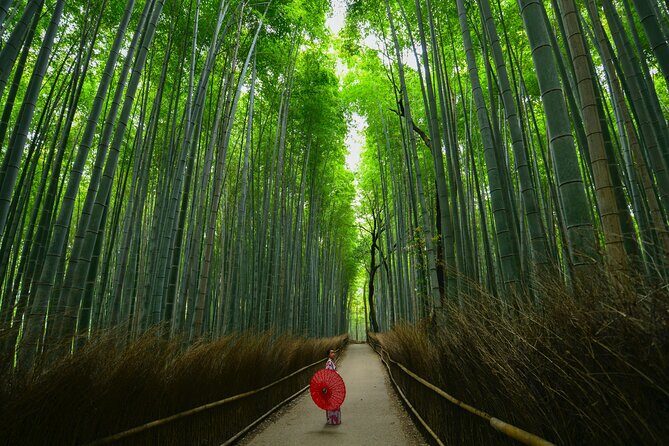
You start in the Arashiyama Park / Kameyama area, where you’ll get time to explore the bamboo grove and then work your way up toward the top of the park. That’s a smart first move. You’re not sprinting from one tourist hotspot to another immediately—you’re gradually finding the viewpoints that make Arashiyama special.
The park time is listed as about 1 hour, and admission is free. Translation: you can take your time, look around, and settle into the area instead of feeling rushed before your first paid site.
One thing I like about this kind of opening is that it gives you a sense of scale. Bamboo forests aren’t just “rows of stalks.” From higher angles, you start seeing how the Katsura River valley fits into the scenery, and that makes the later stops more meaningful.
Stop 2: Okochi Sanso private garden and warming matcha
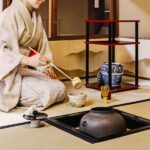
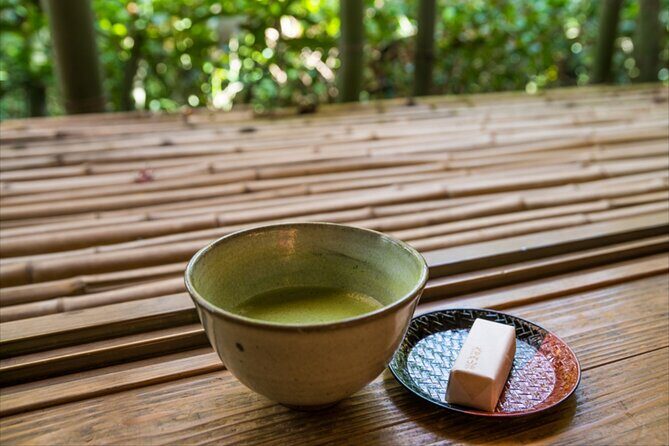
Next comes the highlight for many people: Okochi Sanso Garden. You’ll spend about 45 minutes in this private garden space, with the entrance ticket included.
This isn’t just a pretty garden photo stop. It’s set up as a breather. You can sit, slow down, and enjoy the grounds at a calmer rhythm. The tour also includes ordering a warming bowl of matcha in a former tea house turned into a rest area.
If you’re the kind of person who gets overwhelmed by Kyoto crowds, this stop is your reset button. It’s also a good contrast point: bamboo and temples are often moving and visual; Okochi Sanso is designed for stillness.
Practical note: gardens are where comfort matters. If you’re visiting during rainy or hot weather, you’ll appreciate having a place where you can stop and warm up (or rest in shade) instead of constantly walking.



Stop 3: Tenryu-ji Temple—ponds, nature, and the temple rhythm
Then you head to Tenryu-ji, one of Kyoto’s big-name temple experiences. You get about 45 minutes, and the entrance ticket is included.
What you’re aiming for here is a mix of indoor and outdoor temple atmosphere. You’ll also admire the koi in the pond, and you’ll notice how the temple grounds feel connected to surrounding nature. In Kyoto, that combination is the whole point: architecture, water, and greenery working together.
This is also one of the spots where a guide can really help. If someone points out what to look for—pond placement, garden viewing angles, or the reason certain paths exist—you’ll enjoy the visit more than just drifting through.
Stop 4: Arashiyama shopping street time with translation support
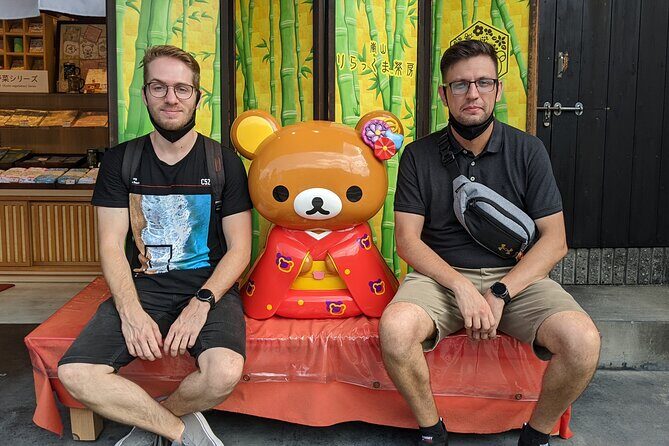
After temples and gardens, the tour shifts to everyday Kyoto life at Arashiyama’s shopping street. The stop is about 1 hour.
Here’s the advantage: the tour includes shopping and translation assistance. That means you can ask questions, get help reading items, and not feel like a passive observer while you browse.
It’s also worth knowing what is not included. Shopping and souvenirs cost extra, and lunch is not included. So treat this as browsing and snack-hunting time unless you’ve planned your meal elsewhere.
I like this stop because it breaks up the “culture only” rhythm. It’s where you can pick up something small, try a bite, and connect the scenery to modern daily life.
Stop 5: Togetsukyo Bridge for river views and quick photo payoff
Next is Togetsukyo Bridge. It’s a short stop—about 15 minutes—but it’s high impact.
This is described as the second most popular photo spot after the bamboo area. The big reason: the Katsura River views and the look of this iconic bridge.
If you’re trying to avoid spending your whole day waiting for perfect photos, this timing helps. You get the view, you take the picture, you move on.
If it’s crowded, keep your expectations grounded. This stop is about the scenery, not about getting the perfect empty-bridge shot.
Stop 6: Arashiyama Monkey Park Iwatayama—what the hike is like
The day ends at Monkey Park Iwatayama, with about 1 hour on site and the entrance ticket included.
Important detail: access to the top includes a short but steep hike (15–20 minutes) on a climb. Reviews highlight that this can feel tough in hot weather, and you’ll want to be prepared.
When you get up there, the reward is the viewpoint and the fun of watching monkeys in their environment. The tour guide is still in charge during the hike, and the experience is structured so you’re not just abandoned on arrival.
A few practical tips:
- Wear comfortable shoes with grip.
- Bring sun protection if you’re going in summer or early fall.
- If you’re not in great shape, set a steady pace and don’t force it.
If you’re traveling with kids or you’re willing to do some extra effort for a view, this is the part that tends to land best. Even people who find the hike challenging often say it was worth it once the scenery opens up.
The guides: why names keep coming up
One of the most repeated themes is the guide’s tone and ability to tell stories in a way that makes the places easier to understand.
You might meet guides like Francis, praised for patient explanations; Toru, who’s been described as funny with a great sense of humor; Karim, known for friendly guidance and historical context; Augustin, mentioned for quiet spots and food insights; or Tom/Tomio, who helped families with energy and questions.
Not every guide style will be identical, but what seems consistent is that they keep the group moving at a calm pace and answer questions instead of reciting facts. That’s why this tour works better than trying to “self-guide” the entire area, especially when you want meaning, not just photos.
Is the small-group size worth it?
I think it is. With a maximum of 12, you can actually hear instructions, see what the guide is pointing out, and ask questions without feeling like a nuisance.
It also changes the experience during slower moments—like sitting in Okochi Sanso or pausing near Tenryu-ji pond views. In a large group, those moments get swallowed. Here, you can breathe.
And because you’re walking, the group stays together in a way that feels more like sightseeing with a local friend than being on a tour conveyor belt.
What to bring (so the day stays fun)
This is where you can protect your enjoyment, especially because Kyoto weather can shift quickly.
Bring:
- Comfortable shoes for temple paths and the Monkey Park climb
- Sun protection for uphill walking days
- An umbrella if rain is in the forecast (it’s Japan, it happens)
- A simple water plan for a 5-hour walking day
If you forget anything, you can still find basics nearby in Kyoto, but you’ll enjoy the day more if you come prepared for heat and light rain.
Should you book it? My honest yes-or-no
Book this tour if you want Arashiyama to feel like more than one famous photo. The mix of Okochi Sanso matcha garden, Tenryu-ji, river views at Togetsukyo Bridge, and the climb to Monkey Park gives you variety in one half-day stretch.
Skip it (or choose a lighter plan) if you don’t want uphill walking. The Monkey Park hike is real, and it can be a strain in hot conditions. Also, since it’s a walking tour with no bus, it’s not the best fit if you want minimal walking.
If you’re the kind of visitor who likes structure—tickets handled, route planned, and explanations provided—this is a solid value. At $89.54, you’re paying for tickets plus the guide time, and you’re getting the day’s hardest effort saved for a finale where the reward is clear.
FAQ
How long is the Kyoto Arashiyama Bamboo, Temple, Matcha, Monkeys tour?
It runs for about 5 hours (approximately), and the time can vary by around 30 minutes.
Is this tour a bus tour or a walking tour?
It’s a walking tour, not a bus tour.
What’s included in the price?
The price includes the guide fee, entrance tickets for Okochi Sanso, Tenryu-ji, and Monkey Park Iwatayama, plus shopping and translation assistance.
How hard is the Monkey Park Iwatayama hike?
Access to the top includes a short hike (about 15–20 minutes) through a steep path. You should wear comfortable shoes and be in reasonable physical condition for the climb.
Where do we meet, and where does the tour end?
You start at 18-12 Sagatenryūji Kurumamichichō, Ukyo Ward, Kyoto, and the tour ends at Arashiyama Monkey Park Iwatayama. The tour officially ends there, and you can leave any time after the hike.
What if the weather is bad or I need to cancel?
The experience requires good weather. If it’s canceled due to poor weather, you’ll be offered a different date or a full refund. You also have free cancellation up to 24 hours in advance for a full refund.