REVIEW · BIKE & E-BIKE TOURS
Early Bird E-biking through East Kyoto
Book on Viator →Operated by Cycle Kyoto · Bookable on Viator
Start your Kyoto day on two wheels. This East Kyoto e-bike tour stitches together iconic temples like Fushimi Inari and Nanzen-ji, plus calmer backstreets, all before the city fully wakes up. I like that it keeps the group small (max 8 people) so the pace stays human and you’re not forever waiting at crossings. I also like the practical setup: you get an e-bike and helmet, and lunch is included so you don’t waste time hunting food mid-route. One thing to consider: you do need moderate bike comfort because there are a few uphills and some rides pass through busy areas where you’ll want to pay attention.
Meeting point at Cycle Kyoto7 sets you up fast, and it’s where guides like Indra, Juan, Jay, Sean, and Paul have been praised for mixing temple context with a steady, funny flow. Start time is 8:00am, which helps a lot with crowd levels at places like Fushimi Inari and the riverside. The possible drawback is that bike sizing matters—if you’re between sizes or shorter/taller than average, double-check the fit before you roll, since the ride is long enough that a poor fit can turn annoying quickly.
8-people group for a smoother day
E-bike + helmet provided so you’re not shopping in Kyoto
Lunch included near a key temple area
Temple highlights from Fushimi Inari to Gion backstreets
Early 8:00am start to dodge peak crowds
In This Review
- Early Morning E-bike Rhythm: Why East Kyoto Feels Easier by Bike
- Cycle Kyoto7 Setup: Small Group, Simple Start, Real Guidance
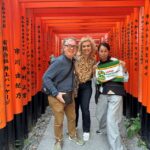
- Fushimi Inari-taisha: River Ride In, World-Famous Steps Up
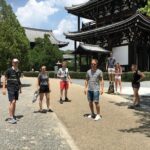
- Tofuku-ji and the Bridge Moment: Zen Temple Breathing Room
- Kamogawa River Ride: The Calm Between Temple Tops
- Ginkakuji and Beyond: Silver Pavilion Area and a Lunch Reset
- Philosopher’s Path (Tetsugaku no Michi): A Scenic Ride That Can Go Slow
- Nanzen-ji: Temple Grounds With Space to Walk
- Heian Shrine Courtyard Stroll: A Clean, Beautiful Break
- Gion Backstreets: Maiko/Geiko Sight Potential and Real Neighborhood Energy
- Higashi Hongan-ji and the Favorite Café Pause: Stop Short, Enjoy More
- Price and Value: Why $138.74 Can Make Sense in Kyoto
- Who Should Book This East Kyoto E-bike Tour
- Should You Book? My Practical Decision Guide
- FAQ
- How long is the East Kyoto e-bike tour?
- Is lunch included?
- Do I need to bring an e-bike or helmet?
- Are temple admissions included?
- What fitness level do I need?
- What are the age and height requirements?
- What happens if weather is poor?
Early Morning E-bike Rhythm: Why East Kyoto Feels Easier by Bike
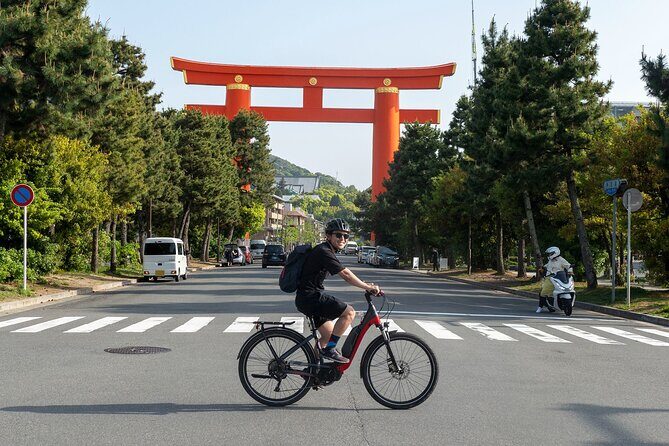
Kyoto can be a long day even when you plan well. This tour helps because you start early and you move efficiently between sights. At 8:00am, you’re already gaining time before tour buses and late-morning foot traffic swarm the popular areas.
The e-bike does the heavy lifting, but it doesn’t remove the need for some basic bike confidence. You’ll still steer, brake, and keep your balance on mixed surfaces, and the route includes sections where cars or pedestrians are around. The upside is that cycling lets you experience East Kyoto in a way walking alone usually can’t: faster travel between major stops and more chances to see everyday streets, not just the postcard gates.
If you like your travel days organized but not rigid, this works. You’re on a planned route with real stops, and you’re also free to soak in what you see along the way instead of constantly relocating by train and taxi.
Cycle Kyoto7 Setup: Small Group, Simple Start, Real Guidance
You meet at Cycle Kyoto7 in Higashikujō Nishisannōchō (Minami Ward). That’s helpful because it’s connected to public transport, so you’re not stuck trying to get across town on your own right before the ride.
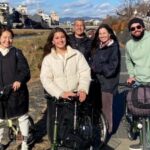
The tour caps at 8 travelers, which changes the whole experience. Small groups mean fewer bottlenecks at intersections and fewer people getting separated when you stop. It also means the guide can keep an eye on everyone’s pacing and bike comfort.
You don’t need to source equipment because e-bikes and helmets are included. That’s a big value point in Kyoto, where last-minute rentals and helmet rules can eat time. You’ll also want to treat your safety like part of the itinerary: follow the guide’s lead at busier crossings, and keep a steady grip and posture.
One extra practical tip: if you’re on the shorter or taller side, confirm your bike size early. A long e-bike day only works if the bike fits your body so you’re not “fighting” the ride for hours.
You can also read our reviews of more cycling tours in Kyoto
Fushimi Inari-taisha: River Ride In, World-Famous Steps Up
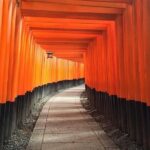
The day opens with a ride toward Fushimi Inari-taisha. You start with about 25 minutes cycling along the river route to reach the shrine area, then you switch to walking for roughly 30 minutes inside. Admission here is free on this itinerary, so you’re paying for time and guidance, not entry.
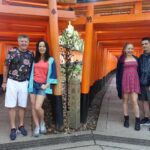
Fushimi Inari is famous for its network of torii gates, but what makes the experience better on a bike tour is the build-up. The river ride gets you out of the city rush, and the early arrival helps you start the walk with less congestion.
What to expect: a lot of people at the shrine area even early, but less than you’d get later in the day. The walking segment is also where you’ll feel the difference between a smooth itinerary and a self-planned detour. The guide helps you move efficiently, so you’re not spending energy figuring out where to go while everyone else surges forward.
If you love photos, go at your own pace during that on-foot window. Just don’t stop in spots that block others. This is one of those places where good manners are really the difference between a peaceful visit and a frustrating one.
Tofuku-ji and the Bridge Moment: Zen Temple Breathing Room
Next up is Tofuku-ji, accessed with a shorter ride from Fushimi Inari (about 15 minutes). You’ll get a brief moment on a picturesque bridge, then spend around 30 minutes at the temple.
The value here isn’t only that Tofuku-ji is impressive. It’s that it’s a useful contrast after the intensity of Fushimi Inari. The pace shifts from shrine crowds to more contemplative temple grounds, which makes the day feel balanced rather than nonstop “big sights only.”
Admission at this stop is free on the plan, so your time is the main cost. Still, it’s worth it because the guide’s direction prevents you from wandering without a sense of what you’re looking at.
If you’re a traveler who wants more than a quick exterior stop, you’ll appreciate this kind of middle segment. It breaks up the day so the later stops don’t feel like a checklist you’re just trying to finish.
Kamogawa River Ride: The Calm Between Temple Tops
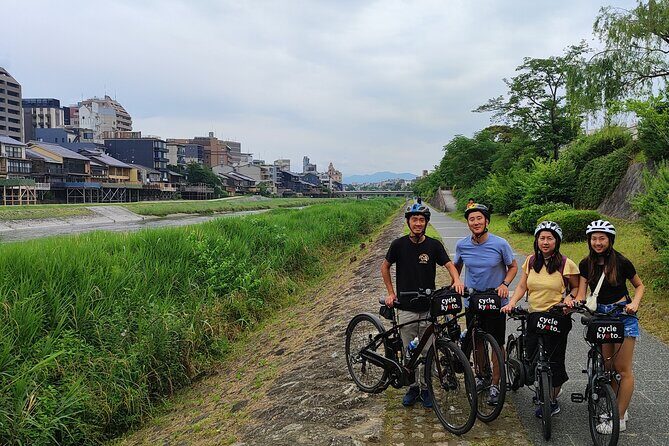
After the temples, you get an extended ride along the Kamogawa River for about 30 minutes. This is one of those segments that makes cycling feel like the right choice in Kyoto, not just a “cool way” to move.
The river route works as recovery time for your legs and brain. You’ll get to enjoy Kyoto’s atmosphere without constant gate-hopping. You’re also likely to see daily life beyond the tourist nodes—people walking, small streets, and a sense of how the city layers around water.
Expect this to feel like a breather that keeps momentum. You’ll still be paying attention to traffic and pedestrians, but it’s less mentally demanding than squeezing into crowded temple lanes. It’s also the kind of section where the guide’s comments can land well, because you’re not constantly stopping.
Ginkakuji and Beyond: Silver Pavilion Area and a Lunch Reset
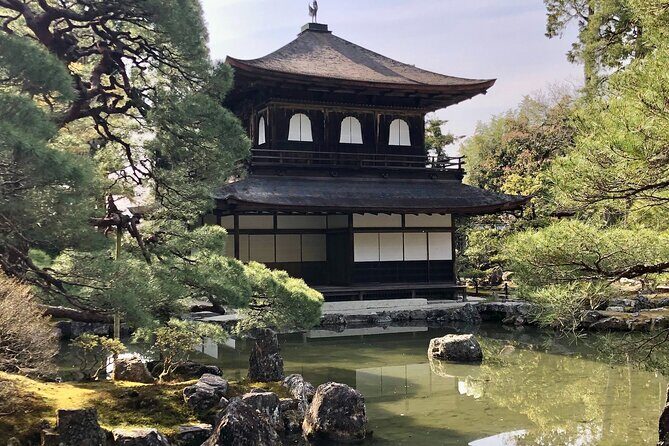
Your next anchor stop is Ginkakuji (the Silver Pavilion). You’ll explore for about 45 minutes, and that time includes a lunch stop nearby. The plan lists admission here as included, so you get a ticket portion baked into the price structure.
This stop is a good example of where the tour balances “see it” with “stay fed.” Lunch is often the moment a self-guided day falls apart: queues, wrong timing, and the classic Kyoto problem of eating wherever you find a seat. Here, lunch is scheduled into your temple rhythm, which helps you avoid losing a big chunk of your day to hunger logistics.
One consideration: if you’re visiting during busier seasons, lunch spots near major temples can be crowded and more “convenient than special.” If you have dietary requirements, tell the operator ahead of time so they can steer the lunch option appropriately.
Also, because the route is timed, you might not get unlimited photo time at every angle. If you’re picky about photos, plan to take the key shots quickly and enjoy the rest of the stop rather than chasing the perfect moment for an hour.
You can also read our reviews of more tours and experiences in Kyoto
Philosopher’s Path (Tetsugaku no Michi): A Scenic Ride That Can Go Slow
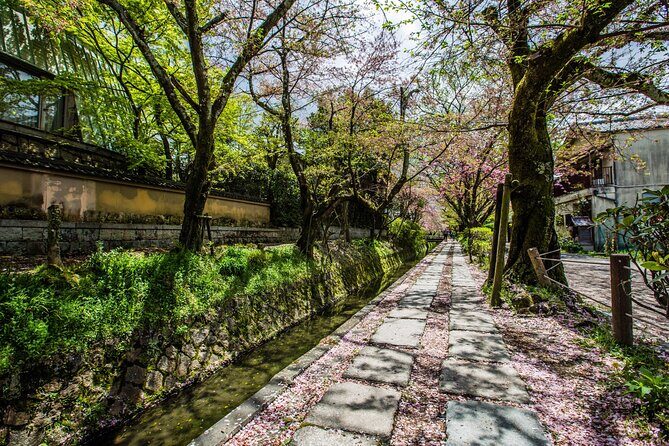
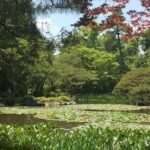
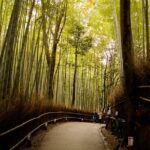
You’ll cycle along the Philosopher’s Path next, with about 45 minutes allocated for this stretch. This is where Kyoto’s spring energy can be intense. If cherry blossoms are in bloom, the path can get very crowded, and timing can feel different because people tend to linger for photos.
Here’s the honest trade-off: the tour can keep you moving, but the crowd level on this kind of iconic walkway still controls the pace. The good news is that being on a bike tour means you’re less likely to be stuck detouring around foot traffic the way pedestrians-only groups sometimes are.
Use this segment for two things:
- slow looking at the views and waterline
- quick photos without turning the ride into a standstill
If you’re the kind of traveler who wants maximum freedom to pause constantly, you might feel a little constrained by the group schedule. But if you want the route to work smoothly and you still care about the atmosphere, Philosopher’s Path is a great inclusion.
Nanzen-ji: Temple Grounds With Space to Walk
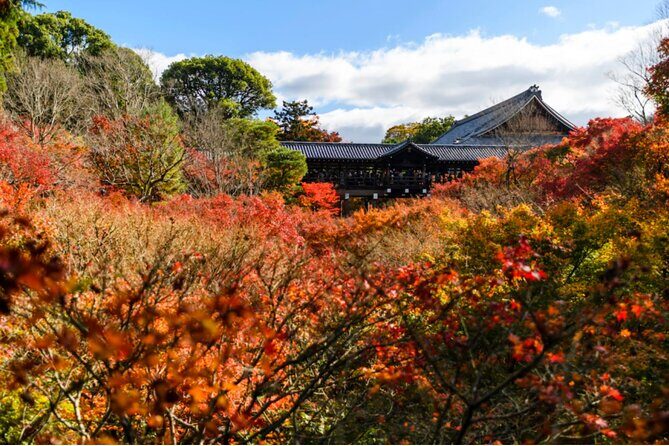
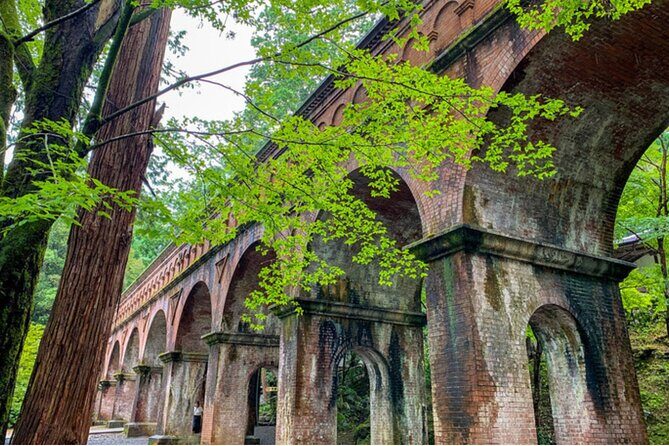
Next comes Nanzen-ji, where you’ll walk the temple grounds for about 45 minutes. Admission is free on this itinerary, and that makes it an efficient stop: the time you spend here is the real value.
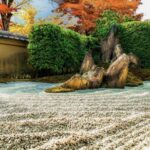
Nanzen-ji has a different feel than the shrine-heavy opening. Instead of torii gates and dense entrances, you get temple grounds that encourage walking at a more relaxed tempo. This is the point in the day where you’ll likely appreciate the e-bike earlier, because you’ve already covered distance efficiently.
Possible drawback: temple areas can have uneven ground and slopes. The e-bike helps you reach the area, but once you’re on foot, your shoes and attention matter. Wear comfortable footwear with good grip.
Also, because you’re with a group, you’ll move with the guide’s pacing. If you want to linger for sketches or slow photography, bring patience or ask the guide for a quick place to do it without slowing everyone.
Heian Shrine Courtyard Stroll: A Clean, Beautiful Break
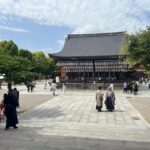
After Nanzen-ji, you’ll stroll through the courtyard of Heian Jingu (Heian Shrine) for about 35 minutes. Admission is listed as free on the plan.
This stop often works as a visual reset. You’re already in temple and tradition mode, but Heian Shrine’s courtyard experience can feel calmer and more open than some of the tighter, more tightly patterned areas earlier.
If you’ve been on the go since 8:00am, this is the kind of stop where you can exhale. You’ll see the space and symmetry without feeling like you’re racing to hit the next ticketed moment.
It also helps that the route keeps you cycling through different neighborhoods instead of repeating the same kind of street environment. The day feels varied in a way that keeps it from feeling monotonous.
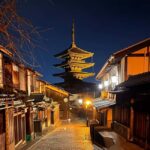
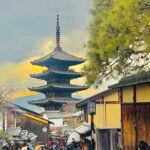
Gion Backstreets: Maiko/Geiko Sight Potential and Real Neighborhood Energy
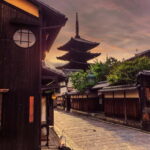
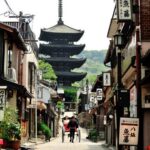
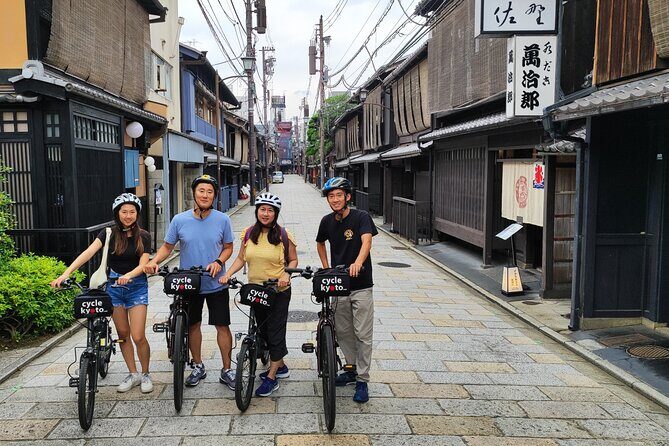
Next is Gion, where you ride through backstreets for about 45 minutes. The tour notes that you might glimpse Maiko or Geiko, which is exactly the kind of “Kyoto moment” people hope for without being guaranteed.
This segment shines because you’re not just viewing Gion from the main drag. Backstreets mean less noise, more texture, and a stronger sense of lived-in city life. Even when you don’t see performers, you’ll still get the street geometry, the atmosphere, and the feeling of being in the right neighborhood at the right time.
Safety matters here. Backstreets can still be busy, and you’ll be on a bike. Keep your speed controlled, and expect pedestrians to pop out from side areas without warning.
Also, if you’re hoping for a very specific photo spot, don’t plan that as your main strategy. On a bike tour, the best photos come from awareness and quick timing, not from parking yourself in one location for too long.
Higashi Hongan-ji and the Favorite Café Pause: Stop Short, Enjoy More
Your final cultural anchor is Higashi Hongan-ji, with about 15 minutes for a stroll through the wooden prayer halls. That stop also includes a visit to the group’s favorite café in Kyoto.
Fifteen minutes is short, so this isn’t the place for long exploration. Think of it as a final taste of Kyoto’s scale and architectural atmosphere before the day wraps up.
The café time is more than a break. It’s where you slow down and digest everything you just saw. By the end of a 6 to 7 hour ride, your brain feels full, and a quick drink or snack can make you enjoy the last stretch rather than simply endure it.
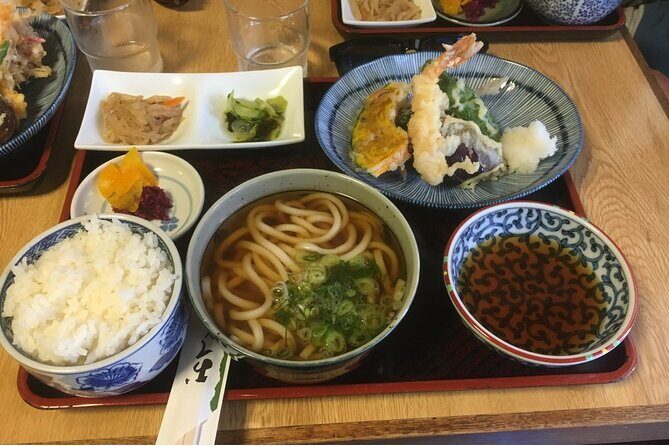
This is also a nice moment for questions. Guides often field requests about what to eat next, what neighborhood to visit later, and how to plan the next day without wasting time. In the feedback I saw, guides like Juan and Indra are especially good at offering food direction, including pointers for standout udon and where to eat so you don’t end up stuck with the most obvious option.
Price and Value: Why $138.74 Can Make Sense in Kyoto
At $138.74 per person for a 6 to 7 hour experience, this isn’t the cheapest way to tour Kyoto. But the value math works when you tally what’s actually included.
You get:
- an e-bike and helmet
- a guide for an organized route across multiple highlights
- lunch included
- and on this plan, multiple temple visits show free admission, with at least one admission noted as included at Ginkakuji
Self-guided tours have their own costs: bike rental time, helmet rules, ticket lines, and the hidden time tax of getting between areas. This tour pays upfront for planning, equipment, and timing. If you only have one day for East Kyoto, it can be a smart shortcut that still feels authentic.
Booking wise, it’s often reserved about 37 days in advance on average. If you have a tight schedule, plan earlier rather than later, because a small-group cap means spots disappear faster than you’d expect.
Who Should Book This East Kyoto E-bike Tour
This tour fits best if you want:
- a high-hit itinerary without feeling rushed on navigation
- to see major temples plus neighborhood streets (not just the headline monuments)
- a guided day that starts early and reduces crowd stress
- an included lunch so your day stays on track
You might want to skip it or think twice if:
- you don’t feel comfortable riding for long stretches on mixed surfaces
- you’re looking for total flexibility and unlimited stop time
- you have strict dietary needs and haven’t shared them ahead of time
One more personal-safety note: this is built for moderate physical fitness. The e-bike reduces effort, but it doesn’t replace balance, attention, and basic stamina for the total day.
Should You Book? My Practical Decision Guide
If you want the best use of limited time in Kyoto East, I’d book this. The early 8:00am start, the small group size, and the fact that e-bike + helmet + lunch are handled for you makes it a clean package. It’s also a strong choice for first-timers because the route hits the big names without turning into a grab-and-go checklist.
But book it with the right expectations. You’re doing a real cycling day. Confirm bike sizing if you’re between sizes, and treat busy areas like Gion as places to ride carefully, not places to zone out for photos.
FAQ
How long is the East Kyoto e-bike tour?
It runs about 6 to 7 hours.
Is lunch included?
Yes. Lunch is included, with time set aside near the Ginkakuji area.
Do I need to bring an e-bike or helmet?
No. The tour provides an e-bike and a helmet, so you don’t need to find equipment in advance.
Are temple admissions included?
Most of the scheduled stops are listed as free admission, and Ginkakuji is listed as included.
What fitness level do I need?
The tour requires moderate physical fitness. There are a few uphills and you’ll be riding for extended stretches.
What are the age and height requirements?
The minimum age is 13, and the minimum height is 145 cm.
What happens if weather is poor?
The experience requires good weather. If it’s canceled due to poor weather, you’ll be offered a different date or a full refund.