REVIEW · ZEN MEDITATION TOURS
Zen Meditation for Life in Kyoto
Book on Viator →Operated by Brian Victoria · Bookable on Viator
Zen meditation in Kyoto, without the crowd. This private 4.5-hour workshop takes place in a traditional machiya house near Nishi Honganji, with a Zen Buddhist priest guiding you through seated and walking meditation, plus included drinks and tea afterward.
I especially like the 90-minute mix of theory and hands-on practice, with clear coaching on posture and breath-focused mindfulness. I also like the built-in comfort options, since you can do Zen meditation with traditional lotus or half-lotus postures, or use a chair if you need it.
The one thing to consider is that the session can feel information-heavy at first, so come ready to slow down rather than expecting a quick, simple performance.
In This Review
- Key highlights you’ll care about
- A private Zen workshop in Kyoto’s machiya near Nishi Honganji
- Meeting point and how the afternoon flows
- Your schedule: 90 minutes of Zen basics, then zazen and kinhin
- Posture, breath, and mind control: what you’re actually learning
- Seated zazen: how to use the time without overthinking
- Kin hin (walking meditation) and why it’s included
- Nishi Honganji area and temple time (without turning it into a checklist)
- Coffee, tea, and a Kyoto sweet after the sitting
- Price and value: what $108 gets you in Kyoto
- Who should book this Zen meditation workshop
- Should you book this Zen meditation workshop in Kyoto?
- FAQ
- How long is the Zen meditation workshop?
- Is this experience private?
- Where do we meet?
- Where is the meditation hall located?
- What kinds of meditation do you do?
- Is coffee and tea included?
- Do I need to sit on the floor?
- What is included in the instruction time?
- Do I need to pay for transportation?
- Can I cancel for a full refund?
Key highlights you’ll care about
- Private setting with priest-led instruction so you can ask questions without rushing
- Machiya house atmosphere near Nishi Honganji, far from the usual tour-crowd feel
- Seated zazen plus walking kinhin in a structured pattern (not just one activity)
- Posture coaching with chair option for people who don’t want lotus or half-lotus
- Coffee or tea during the workshop, then green tea with a traditional Kyoto sweet
A private Zen workshop in Kyoto’s machiya near Nishi Honganji
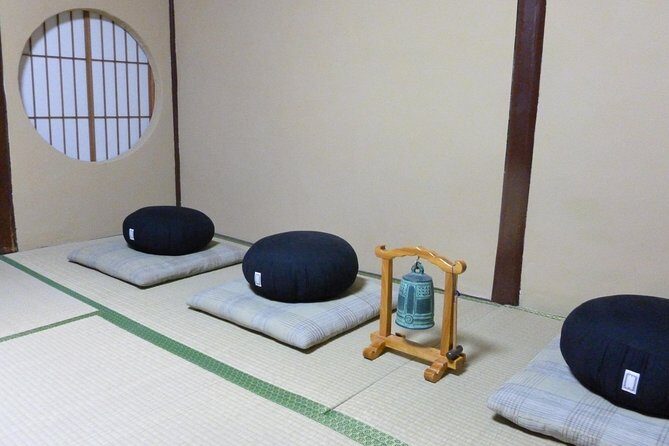
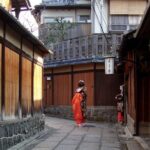
Kyoto is famous for temples, but this experience is set up differently. Instead of hopping between sights, you step into a traditional townhouse-style home, a machiya, and spend the afternoon focused on Zen meditation basics. The location is convenient too: you’re only about a five-minute bus or taxi ride from Kyoto Station, in the Nishi Honganji area.
The private format matters more than it sounds. When instruction is one-on-one (or for a small private group), the teacher can pace you and adjust your posture cues on the spot. That’s a big deal for meditation, where small comfort problems (knees too high, back too rounded, breathing held too tightly) can mess with your concentration.
This is led by Zen Buddhist priest Brian Victoria. Based on the way the workshop is described and how it’s been taught, it’s not only about “do this, then that.” He frames Zen meditation as practice plus purpose, which makes it easier to connect what you’re doing on the floor with the broader worldview behind it.
You can also read our reviews of more tours and experiences in Kyoto.


Meeting point and how the afternoon flows
You meet at Hotel Granvia Kyoto, at the JR Kyoto Station central entrance area, starting at 1:00 pm. From there, you’ll head to the meditation space, which is near Nishi Honganji. The whole experience is designed to come back to the same meeting point when you’re finished.
Plan on roughly 4 hours 30 minutes. In the best way, it feels like a real session, not a quick activity squeezed between train times. Also, one note: some people find the afternoon runs longer than the headline duration. So if you have dinner reservations right after, give yourself a buffer.
During the workshop, you’re not stuck waiting in silence. You get guided instruction, then you get to practice—first seated, then a walking break, then seated again. After that, there’s time to talk through questions while having tea and a Kyoto sweet.
Your schedule: 90 minutes of Zen basics, then zazen and kinhin
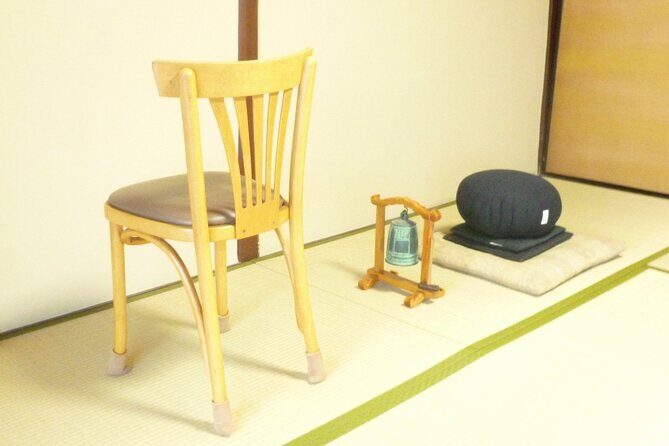
The core of the experience is a structured introduction to Zen meditation, built around two things: posture and breath. The workshop includes a thorough 90-minute segment where you learn both the theory and the practical method, with emphasis on mindfulness as taught in the Zen tradition.
After the instruction portion, the session shifts into doing. You’ll practice:
- Two seated zazen periods (each 20 minutes)
- A walking meditation segment (kinhin) (10 minutes)
- Then back to seated meditation again
This pacing is useful. Pure sitting can make people tense up or get restless in the same way, because your body keeps asking for movement. Kinhin gives you a controlled way to reset, without losing the meditation state.
Posture, breath, and mind control: what you’re actually learning
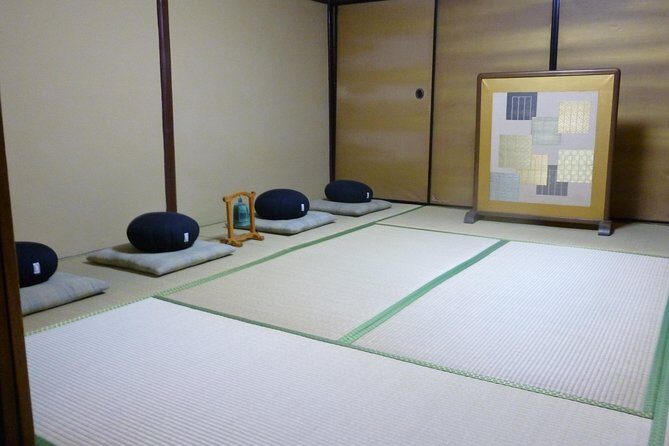
Zen meditation can sound mystical until someone shows you the practical mechanics. Here, the focus is explicitly on breath and mind control, anchored to proper posture for Zen mindfulness meditation.
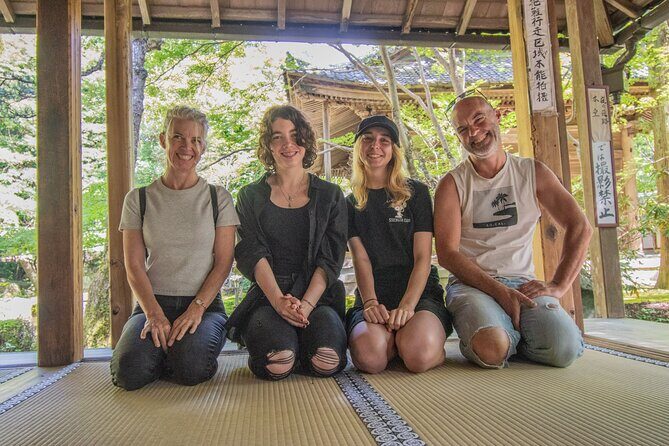
You’ll get guidance on how to sit so you can stay alert without turning the practice into a pain test. The workshop notes that you can use:
- traditional lotus or half-lotus postures, or
- a chair option if you need it
That flexibility is one of the smartest parts of the design. Lotus-style sitting can be intimidating if your hips or ankles aren’t used to it. A chair keeps you in the practice instead of dropping out because your body is unhappy.
You’re also encouraged to understand why posture matters beyond comfort. The idea is that posture supports steadiness—so your breath feels easier to notice, and your mind has fewer distractions to grab. In other words, you’re learning a system that’s meant to help you stay with the present moment, not just perform relaxation.
Seated zazen: how to use the time without overthinking
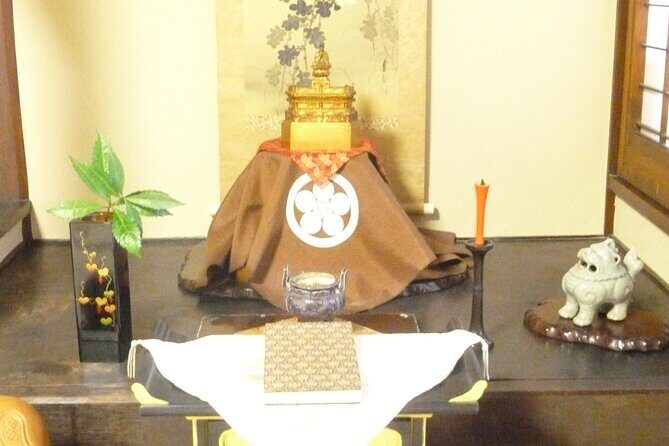
Zazen is the centerpiece. In this workshop, you do it in two blocks, with walking in between, which helps you avoid the common beginner pattern: you start strong, then you spend the second half wrestling with discomfort or trying to force your mind into silence.
The teaching emphasizes breath and mind control, so you’ll likely be nudged toward observing what’s happening rather than battling your thoughts. That approach is a lot more realistic than chasing a blank mind.
One practical tip you can take from the way the session is structured: treat each zazen block as its own small practice. Don’t carry pressure from the first sit into the second. When you come back from kinhin, reset your attention the moment you sit again.
And since the workshop includes posture coaching, don’t be shy about adjustments. If something hurts or feels unstable, that’s exactly what you’d want the instructor to help with.


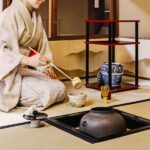

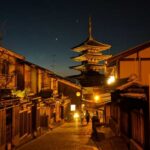
Kin hin (walking meditation) and why it’s included
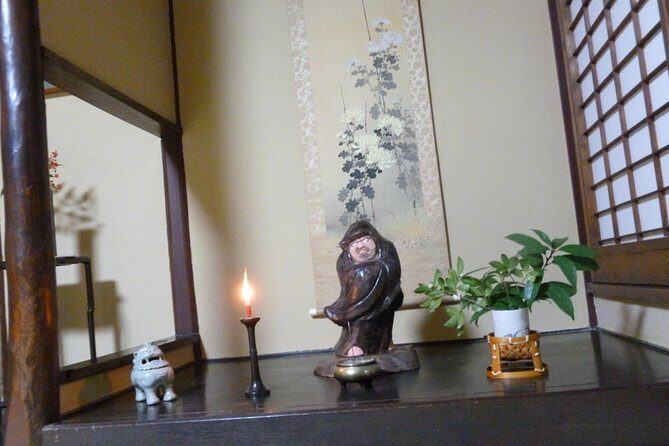
Kin hin—walking meditation—isn’t just a break. It’s part of the Zen method. By including 10 minutes of it between seated sits, the workshop gives you a chance to practice mindfulness in motion.
Walking adds a different kind of attention challenge: your mind wants to multitask (where am I going, am I doing it right, what’s my pace). The point is to watch and guide the experience rather than letting it scatter.
This is a great fit for people who find sitting meditation difficult at first. If you’re restless, kinhin often feels like a door into the same awareness you were building while sitting. Instead of abandoning practice, you shift the focus while keeping the underlying intent.
Nishi Honganji area and temple time (without turning it into a checklist)
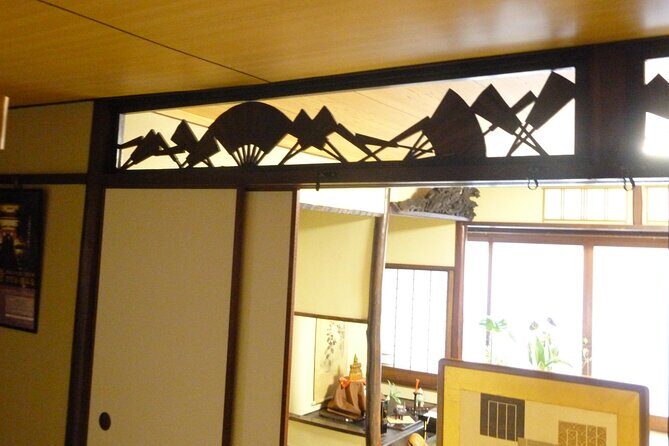
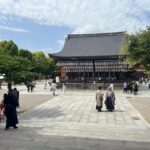
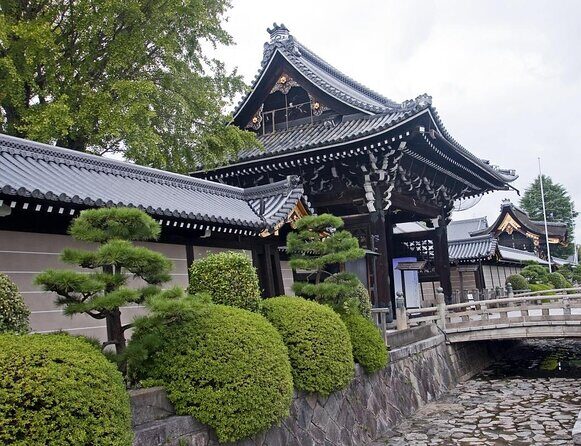
The plan is anchored near Nishi Honganji, and the outing includes a stop connected to that neighborhood. You’ll be in the area of a major temple complex rather than in a remote meditation studio.
The best way to think about this: the meditation workshop is the main event, and the surrounding temple setting supports the mood. You may get time to look around the area, but the schedule is still centered on instruction and practice, not on lining up for photos or racing through bullet-point history.
If your ideal Kyoto day is quiet and reflective, this pairing works well: temple atmosphere in the background, and then real training in what to do with your attention when you’re not sightseeing.
Coffee, tea, and a Kyoto sweet after the sitting
Meditation workshops can feel oddly sterile if everything ends right when the last sit finishes. Here, the experience includes food and drink in a way that feels intentional.
During the visit, you get coffee and/or tea. At the end, you’ll have green tea plus a traditional Kyoto sweet, included in the price. The tea break also becomes a practical “settle and ask” moment. That’s when questions make sense: you can ask what confused you during the seated and walking sections, and you can clarify how to continue meditating on your own.
That final portion is more valuable than it may look on paper. Meditation is easy to misunderstand. A short conversation at the end can turn uncertainty into confidence.
Price and value: what $108 gets you in Kyoto
At about $108 for roughly 4.5 hours, the biggest value is that this isn’t a big-group, generic introduction. The session is private, and instruction is led by a Zen Buddhist priest with a structured teaching plan (theory + zazen + kinhin + tea).
The food and drink are also part of the value. You’re not only getting the meditation time; you’re also included coffee or tea during the workshop and a green tea plus a Kyoto sweet at the end.
Public transportation isn’t included. The add-on is listed as ¥240 per person. In practice, you’ll still want to budget that and factor in the short ride from Kyoto Station to the meditation hall area.
If you’re comparing options, think of this as paying for:
- one-on-one pacing (private group)
- posture coaching (chair option available)
- a complete mini-session rather than a quick demonstration
- a teacher you can ask questions to afterward
For many people, that’s the difference between taking home a few tips and leaving with a method you can actually repeat.
Who should book this Zen meditation workshop
This works especially well if you:
- want a calm Kyoto experience focused on practice, not just temple viewing
- are curious about Zen meditation but want a clear, beginner-friendly structure
- prefer learning from a real priest who can connect practice to meaning
- need comfort support (the chair option is built into the experience)
It’s also a good pick for people who like conversation. The teacher’s background is described as academic and clerical, and the style is said to include discussion and storytelling—so it’s not only silent time on the floor.
Where it might not be ideal is if you’re looking for a very light, low-structure “try it once” moment. The session includes theory and a lot of guidance, so you’ll get the most out of it if you’re ready to absorb and practice.
Should you book this Zen meditation workshop in Kyoto?
I’d book it if you want a structured introduction to Zen meditation with real instruction and room to ask questions—inside a machiya setting near Nishi Honganji. The private format and the combination of zazen and kinhin make it feel like a complete practice session, not a teaser.
Skip it (or adjust expectations) if your main goal is a quick temple stop or a casual meditation “sample.” This is a teaching afternoon, and it can feel like a steady flow of ideas plus practice. Bring patience, comfortable clothing, and a willingness to focus for long enough to learn the method.
If you do want to understand Zen meditation well enough to continue on your own, this workshop is set up for that. The aim is that you leave confident, not confused.
FAQ
How long is the Zen meditation workshop?
The workshop runs about 4 hours 30 minutes.
Is this experience private?
Yes. It’s a private experience, so only your group participates.
Where do we meet?
You meet at Hotel Granvia Kyoto, JR Kyoto Station central entrance (Higashishiokōjichō, Shimogyo Ward).
Where is the meditation hall located?
It’s near Nishi Honganji, in a traditional machiya house. It’s about a five minute bus or taxi ride from Kyoto Station.
What kinds of meditation do you do?
You’ll do seated Zen meditation (zazen) and walking meditation (kinhin). The session includes two 20-minute zazen periods with a 10-minute kinhin in between.
Is coffee and tea included?
Yes. Coffee and/or tea are provided during the visit, and it ends with green tea and a traditional Kyoto sweet.
Do I need to sit on the floor?
No. The workshop notes that you can do the practice using lotus or half-lotus postures, or on a chair if you find that more comfortable.
What is included in the instruction time?
There’s a thorough 90-minute introduction covering both theory and practice, with emphasis on proper posture for Zen mindfulness meditation, plus breath-focused guidance.
Do I need to pay for transportation?
Public transportation is not included. The cost is listed as ¥240 per person.
Can I cancel for a full refund?
Yes. You can cancel up to 24 hours in advance for a full refund. Canceling less than 24 hours before the start time is not refundable.