REVIEW · TEA CEREMONY EXPERIENCES
Visiting to Katsura Imperial villa and tea ceremony experience
Book on Viator →Operated by Miyagawa Tokusaburo Shoten · Bookable on Viator
Antique kimono, rare access, and matcha in Kyoto. I really like the chance to see Katsura Imperial Villa in its near-original state (that 400-year continuity matters), and I also love how the tea part happens in a quieter traditional setting with an antique kimono fitting handled for you. The main thing to consider is that this is a premium-priced package, and the villa narration may lean more on audio headsets than a fully live, detailed English guide for every moment.
What makes this tour different from a basic entry ticket is the way it tackles the hardest part: getting in. Katsura access is limited and time-window based, and numbered admission tickets are not exactly walk-in friendly. You’ll also be dealing with a lot less stress because the host, Miyagawa Tokusaburo (fourth-generation kimono shop owner), coordinates the day and accompanies you.
The schedule is built around a smooth flow: you meet at the tea ceremony location, get dressed in an early Showa-period antique kimono and obi, ride over to Katsura Imperial Villa, then finish with tea ceremony instruction and tasting in a traditional house near the villa. It’s about 3 hours total, and you’ll see why people treat Katsura as a Kyoto must even if they only stay in Japan a short time.
In This Review
- Key things you’ll notice on this Katsura + tea day
- Where the kimono day begins: Tokusaburo Miyagawa’s shop
- Katsura Imperial Villa: circular gardens and the Sukiya-style tea house
- The tea ceremony in a 100-year-old house: matcha, sweets, and hands-on etiquette
- Price and value: what you’re actually paying for in this $169.90 package
- Timing, tickets, and how to make the most of a 3-hour visit
- Who this Katsura and tea ceremony tour suits best
- Should you book this Katsura Imperial Villa + tea ceremony experience?
- FAQ
- What time does the tour start, and how long does it last?
- Where do I meet for the tea ceremony?
- Is this a private tour or will I join other groups?
- What is included in the tea ceremony experience?
- What do I wear during the tea ceremony and villa visit?
- Does the price include Katsura Imperial Villa admission?
- Do I get transportation between the shop and Katsura Imperial Villa?
- What happens if the weather is poor?
- Can I cancel for free?
Key things you’ll notice on this Katsura + tea day
- Reserved Katsura entry handled for you with limited, numbered admission
- Antique kimono and obi fitting using early Showa-period pieces
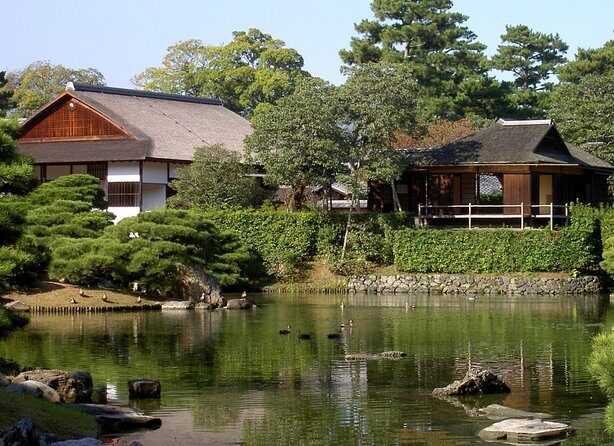
- Katsura Imperial Villa’s circular garden and tea house in Sukiya style
- Matcha and Japanese sweets included, plus guidance on proper tasting and preparation
- Miyagawa Tokusaburo escorts your group, including the kimono coordination
- English may be audio-based at the villa, with a Japanese-speaking component on-site
Where the kimono day begins: Tokusaburo Miyagawa’s shop
Your day starts with a practical, very Kyoto way to begin: clothes first, then culture. You meet at 32-4 Katsuranozatochō, Nishikyo Ward, Kyoto, and the tour runs from 1:00 pm for about 3 hours. Since the Katsura garden visit is time-limited, the early part of the tour is about getting you ready without rushing.
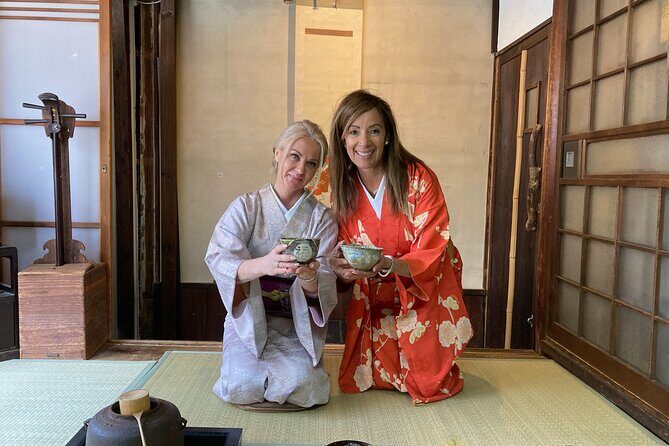
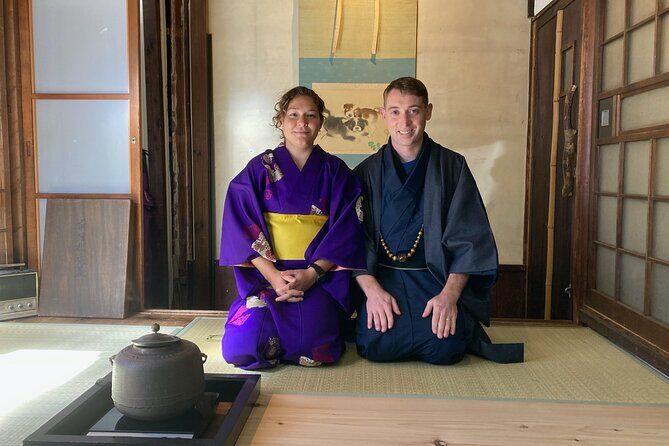
The heart of this experience is the antique kimono itself. You’ll choose and wear a rare kimono from the early Showa period, and the shop’s staff help with dressing after Tokusaburo coordinates which style fits you. You’ll also learn a bit about kimono design and what opportunities exist for wearing kimonos, which is useful even if you only ever wear one in your life. It turns a photo-op costume into something you can actually understand.
You’ll also want to plan for the “kimono logistics reality.” Kimonos are designed to look effortless, but they’re structured garments. So wear comfortable, easy-to-handle clothes beforehand and be ready to move a little slower than normal. This is not the time for heavy backpacks or anything that makes dressing awkward.
One more detail I appreciate: the hosting is not just a rental counter. Tokusaburo is described as accompanying guests through the day, and that matters because you’re not left to sort out etiquette, timing, or what happens next.
You can also read our reviews of more tours and experiences in Kyoto.



Katsura Imperial Villa: circular gardens and the Sukiya-style tea house
Then you’re off to Katsura Imperial Villa (Katsura Rikyu), built in 1615 as an imperial villa. What you’re chasing here is the special kind of beauty that comes from restraint: Katsura is known for a circular garden layout and for maintaining a design that’s stayed almost unchanged for centuries, even with renovations.
You’re also going for the tea-culture side of Katsura, not just a garden stroll. The villa includes a Sukiya-style tea house, built into the overall experience of how space, view lines, and seasonal feeling connect. If you’ve ever wondered why the Japanese tea tradition is so tied to place, Katsura answers that question in a calm, non-spectacle way.
Here’s the access piece that affects your whole day. Only visitors with permission can view the garden, during limited hours, and admission involves numbered tickets. You’re not responsible for navigating that system. The package arranges it for you, and that’s a big part of why this tour exists at all.
Inside Katsura, you should know that English support may not be a live, one-on-one narrative the entire time. Some people prefer a continuous, live guide voice. In this setup, you might instead hear English via audio headsets, while the on-site guidance may involve a Japanese-speaking guide component. The result can still be good, but if your ideal is a very scripted, step-by-step English commentary, adjust expectations.
Practical mindset for Katsura: treat it like a reading room for your eyes. The garden works because you take small changes seriously—angles, paths, reflections, and those moments where a view looks composed rather than discovered. Even at a pace controlled by the tour schedule, you’ll get more out of it if you pause instead of rushing straight to the next viewpoint.
The tea ceremony in a 100-year-old house: matcha, sweets, and hands-on etiquette
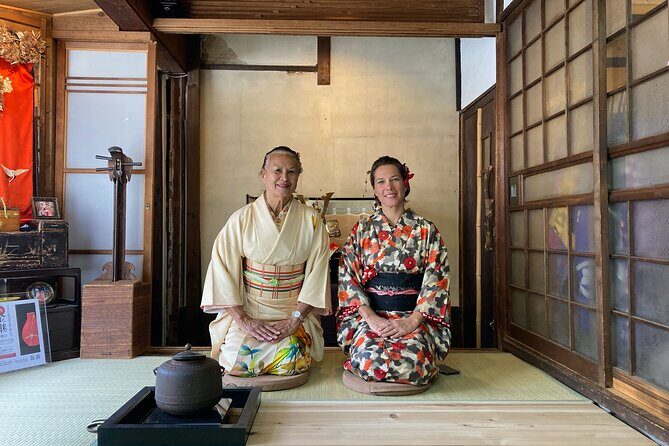
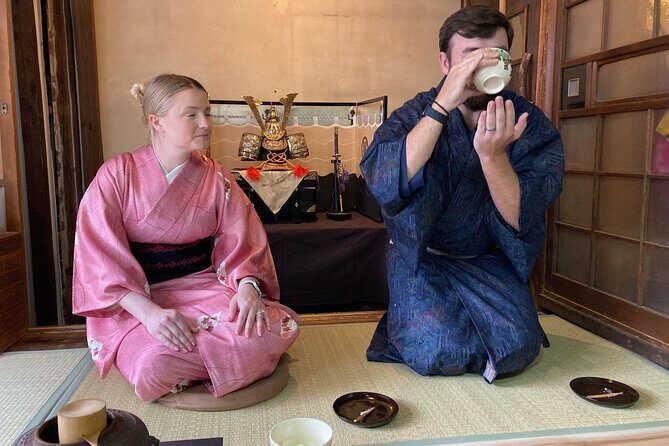
After Katsura, you shift from walking-view culture to seated, slow culture. The tea ceremony happens in a 100-year-old traditional Japanese house, and it’s described as quieter and calmer than the city. That’s not a small detail. Tea works best when your brain stops trying to multi-task.
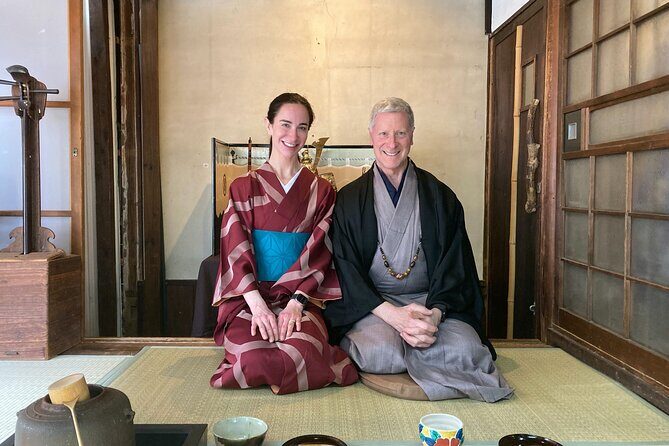
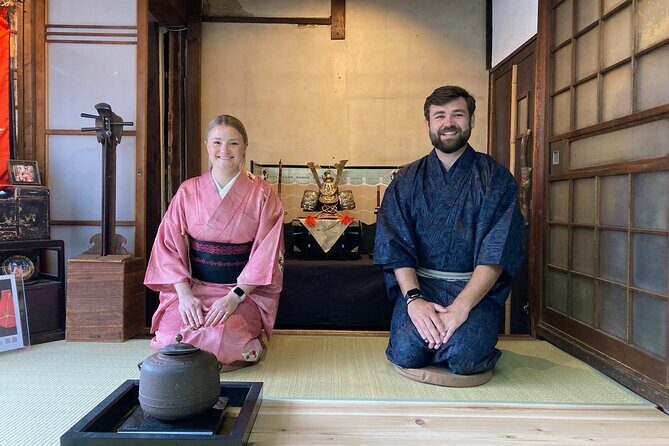
In this part of the experience, you’ll wear your kimono again during the ceremony. Tokusaburo helps with coordination, and the atmosphere is meant to feel respectful and grounded rather than like a performance staged for crowds.
What’s served is clearly part of the value:
- Two cups of matcha
- Main Japanese sweets made by a local confectioner in Katsura, Kyoto
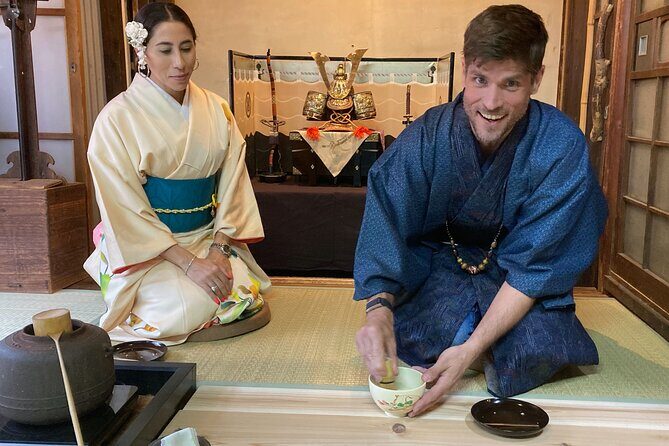
More important than the food is what you learn. You’ll get instruction on the proper way to drink and prepare matcha, and you’ll watch a tea ceremony demonstration by the owner. This is the difference between sampling green tea and understanding why it’s served the way it is. Even if you’ve never touched a tea whisk before, you’ll come away with a basic sense of order and gestures.
If you’re the type who likes to be involved, you’re likely to appreciate the structure here. The ceremony is interactive in the sense that you’re guided through how to handle the moment, not just told stories about it. Some visitors have described it as unconventional in feel, but the core is still the same: learning the rhythm of tea.
A small etiquette note that you’ll feel during the ceremony: the point is calm focus. Keep your phone away unless you’re specifically allowed to use it, and be ready to sit and follow instructions. The kimono adds a little physical awareness too, which can make the whole experience more memorable.
Price and value: what you’re actually paying for in this $169.90 package
At $169.90 per person, this is not a budget option. I get the questions that come with that price tag, especially if you compare it to what a garden admission ticket might cost by itself.
But this package isn’t selling just entry. It includes:
- Antique kimono rental fee, including dressing
- Tea ceremony experience fee, with matcha and Japanese sweets (held at the shop)
- Same-day Katsura Imperial Villa admission ticket arrangement fee (limited quantity)
- Transportation round trip between the store and Katsura Imperial Villa
- Entrance fee for Katsura Imperial Villa
Also, lunch and dinner are not included. That’s normal for short cultural tours, but it does affect your total day planning.
So where does the premium make sense? It makes sense if you want:
1) Reserved-number access handled, without spending your energy figuring it out,
2) A kimono experience that includes dressing, not just a generic rental, and
3) A structured tea ceremony with matcha, sweets, and instruction, not just a quick tasting.
Where it might feel expensive is if your goal is only the villa garden and you already plan to handle everything yourself. In that case, you might feel like the kimono and tea ceremony are paying for an experience you didn’t ask for.
There’s also an expectation-management factor. Some visitors focus on getting detailed English interpretation all the way through the day. If you’re paying premium rates, you may want everything delivered by a live English-speaking guide. In this format, English support can be audio-based at the villa, which can affect how satisfying the commentary feels.
My practical advice: treat this tour as a full cultural package—access plus kimono plus tea. If you go in expecting a logistics-free, well-guided cultural day with both Katsura and tea included, the price starts to feel more reasonable.
Timing, tickets, and how to make the most of a 3-hour visit
This is an efficient schedule. You’re in and out of the villa within a tight window, and the kimono fitting plus tea ceremony are built into that 3-hour block.
Two timing details matter:
- The tour starts at 1:00 pm
- On average, it gets booked about 50 days in advance
That booking pace is a hint. If Katsura is on your must-do list, don’t treat this as a last-minute plan. Limited access and numbered tickets can make the difference between getting a slot and not.
Because the villa access is time-limited, the order of operations matters too. You don’t want to show up late to the kimono part, and you don’t want to wander off during transitions. The host arrangement and transportation help prevent the typical Kyoto problem: you spend half your day trying to find the right line, bus, or meeting spot.
Another consideration is weather. The experience requires good weather, and if it’s canceled due to poor weather, you’re offered a different date or a full refund. That means you should keep your Kyoto planning flexible enough to swap dates if needed.
For making the day smoother:
- Arrive a little early at the meeting location so the kimono fitting can start on time.
- Plan for photos in kimono, but also plan for restraint and etiquette while inside Katsura and during tea.
- Don’t schedule a heavy dinner right afterward. You’ll be seated during the tea ceremony, and you’ll likely want time to decompress before food.



Who this Katsura and tea ceremony tour suits best
This tour makes the most sense if you enjoy the connection between arts, etiquette, and place. Katsura Imperial Villa is not just pretty. It’s a designed environment where tea culture and aesthetics live together in architecture and landscaping.
You’ll also like this if you’re excited about dressing up in an antique kimono and learning a bit about how it works. Not all kimono experiences teach you anything beyond how to pose. Here, Tokusaburo’s shop setting adds context, and the ceremony instruction gives you a reason to care.
It also suits people who hate administrative hassle. Getting Katsura tickets is hard enough that a reserved-ticket arrangement becomes a real benefit, especially when you’re on a limited trip timeline.
Who might not love it:
- If you want a budget option, this package will likely feel pricey.
- If you expect full live English guiding inside every part of Katsura, you may find the language format relies on audio headsets rather than constant live commentary.
- If you prefer very structured, tightly scripted pacing, know that the day can feel more flexible than a traditional classroom-style tour.
For anyone else, it’s a strong way to experience a rare combination: Katsura access plus an antique kimono day plus a tea ceremony you can actually learn from.
Should you book this Katsura Imperial Villa + tea ceremony experience?
I’d book it if Katsura is a top priority and you want everything handled: ticket arrangement, transport, kimono dressing, and the matcha ceremony with sweets. The value case improves a lot when you factor in that you’re not just buying entry—you’re buying the full sequence and the cultural coaching that makes it more than sightseeing.
I’d hesitate if your main goal is only the villa garden and you’re comfortable managing the access process yourself. Also pause and consider whether you really need nonstop live English interpretation during the villa portion.
If your Kyoto itinerary includes time to slow down, this tour fits nicely. It’s short, but it’s not shallow. The kimono adds a memorable visual anchor, and the tea ceremony adds the context that explains why the Japanese aesthetic is so tied to ritual and quiet attention.
FAQ
What time does the tour start, and how long does it last?
The tour starts at 1:00 pm and lasts about 3 hours.
Where do I meet for the tea ceremony?
You meet at 32-4 Katsuranozatochō, Nishikyo Ward, Kyoto, 615-8073, Japan.
Is this a private tour or will I join other groups?
This is a private tour/activity, so only your group participates.
What is included in the tea ceremony experience?
The tea ceremony includes matcha and Japanese sweets, and it also includes instruction on the proper way to drink and prepare matcha. The tea ceremony demonstration is also part of the experience.
What do I wear during the tea ceremony and villa visit?
You’ll rent and wear an antique kimono, and the dressing (including kimono and obi help) is included.
Does the price include Katsura Imperial Villa admission?
Yes. The entrance fee for Katsura Imperial Villa is included, along with the arrangement fee for same-day admission tickets.
Do I get transportation between the shop and Katsura Imperial Villa?
Yes. Round-trip transportation is included from the store to Katsura Imperial Villa.
What happens if the weather is poor?
The experience requires good weather. If it’s canceled due to poor weather, you’ll be offered a different date or a full refund.
Can I cancel for free?
Yes. Free cancellation is available if you cancel at least 24 hours in advance for a full refund.