REVIEW · KYOTO
Sacred Pathways: Discover the Philosopher’s Path of Kyoto
Book on GetYourGuide →Operated by Kyoto Fun · Bookable on GetYourGuide
A quiet stream, a green corridor, and Zen gardens close by. Sacred Pathways makes the Philosopher’s Path feel calm and meaningful, with Ginkakuji’s garden as the visual highlight and small groups keeping the day easy. The main catch: you’re walking about 5 km, so it’s not for people who want minimal steps.
I also like that the guide adds context while you go, not after the fact. When you understand why Zen ideas shaped the arts and culture here, the stones, gravel, and silence stop feeling random. A single drawback to plan around is that the route is relaxed, but it still requires at least moderate fitness, and kids under 10 are not the fit for this format.
If you’re pairing this with other temple time in Kyoto, this tour is a nice change of pace: no big bus scene, no rush to check boxes, and a route that hugs the foot of the Eastern mountains.
In This Review
- Key moments you’ll remember
- Kyoto’s Philosopher’s Path, paced like a local stroll
- The stream-and-moss feeling: what the walk does to your brain
- Ginkakuji Temple garden: where Zen shows up in the design
- Nanzenji Temple and the aqueduct: big scale in a calm setting
- Price and value: why $64 can feel fair here
- The human factor: guides, stories, and a day that doesn’t feel rushed
- Getting ready: what to pack and how to handle the 5 km walk
- Who should book Sacred Pathways (and who should skip)
- A short, smart booking checklist
- Should you book this Philosopher’s Path tour?
- FAQ
- How long is the Sacred Pathways tour?
- How much walking is involved?
- What does the tour cost and what’s included?
- Do I need cash to pay temple entry fees?
- Are food and drinks included?
- What languages are the guides?
- What is the group size like?
- Is there a cancellation option if my plans change?
- Are drones allowed during the tour?
Key moments you’ll remember
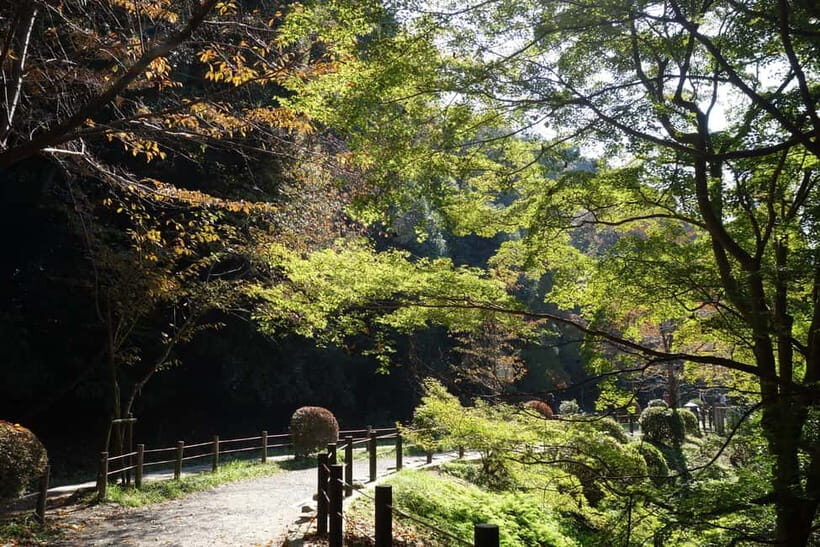
- Philosopher’s Path on foot: tree-lined canal, soft stream sounds, and plenty of chances to slow down for photos
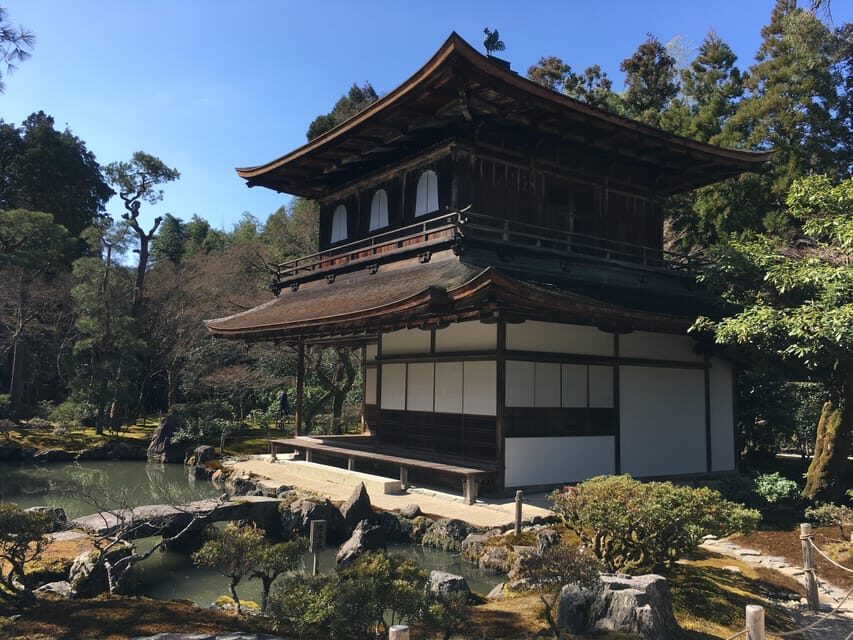
- Ginkakuji Temple garden focus: raked gravel, artful stone placement, and a contemplative rhythm
- Nanzenji + aqueduct: big, impressive Zen architecture that contrasts with the gentle walkway
- A chill pace by design: tiny groups (up to eight) make it feel like your day, not a stampede
- No cash for entry fees: entrances are included, so your brain stays on the walk
Kyoto’s Philosopher’s Path, paced like a local stroll
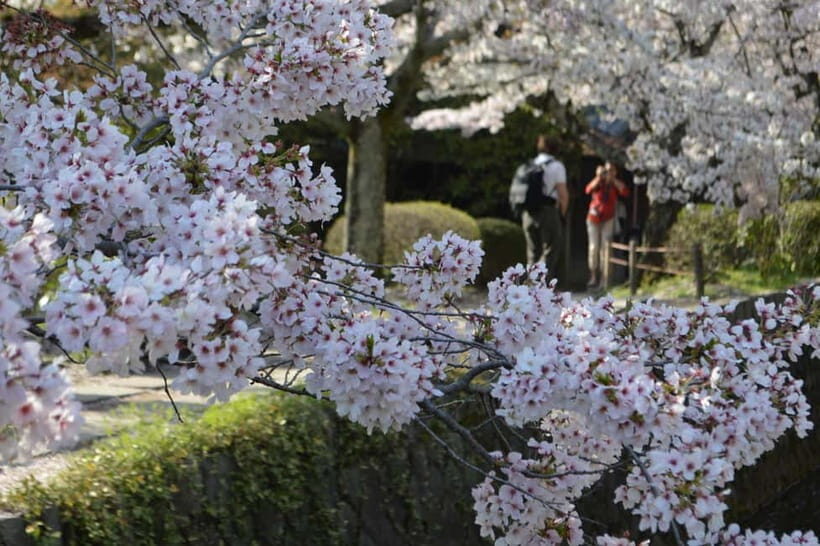
The Philosopher’s Path is one of those Kyoto walks that sounds famous before you even start. The difference here is how the day is paced. You go at a chill speed, with enough time at each stop that you can actually look—at details in the gardens, the way light falls on moss, and the small turns that make the path feel like a corridor of calm.
This route follows the canal side and stays close to the Eastern mountains. That matters because you’re not stuck in a narrow lane of shops for the whole experience. You get nature first, then architecture, then nature again. And because the group stays small (never more than eight people), you’re less likely to feel swallowed by crowds.
The walking is about 5 km (around 3 miles). That’s not a sprint, but it’s also not a short “see it from the bus window” stroll. If you’re the type who likes to keep moving without thinking, this tour might feel slow. If you like time to stop, breathe, and take in the Zen vibe, you’ll likely love the rhythm.
You can also read our reviews of more tours and experiences in Kyoto.


The stream-and-moss feeling: what the walk does to your brain
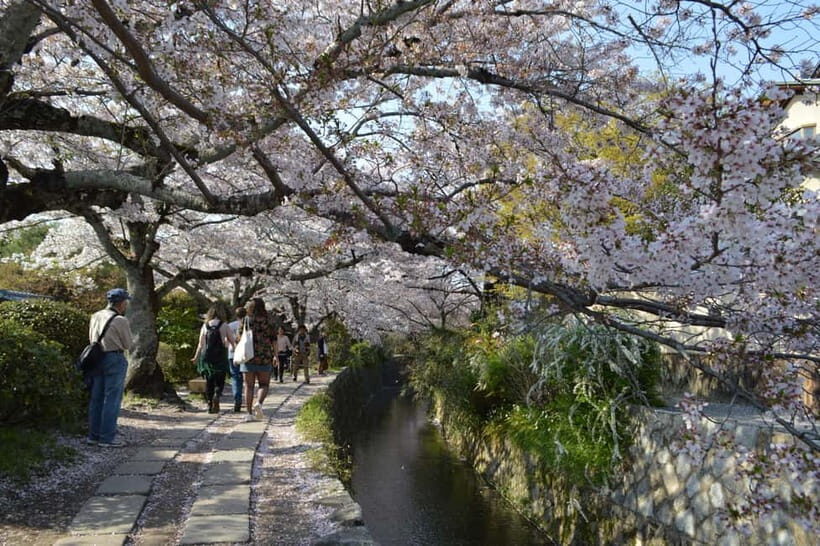
One thing I value on tours like this is the chance to slow down the senses. On the Philosopher’s Path, the stream noise and the rustle of leaves naturally set a quieter pace than most sightseeing days. As you walk, you’ll notice how the scenery supports the theme of the day: Zen is not just something you read about—it’s something you feel in the pace of movement and the attention you give to small details.
The garden style here is especially easy to miss if you’re rushing. When you’re standing at the right moment, you can see why raked gravel and carefully placed stones matter. The gravel lines are not just decoration; they’re part of how space is organized for contemplation. The moss—often shimmering in morning light—also changes the mood depending on the weather, and rain can make the gardens feel even more atmospheric.
You’ll also hit the stretch where quaint cafes and small shops line the route. That’s one of the most practical parts of the experience. You’re not forced to carry your entire day on willpower alone. You can take a pause to grab a hot drink or browse for simple, handcrafted souvenirs without derailing the tour flow.
Ginkakuji Temple garden: where Zen shows up in the design
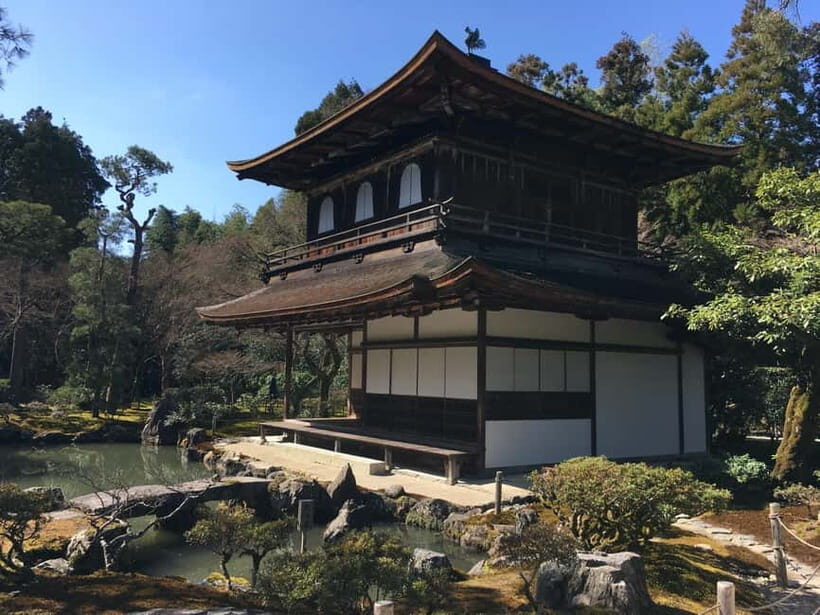
Ginkakuji Temple, often called the Silver Pavilion, is the big visual moment on this tour. The garden is the star, and you’re not treated like you’re just passing through. You’ll be guided to look at what the garden is doing: meticulously raked gravel patterns, artfully positioned stones, and those quiet corners that invite you to slow down even if you’re not the contemplative type.
Here’s why this stop is worth more than the postcard view. Zen influenced Japanese arts and culture, and the guide’s role is to give you the context to see it. Without that framing, it’s easy to admire the garden and still feel like you’re missing the point. With it, you start recognizing the logic behind the layout—how the garden is meant to be observed and mentally organized, step by step and viewpoint by viewpoint.
You’ll also appreciate the time to take it in without feeling shoved along. One of the strongest benefits of the small group size is that it makes a temple garden experience feel human. You can pause for a photo, look again, and still rejoin the group without rushing your answers or your breathing.
A quick reality check: this is still a garden and temple visit, so wear shoes that can handle uneven ground. If you’re planning to stop for photos, the slower pace helps, but you’ll still want stable footing.
Nanzenji Temple and the aqueduct: big scale in a calm setting
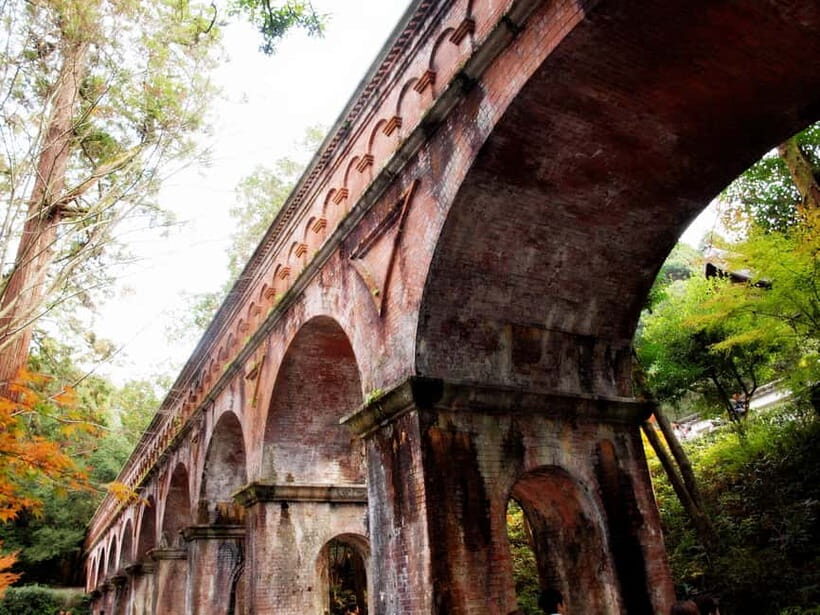
After the gentler, greenery-led Philosopher’s Path mood, Nanzenji adds a different kind of impact. It’s a prominent Zen temple in Kyoto, and the architecture is impressive in a way that’s easy to feel even if you don’t yet know all the details.
The aqueduct is a standout. It changes the visual character of the visit—suddenly you have scale, structure, and a strong sense of history in stone. That contrast is part of why this pairing works. You get the quiet focus of the garden, then you get the monumental presence of Nanzenji, all within the same half-day flow.
This stop also helps you understand Zen as part of everyday culture, not just a ticketed attraction. When you see the temple’s role alongside the philosophical walking route, it clicks: Kyoto’s spiritual ideas show up in how places are designed, how visitors are guided through space, and how time feels in the setting.
Price and value: why $64 can feel fair here
At $64 per person for a 4-hour experience, the smart question isn’t whether it’s cheap. It’s whether it saves you time, hassle, and money in ways that matter.
In this case, the value is tied to three practical things:
- All entrance fees are included. That means you don’t need to pull out cash (or scramble for payment) once you arrive. Your day stays smoother, and you avoid the common travel irritation of figuring out what’s already paid.
- You get a bilingual guide plus a digital city guide. The guide isn’t just pointing out buildings. You’re getting stories that shape how you understand what you see—especially around Zen and its influence on arts and culture.
- Small group pacing. Paying for a tour is often a tradeoff against flexibility. Here, the tradeoff is handled by keeping groups tiny and moving at a relaxed pace, so the day doesn’t feel like a production.
Food and drinks are not included, so budget for a cafe stop if you want one. But that’s also your choice. You’re not locked into a set menu or a forced snack break.
Overall, if you like Kyoto on foot and you care about context, the pricing structure is set up to feel reasonable.
The human factor: guides, stories, and a day that doesn’t feel rushed
A tour lives or dies by the guide, and this one leans hard into local, long-term Kyoto residents. That matters because Kyoto history can turn into a list if your guide only recites facts. The better guides translate those facts into what you can actually see in the place you’re standing in.
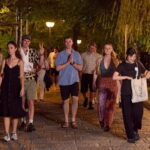
In the feedback for this experience, hosts like Kevin and Craig come up with a consistent theme: they’re personable, they answer questions, and they keep the pace matched to the group. That makes a difference on a walk like the Philosopher’s Path, where the best moments come from small pauses—standing still long enough to notice how the gravel is arranged, or slowing down so the garden looks less like scenery and more like design.
It also helps that you get time to sit at a cafe when you want it. That might sound small, but it’s one of the things that keeps the day from turning into nonstop walking and temple fatigue.
Getting ready: what to pack and how to handle the 5 km walk

This is a 4-hour tour and about 5 km of walking. That means you should plan like it’s a real stroll, not a quick sightseeing shuffle.
- Shoes: comfortable walking shoes are a must, especially for temple-garden surfaces.
- Pace strategy: the tour is designed to be relaxed, so you don’t need to force fast speeds. Still, you should be ready to walk steadily for stretches.
- Energy check: if your stamina is limited, consider whether the moderate fitness requirement matches your day. The route is about time on your feet.
- Weather mindset: the atmosphere of gardens can shift with rain. If it’s wet, expect the scenery to feel different, and give yourself a little more time with footing.
No drones are allowed, so if you’re bringing one for your camera kit, plan on leaving it home for this activity.
Who should book Sacred Pathways (and who should skip)
This tour is best for people who want Kyoto at walking speed with explanation that makes the scenery click. Because it includes entrance fees and keeps group sizes tiny, it suits travelers who dislike last-minute planning and crowded tour dynamics.
It’s also a strong pick if you want a Zen-focused day without having to become an expert first. The guide’s job is to translate the ideas behind the places into everyday understanding you can carry into the rest of Kyoto.
Who might not love it:
- Kids under 10 (this format asks you to inquire about a private tour instead)
- People who want minimal walking
- Anyone who doesn’t do well with moderate fitness days
- People over 95 (this isn’t suitable for that age range)
On the other hand, couples, solo visitors, and small groups often hit the sweet spot. If you’re the kind of person who enjoys quiet moments as much as photos, you’re in the right lane.
A short, smart booking checklist
Before you book, match your expectations to the structure of the day:
- You’re buying time to walk + look + learn over about four hours.
- You’ll cover roughly 3 miles on foot, at an easy pace.
- Entrance fees are included, but food and drinks aren’t, so keep that in mind.
- Your guide language will be English or French, depending on the option.
- The meeting point can vary by option, so double-check your confirmation details.
One more tip: arrive a few minutes early if you can. On small-group tours, that’s the difference between starting calmly and starting slightly behind schedule.
Should you book this Philosopher’s Path tour?
I’d book Sacred Pathways if you want Kyoto that feels slower, more personal, and easier to understand—especially if Zen gardens and temple architecture are high on your list. The included entrance fees, the bilingual guide, and the tiny group size all point to a day built for attention rather than rushing.
Skip it if your priority is covering the maximum number of sights with minimal walking time, or if you need an activity that’s friendly for very young kids. Also think twice if you know you won’t comfortably handle about 5 km on foot.
For the right pace and the right interests, this tour is a very solid way to experience the Philosopher’s Path the way it’s meant to be experienced: on foot, with context, and without the stress of managing payments on the go.
FAQ
How long is the Sacred Pathways tour?
The tour lasts 4 hours.
How much walking is involved?
It’s about 5 km (3 miles) of walking, so it needs at least a moderate level of fitness.
What does the tour cost and what’s included?
The price is $64 per person. It includes all entrance fees, a bilingual guide, and a digital city guide.
Do I need cash to pay temple entry fees?
No. Entrance fees are included, so you do not need to bring cash for them.
Are food and drinks included?
No. Food and drinks are not included, though you can find cafes and shops along the route.
What languages are the guides?
Guides are available in English and French.
What is the group size like?
The group is kept small, with no more than eight people per tour.
Is there a cancellation option if my plans change?
Yes. Free cancellation is offered up to 24 hours in advance for a full refund.
Are drones allowed during the tour?
No. Drones are not allowed.