REVIEW · WALKING TOURS
One-Day Walking Tour : Enjoy Kyoto to the fullest!
Book on Viator →Operated by KAMNAVI Tours · Bookable on Viator
Kyoto in one long day. I like how early you step into Arashiyama Bamboo Grove before it gets crowded, and I like that the day links Kinkaku-ji and Fushimi Inari with context from a guide. The drawback is real: it’s about 8 hours of walking, so pack for heat and wear shoes that can handle stone streets.
This is a private, guide-led highlights route starting at Kyoto Station Building at 9:00 am and ending back at the meeting point. Expect a smooth run across the city using public transport, with the guide handling navigation and pacing—one big reason this works well for first-timers who don’t want to spend the day figuring out trains.
In This Review
- Key highlights to know before you go
- Price and what you actually pay in Kyoto
- How the meeting point and timing shape the whole day
- Arashiyama Bamboo Grove in the morning: why the timing matters
- What to watch out for
- Kinkaku-ji and the Golden Pavilion: more than shiny walls
- Admission note
- Gion district on foot: seeing the atmosphere, not just the postcard
- The geisha factor
- Fushimi Inari-taisha: torii gate strategy for a long tunnel
- Why torii gates feel special in Kyoto
- Admission
- Public transportation costs and how guides reduce the stress
- Comfort tips for an 8-hour walking highlight day
- Who this Kyoto one-day tour fits best
- Should you book it? My honest recommendation
- FAQ
- How long is the tour?
- Where does the tour start?
- What are the main stops on this one-day walk?
- Are temple or shrine admission fees included?
- Is public transportation included in the tour price?
- Is this a private tour or shared group?
- Does the tour run in bad weather?
Key highlights to know before you go
- Early bamboo grove timing: morning light makes the Arashiyama scene feel different from midday.
- Kinkaku-ji with historical context: you’ll see the Golden Pavilion and hear how it evolved from a shogun’s villa to a temple.
- Gion on foot: you’ll walk through the area where geisha may appear as they move between places.
- Fushimi Inari’s torii gate tunnel: thousands of orange gates, plus a simple approach for enjoying it without rushing.
- Guide-driven transit strategy: you’re not just sightseeing—you’re also learning how to get around Kyoto efficiently.
- Private-group feel, shared momentum: it’s only your group, but it still moves like a proper day plan.
Price and what you actually pay in Kyoto
At $131.14 per person, this tour sits in the “you’re paying for time saved” category. The guide is included, but you’ll still cover some essentials directly: Kinkaku-ji admission is ¥500 per person, and public transportation is about ¥1,500 per person. Meals are not included.
So the real value question becomes: will you use the time well? In an efficient one-day loop, a good guide can save you from wrong trains, missed entrances, and long waiting around. That’s exactly what multiple groups praised—smooth navigation and a pace that keeps you from feeling dragged across Kyoto, or stuck far from what you came to see.
My take: if you’re in Kyoto for a short window, this price can make sense. If you’re staying longer and don’t mind planning every hop yourself, you may prefer a DIY day. But if you’d rather spend energy on temples and streets instead of transit stress, the math often tilts toward booking.
You can also read our reviews of more walking tours in Kyoto



How the meeting point and timing shape the whole day
The day starts at Kyoto Station Building at 9:00 am. Ending back there means you’re not mentally tracking where you’ll end up at night—nice, especially after a full day.
Also, the early start matters because one of the stops is Arashiyama Bamboo Grove. Morning is when the grove feels most magical: the light is softer, and the flow of people tends to be calmer. Guides also plan the order so you’re not hitting the most famous spots when they’re at peak crush.
If you’re considering this tour, be honest with yourself about walking. The tour lists quite a bit of walking required and suggests moderate physical fitness. You’re moving through Kyoto’s best-known areas on foot, and even with transport between zones, your legs will do most of the work.
Arashiyama Bamboo Grove in the morning: why the timing matters
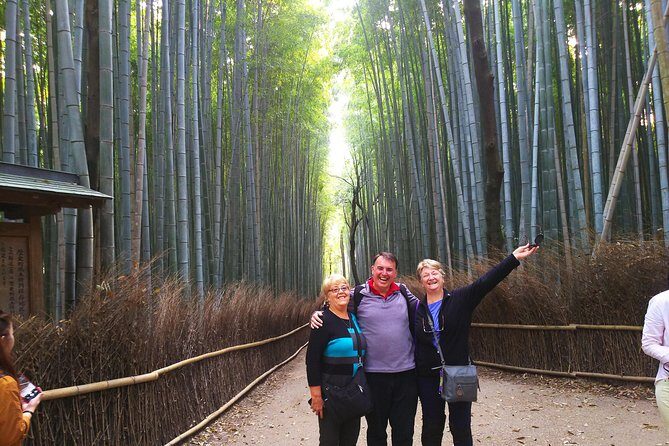
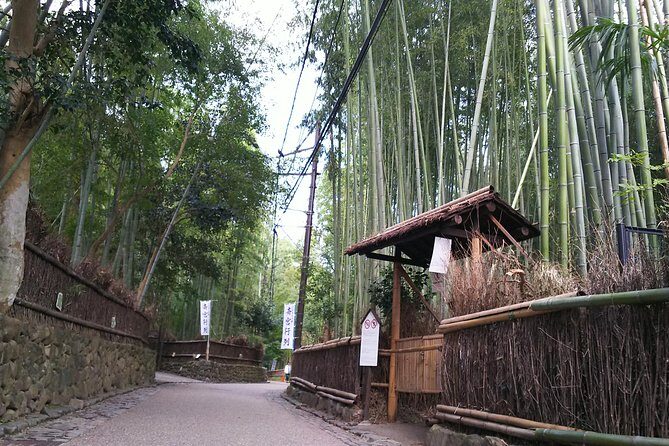
Your morning walk begins with Bamboo Forest Street, designed to catch the grove before it becomes a full-on tourist jam. In practice, this is where you’ll notice the difference between seeing the bamboo and feeling the bamboo.
I love early bamboo because the scene reads cleaner. You get that classic vertical rhythm of stalks, and the path feels less like a crowd funnel. Closing your eyes for a moment, as the tour suggests, isn’t just cute. In the morning, the air and the soundscape are calmer, so you can actually notice the setting instead of only taking photos.
What to watch out for
Bamboo photos are tempting, but the grove is still outdoors. If it’s hot, you’ll want to pace yourself. Bring water, take short breaks, and don’t sprint from one photo angle to another.
Kinkaku-ji and the Golden Pavilion: more than shiny walls
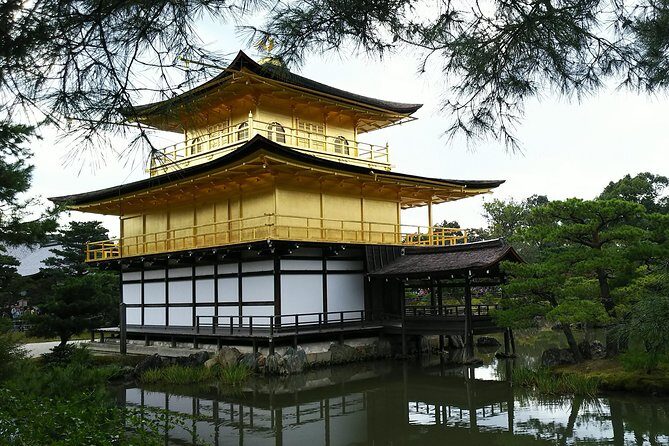
Next comes Kinkakuji Temple, famous as the Golden Pavilion. You’re not only seeing a landmark—you’re getting its story. The site once served as a villa for a retired shogun, then was converted into a temple after his death. That shift changes how you read the building: it stops being only a scenic exterior and becomes a symbol of status, faith, and changing eras.
The main building is covered with gold leaf, and the visual impact is immediate. What’s helpful from a guide is the context that keeps you from treating the temple like a photo stop. You learn why this place carries such weight in Japanese culture, and you’ll likely spot details you would miss if you simply walked in with a camera and no plan.





Admission note
This stop has admission fee not included in the tour price. Budget for ¥500 per person here.
Gion district on foot: seeing the atmosphere, not just the postcard
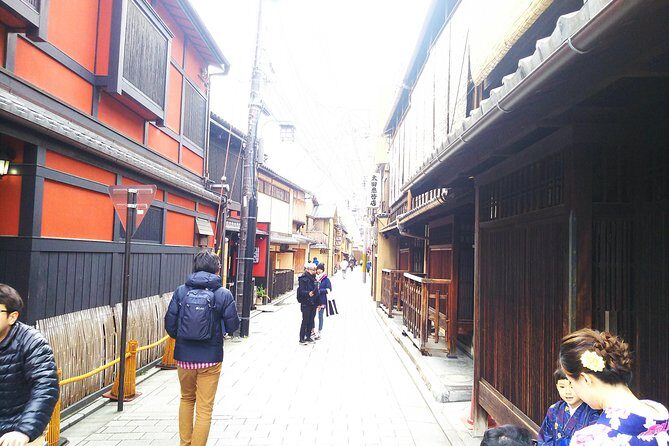
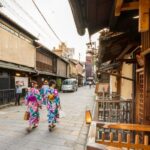
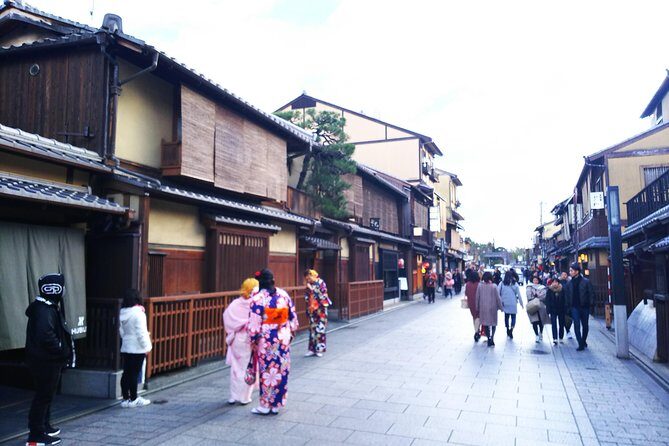
The tour continues into Gion, Kyoto’s best-known geisha district. You’ll walk through the neighborhood where geisha may appear, especially as they move between boarding houses and tea houses.
Here’s the key: Gion is not one single attraction. It’s a street-level feeling—old-town lanes, traditional facades, and the sense that the district has a lived-in rhythm. On a walking tour, that atmosphere becomes part of the experience. You’re not stopping at one gate and leaving; you’re moving through the area at human speed.
The geisha factor
You may see geisha, but the important part is how the guide frames the area. Instead of hunting for a guaranteed sight, you learn what you’re looking at—how the district works and why it looks the way it does.
Fushimi Inari-taisha: torii gate strategy for a long tunnel
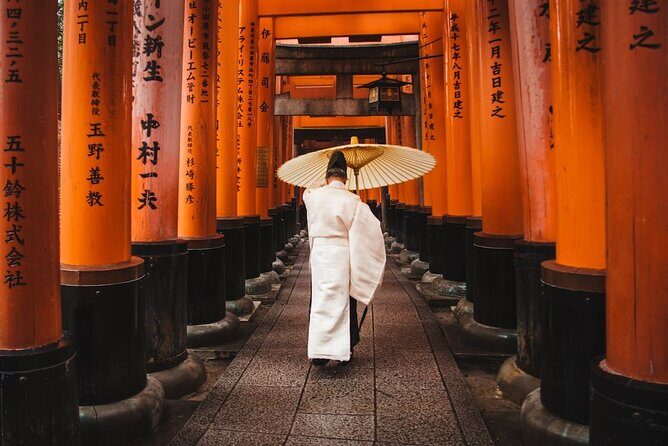
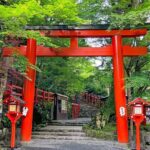
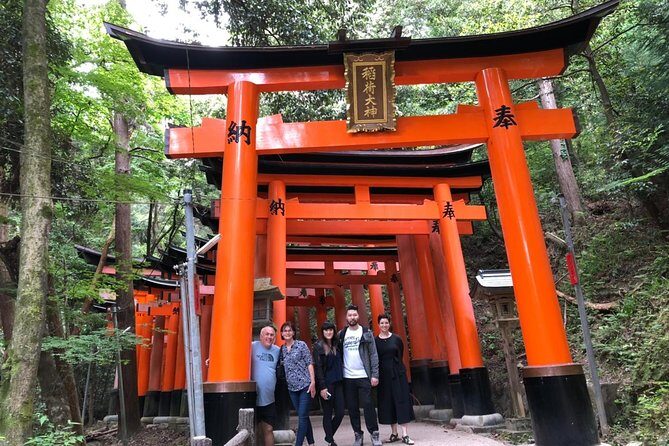
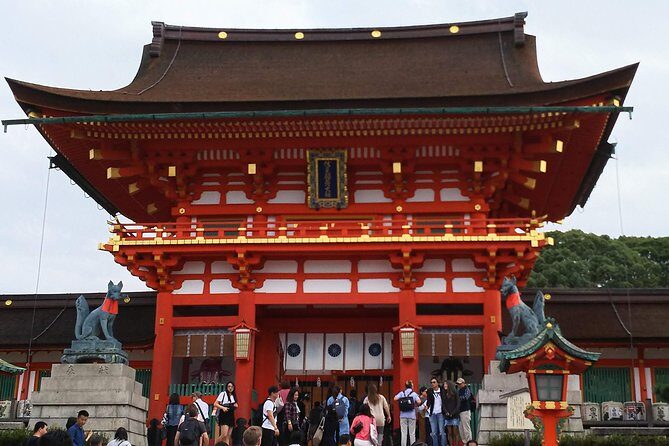
Finally, you reach Fushimi Inari-taisha Shrine, famous for its tunnel of thousands of vermillion torii gates. This is one of those places where people either rush through for photos or get lost (in a good way) and forget why they came.
The guide’s job here matters: they help you keep your enjoyment while still staying on schedule. As you walk under successive gates, you can feel the sense of progression. The shrine is built around movement, repetition, and devotion—each gate acts like a milestone in the longer experience.
Why torii gates feel special in Kyoto
Part of the magic is how color and structure work together. Vermillion stands out against stone, wooden details, and the natural tones of the area. Over time, the pattern creates an almost visual rhythm, so even if you’ve seen torii gates in photos before, seeing them in person hits differently.
Admission
This stop lists admission ticket free, so you’re paying only for transport and whatever you choose to eat.
Public transportation costs and how guides reduce the stress
One of the best practical reasons to book a guided day in Kyoto is transit efficiency. This tour includes the guide fare, but you cover public transportation (about ¥1,500 per person) yourself.
Guides tend to use the transit network strategically, and you’ll likely combine trains and buses (and possibly other ride options as needed) to keep the day flowing. The biggest win is less confusion: you’re not standing around at stations with maps, trying to decode Japanese signage while also juggling your schedule.
That support showed up repeatedly in feedback—people liked getting help navigating Kyoto’s transport system so they weren’t constantly stuck in planning mode.
Comfort tips for an 8-hour walking highlight day
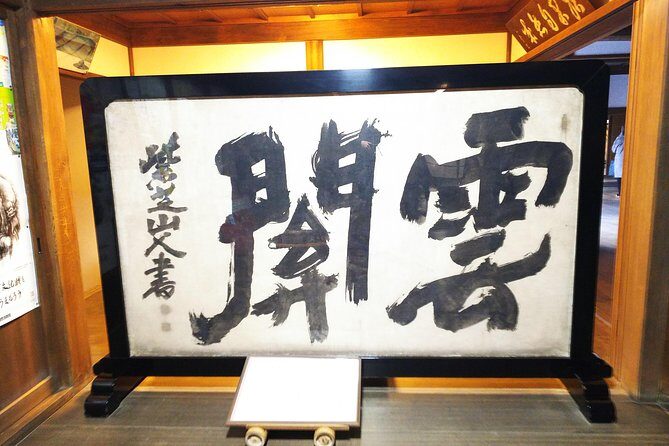
This is not a sit-and-stare itinerary. It’s a one-day walking route across Kyoto’s most famous zones. If you go in with the right expectations, it feels rewarding instead of exhausting.
Here’s how I’d prepare based on what the day demands:
- Shoes first: you’re walking in temple grounds, along city streets, and through areas with uneven pavement.
- Water and shade: hot weather can turn a great day into a slog. Guides can help you keep moving without overheating when conditions are tough.
- Photo pacing: take your key shots, then keep walking. Fushimi Inari in particular rewards forward motion more than constant stopping.
- Lunch timing: meals are not included. Plan to eat wherever the guide suggests or look for a simple local option near the route.
If you’re traveling as a family or with older relatives, pay attention to the “quite a bit of walking” note. This works best when everyone can handle long stretches outdoors.
Who this Kyoto one-day tour fits best
This tour is a strong match if you:
- Want a highlights overview without spending hours building your own route.
- Are short on time and want Arashiyama, Kinkaku-ji, Gion, and Fushimi Inari in one day.
- Prefer a guide to help with timing (like bamboo early) and navigation.
- Like the idea of a day that feels full, with enough time at each major stop to take it in.
It’s also a good fit for first-time Kyoto visitors. Kyoto has dozens of temples and shrines, and choosing what matters most can be harder than it looks. A guided “best hits” day makes the city feel understandable fast.
If you hate walking or you want a slow, neighborhood-by-neighborhood day with zero schedule pressure, you might find this too intense.
Should you book it? My honest recommendation
Book this Kyoto walking tour if you want maximum Kyoto in a single day and you’d rather pay for guidance than risk wasting your time on transit confusion. The biggest strengths are the morning Arashiyama timing, the pairing of Kinkaku-ji + Fushimi Inari (two iconic Kyoto experiences that are also very different), and having a guide to keep you moving intelligently.
Skip it if you’re the type who needs lots of rest, wants meals included, or prefers to build your own route at your own pace. The walking load is the trade-off.
If your goal is simple—see Kyoto’s major sights efficiently and come away with a clearer picture of the city—this one-day plan is a solid bet.
FAQ
How long is the tour?
It runs for about 8 hours.
Where does the tour start?
The meeting point is Kyoto Station Building, at 901 Higashishiokōjichō, Shimogyo Ward, Kyoto. The start time is 9:00 am.
What are the main stops on this one-day walk?
You’ll visit Arashiyama Bamboo Forest, Kinkaku-ji (Golden Pavilion), Gion, and Fushimi Inari-taisha Shrine.
Are temple or shrine admission fees included?
Kinkaku-ji admission is not included, and the tour lists ¥500 per person for admission. The other listed stops show free admission.
Is public transportation included in the tour price?
No. Public transportation fare is not included and is listed as ¥1,500 per person.
Is this a private tour or shared group?
This is private. Only your group participates.
Does the tour run in bad weather?
The experience requires good weather. If it’s canceled due to poor weather, you’ll be offered a different date or a full refund.