REVIEW · TEA CEREMONY EXPERIENCES
Oboro | Mindful Tea Ceremony in a 100-Year-Old Kyoto Teahouse
Book on Viator →Operated by Taku Okamoto · Bookable on Viator
Forget rushing Kyoto; tea slows you down. In Oboro’s 100-year-old teahouse, handmade candles and minimal décor create a quiet room, and the small group size keeps the experience personal and easy to follow. I also like the focus on matcha made step by step, with the tea whisked and served one bowl at a time. One catch: if you miss the start window by more than 10 minutes, you can’t join, so plan your route with a buffer.
This is a 50-minute Kyoto tea ceremony built for attention. You start with a welcome tea and sweets, watch the host clean and prepare the utensils, then settle into a slow tasting led by an English-speaking guide. The session ends with a small handmade candle token, so you leave with more than a memory.
In This Review
- Key Points to Know Before You Go
- A Candlelit Kyoto Teahouse That Feels Like a Timeout
- How the Tea Ceremony Actually Unfolds in 50 Minutes
- Matcha Preparation You Can Picture, Not Just Read About
- The English Guide Advantage (and Why It Matters)
- Candlelit Atmosphere vs. Cafe Tea: Why the Setting Changes Everything
- Timing and Arrival Rules: Simple, Strict, Worth Planning For
- Price and Value: Is $45.98 Worth It?
- Who Should Book This (and Who Might Skip It)
- Where This Ends Up: Leaving With a Different Mindset
- Should You Book Oboro’s Mindful Tea Ceremony?
- FAQ
- How long is the tea ceremony at Oboro?
- Is there an English-speaking guide?
- What’s included with the experience?
- How many people are in each session?
- What if I’m late to the start time?
- What happens if the ceremony can’t run due to weather or minimum travelers?
Key Points to Know Before You Go
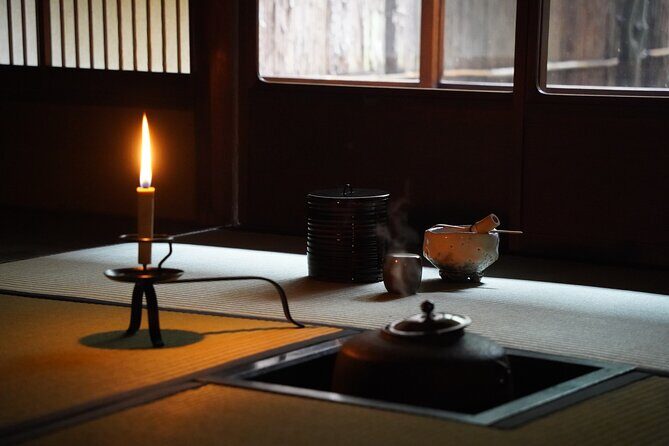
- A 100-year-old Kyoto teahouse setting lit by handmade candles
- Max 8 people for a truly uncrowded, watch-and-ask experience
- English speaking guidance so you won’t get lost in translation
- One-bowl-at-a-time matcha preparation, with utensil handling explained
- Welcome tea and sweets, followed by a calm, sensory tasting
- Handmade candle souvenir to take the mood home
A Candlelit Kyoto Teahouse That Feels Like a Timeout
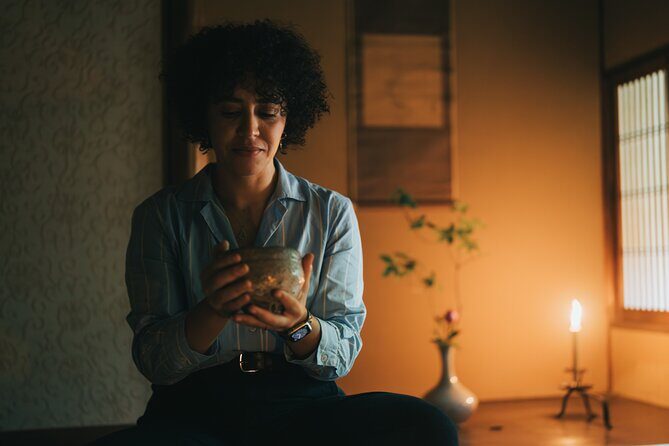
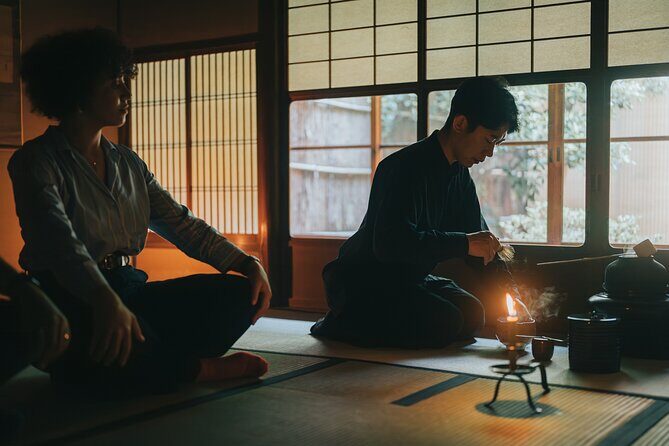
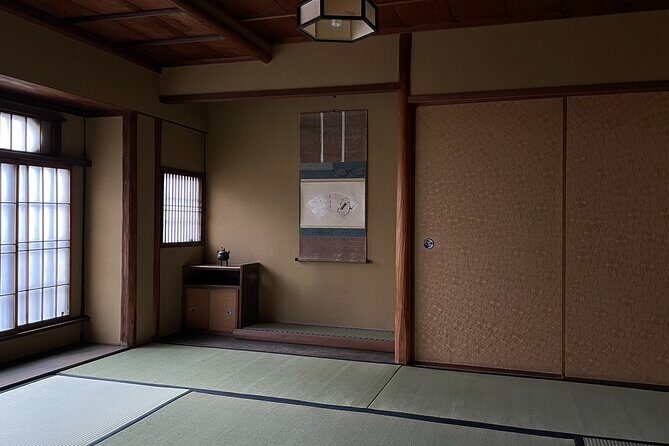
Kyoto can be loud, even when you’re trying to slow down. Oboro’s tea ceremony takes you somewhere quieter on purpose: a minimally decorated teahouse with handmade candles doing the lighting. The vibe isn’t staged like a restaurant. It’s more like stepping into a pause button—soft sounds, dim light, and space to actually watch what’s happening.
The most practical part is the small group. With a maximum of 8 people, you get real time to observe the utensils, notice the motion of the whisk, and ask questions without feeling like you’re on a schedule full of strangers. Several hosts tied to this experience (including Taku Okamoto as the provider) have English ability noted in feedback, and names like Taku and Naoki come up. That helps if you want the story behind each step, not just the step itself.
You can also read our reviews of more tours and experiences in Kyoto.



How the Tea Ceremony Actually Unfolds in 50 Minutes
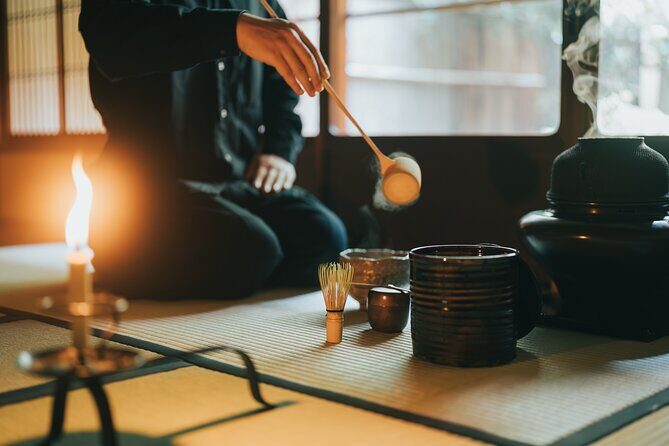
This runs about 50 minutes, so it doesn’t drag. The structure matters because tea ceremony isn’t just drinking—it’s rhythm, attention, and technique.
First, you’re welcomed with tea and sweets. This matters more than it sounds. It lowers the volume of your day. Your body gets a cue to slow down before the host begins the matcha portion.
Next, you shift into the tearoom space. The host cleans and prepares the utensils carefully. Even if you’ve never seen matcha made, you’ll understand what matters here: the tools are treated with respect, and the process isn’t rushed. Then comes the matcha preparation. The host whisks the green tea into a bowl, and you receive it one bowl at a time, so the tasting stays connected to what you’re watching.
As you drink, the experience nudges your senses. You’re encouraged to notice subtle flavors, the warmth of the bowl in your hands, and the feeling created by the candlelight around you. That’s the “mindful” part in a real, doable way. You’re not being asked to meditate for an hour. You’re being guided to practice attention while doing something simple.
The session ends with a small handmade candle token. It’s a thoughtful touch because it gives you something physical that links to the mood—quiet, calm, and reflective—rather than just a photo.
Matcha Preparation You Can Picture, Not Just Read About
A lot of people book a Kyoto tea ceremony thinking it’s mostly cultural theater. Oboro is closer to a guided demonstration where the technique is the point.
Here’s what you’ll likely notice:
- The host handles the utensils with care before whisking anything.
- Matcha gets prepared right in front of you, so you can see the consistency change as it’s whisked.
- The tea is served bowl by bowl, which keeps the pacing slow enough to register taste and texture.
One of the strongest themes from feedback is that this doesn’t feel like a cafeteria version of tea. Even people doing their first tea ceremony said it left a lasting impression, mostly because the ritual felt calm and focused. If you’ve had matcha before, this is also a chance to compare. You’ll start paying attention to details like aroma and how the tea feels as it warms in your hand.
The English Guide Advantage (and Why It Matters)
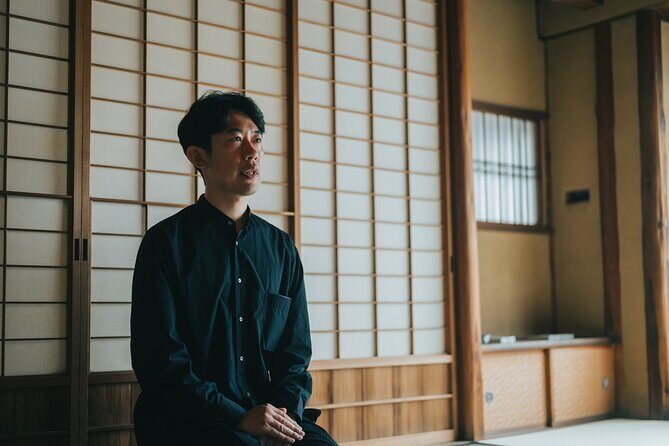
This is one of those “it’s small, but it’s huge” benefits. Oboro includes an English speaking guide, and that removes the most common barrier for a Kyoto tea ceremony: you don’t have to guess what each step means.
What you can expect from that translation support:
- You’ll understand what’s happening as the utensils are prepared.
- You’ll get explanations tied to the technique, not just a generic overview.
- You can ask questions in the moment and get answers without awkward guesswork.
The experience providers tied to this tour include Taku Okamoto, and feedback mentions hosts speaking excellent English such as Taku, plus others like Naoki. In plain terms, this makes the ceremony easier to connect with, even if you’re new to matcha.
Candlelit Atmosphere vs. Cafe Tea: Why the Setting Changes Everything
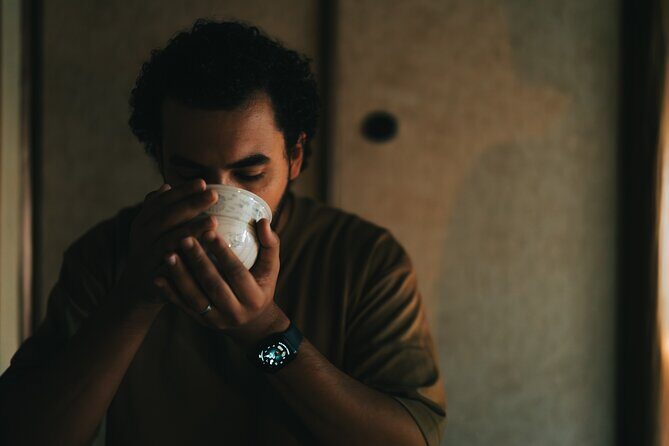
If you’ve had matcha at a café, you might think you know what to expect. But this is different because the room is part of the ritual.
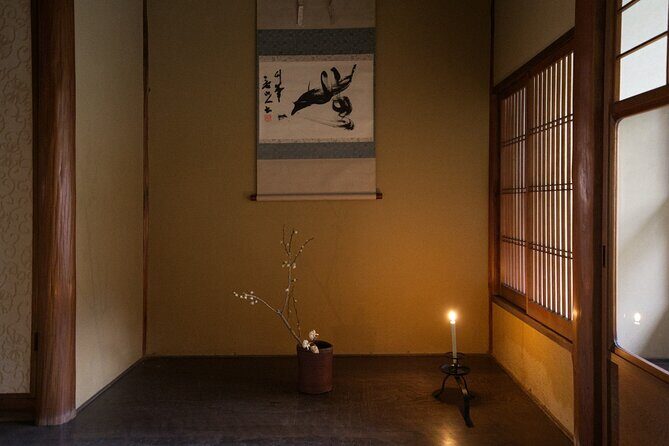
The teahouse is minimally decorated, with handmade candles as the light source. That changes your sensory input right away. Dim light reduces distraction. Quiet sound levels help you focus. And the space gives you a reason to sit still and watch.
The outcome is that the tea feels slower and more intentional. Several people pointed out the calm, meditative feel—especially in a busy city like Kyoto. If your plan is crammed with temples and shops, this can be the break that keeps the whole trip from turning into a checklist.




Timing and Arrival Rules: Simple, Strict, Worth Planning For
The ceremony starts at a specific time and you need to be there on time. There’s a rule that once you’re more than 10 minutes past the start, you can’t participate. That’s not a “technicality.” It’s the difference between a full ceremony and missing it.
So here’s what I’d do:
- Plan to arrive a little early, not just on time.
- Build in a buffer if you’re walking from another stop in Kamigyo Ward.
- Keep your phone on quiet so you can settle in quickly once you arrive.
The good news: it’s near public transportation. That makes it easier to build the day around this without adding stress.
Price and Value: Is $45.98 Worth It?
At $45.98 per person, this isn’t the cheapest thing on a Kyoto day plan. But it’s also not trying to be.
You’re paying for:
- A candlelit Kyoto teahouse experience designed for calm attention
- A small group size (up to 8 people)
- An English speaking guide
- A full ceremony flow including welcome tea and sweets
- Matcha preparation done in front of you and served one bowl at a time
- A handmade candle token at the end
For me, the value comes down to whether you want a “watch and participate” cultural moment or a quick drink. If you want the first one, the price starts to make sense. Fifty minutes in a quiet room with guided translation and careful presentation is a different experience than buying matcha and standing in line.
Also, the fact that there have been 20+ bookings last month suggests this isn’t some invisible side show. People are choosing it—and staying with it—because the setting and pacing actually work.
Who Should Book This (and Who Might Skip It)
This is ideal if you:
- Want something calm in Kyoto that’s not another crowded attraction
- Are curious about matcha but don’t want to learn it from a screen
- Appreciate a slower pace and a structured ritual
- Prefer experiences with English guidance
It may feel less satisfying if you:
- Want a long, hands-on workshop that goes for hours (this is about 50 minutes)
- Don’t like sitting quietly and watching a process
- Are likely to run late on purpose
If you’re the type who likes details—utensil care, whisking technique, tasting notes—this fits your style.
Where This Ends Up: Leaving With a Different Mindset
The best part of a mindful tea ceremony isn’t the final sip. It’s the change in attention while you’re there.
Oboro is built around shared respect rather than strict formality, and that makes it welcoming. You’re invited to observe, taste, and notice what you might usually skip. Even if you don’t consider yourself a “tea person,” the ritual can still work because it’s about focusing your senses and slowing your pace.
When it ends with that small handmade candle token, you’re reminded of the experience at home, not just in your photos.
Should You Book Oboro’s Mindful Tea Ceremony?
Yes, if you want a calm, guided Kyoto experience that focuses on matcha preparation and mindful tasting in a 100-year-old teahouse. The combination of candlelit atmosphere, English support, and a maximum group size of 8 is exactly what makes this feel intimate rather than rushed.
I’d book it especially if your Kyoto schedule is busy and you’re craving a quiet reset. Just be punctual—this ceremony is strict about start time. If you can do that, you’re set up for one of the most peaceful cultural experiences in the city.
FAQ
How long is the tea ceremony at Oboro?
The ceremony lasts about 50 minutes.
Is there an English-speaking guide?
Yes. An English speaking guide is included.
What’s included with the experience?
Coffee and/or tea are included, along with the tea ceremony itself. You’ll also start with a welcome tea and sweets.
How many people are in each session?
The experience has a maximum of 8 travelers.
What if I’m late to the start time?
You need to arrive on time. If you pass the start time by more than 10 minutes, you can’t participate.
What happens if the ceremony can’t run due to weather or minimum travelers?
If it’s canceled due to poor weather, you’ll be offered a different date or a full refund. If the minimum number of travelers isn’t met, you’ll also be offered a different date/experience or a full refund.
If you want, tell me your hotel area and what else you’re doing in Kyoto that day, and I’ll help you slot this in with realistic timing so you’re not sprinting to make the start.