REVIEW · TEA CEREMONY EXPERIENCES
Kyoto: Newly Opened Tea Ceremony – Sanjo Chasuian
Book on GetYourGuide →Operated by Sanjo Chasuian · Bookable on GetYourGuide
A Kyoto tea ceremony is supposed to slow you down, and this newly opened one does it fast. You’re just a short walk from Karasuma Oike, and you’ll start your session by crawling through a Nijiriguchi entrance that puts you in the right mindset immediately. It’s short, focused, and built for hands-on learning, not museum-style watching.
What I like most is that you drink matcha in two ways: one bowl is prepared for you, then you whisk your own. You also get included seasonal sweets from a Kyoto confectioner with over 100 years of history, which makes the hour feel complete instead of rushed. One consideration: the crawl-in entrance and socks requirement mean this isn’t the easiest option if you’re expecting a comfy, open-room experience.
In This Review
- Key points to know before you book Sanjo Chasuian
- Kyoto tea ceremony, the non-intimidating way: why this one works
- Finding Sanjo Chasuian near Karasuma Oike without stress
- Nijiriguchi: the crawl-in entrance that changes your whole mood
- The ceremony flow: history first, then matcha you actually make
- Two bowls of matcha: the hands-on part you’ll remember later
- The wagashi pause: seasonal sweets with real Kyoto credentials
- English instruction and a calm room: how to get the most out of it
- Price and value check for a $31, 1-hour Kyoto lesson
- What’s optional vs included: shoes, seats, and uchikake
- Who should book this tea ceremony, and who should skip it
- Should you book Sanjo Chasuian’s newly opened ceremony?
- FAQ
- How long is the Kyoto tea ceremony at Sanjo Chasuian?
- What’s included in the $31 per person price?
- Where is Sanjo Chasuian and how do I find it?
- Do I need special clothing or socks?
- What happens if I arrive late?
- Who is this experience not suitable for?
Key points to know before you book Sanjo Chasuian
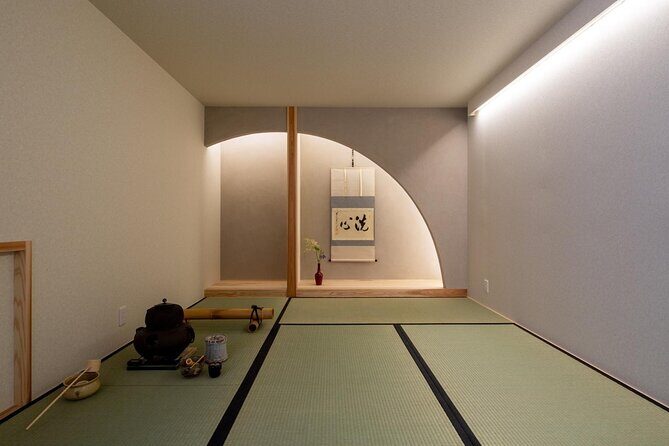
- Newly opened and easy to reach: about a 5-minute walk from subway Karasuma Oike station
- Nijiriguchi crawl-in entrance: you’ll step into the ceremony space through a low, “leave the outside world behind” doorway
- Two matcha bowls: host-made first, then your own whisked bowl (solo or with a companion)
- Seasonal Kyoto sweets included: traditional wagashi from a shop with 100+ years of history
- Small shared class: limited to 10 participants, taught in English for international guests
- Serene rules during the session: entry is time-tight, and the room is designed to stay calm
Kyoto tea ceremony, the non-intimidating way: why this one works
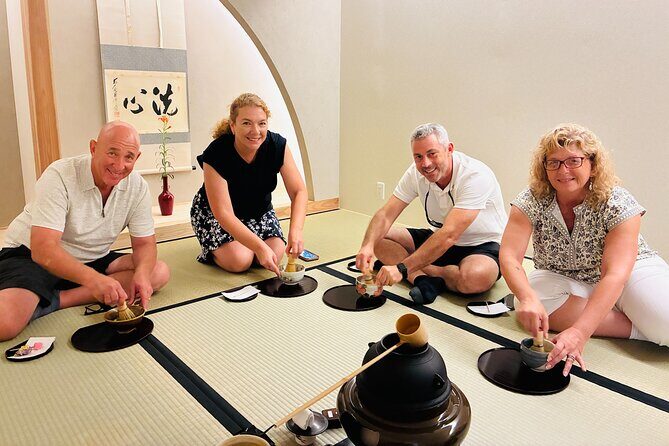
If you want a Kyoto tea ceremony but you’re worried about feeling awkward or lost, this setup is refreshingly practical. It’s a shared group session capped at 10 participants, so you get that respectful small-room feel without being stranded in a private, formal performance.
The ceremony itself is traditional, but the instruction is built for people who don’t speak Japanese. You’ll start with the history and the “why” behind the motions, then you move into doing it yourself. In other words, you get context first, then you get hands-on practice.
And yes, the timing matters here. Once the session begins, the door locks. That strictness sounds intense, but it’s exactly why the room stays quiet and focused.
You can also read our reviews of more tours and experiences in Kyoto.



Finding Sanjo Chasuian near Karasuma Oike without stress
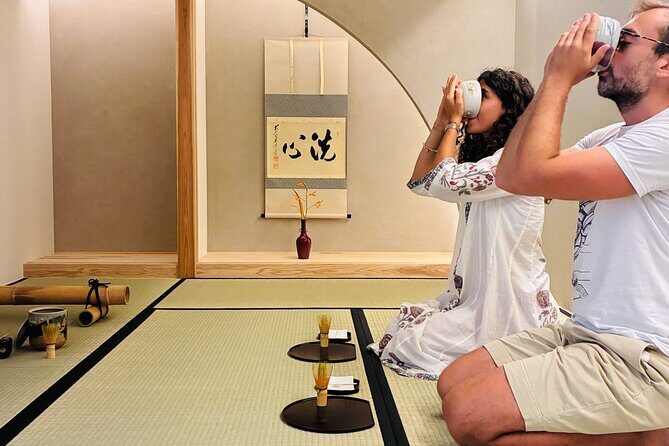
Location-wise, this is simple. The facility is a 5-minute walk from Subway Karasuma Oike station, which is a lifesaver when you’re juggling Kyoto temples all day.
When you arrive, you’ll find a big sign/plate with the Sanjo Chasuian logo and name. Open the door, and staff are there to welcome you. Entry is allowed only from 5 minutes before your start time, so aim to be early rather than “kind of on time.”
Because it’s so close to transit, you can also pair this with dinner nearby without planning your whole afternoon around it. It’s one of those experiences that fits into real travel days, not just perfect ones.
Nijiriguchi: the crawl-in entrance that changes your whole mood
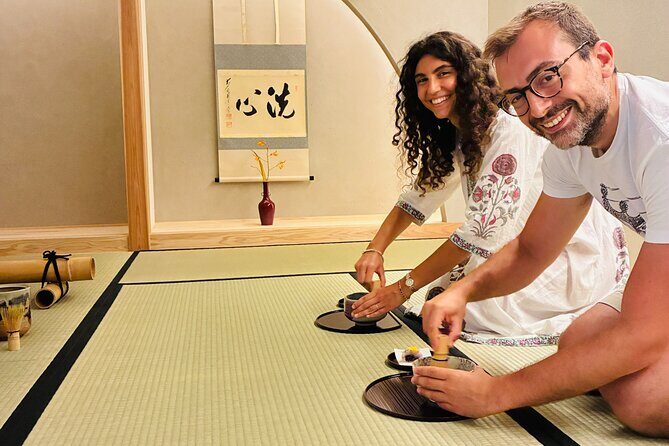
You don’t just enter a room here. You transition into it.
Sanjo Chasuian uses a Nijiriguchi, a low, crawl-in doorway that leads to the heart of the ceremony space. The point isn’t drama. It’s psychological: you physically leave the outside world behind, and your attention narrows instantly.
Chairs are available if you prefer them, which helps if you’re not comfortable sitting low for long. Still, be aware that the “crawl-in” part is non-negotiable. If you have mobility concerns (and especially if you need wheelchair access), this is not the right fit.
One small practical note: the experience requires socks. If you forget, you might be stuck figuring out a solution at the last minute, so toss socks into your day-bag.
The ceremony flow: history first, then matcha you actually make
The hour is structured to teach you without overwhelming you.
First, you’ll learn the history and significance of the tea ceremony. This matters more than you’d think. When you understand what the movements represent, the whole thing stops feeling like a staged ritual and starts feeling like a discipline.
Then you’ll watch and taste. The host prepares matcha for you first, and you’ll enjoy that bowl alongside included seasonal sweets. After that, it’s your turn: you pick a tea bowl and you whisk your own matcha using the tools they provide.
A lot of tea ceremonies are “watch and admire.” This one is “watch, understand, then do.” That’s why people come away saying it felt peaceful and educational at the same time.
Two bowls of matcha: the hands-on part you’ll remember later
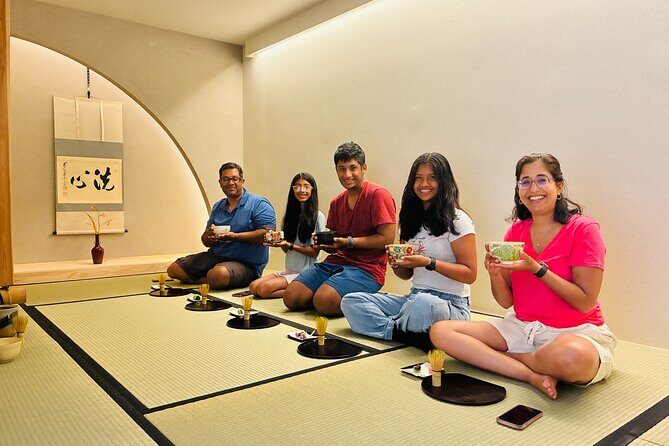
The best feature is the two-bowl format.
You’ll drink one bowl made by the host, and then you’ll make a second bowl yourself (either solo or with a companion, depending on how you’re scheduled). That second step is where your brain clicks into gear: you learn how whisking changes the texture, and you notice how careful each movement is.
This is also where the experience turns from learning to doing. One of the most common takeaways from recent bookings is how clearly the hosts explain the process before you begin, so you’re not guessing mid-whisk.
Some sessions also include photo and video support while you’re preparing matcha. That’s a nice touch because you’ll be concentrating hard, and someone else can capture the moment without you having to stop and pose.



The wagashi pause: seasonal sweets with real Kyoto credentials
Matcha alone can be a lot, and sweets alone can feel like an afterthought. Here, the traditional seasonal Japanese confectionary is built into the pacing.
You’ll enjoy the included wagashi with your matcha. The sweets come from a Kyoto confectioner with over 100 years of history, which gives the pause before your hands-on whisking real weight. You taste something local and seasonal, not a generic bite meant to fill the time.
If you’re curious about Japanese flavor contrasts, this is a good entry point. The wagashi portion helps balance the bitterness and makes the whole hour feel intentional.
English instruction and a calm room: how to get the most out of it
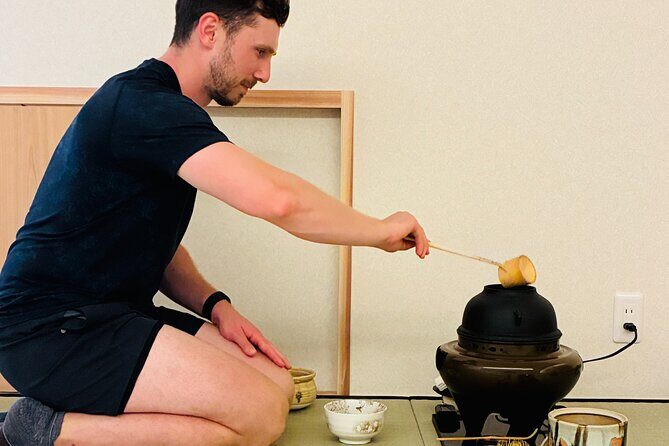
The session is taught in English, and the format is designed for international visitors. Based on what people experienced, the hosts tend to explain both the history and the practical steps with care, and they answer questions when appropriate.
You’re also expected to keep the atmosphere calm. Since it’s a shared session with other guests, your best move is to treat it like a quiet class. Listen during the explanations, ask questions when there’s a natural break, and don’t talk over the ceremony flow.
This also explains why the rules are strict about late entry. The ceremony is timed, and once the room is locked, the host has to maintain the sequence so everyone can experience it properly.
One consideration: English clarity can vary by teacher, and at least one booking noted pronunciation challenges. If you’re worried about that, don’t hesitate to ask them to repeat anything you miss during the instruction window.
Price and value check for a $31, 1-hour Kyoto lesson
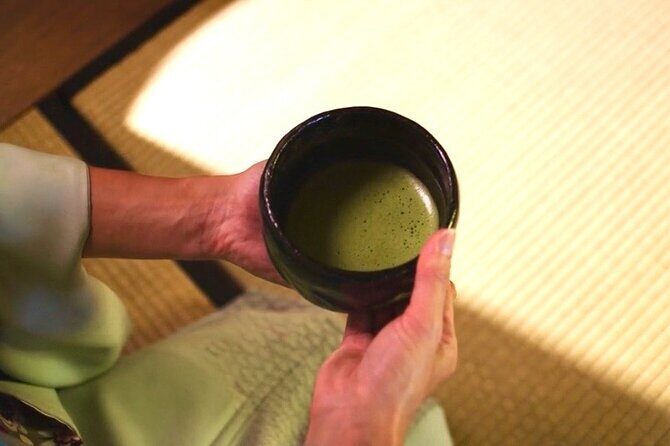
At $31 per person for about one hour, you’re paying for three things at once: instruction in English, two servings of matcha (including one you make), and included seasonal sweets.
Here’s the value math that matters: most tea ceremonies either stay mostly observational or offer just a single tasting. You get both host-made and self-made matcha, plus included wagashi. That means you’re not just consuming an experience—you’re learning a repeatable skill, at least at a basic level.
You also get a short, low-commitment cultural stop that doesn’t eat your whole day. For Kyoto planning, that’s real value.
Finally, the facility notes a grand opening discount until September 15th. If your dates line up with that period, the deal gets even better.
What’s optional vs included: shoes, seats, and uchikake
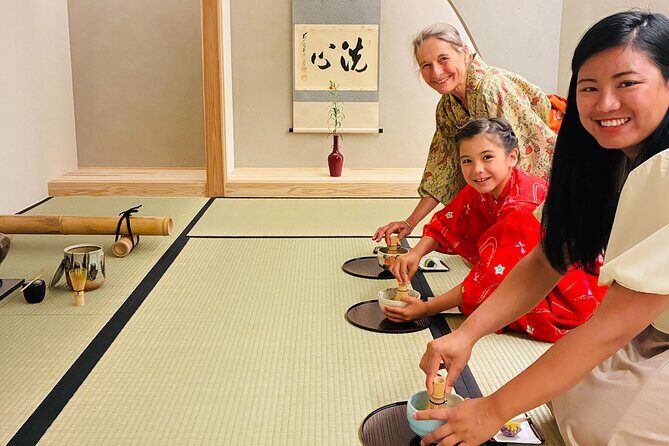
Some parts are included, and some are add-ons.
Included: two cups of matcha (host-made plus your own whisked bowl) and traditional seasonal Japanese confectionary.
Not included: hotel transfers and transfer to the venue, and there’s no standard kimono rental or dressing service.
But there is an optional uchikake (a coat-style kimono) experience for ¥1,500 (tax included). You need to inform staff on the day, there are limited quantities, and advance reservations aren’t accepted. If you want it for photos, arrive a bit earlier so you’re more likely to be able to try it.
Chairs are available if you prefer sitting, which helps make the experience more comfortable without losing the structure.
Who should book this tea ceremony, and who should skip it
This is a strong fit if you want a genuine Kyoto cultural activity that still feels approachable. I’d especially recommend it if you enjoy hands-on learning, quiet rituals, and tasting local seasonal sweets.
It’s also ideal as a reset during a busy Kyoto itinerary. One hour of focused calm can do more than a long sightseeing sprint.
Not suitable for: children under 6, and wheelchair users. Also, the venue notes that children under 5 or anyone requiring an interpreter must book the Private Plan; if you book the shared plan incorrectly, participation and refunds won’t be possible.
That’s a key detail. This isn’t a casual “drop in and see what happens” activity. It’s a structured, respectful ceremony with rules that protect the atmosphere for everyone.
Should you book Sanjo Chasuian’s newly opened ceremony?
Book it if you want a high-quality introduction to matcha that goes beyond tasting. The two-bowl format and the hands-on whisking make this one more memorable than the typical watch-only ceremonies.
Skip it if you need wheelchair access, or if crawl-in entrances and strict timing rules will stress you out. Also, if you’re traveling with kids under 6, choose something else.
If you’re in Kyoto and you want one calm, meaningful experience near transit, this is a smart bet: small group, English guidance, seasonal sweets included, and the kind of quiet instruction that leaves you understanding what you just did.
FAQ
How long is the Kyoto tea ceremony at Sanjo Chasuian?
The experience lasts 1 hour.
What’s included in the $31 per person price?
You’ll receive two cups of matcha (one prepared by the host, and one you whisk yourself or with a companion) plus traditional seasonal Japanese confectionary.
Where is Sanjo Chasuian and how do I find it?
It’s about a 5-minute walk from Subway Karasuma Oike station. You can look for a large logo plate with the name Sanjo Chasuian, enter the door, and staff will be waiting to welcome you.
Do I need special clothing or socks?
You should bring or wear socks during the experience. Standard kimono rental and dressing services aren’t offered, but there is an optional uchikake coat-style kimono experience for ¥1,500 available on the day in limited quantity.
What happens if I arrive late?
Entry is allowed only from 5 minutes before the start time. Once the session begins, the door is locked, and even 1 minute late means you can’t join and no refunds are given.
Who is this experience not suitable for?
The experience is not suitable for children under 6 and wheelchair users. Guests with children under 5 or needing an interpreter must book the Private Plan; booking the shared plan incorrectly can’t be changed for participation or refunds.