REVIEW · SAMURAI EXPERIENCES
Kyoto: Kendo Samurai Experience Tour
Book on GetYourGuide →Operated by Park for us Co.,Ltd · Bookable on GetYourGuide
Armor and bamboo swords change your focus fast. This Kyoto Kendo Samurai Experience Tour turns the legends into hands-on training, with full armor, etiquette lessons, and real practice under instructor Hayashi-sensei. I like that it is built for beginners, but still feels serious because you’re not just watching.
Two things I especially like: first, the instruction is clear even when your Japanese is limited, since the teaching includes demonstrations and supportive guidance. Second, the end of the session moves into a safe, controlled match where you get to apply the basics right away, not later in a follow-up class.
One possible drawback: you need to handle getting there yourself. The meeting point is JR Hanazono Station North Exit, and it’s about 15 minutes from Kyoto Station by JR Sagano Line, so it’s smart to plan transit time and not assume hotel pickup will cover it.
In This Review
- Key highlights you’ll feel immediately
- Kyoto Kendo training that feels real, not theatrical
- Getting to JR Hanazono Station: logistics that matter
- The gear moment: why wearing armor changes everything
- How the 2-hour training usually runs (and why it works)
- Phase 1: etiquette, rules, and safety mindset
- Phase 2: basic movement and bamboo sword strikes
- Phase 3: practice matches in full gear
- Instructor energy: Hayashi-sensei and clear teaching in English
- Price and value: $116 for gear, teaching, and sparring time
- Who should book this Kendo Samurai Experience?
- A few practical tips to get the most out of your session
- Should you book?
- FAQ
- Where is the meeting point for the Kyoto Kendo Samurai Experience Tour?
- How far is it from Kyoto Station?
- How long is the experience?
- What does the price include?
- Do I need to know kendo already?
- What languages are available during the tour?
- Is there hotel pickup or drop-off?
- Is food included?
- Can I cancel if my plans change?
- Is this tour suitable for pregnant people or those with medical conditions?
Key highlights you’ll feel immediately
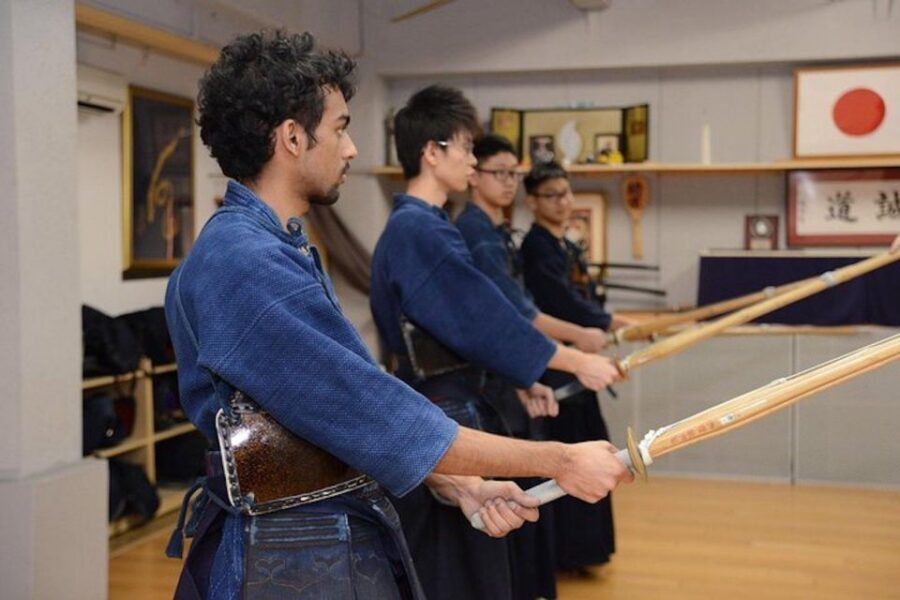
- Full kendo armor and equipment so you train the way kendo is meant to be done
- Hayashi-sensei’s clear coaching (English and Japanese support) with patient, step-by-step teaching
- Etiquette + rules taught alongside movement and striking, not as an afterthought
- A controlled match at the end where you apply what you learned in gear
- Excellent, well-kept dojo setup that keeps training calm and focused
- A physical workout in 2 hours that’s fun, but not casual
Kyoto Kendo training that feels real, not theatrical
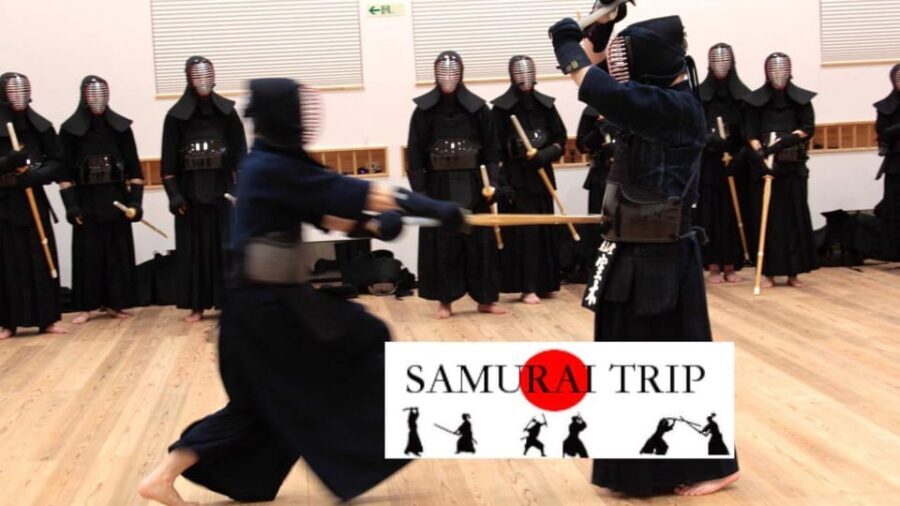
This isn’t a sit-and-try photo op. Kendo is one of the few martial arts where you learn technique through actual sparring-style practice, even at beginner level, and this tour leans into that idea. The focus starts with manners and basic structure, then quickly shifts into movement drills and bamboo sword strikes (shinai practice), so you understand both the mental side and the physical side.
What makes it work for first-timers is the way the session is staged. You’re guided like you’re entering a real training flow, but you’re also protected by safety rules, the right gear, and an instructor who can adjust instruction on the fly. That balance is key: you get the adrenaline of real practice without the chaos of doing it alone.
I also like that the tone is calm. Even with swords involved, the training space is meant to feel orderly—tranquility, etiquette, and controlled actions. That matters because kendo is not just swinging. It’s timing, spacing, posture, and discipline.
You can also read our reviews of more tours and experiences in Kyoto.



Getting to JR Hanazono Station: logistics that matter
Meeting point: JR Hanazono station North exit (JR 花園駅北口). From Kyoto Station, it’s about 15 minutes by JR Sagano Line (JR 嵯峨野線). That’s not far, but it is far enough that I’d rather you plan than gamble.
Why this matters: the experience does not include hotel pickup or drop-off. If you’re staying in the Kyoto Station area, you’ll likely find this straightforward. If you’re staying deeper into central Kyoto, give yourself buffer time for trains, walking, and finding the north exit.
Also note the session is 2 hours. If you arrive rushed, you’ll feel it once you start gearing up. Plan to show up with enough time to settle in before you get fitted and start training.
The gear moment: why wearing armor changes everything
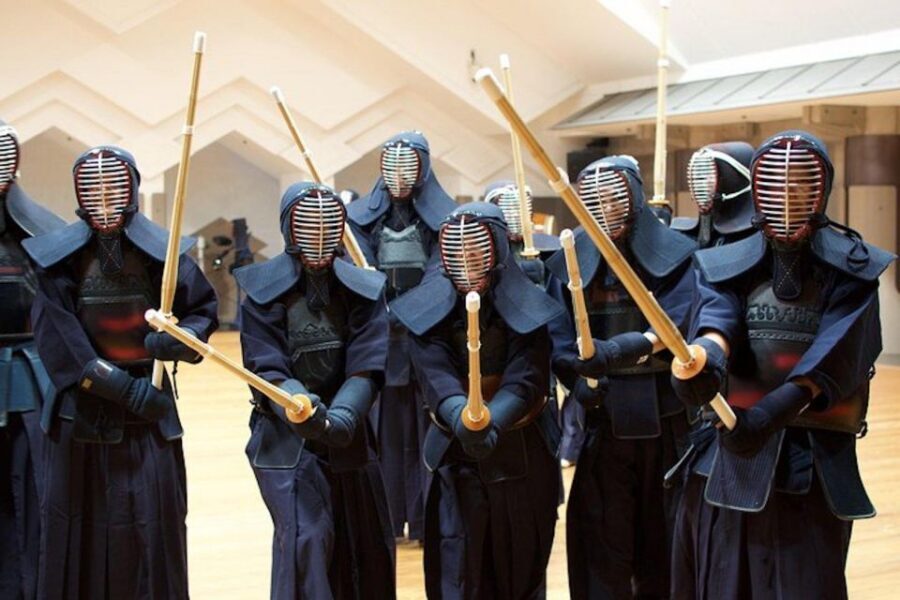
One of the biggest draws is the full equipment setup. You’ll rent the kendo armor and gear, then put it on for training. In kendo, the armor is not a costume. It changes how you hold your body and how you experience distance and impact safety.
The tour asks for details in advance: please let them know your genders and heights so they can provide the right equipment and size. That sounds simple, but it’s worth taking seriously. If you want the training to feel comfortable and properly safe, equipment fit is part of the package, not an optional extra.
From the experience vibe, gearing up is treated as part of the lesson. You learn how to wear it and how to use it correctly, which is why the training can feel both grounded and thrilling. Multiple people highlighted that the gear quality is excellent, and that the dojo and setup are neat and clean, which helps you relax instead of worrying about the basics.
How the 2-hour training usually runs (and why it works)
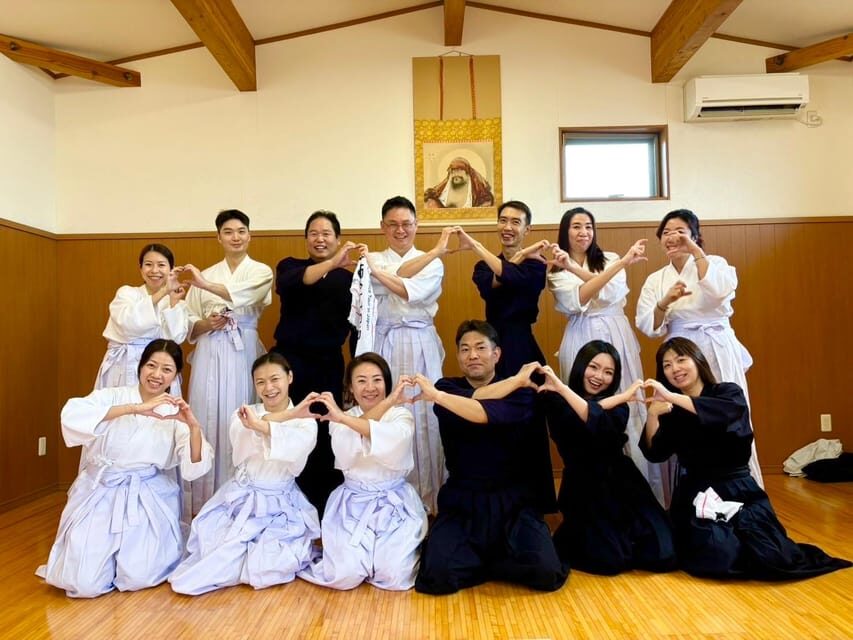
You can think of the class in three phases: learn the rules, build the body skills, then apply them in a controlled contest.
Phase 1: etiquette, rules, and safety mindset
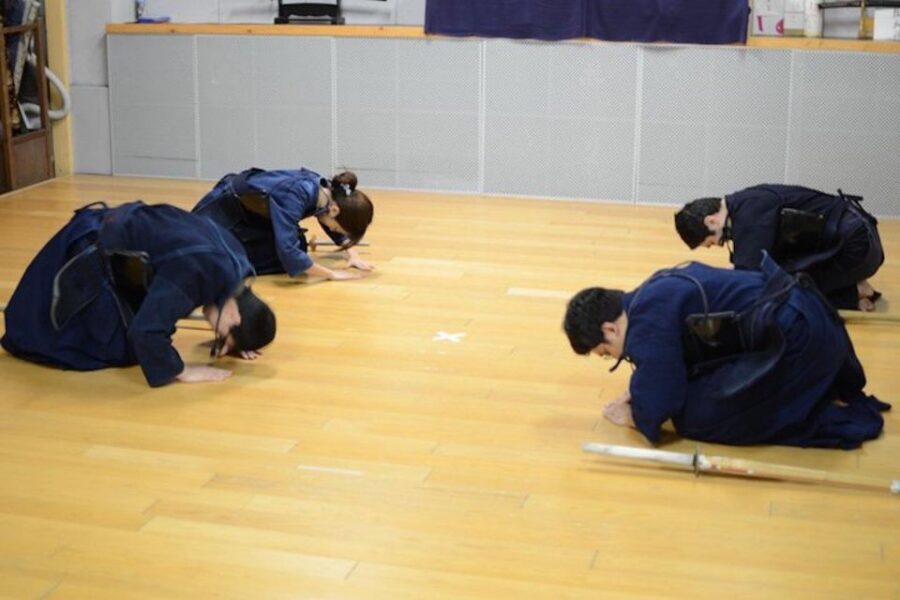
Kendo starts with respect and structure. You’ll get instruction that covers etiquette and foundational rules, then transition into basic technique. This matters because beginners often think the “cool” part is the strike. In reality, kendo discipline is what makes the strike safe and meaningful.




Phase 2: basic movement and bamboo sword strikes
Next comes movement and striking drills. Expect guidance on how to move your feet and how to hold and swing with the correct form. Even if your background is zero, you’re not left flailing. The instructor breaks things down logically, and demonstrations make it easier to follow, even with limited Japanese.
Phase 3: practice matches in full gear
Then you hit the highlight: a kendo match at the end, done in a safe and controlled manner. Some sessions end up being small and personalized, and when that happens, you’ll feel the class shift from group training into closer coaching.
The matching format can vary, but what stays consistent is the idea: you practice what you learned, with the right gear on, under supervision. If you’re going with family, this is also where the father-versus-son style fun shows up, without turning it into anything rowdy.
Instructor energy: Hayashi-sensei and clear teaching in English
Hayashi-sensei is repeatedly mentioned as the heart of the experience. People appreciated his approach as serious training with enjoyment built in. What shows up in the feedback is clarity: explanations land well, demonstrations help you follow, and humor shows up without making the session sloppy.
Language support matters here. This is an instructor-led experience with English and Japanese, so you’re not stuck decoding everything yourself. If you learn best by watching, you’ll likely like the structure because demonstrations are part of how the class is taught.
One helpful detail: the tour is described as having an English, Japanese instructor, and in at least one case a translator/guide (Miho-san) is part of the day’s support. Even if you don’t personally need translation, it’s a good sign that communication is taken seriously.
Price and value: $116 for gear, teaching, and sparring time
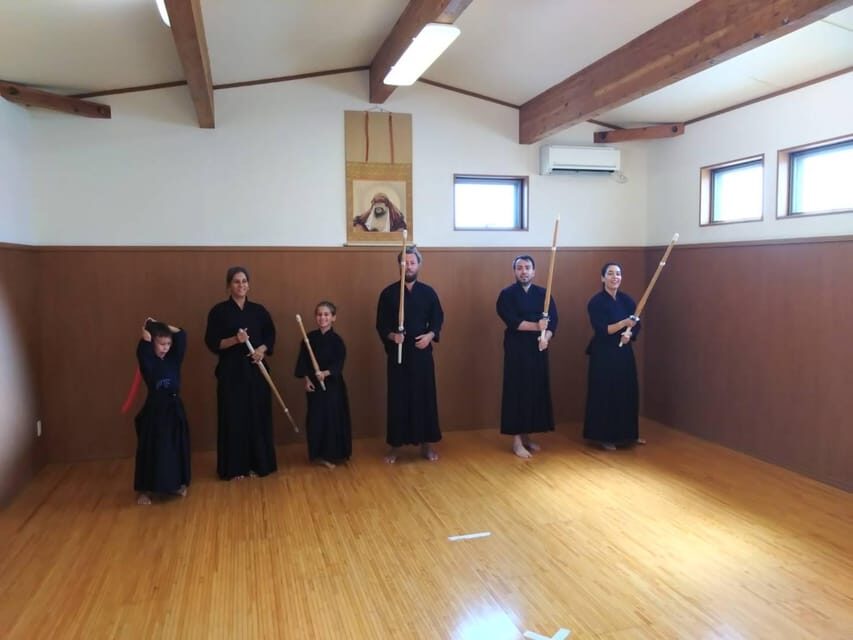
At $116 per person for a 2-hour session, you’re paying for three things: instruction, equipment rental, and a training environment that lets you do sparring safely.
It’s not just “time.” You’re paying for the gear rental and the instructor’s supervision while you wear armor and practice strikes. You’re also given mineral water and a free Kendo towel. The towel is small, but it’s part of the cultural touch: you get something that feels tied to the training, not just a token.
What you should plan for: food is not included. After a workout like this, you’ll want to eat, and being unprepared can turn the day sour fast. Also, the experience doesn’t include pickup, so you may spend a little extra time commuting to and from the dojo area.
Still, for a first encounter with kendo in Japan—where you can’t easily arrange equipment and safe instruction on your own—this price can feel reasonable.
Who should book this Kendo Samurai Experience?
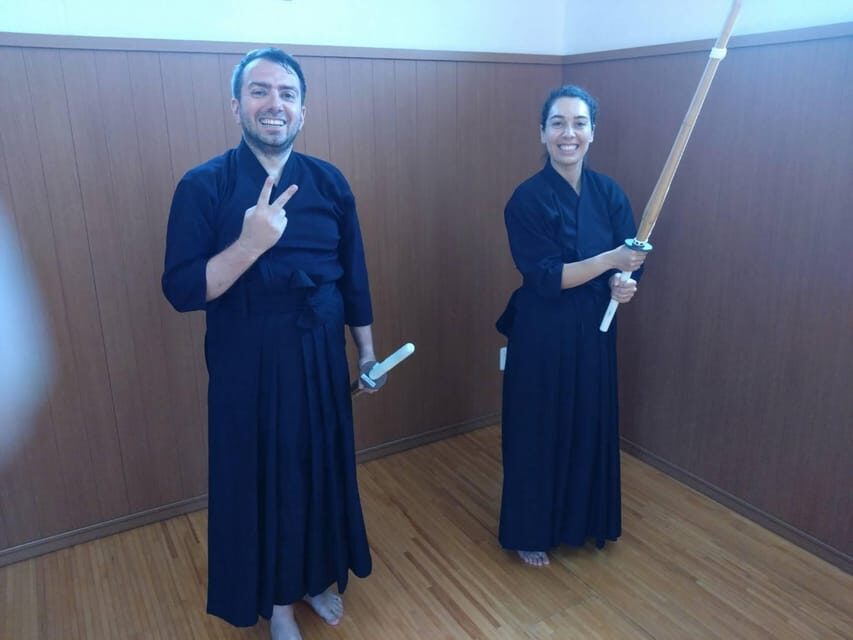
This is especially suited to people who want a hands-on taste of Japanese martial arts, not just a performance. Beginners are welcome, and the coaching style is built for that.
It also fits families. One father and son experience was highlighted as a memorable element, and the controlled match format makes it easy to keep things fun while staying respectful.
You should skip it if you fall into the stated limitations:
- Not suitable for pregnant women
- Not suitable for people with pre-existing medical conditions
If you’re healthy and looking for an energetic cultural activity that is structured and guided, this tour is a strong contender.
A few practical tips to get the most out of your session
These are the things I’d treat as your personal “success checklist” based on how the experience is run.
- Send height and gender details ahead of time so equipment sizing is handled well
- Expect a real workout. Kendo movement and footwork in armor takes effort, even for beginners
- Arrive with enough transit buffer since you’re meeting at JR Hanazono Station and no pickup is provided
- Plan food for after. You’ll be ready to refuel once sparring time ends
- Go in curious, not confident. The best results come from listening, watching, and resetting your form when asked
Should you book?
If you want a Kyoto activity that feels genuinely hands-on—gear on, bamboo sword strikes, and a controlled match—this is one of the clearer choices. The repeated praise for Hayashi-sensei’s clarity is a big deal, especially if you don’t speak much Japanese. You also get a proper training feel: etiquette, rules, and technique, not just a quick demo.
I’d still weigh the logistics if your plan depends on hotel pickup, because there isn’t any. And if you’re sensitive to physical activity, make sure the kendo workout level is a fit for you since you’ll train in full equipment.
Overall: if you like structured activities with a strong instructor, and you want an authentic martial arts taste in Japan, I’d book it.
FAQ
Where is the meeting point for the Kyoto Kendo Samurai Experience Tour?
You’ll meet at JR Hanazono station, North Exit (JR 花園駅北口).
How far is it from Kyoto Station?
It’s about 15 minutes from Kyoto Station by JR Sagano Line.
How long is the experience?
The duration is 2 hours.
What does the price include?
It includes the professional instructor/guide, rental of kendo armor and equipment, mineral water, and a free Kendo towel.
Do I need to know kendo already?
No. The experience is guided for beginners, including instruction in rules, etiquette, basic movements, and practice.
What languages are available during the tour?
The instructor supports English and Japanese.
Is there hotel pickup or drop-off?
No, hotel pickup and drop-off are not included.
Is food included?
No, food is not included.
Can I cancel if my plans change?
Yes. You can cancel up to 24 hours in advance for a full refund.
Is this tour suitable for pregnant people or those with medical conditions?
No. It is not suitable for pregnant women or people with pre-existing medical conditions.