REVIEW · EVENING EXPERIENCES
Gion at Night: Secrets and Legends of the Geishas
Book on GetYourGuide →Operated by Japandas · Bookable on GetYourGuide
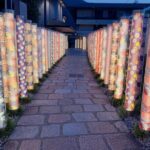
Lanterns and legends in Gion after dark.
This is the kind of Kyoto night walk that feels calmer than daytime, with small-group pacing and secret-spot storytelling that helps you understand what you’re seeing.
I especially like that you’re not just passing landmarks—you’re hearing real context about geisha traditions and the neighborhood’s customs from a Spanish-speaking guide. Another plus: the route stitches together the classics—Minamiza, Hanamikoji, and Tatsumi Bridge—so you get the full Gion picture in about 150 minutes. A possible drawback: Gion is popular, and some departures may still feel busier than you expect even at night.
In This Review
- Key Things I’d Prioritize
- Why Gion at Night Feels Different (and Why This Walk Fits)
- Minamiza Theater: Getting Your Bearings Before the Lanterns
- Tatsumi Bridge After Dark: The Photo Spot With Context
- Hanamikoji Street: Learning How to Read the Street Scene
- A Short Stop in Gion: Stories That Connect the Landmarks
- Yasaka Shrine Lights and a Calm Ending Mood
- Gion Corner: Wrapping Up With Traditional Performance Culture
- Price and Value: Is $21 a Good Deal?
- The Pace, the Group Size, and Why It Changes Your Night
- Practical Tips Before You Go (So You Enjoy It More)
- Should You Book This Gion Night Tour?
- FAQ
- FAQ
- What is the price of the tour?
- How long is the Gion at Night tour?
- What language is the guide?
- Is transportation included to and from the meeting point?
- Where do I meet the guide?
- Does the tour include food or drinks?
- Are tickets to shows included?
- Is the tour wheelchair accessible?
Key Things I’d Prioritize
- Minamiza Theater start so you understand the cultural stage before you step into the streets.
- Tatsumi Bridge at night for softer light and photo-ready angles without the midday rush.
- Hanamikoji Street explanations that help you notice details you’d otherwise miss.
- Gion Corner finish if you want a traditional-spectacle stop to cap the evening.
- Small group (max 15) for questions, slower explanations, and easier regrouping.
Why Gion at Night Feels Different (and Why This Walk Fits)
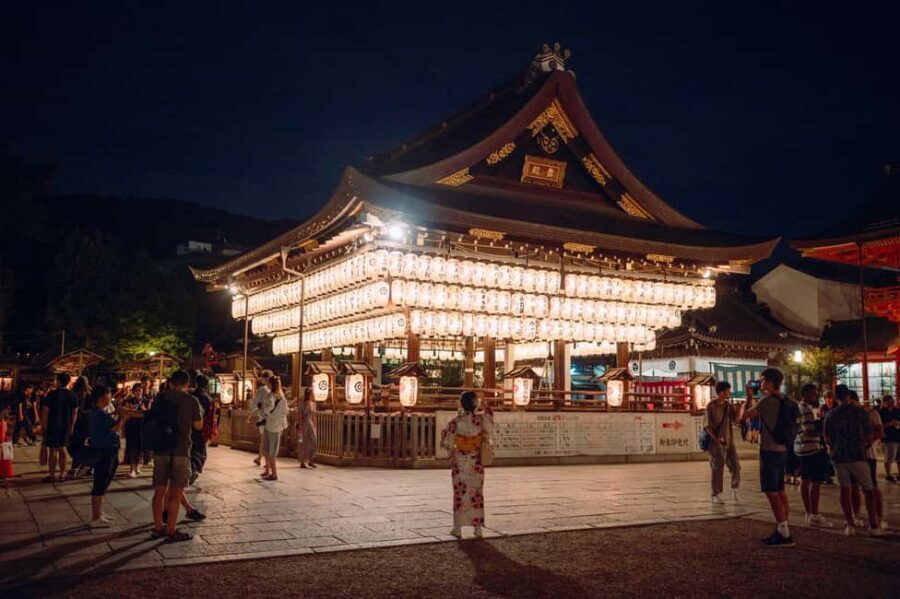
Daytime Gion moves fast. At night, the pace changes. The lantern light makes the wood, paper screens, and stone paths look warmer. And because this is a 150-minute walk, it gives you enough time for the neighborhood to sink in—without turning into an all-night slog.
What makes this tour practical is the structure. You’re not wandering randomly. You start at a major cultural anchor, then you connect the dots between streets, bridges, and places of performance. That matters, because Gion can look like a postcard. A good nighttime guide helps you translate the postcard into lived tradition.
You’ll also want to know the tour is Spanish-language only, so if your Spanish is basic, this might still work thanks to clear pacing and visual references. But if you want full nuance in English, plan on using photos and body language as backup.
You can also read our reviews of more evening experiences in Kyoto

Minamiza Theater: Getting Your Bearings Before the Lanterns
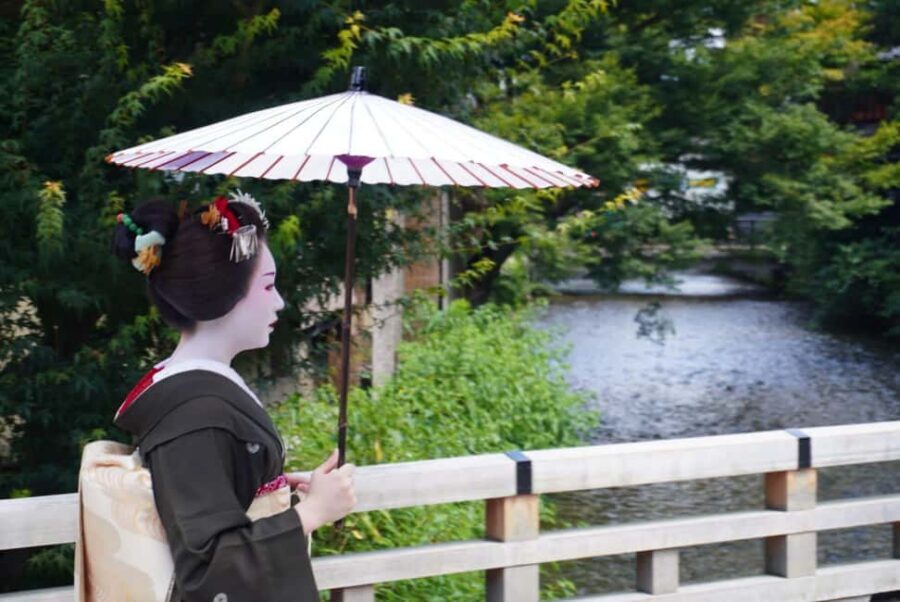
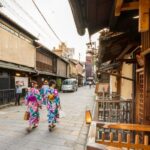
The tour begins at Minamiza Theater, listed at the Kyōto Minami-za stop. This is a smart opening. Before you chase images of Geiko and Geisha culture, you’re introduced to the theater world that historically shaped entertainment in Kyoto.
You’ll spend about 10 minutes here with a guided introduction. In practical terms, this helps you do two things fast:
- You learn the names and roles of traditional culture spaces, so later stops feel less like labels.
- You set expectations for what traditional performance and neighborhood etiquette look like.
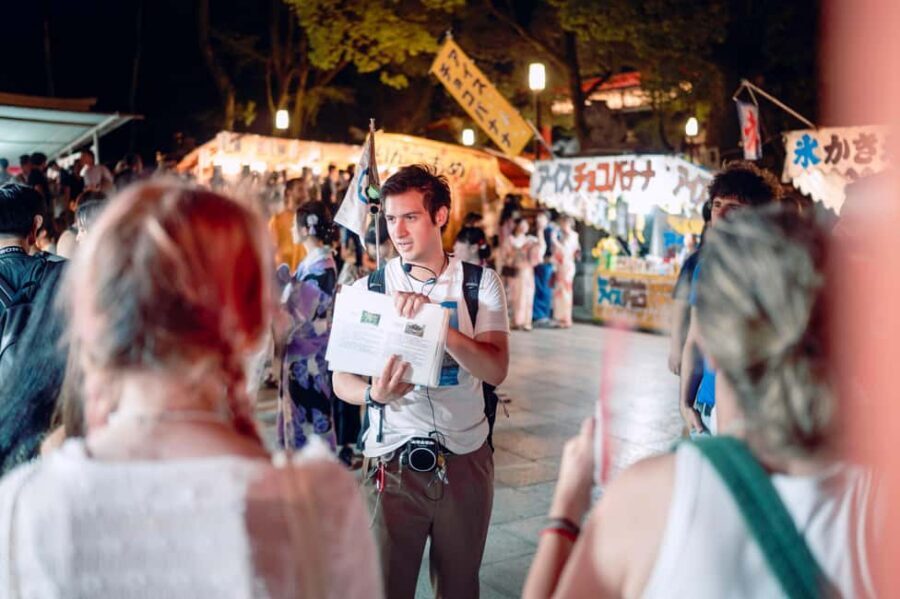
The meeting-point detail is also useful. Your guide holds a blue flag with a panda logo, and the coordinates are 35.0034444, 135.7724632. If you’re arriving from public transit, give yourself a little buffer to find the flag and avoid being stressed at the start.
Tatsumi Bridge After Dark: The Photo Spot With Context
Next up is Tatsumi Bridge, again about 10 minutes. This is one of those Kyoto places where the view looks simple—but the setting tells a bigger story once someone points it out. At night, the light is gentler. That’s when you get a more even glow on the water and stone, and it’s easier to hold your camera steady without the heat-haze feel that can happen later in the day.
A key benefit here is timing. The tour keeps the walking segments focused, so you reach the bridge and spend enough time to take a few photos without feeling rushed into the next corner. Also, because the group is capped at 15, you’re less likely to have a wall of people blocking the best angles.
One note: if you’re sensitive to crowds, remember Gion still has foot traffic. Night doesn’t mean empty. It just means the vibe is quieter and slower than the worst daytime hours.
Hanamikoji Street: Learning How to Read the Street Scene
Then you move into Hanamikoji Street, where the tour spends about 10 minutes. Hanamikoji is famous for its tea houses and for the way the street still carries the rhythms of older Kyoto life. But a street like this can also turn into scenery if you don’t know what to look for.
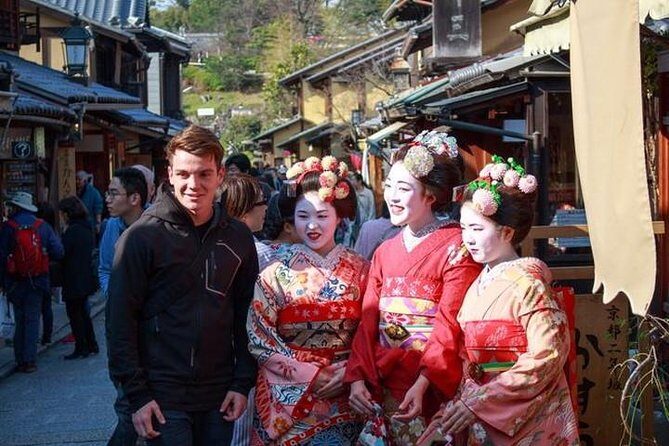
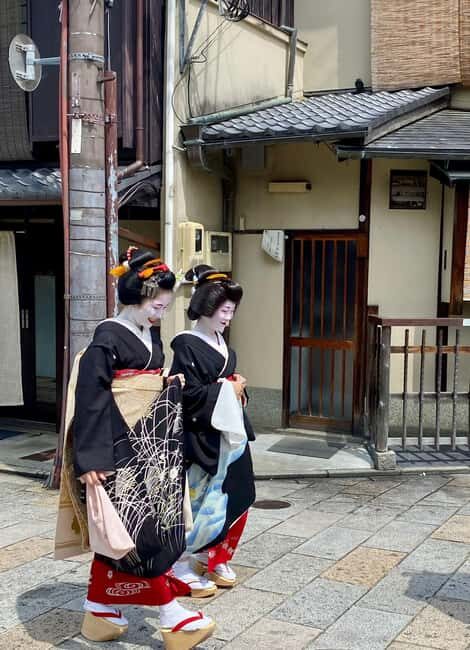
That’s where the guide story time matters. You’ll hear about local traditions and the neighborhood customs connected to the culture you associate with Gion. Even if you don’t catch anyone in traditional attire at that exact moment, you’re training your eyes:
- You’ll notice signage, architecture, and the street layout more clearly.
- You’ll understand why people move through the space the way they do.
- You’ll get practical context on what these places represent.
This is also where the tour’s “away from the crowds” promise can feel real. Because the guide is steering, you’re not just stuck in the busiest lane every step. You’ll still see the iconic street—but with more intention than random sightseeing.
A Short Stop in Gion: Stories That Connect the Landmarks
After Hanamikoji, you’re given time specifically for Gion as a neighborhood segment (about 10 minutes). This portion is easy to underestimate if you think every stop will be a single photo spot. It isn’t. This is the wraparound context time—the part where the guide helps the streets connect into a coherent picture.
This matters because Gion is layered. You can walk by a doorway, a small alley, or a quiet courtyard and not know what role it plays. With a guide providing the “what and why,” the neighborhood stops feeling like a set of unrelated postcards.
This is also where your Spanish guide can make a noticeable difference. One detail worth mentioning: the Spanish-speaking guide experience has been praised for being clear and for handling group flow smoothly. You don’t want a long speech while people struggle to hear or re-group. Here, the pacing is built to keep the walk moving without losing the story.





Yasaka Shrine Lights and a Calm Ending Mood
The plan includes Yasaka Shrine at night—lit up, peaceful, and a bit of a reset after the street energy. Even if you’re not visiting inside for ceremonies (tickets and specific show admissions aren’t included), the area’s nighttime atmosphere is the point.
Think of it as contrast. You go from lantern-lined streets and performance culture cues to a more grounded shrine setting. It’s a good way to end the “Kyoto after dark” effect with something quieter and reflective.
If you’re carrying camera gear, this is a great moment to slow down. The lighting is often more forgiving for both photos and simply looking.
Gion Corner: Wrapping Up With Traditional Performance Culture
The route finishes at Gion Corner. This is the place where traditional shows are held, and it fits the tour theme perfectly: you start at a theater landmark, walk through classic Gion streets and story stops, and end where that culture becomes performance.
Important practical point: tickets to shows aren’t included. So Gion Corner is listed as a finish point, but you’ll still want to plan for whether you’ll pay for any specific show element separately. If you’re the type who likes to end a walking tour with one more cultural step, this is a solid fit.
If you’re not interested in paying for show admission, you can still use the area as a final orientation stop—just know your evening may not include the performance itself unless you choose it.
Price and Value: Is $21 a Good Deal?
At $21 per person for 150 minutes, this tour’s value depends on what you want from a night in Kyoto.
Here’s the practical math in plain terms:
- You’re buying guided time in a very specific neighborhood.
- You get a Spanish-speaking expert guide telling stories about geisha culture and local traditions.
- You cover multiple iconic locations: Minamiza, Tatsumi Bridge, Hanamikoji, Yasaka Shrine, and finish at Gion Corner.
What you’re not getting for that price is extras like food/drinks and tickets to shows or private tea houses. That’s actually helpful. It keeps the base price more predictable, but it also means you should plan a budget for anything you choose to add after the walk.
One more “value” point: the tour includes all local taxes and handling fees, and it’s designed so you shouldn’t face unexpected add-ons during the walk. That kind of transparency matters on a trip where you’re often juggling exchange rates and separate ticket lines.
If you want a longer, multi-stop evening with optional meals, you’ll likely spend extra anyway. But if you want a guided route that connects the landmarks and gives you meaningful context, $21 can feel like a fair trade.
The Pace, the Group Size, and Why It Changes Your Night
The tour caps at 15 travelers, which usually translates into something you’ll notice: less waiting, easier regrouping, and more time for questions. In a place like Gion, that’s a real comfort. People can move differently when streets get narrow or when photo moments happen.
The pacing also matters. With around 10 minutes at each listed stop, the walk avoids the common problem of “one long stop, everyone drifts.” Instead, you keep moving with short story breaks. It’s a structure that helps first-timers connect faster.
Also consider the timing of the night. Gion is still active, but night tends to shift the crowd pattern. If you’re tired, this tour format is easier than a DIY plan because you aren’t constantly figuring out route and sequence.
Practical Tips Before You Go (So You Enjoy It More)
A few small things will help your experience go smoothly:
- Meet early enough to spot the blue panda flag without rushing.
- Bring your own water if you need it. The tour includes no food or drinks.
- Wear comfy shoes. The tour is a walking route, and you’ll be shifting between street segments.
- Read your expectations on shows. Traditional show tickets aren’t included, even though you’ll visit Gion Corner.
- Plan for Spanish only. The guide is listed as fluent in Spanish.
Accessibility note, kept straightforward: the tour is not wheelchair accessible, but it is accessible for baby strollers and is close to public transport. If you’re traveling with mobility needs, you’ll want to evaluate whether the walking segments and uneven street conditions will work for your situation.
Should You Book This Gion Night Tour?
I’d book it if you want a focused night in Gion with a guide who explains what you’re seeing, and you like the idea of a small group walk that hits the key icons without turning your evening into an endless itinerary.
Skip it—or at least rethink—if you’re expecting a totally empty, private experience. Gion is popular. Even at night, you’ll still deal with other pedestrians. Also consider your language needs: this is Spanish-speaking, so make sure that works for you.
If your goal is to understand Gion beyond photos—bridge, street, shrine mood, and the performance culture link at the end—this tour is a solid value for the time.
FAQ
FAQ
What is the price of the tour?
The tour is priced at $21 per person.
How long is the Gion at Night tour?
It lasts 150 minutes.
What language is the guide?
The guide speaks Spanish.
Is transportation included to and from the meeting point?
No. Transportation to and from the meeting point is not included.
Where do I meet the guide?
You meet at Minamiza Theater. The guide will be holding a blue flag with a panda logo. Coordinates: 35.0034444, 135.7724632.
Does the tour include food or drinks?
No. Food and drinks are not included.
Are tickets to shows included?
No. Tickets to shows or private tea houses are not included.
Is the tour wheelchair accessible?
No. The tour is not wheelchair accessible, but it is accessible for baby strollers.