REVIEW · PHOTOGRAPHY SESSIONS
Beautiful Photography Tour in Kyoto
Book on Viator →Operated by Your Travel Story Japan · Bookable on Viator
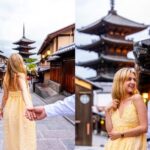
Gion photos, minus the chaos. This 90-minute small-group shoot (max 6 people) is a practical way to get great portraits in Kyoto fast, with hidden spots that feel calmer than the main tourist lines. I also like the promise of about 50 edited photos sent within 24 hours, so you’re not waiting around to relive the trip. One drawback to plan for: it’s not private, so the photographer takes people one by one while others are in the mix.
I’m a big fan of the route choices here, because you move between classic Kyoto backdrops and quieter lanes without needing to figure out every turn yourself. You’ll start in the Gion area at 571 Coffee Shop Noen and end near Yasaka Shrine, keeping things focused instead of turning the day into a logistics puzzle. Expect a friendly guide named Satoshi, plus posing help and local context as you walk between spots.
If you want easy photos without lugging a bunch of stuff, this fits. The tour is all on foot, and the organizer asks you to travel light for better shooting and smoother movement, and to skip it if you struggle with walking.
In This Review
- Quick hits
- Small-group Kyoto photography that still feels personal
- Entering Gion: where you meet and how to not overpack
- Stop 1: Hanami-koji street photos with that classic Kyoto vibe
- Yasui Konpira Shrine: portraits against shrine atmosphere
- Ishibekoji alleyways for calmer, more intimate shots
- Maruyama Park: cherry blossom season makes the final frames count
- Photos in 24 hours: what “about 50 edited images” means for you
- Price and value: why $99.08 can beat DIY in Kyoto
- Who should book this, and who should skip it
- Practical tips to get better photos fast
- Should you book Beautiful Photography Tour in Kyoto?
- FAQ
- How big is the group?
- How long is the photography session?
- What photos will I get, and how many?
- When will I get my edited photos?
- Where do I meet, and where does it end?
- Is transportation included?
- Is kimono or yukata included?
- Do I need to walk a lot during the tour?
- What happens if the weather is bad?
Quick hits
- Max 6-person small group with a photographer guide, not a private session
- About 50 edited photos in 24 hours, delivered fast enough for early trip sharing
- Gion + shrine + park route built around classic Kyoto scenes
- Less-crowded side streets and “secret” photo spots to improve your photos
- Posing help as you’re photographed one by one, then as a group
Small-group Kyoto photography that still feels personal
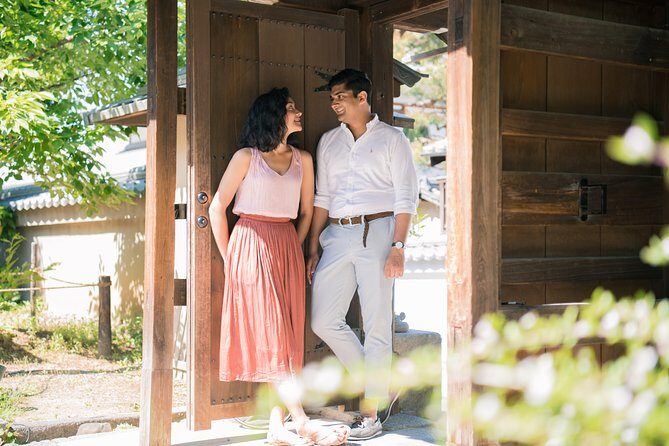
This tour works because it stays small. You’re capped at a maximum of 6 people, and the activity description also lists a maximum of 5 travelers, which is still firmly in small-group territory. Translation: you get attention, but you’re also not alone—so if you want zero waiting and fully customized timing like a private shoot, this isn’t that.
What I like is how the session is structured. The photographer takes photos one by one and then handles group shots. That means you’re not stuck trying to coordinate everyone in the frame while your “best light” passes you by.
The guide for this experience is Satoshi, and he’s the kind of person who will help you get results. People describe him as friendly and professional, with strong posing guidance. He also answers questions along the walk, including practical local tips beyond just photography.
You can also read our reviews of more photography tours in Kyoto

Entering Gion: where you meet and how to not overpack
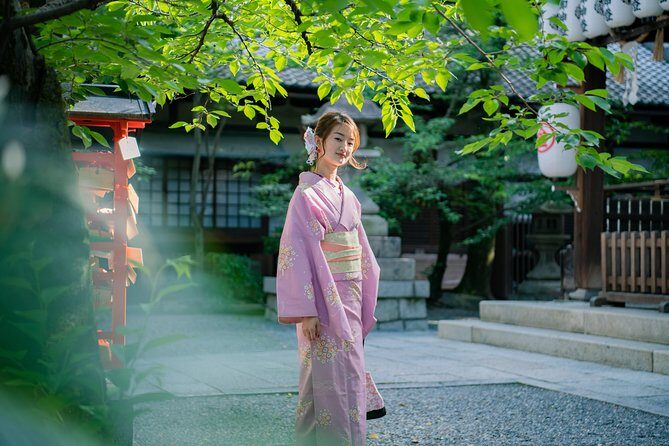
Meet at 571 Coffee Shop Noen in Gionmachi Minamigawa (Kyoto, Higashiyama Ward). The end point is Yasaka Shrine (625 Gionmachi Kitagawa, Kyoto, 605-0073). The tour notes that the start point is about a 10-minute walk away from the exact location you’ll use to begin the session, so don’t panic if you need a short stroll to get settled.
The biggest practical tip is simple: bring less baggage. The organizer explicitly asks you to join with as little baggage as possible, because it helps with photography and keeps the walk smooth. In Kyoto’s narrow lanes, a big bag is just extra friction.
Also, plan to be comfortable on foot. This is a walking tour, and the information says to refrain if you have trouble walking. That doesn’t just matter for comfort—it affects whether you can move quickly into better photo positions.
Stop 1: Hanami-koji street photos with that classic Kyoto vibe
The first leg follows Hanami-koji. This is the kind of street you want for photos: traditional atmosphere, good texture, and a clear Kyoto identity without needing props or costumes.
Why it’s a smart first stop: you start with recognizable scenery while everyone is still fresh and coordinated. It’s also easier for the photographer to set the tone early—posing cues, pacing, and how you’ll be photographed throughout the rest of the session.
What to watch for here is crowd energy. This is an iconic area, so even if you’re getting “less crowded” side spots as you go, you’ll still feel Kyoto’s popularity. The tour’s promise is that the photographer knows the right corners to reduce the worst of the crowd in your frames.
Yasui Konpira Shrine: portraits against shrine atmosphere
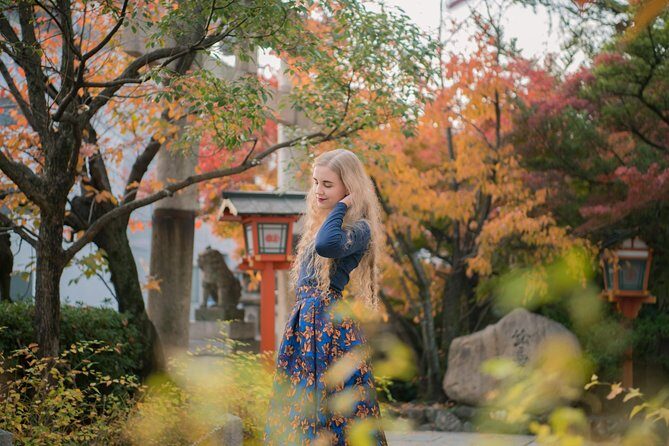
Next up is Yasuikonpira Shrine. Shrines add instant depth to photos. You get strong architectural lines, cultural context, and backgrounds that don’t look like every other selfie spot in the guidebooks.
This stop also helps you vary your photo set. After the street feel of Hanami-koji, a shrine setting gives you a different mood: more grounded, more devotional, more “Kyoto in detail” rather than “Kyoto as postcard.”
One practical note: shrines can involve areas with respectful rules for behavior and movement. The tour is guided, so you’ll be guided around in a way that works for both photos and common sense.
Ishibekoji alleyways for calmer, more intimate shots
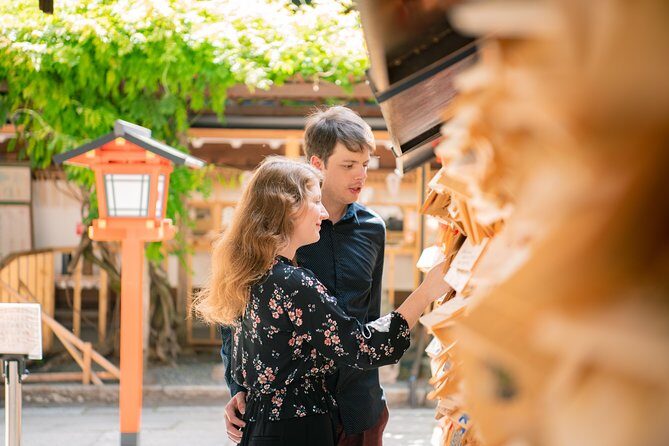
After the shrine, the route moves to Ishibekoji. “Alley” type spots can be where photography gets good fast, because the background is tight and the composition feels natural. When your subject is framed by older street textures, even simple poses start looking intentional.
This is also where the tour’s “escape the crowds” idea shows up. The experience description and the feedback you’re given focus on finding hidden and secret spots away from the worst foot traffic. In a place like Kyoto, those side lanes can make a major difference between photos with visible distractions and photos that look clean and timeless.
This is also a good place to lean into the photographer’s guidance. If you like a mix of candid moments and more posed frames, this sort of lane setting is where both can work well.






Maruyama Park: cherry blossom season makes the final frames count
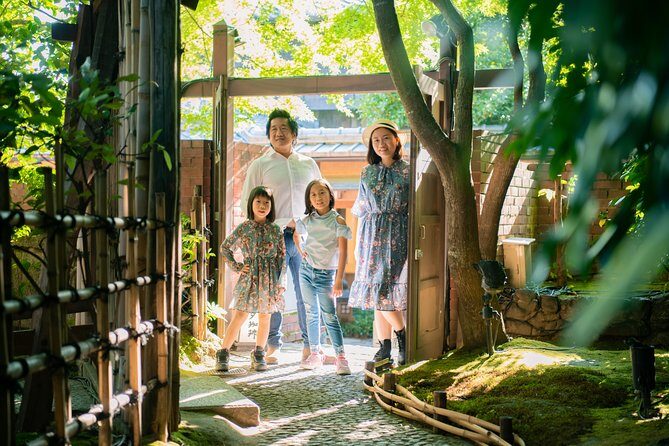
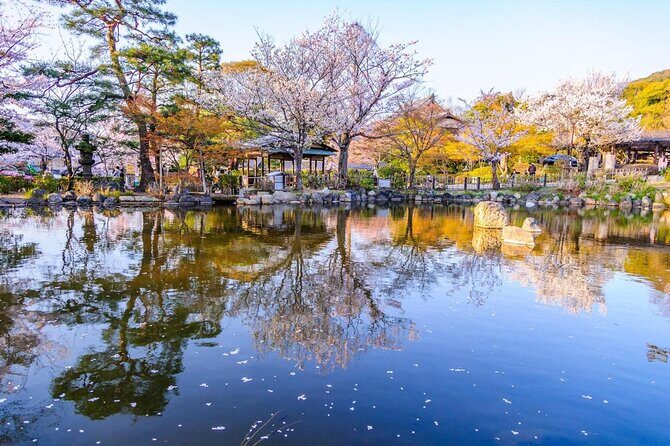
The last stop is Maruyama Park, called out for cherry blossom displays. If you’re traveling during hanami season, the park can give you the soft, romantic look that people associate with Kyoto spring.
Even outside peak blossom days, a park setting can still help. Trees and open space give you flattering light and breathing room, and it’s a natural place to finish with classic “I remember this trip” photos.
Weather matters here. The tour notes that it requires good weather. If conditions aren’t ideal, you’ll either be offered a different date or a full refund, so don’t treat blossom timing like guaranteed fireworks.
Photos in 24 hours: what “about 50 edited images” means for you
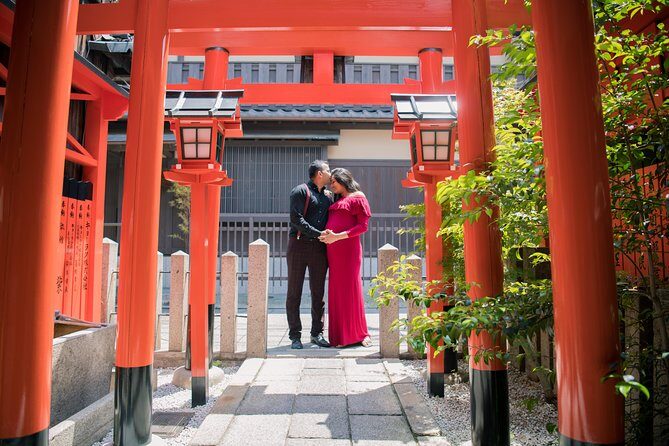
The experience includes around 50 high-quality edited photos delivered within 24 hours. That’s not a small thing. Most vacation photo plans assume you’ll wait days, even weeks, and then you forget what you liked.
Having fast results means you can choose favorites while the memories are fresh. You can also share quickly with family without needing to learn camera settings or rely on “maybe the auto-filter will save me.”
In terms of photo style, Satoshi is known for both candid images and more staged/natural fun shots. That mix is useful. Pure candids can miss key faces, and pure posed photos can feel stiff. Here, you’re getting guidance plus room for natural moments.
The one-by-one structure also helps your results. It reduces the risk of everyone being framed at once with awkward timing, especially when you’re moving from stop to stop.
Price and value: why $99.08 can beat DIY in Kyoto
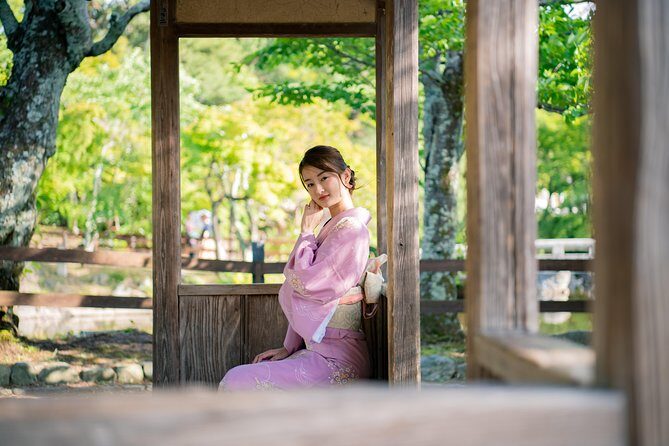
At $99.08 per person, you’re paying for three things: the photographer guide, the editing work, and the fact that you don’t have to plan a route of “where exactly should we stand.”
You might be thinking about renting a camera tripod, using portrait mode, or asking strangers to take pictures. That can work, but you won’t get the same consistent posing direction or editing polish. Also, DIY photos in Kyoto often fail on timing. The best shots happen when the crowd shifts, and a guide who knows where to go saves you that problem.
What’s not included matters too:
- No kimono or yukata (so plan for your own outfit plans if that’s part of your Kyoto dream)
- No transportation (the tour is all walking)
So the value is strongest if you want photos now, without turning your trip into a scouting mission. If you want outfit styling, transportation included, or a strictly private shoot, then you’ll likely need a different type of service.
Who should book this, and who should skip it
This is a great fit if you’re:
- A couple or solo traveler who wants portrait-focused photos
- Someone who wants group shots too, without fighting for spots
- A family traveler looking for guided moments that don’t drag on forever
- You want Kyoto scenes with less crowd interference, not just the most famous intersection
Skip it if:
- You want a fully private, no-wait session. It’s small-group, and the photographer takes photos group by group
- You don’t want to do walking. The tour is explicitly all on foot, and they ask people who have trouble walking not to join
One more thing: kimono/yukata fans should plan ahead. Since they are not included, you’ll need your own costume arrangements if you want that look in your final edited photos.
Practical tips to get better photos fast
First, plan to move lightly. The tour asks you to travel with less baggage, and that’s not just convenience—it helps you position quickly for shots in narrow lanes.
Second, think about your shot list before you meet. If you want couple portraits, family frames, or a mix of candid and more posed images, the photographer can help you steer. A little clarity from you saves time.
Third, wear shoes that handle Kyoto walking. Even if the total is only about 90 minutes, you’re moving between multiple stops, and you’ll want to keep your footing steady for better results.
Should you book Beautiful Photography Tour in Kyoto?
If your priority is getting great Kyoto photos quickly—with guided posing, a small group, and edited images arriving the next day—this is a solid buy. The route through Hanami-koji, Yasui Konpira Shrine, Ishibekoji, and Maruyama Park gives you variety without turning it into an all-day project.
I’d book it if you’re comfortable with walking and you’re okay with a shared session rather than a private one. If you want total control, zero other people in your frame, or included transportation and costumes, you should look for a different option.
FAQ
How big is the group?
The tour is a small-group experience with a maximum of 6 people total. The activity info also lists a maximum of 5 travelers, so either way you should expect a very small group.
How long is the photography session?
It lasts about 1 hour 30 minutes.
What photos will I get, and how many?
You’ll receive around 50 high-quality edited photos.
When will I get my edited photos?
You’ll get the photos within 24 hours of the tour.
Where do I meet, and where does it end?
You start at 571 Coffee Shop Noen in Kyoto’s Gionmachi Minamigawa area, and you end at Yasaka Shrine (625 Gionmachi Kitagawa, Kyoto).
Is transportation included?
No. The tour is all by walking between photo spots.
Is kimono or yukata included?
No. Kimono or yukata is not included.
Do I need to walk a lot during the tour?
Yes. The tour is all on foot, and they ask you to refrain from joining if you have trouble walking.
What happens if the weather is bad?
The experience requires good weather. If it’s canceled due to poor weather, you’ll be offered a different date or a full refund. You can also cancel for a full refund up to 24 hours in advance.