REVIEW · KYOTO
Sushi or Traditional Japanese Cuisine in a Kyoto Home with Emika
Book on Viator →Operated by Traveling Spoon · Bookable on Viator
Kyoto tastes different when you eat at home. This is a private meal with Emika in her Kyoto house, starting with traditional-style matcha green tea and built around seasonal obanzai cooking. I love how personal it feels, with real conversation at the dining table, not a staged performance.
The one thing to think about: there’s no hotel pickup, so you’ll need to make your own way to the meeting address in Nishikyo Ward and arrive on time. Also, since the menu can shift with the season, you’ll want to flag dietary needs when booking.
In This Review
- Key Highlights You’ll Actually Feel
- A Kyoto Home Meal With Emika: What Makes It Different
- Matcha Start: Green Tea Made the Traditional Way
- Obanzai Cooking, Sushi, and the Course-By-Course Feel
- Timing That Actually Fits Kyoto Days (Lunch or Dinner)
- Where You Meet in Nishikyo Ward and How to Plan Your Arrival
- Price and Value: What $79 Buys You in Kyoto Home-Cooking
- Who This Is Best For (and Who Might Want Something Else)
- Should You Book This Kyoto Home Meal?
- FAQ
- How long is the experience?
- Is this experience private?
- Where does the experience meet?
- What food and drinks are included?
- Can I choose lunch or dinner?
- What if I have dietary restrictions?
- What is the refund policy if I cancel?
Key Highlights You’ll Actually Feel
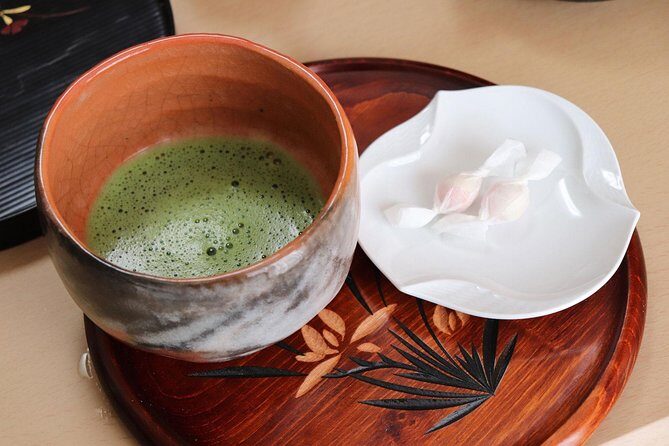
- Matcha prepared in a traditional style right as your meal begins
- Kyoto obanzai focus on seasonal vegetables and seafood
- Sushi, miso soup, rice, and a matcha-friendly sweet as part of the courses
- Local alcohol included to round out the meal
- Lunch or dinner timing so you can slot it into your day
- Truly private experience with only your group at a home dining table
A Kyoto Home Meal With Emika: What Makes It Different
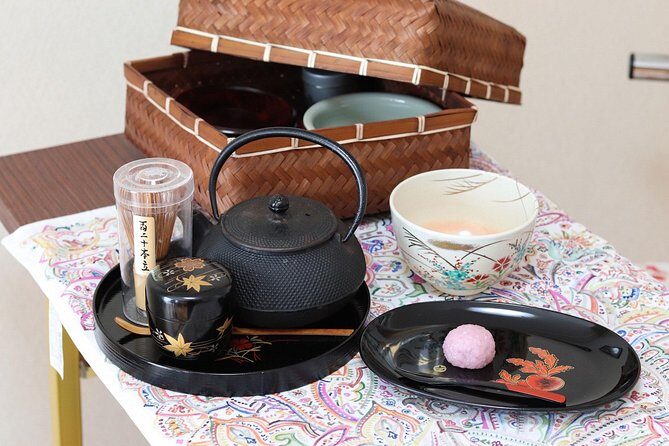
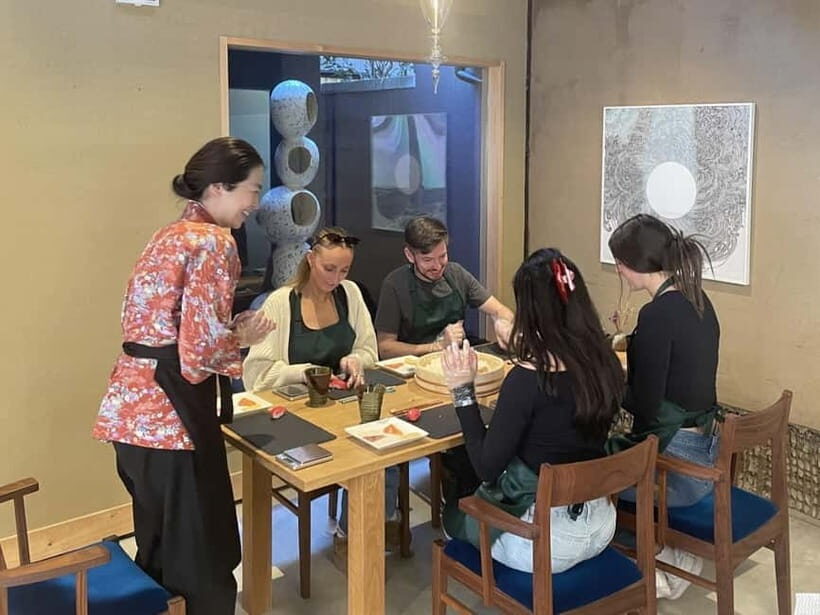
If you want a Kyoto experience that feels human-sized and real, this is it: sit down in a Kyoto resident’s home, not a restaurant conveyor belt. The setting is intimate and domestic, which changes the whole pace of the meal. You’re not rushing between stops; you’re settling in.
What makes this stand out is the way the food is anchored in everyday Kyoto life. Emika’s meal centers on obanzai, the home-cooking style Kyoto is known for—seasonal ingredients treated with care, not flashy plating. You also get a clear sense of how tea and food fit together culturally, so the meal isn’t just tasty. It’s a window into routine, preferences, and seasonal thinking.
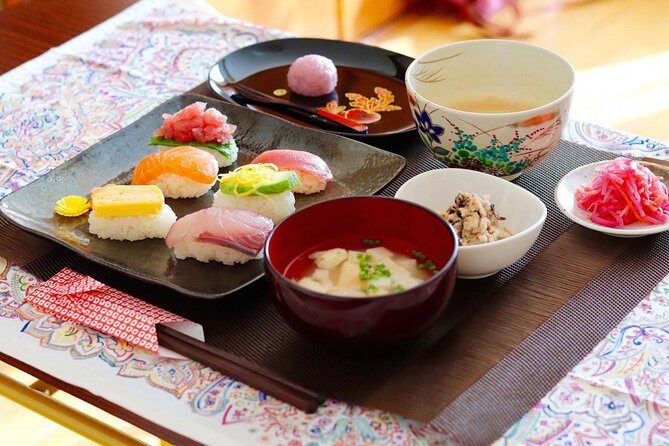
And yes, you’ll eat Japanese classics. The experience is described as starting or ending with freshly made matcha and serving courses that may include miso soup, rice, obanzai dishes, sushi, and a sweet that pairs with matcha. That combo gives you variety without turning it into a buffet.
You can also read our reviews of more tours and experiences in Kyoto.



Matcha Start: Green Tea Made the Traditional Way
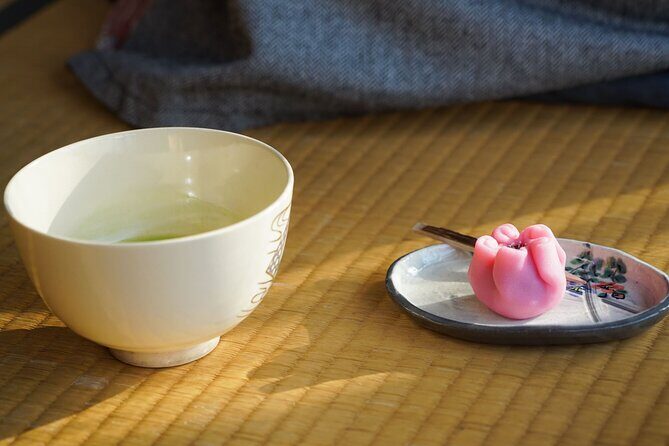
A lot of Kyoto food experiences talk about tea. This one builds the tea into the start of the meal. You’ll meet Emika and begin with a cup of green tea prepared in a traditional style, with preparation done by Emika or her father.
That detail matters because matcha isn’t just a drink here. It sets the rhythm—warm, steady, and grounding—so the meal feels intentional from minute one. You also get a bit of cultural context while the tea is being made, which helps you understand what you’re tasting rather than just consuming it.
In the reviews and the experience description, there’s also mention of a small tea-ceremony element. That’s the kind of bonus you don’t get in a regular restaurant. It turns the meal into a mini ritual, and it makes the home setting feel even more authentic.
Practical tip: come ready to slow down. You’ll likely take a few moments with the tea before eating, and conversation tends to flow naturally once everyone’s settled.
Obanzai Cooking, Sushi, and the Course-By-Course Feel
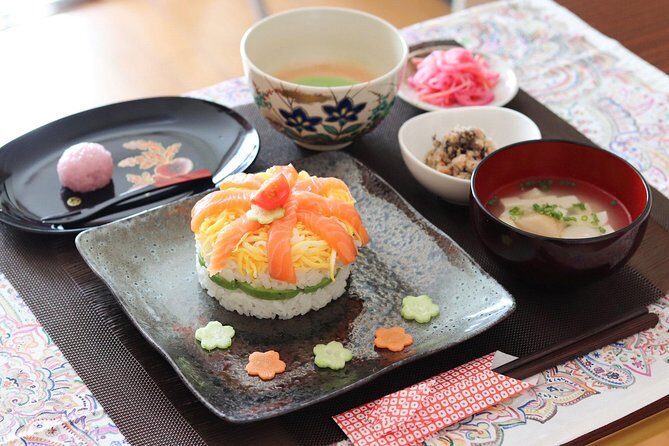
This experience is built around traditional Kyoto cuisine and the idea of seasonal home cooking. Obanzai often means a set of dishes where vegetables and seafood are treated as protagonists. Instead of one “big ticket” dish, you get a sequence of smaller plates that add up to something satisfying and layered.
The meal may include:
- Miso soup
- Rice
- Traditional obanzai dishes made with seasonal vegetables and seafood
- Sushi
- A sweet designed to go well with matcha
I like this format because it trains your palate. You start noticing how Kyoto home cooking balances flavors—savory, gentle, and not overly heavy. And since the menu can vary by season, you’ll be eating what makes sense right now, not what someone decided to standardize for tourists.
You also get the chance to learn as you eat. The experience description frames it as a conversation around what’s on the table. Reviews specifically mention learning traditional approaches to making sushi and miso soup, plus insights into Emika’s lifestyle and how ingredients connect to daily life in Kyoto.
One more useful detail: there’s local alcohol included. That doesn’t mean you have to turn it into a party. Think of it as an optional pairing to complement the meal and keep things relaxed. If you don’t drink, you can still enjoy the tea-and-food rhythm without any pressure.
Timing That Actually Fits Kyoto Days (Lunch or Dinner)
You get about 1 hour 30 minutes for the whole experience. That duration is ideal if you want something special without losing half a day to logistics. Kyoto is full of walking, temples, and line-ups; this gives you a clean break where you can sit, eat, and talk.
You can choose lunch or dinner time, which is a big deal for planning. If you’re doing morning sightseeing, lunch works well. If you want a calmer final activity after crowds, dinner can feel like a reset.
Also, because this is private, the meal doesn’t feel like it’s being chopped into time slots for strangers. You’ll still want to respect the schedule, but the atmosphere is more flexible and human.
If you’re the type who enjoys real conversation, this timing helps. You have enough time to ask questions about food and daily life, but you don’t feel trapped in a long lecture.
Where You Meet in Nishikyo Ward and How to Plan Your Arrival
This experience starts at 31-30 Katsurainariyamachō, Nishikyo Ward, Kyoto, 615-8025, Japan, and it ends back at the same meeting point. There’s no hotel pickup and drop-off, so you’ll want to plan your route like a local errand: public transit, short walks, and a calm buffer.
The good news: it’s noted as being near public transportation, so you shouldn’t be stuck guessing in the dark for hours. Still, residential areas in Kyoto can be a little maze-like, so I recommend arriving a few minutes early and letting navigation do the work.
Because it’s a private home setting, you also want to show up with the right mindset. This isn’t just about eating. You’re entering someone’s space. Quiet punctuality goes a long way.
If you have any dietary requirements, this is also the moment to think ahead. The experience asks you to advise needs during booking (in the special requirements area). Seasonal menus change, so clear communication matters.



Price and Value: What $79 Buys You in Kyoto Home-Cooking
At $79 per person, you’re paying for more than food. You’re paying for access—access to a local home, a private table, and a host who shares food and conversation in a one-group setting.
Here’s why the value can feel strong:
- Private experience: only your group participates
- Multiple courses and classics: matcha, miso soup, rice, sushi, obanzai dishes, and a sweet
- Local alcohol included: that’s a real add-on in Japan meals
- Cultural context: the matcha preparation and obanzai focus aren’t random—they’re the point
Could a regular restaurant cost less? Often, yes. But restaurants don’t give you the home setting, the slower conversation, or the sense of eating seasonally the way a Kyoto resident might. This is a “buy the feeling” purchase, not just a “buy dinner” deal.
Also, the experience is described as being booked about 25 days in advance on average, so it’s not the kind of thing you always want to leave to the last minute. If Kyoto is your priority, book when you know your dates.
Who This Is Best For (and Who Might Want Something Else)
This is a great fit if you want:
- A private meal experience in Kyoto, not a group tour stop
- A deeper look at obanzai and how seasonal ingredients show up at home
- A host-led conversation around food, tea, and daily life
- A meal format that feels like courses you share, not a single dish you order
It’s also good for couples, small groups, and anyone who likes more personal travel moments. The home setting tends to work well when you want a break from temples and crowds.
You might consider passing if:
- You strongly prefer restaurant-style convenience, especially since there’s no hotel pickup
- You need very strict menu certainty and don’t want any seasonal variation (the menu may change depending on what’s available)
- Your schedule is so tight that finding a residential meeting address on time feels risky
If you do go, your best “hack” is simple: be curious, ask questions, and treat the meal like an invitation, not a transaction.
Should You Book This Kyoto Home Meal?
I’d book it if you want Kyoto that feels personal and edible—tea, seasonal cooking, and conversation in a resident’s home. For $79, you’re getting a private table, traditional matcha preparation, a meal built around obanzai, and a lineup that can include sushi, miso soup, rice, and a matcha-friendly sweet. That’s solid value when you compare it to what you’d pay for both a decent meal and a comparable private cultural experience.
I’d hesitate only if you hate self-guided arrival or you need guaranteed exact dishes for dietary reasons without any flexibility. If that’s you, write down your needs carefully at booking time and confirm what can be done.
Overall: this is the kind of experience that doesn’t just end when the meal ends. It stays in your memory because it felt lived-in, local, and calm.
FAQ
How long is the experience?
It lasts about 1 hour 30 minutes.
Is this experience private?
Yes. It’s a private, personalized experience, and only your group participates.
Where does the experience meet?
The meeting point is 31-30 Katsurainariyamachō, Nishikyo Ward, Kyoto, 615-8025, Japan.
What food and drinks are included?
An authentic home-cooked Japanese meal is included, along with local alcohol. You can also expect green tea (matcha) prepared in a traditional style, plus dishes like miso soup, rice, obanzai dishes, sushi, and a sweet that pairs with matcha (menu can vary by season).
Can I choose lunch or dinner?
Yes. You can choose lunch or dinner time to fit your schedule.
What if I have dietary restrictions?
You should advise any specific dietary requirements in the Special Requirements box at the time of booking.
What is the refund policy if I cancel?
You can cancel up to 24 hours in advance for a full refund. If you cancel less than 24 hours before the start time, the amount paid won’t be refunded.