REVIEW · GION DISTRICT WALKING TOURS
Kyoto: Kiyomizudera, Sanjusangendo, Kodaiji, and Gion.
Book on GetYourGuide →Operated by Benzaitentours · Bookable on GetYourGuide
Kyoto is better when you string temples together. This tour strings together Sanjusangendo, Kiyomizudera, Kōdai-ji, and Gion in one smooth day, so you get variety without wasting time hopping across town. I especially like the contrast between the 120-meter-long Kannon hall and the quiet bamboo forest, and I also love walking through classic Higashiyama streets like Sannenzaka and Ninenzaka. One possible drawback: it’s a temple-and-stroll day, so you’ll want comfortable shoes, and the pace can feel full if you hate crowds.
I like that the tour keeps group size small (up to 10), which makes a guided walkthrough actually feel personal rather than rushed. The route is also built around Kyoto’s famous sights—Sanjusangendo first, then Kiyomizudera, then Higashiyama icons—so you’re not doing the awkward backtracking that can happen on DIY days. You’ll also be using buses at points, so having a cash backup (230 yen) or a transport card is a smart move.
If you’re sensitive to walking, plan to take it seriously: you’ll be on your feet for several stretches, including hillside viewing areas and cobbled lanes.
In This Review
- Key Points You’ll Care About
- A Morning Start at Shichijō Station
- Sanjusangendo: The 120-Meter Kannon Hall Moment
- Kiyomizudera: Wooden Terraces and Real Kyoto Views
- Higashiyama on Foot: Sannenzaka, Ninenzaka, and Hōkan-ji
- Kōdai-ji Temple and the Secret Bamboo Forest Feel
- Yasaka Shrine and Gion: Geisha District Context, Not Just Photos
- Price and Pace: Is $86 Worth It?
- What the Spanish Guide Adds (and Why It Matters)
- Tips That Make This Day Easier
- Should You Book This Kyoto Highlights Tour?
- FAQ
- What is the duration of this Kyoto tour?
- Where does the tour start and what time?
- Is the tour guided?
- What’s included in the route?
- How big is the group?
- How much walking is involved, and what should I bring?
- Can I cancel and get a refund?
Key Points You’ll Care About
- Sanjusangendo’s 1001 Kannon: a long hall with a thousand statues, not a quick photo stop
- Kiyomizudera terrace views: hillside wooden structure + Kyoto panorama potential
- Higashiyama by foot: Sannenzaka and Ninenzaka cobblestones, shops, and old-street atmosphere
- Hōkan-ji (Yasaka Pagoda): a classic Kyoto photo icon in context, not just on a postcard
- Kōdai-ji bamboo forest: a calm shift after the busy sightseeing streets
- Gion + Yasaka Shrine: finish in the historic geisha district area with cultural context
A Morning Start at Shichijō Station
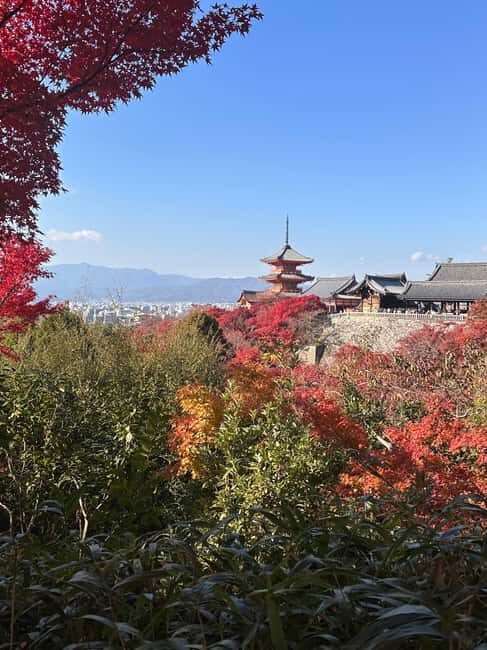
The tour meets at Shichijō Station (Exit 1) at 9:00 a.m. From the start, it’s set up like a real day out: you’re not just drifting from one famous photo spot to another.
Starting in the morning matters in Kyoto. Sanjusangendo is the first stop, and you’ll generally feel like the day is moving forward rather than stuck in long lines. With a small group (up to 10), the guide can manage timing without turning everything into a race.
You’ll also likely get bus segments during the route. The practical tip here is simple: bring 230 yen cash or a transport card like ICOCA/SUICA/PASMO, so you’re not stuck finding change halfway through the day.
You can also read our reviews of more tours and experiences in Kyoto.


Sanjusangendo: The 120-Meter Kannon Hall Moment
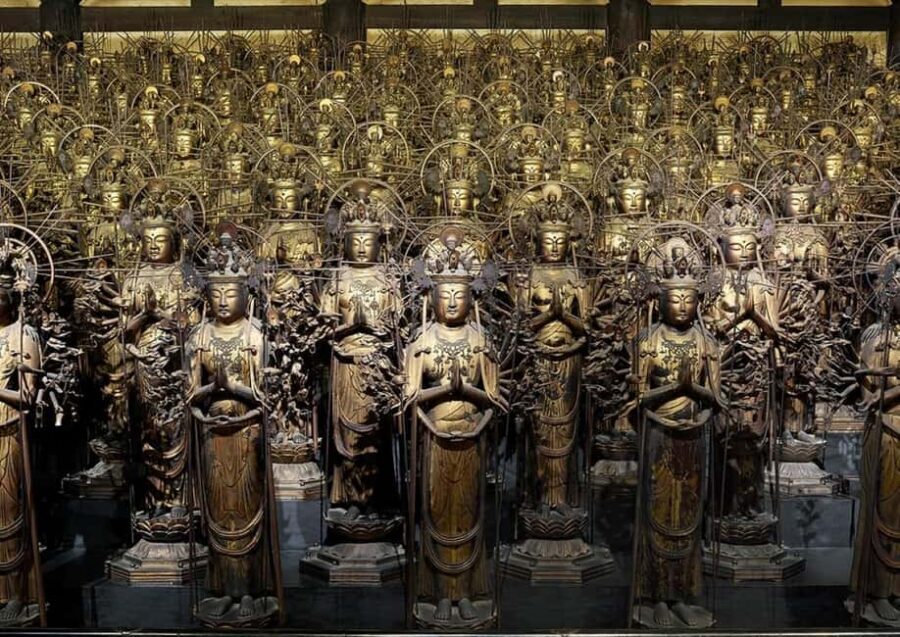
Sanjusangendo Temple is where the tour really hooks you. You’ll begin with a guided visit to the huge temple hall known for its 120-meter-long space that houses 1,001 statues of Kannon, the goddess of mercy.
This stop is memorable because it isn’t just “see a temple.” It’s a visual experience built on repetition and scale. Even if you’re not a religion-history nerd, the sheer length of the hall and the precision of the statues makes you slow down. It’s one of those places where your photos won’t tell the whole story, because the best part is standing there and letting the room do the talking.
A good thing about starting here: you’re not yet tired from the afternoon walk. If you’re the type who likes to get one or two strong moments per stop, this is the one.
A small consideration: a guided temple hall means you’ll want to keep your body ready for standing and looking. Bring a calm pace to the first hour—this is a “pay attention” moment, not a “scroll-and-snap” moment.
Kiyomizudera: Wooden Terraces and Real Kyoto Views
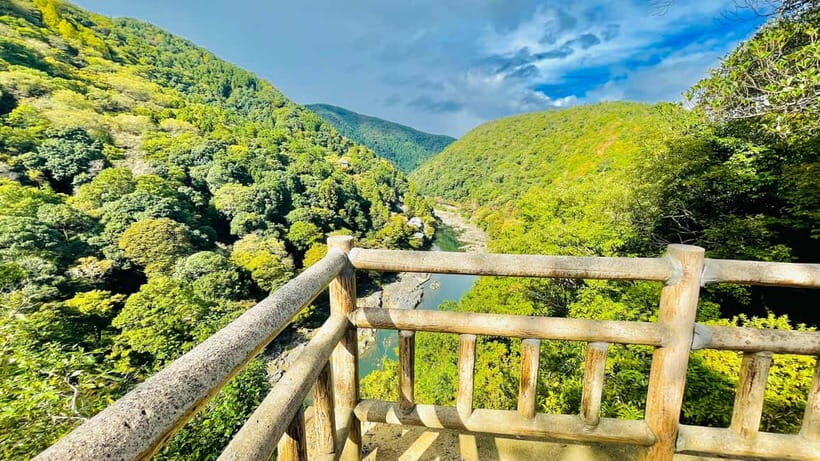
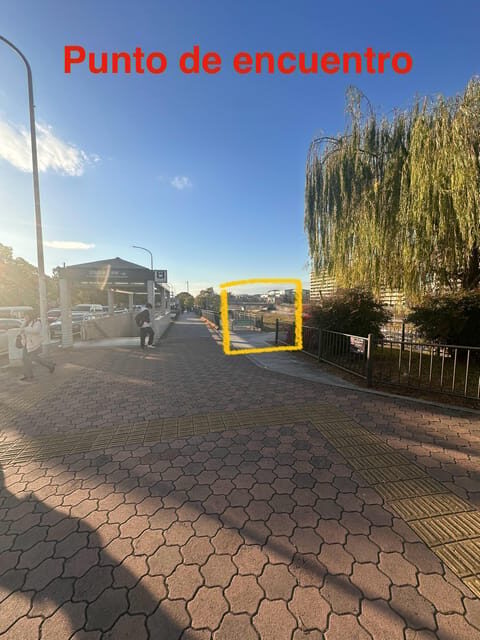
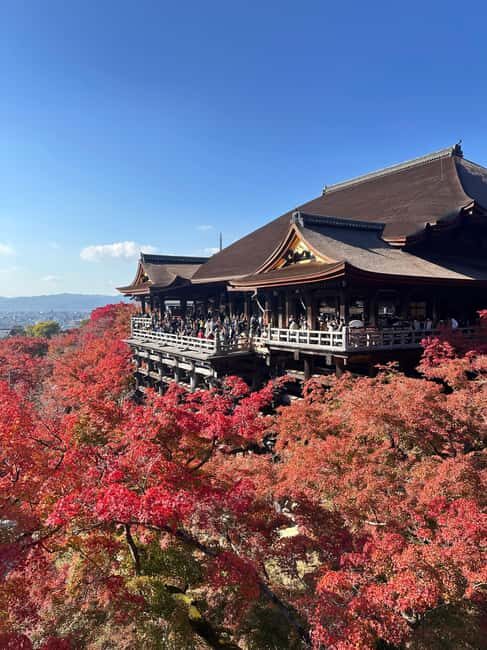
Next comes Kiyomizudera, one of Kyoto’s most recognizable hillside temples. Expect a guided visit of about an hour, with emphasis on its dramatic wooden terrace setup that’s built suspended on the slope.
What makes this stop worth it on a guided route is the context: your guide can help you understand where to look and what you’re seeing without turning it into a lecture. The terrace viewpoint is the payoff. On the right day, the views across Kyoto’s rooftops feel like the temple is acting as a balcony for the whole city.
You’ll also get your first taste of classic Higashiyama street life right after. If you’re going only to “temples with the best views,” this is still a good one to pick, but it’s even better when you treat the area around it as part of the experience.
Possible drawback: Kiyomizudera is famous for a reason, so crowds are part of the deal. If you dislike busy photo angles, aim to look up and out more than you look at your phone screen. The terrace views are for people who are willing to be present.
Higashiyama on Foot: Sannenzaka, Ninenzaka, and Hōkan-ji
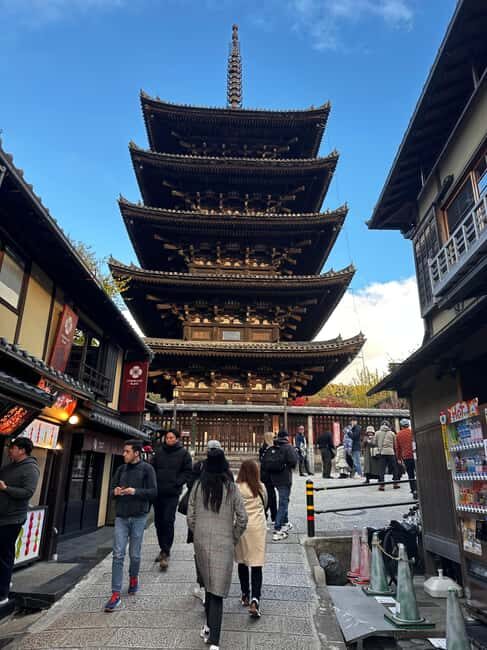
After Kiyomizudera, you’ll spend around an hour in the Higashiyama Ward area with sightseeing focus. This is where the tour shifts from “big landmarks” to “old-street atmosphere.”
You’ll stroll through Sannenzaka and Ninenzaka, two cobbled streets famous for wooden houses, craft shops, and corners that feel like time has frozen in place. These lanes aren’t just pretty—they’re useful for understanding how Kyoto functioned before the modern city spread. You’re walking through a living museum, not only a monument district.
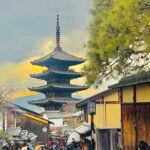
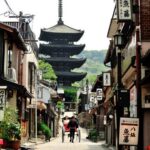
On the way, you’ll also come across Hōkan-ji Temple, which is also known as the Yasaka Pagoda area. This is one of Kyoto’s most photographed icons, and here you’ll see it planted among the traditional houses, which makes the photo feel earned rather than random.
Practical thought: cobblestones slow you down. That’s good. It keeps the stroll from feeling like a transit transfer. But it also means your shoe choice matters more than you think.
Kōdai-ji Temple and the Secret Bamboo Forest Feel
Then it’s off to Kōdai-ji Temple, dedicated to the Toyotomi family, one of Japan’s key historical clans. You’ll get a guided visit of about an hour, and one highlight is the beautiful bamboo forest inside the temple grounds.
What I like about this stop is the mood change. You go from street energy and temple landmarks to a quieter, softer walking experience. Bamboo forests have a way of cooling your senses even if the city is still nearby, and Kōdai-ji is a strong example of that.
Guided time helps here too. Without guidance, you might miss the way the paths and sightlines are arranged to create atmosphere. With guidance, you’re more likely to notice how the space is designed to make you slow down.
A consideration: bamboo areas are popular for photos. If you’re sensitive to crowding, you’ll still be fine, but expect to share the space and be patient for the best angles.
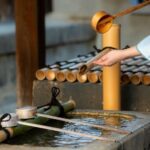
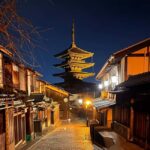
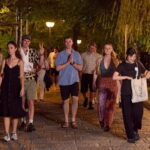
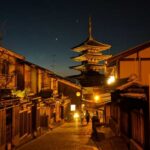
Yasaka Shrine and Gion: Geisha District Context, Not Just Photos
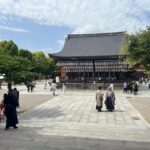
After Kōdai-ji, the tour heads to Yasaka Shrine for a guided visit of about 30 minutes. This is another cultural anchor point that gives you more meaning for why Gion exists beyond the “pretty streets” view.
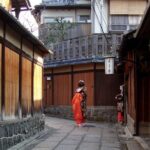
Then you’ll finish in Gion, spending around an hour with a guide. This is the historic district area people associate with geisha culture. The tour is set up to help you understand geisha history and cultural context, not just chase costumes or alley pictures.
I like ending here because it feels human-sized after temples. Temples can be dramatic and structured; Gion feels lived-in and layered. Even if you don’t see a geisha in motion (it’s not a theme-park setting), the streets still give you that Kyoto storytelling feeling.
One final practical point: Gion areas can get busy, especially later in the day. Still, finishing with walking through the shrine-to-district vibe is a smart match to the earlier temple focus.
Price and Pace: Is $86 Worth It?
At $86 per person for about 7 hours, the value is mostly about time and guidance. You’re packing several major sites into a single day with a Spanish-speaking live guide and small-group structure (up to 10).
If you try DIY across all these stops, you’ll spend your time coordinating transit and figuring out what matters most at each location. Here, the route does that thinking for you. And since you’re walking Higashiyama segments on foot and using buses for other chunks, the guide’s timing helps keep the day from becoming a puzzle.
The pace is full but not reckless. You get guided time at Sanjusangendo, Kiyomizudera, Hōkan-ji, Kōdai-ji, and Yasaka Shrine, plus sightseeing time in Higashiyama and Gion. That’s a lot of guided structure, which is often worth paying for in Kyoto, where details matter.
Who this suits best:
- First-timers who want the classics plus the atmosphere
- People who like guided context more than silent wandering
- Anyone who wants to see Higashiyama + bamboo + Gion without splitting the day into multiple plans
Who might find it less ideal:
- You hate hills and cobblestones
- You want only one temple and long breaks (this tour is built for multiple stops)
What the Spanish Guide Adds (and Why It Matters)
This is a Spanish live tour. That matters more than it sounds. Temple etiquette, symbolism, and how to read the space can be lost when you’re just winging it.
Based on what I’ve heard from past participants, the guides are often strong at making the day feel personal and not like a checklist. Names like Manuel show up in past experiences tied to a friendly, attentive style, and some guests also mention the guide helping them find a good place to eat.
You can’t plan your whole day around restaurant advice you haven’t booked, but it’s a good sign that your guide is thinking about the full experience, not only temple photos.
Also, the small-group size can make the day feel closer to a private outing if you’re one of a few people on the tour. Even if you’re not guaranteed that, the structure is designed to avoid mass-group chaos.
Tips That Make This Day Easier
Bring comfortable shoes and comfortable clothes. You’re doing temple walking, hillside terrace viewing, and cobblestone lanes, so flexibility beats fashion.
Plan for cashless-or-near-cash transit needs by carrying 230 yen or a transport card like ICOCA/SUICA/PASMO. Kyoto is easy when you’re prepared, and annoying when you’re searching for change.
If you’re traveling with kids, note that baby carriages are not allowed. If you need strollers, you’ll want to reconsider.
And if you’re the type who loves photos, remember that the best moments can require standing still and looking. This day gives you multiple chances to do that, especially at Kiyomizudera terraces and in the Kōdai-ji bamboo area.
Should You Book This Kyoto Highlights Tour?
Yes—if you want a classic Kyoto day with enough structure to actually understand what you’re seeing. This route makes smart sense: start with Sanjusangendo’s 1001 Kannon hall, then hit Kiyomizudera views, walk the historic streets of Higashiyama, add the iconic Hōkan-ji (Yasaka Pagoda) stop, shift into quiet at Kōdai-ji’s bamboo, and finish in Gion with cultural context.
Book it if you:
- Want to cover Kyoto’s highlights in one 7-hour plan
- Appreciate small groups and a Spanish guide
- Like a mix of temples + old-street atmosphere + a historic district finish
I’d skip it if you:
- Want a slow day with long breaks
- Can’t do moderate walking on cobblestones and temple grounds
If you’re a first-timer in Kyoto and you want your day to feel full in a good way, this one is hard to beat.
FAQ
What is the duration of this Kyoto tour?
It lasts about 7 hours.
Where does the tour start and what time?
The meeting point is Shichijō Station, Exit 1, at 9:00 a.m.
Is the tour guided?
Yes. It’s a live guided tour in Spanish.
What’s included in the route?
You visit Sanjusangendo, Kiyomizudera, the Higashiyama area (including Sannenzaka and Ninenzaka), Hōkan-ji (Yasaka Pagoda), Kōdai-ji, Yasaka Shrine, and the Gion district.
How big is the group?
The group is kept small, limited to up to 10 participants.
How much walking is involved, and what should I bring?
There is some walking, so bring comfortable shoes and comfortable clothes. Buses are also taken during the day, and it’s recommended to carry 230 yen in cash or a transport card such as ICOCA/SUICA/PASMO.
Can I cancel and get a refund?
Yes. You can cancel up to 24 hours in advance for a full refund.