REVIEW · KYOTO
Kyoto: Zen and Yoga Experience at Myoshinji Temple
Book on GetYourGuide →Operated by SUNNY YOU Yoga Studio · Bookable on GetYourGuide
A quiet temple lesson in Kyoto feels different. Zen and yoga at Myoshinji Temple turns a sightseeing stop into a real reset. I especially like the way the class connects Zen ideas to the temple garden, not just sitting and listening.
I also like that the instructor keeps it beginner-friendly. In one recent group, the teacher was described as kind and informative, and many newcomers felt comfortable starting from level 0.
One heads-up: if you already practice meditation or yoga regularly, you may find the actual practice portion a bit light, even though the setting and teaching style still make it worthwhile.
In This Review
- Key points before you go
- Myoshinji Temple grounds: the calm starts at the gate
- Zen session at Myoshinji: five key elements in a real garden setting
- Yoga in the temple garden: mindful movement without the performance pressure
- Japanese tea and questions: the conversation part that sticks
- Instructor quality matters here: Agasa and the tone of the class
- Price and value: is $96 for two hours “worth it” in Kyoto?
- What to expect step-by-step (and where things could feel awkward)
- Who should book this Zen and yoga experience in Kyoto?
- Quick preparation tips: what to bring to stay comfortable
- Should you book? My practical take
Key points before you go
- Myoshinji Temple, a Rinzai Zen site: you get a calm, traditional space with a garden backdrop.
- Zen lesson covers five key elements: you learn the basics and how they connect to Japanese gardens.
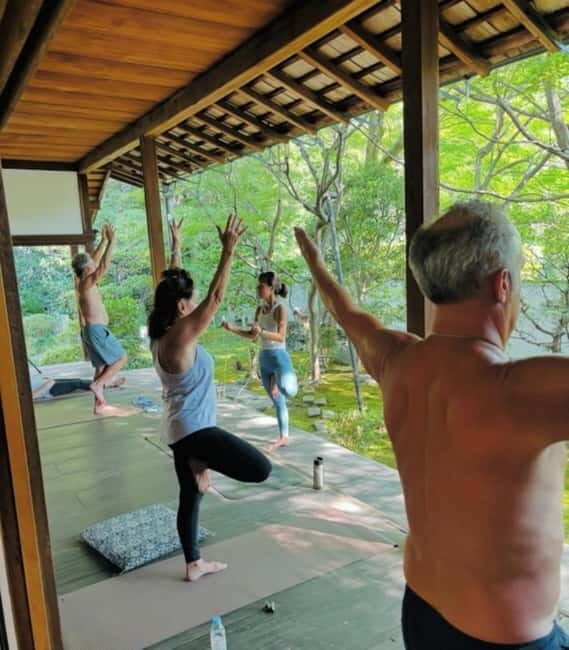
- Yoga session is gentle and garden-focused: movement plus mindfulness in quiet surroundings.
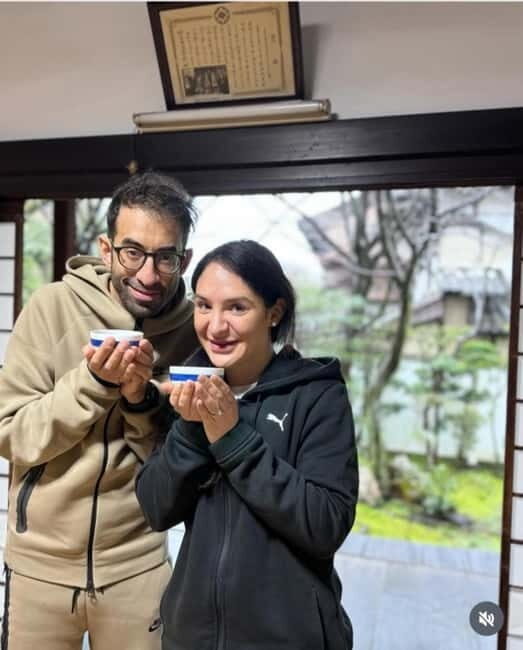
- Japanese tea ends the experience: you can ask questions and share insights after you sit.
- Normally non-public temple access: part of the visit happens in an area many people don’t see.
- Two-hour private group format: enough time for a full routine without feeling rushed.
Myoshinji Temple grounds: the calm starts at the gate
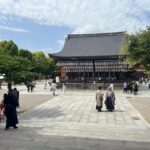
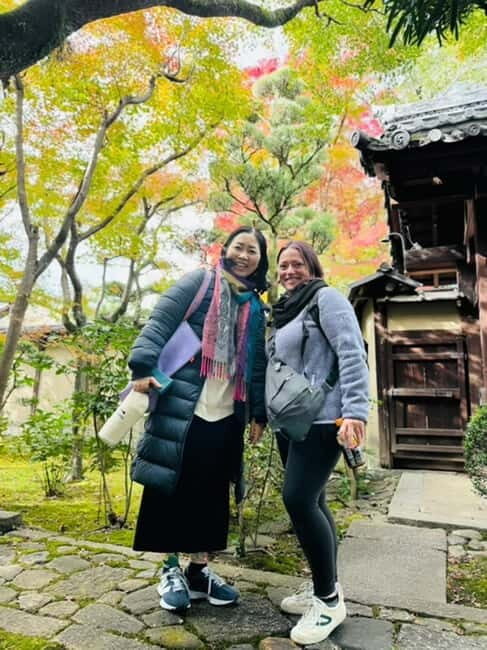
Myoshinji Temple is part of the Rinzai Zen tradition in Kyoto, and the tone is clear the moment you arrive. You meet at the South Entrance (not the North Entrance), at the big gate, where the guide is waiting.
From there, the pace stays slow on purpose. You’re not here to sprint through photo stops. Instead, you’re being guided into a quieter way of paying attention—sounds, small movements, and the feeling of being in a temple space that expects respect.
This matters because the whole experience runs on atmosphere. If you show up ready to scroll, talk loudly, or treat it like a performance, you’ll miss the point fast. If you show up ready to observe and follow instructions, it feels like Kyoto doing what Kyoto does best: slowing your brain down.
You can also read our reviews of more tours and experiences in Kyoto.

Zen session at Myoshinji: five key elements in a real garden setting
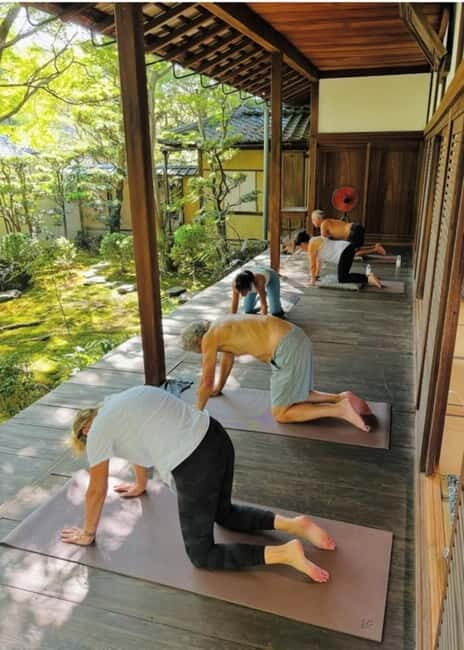
The first major part of the experience is a guided Zen session centered on the essence of Zen. You learn about five key elements of Zen and how they relate to Japanese garden thinking. That’s a big difference from many “Zen for tourists” experiences, which often stay abstract.
The practical takeaway is this: you’re not only hearing concepts. You’re also learning how to notice the environment those concepts are meant to support. The garden connection is the key. It gives you a mental model you can carry back into your day, even after the class ends.
After the teaching, there’s time for discussion and meditation. That combo is useful because Zen can sound simple on paper, then complicated in real life. A short Q-and-A style exchange helps you ask the things you’re genuinely wondering—how to sit, how to think about practice, or what the symbols mean—without feeling rushed.
One thing I’d plan for: the session requires a quiet and respectful demeanor. You don’t need to be a Zen scholar. You do need to be the kind of person who can keep your voice down and your posture steady.
Yoga in the temple garden: mindful movement without the performance pressure
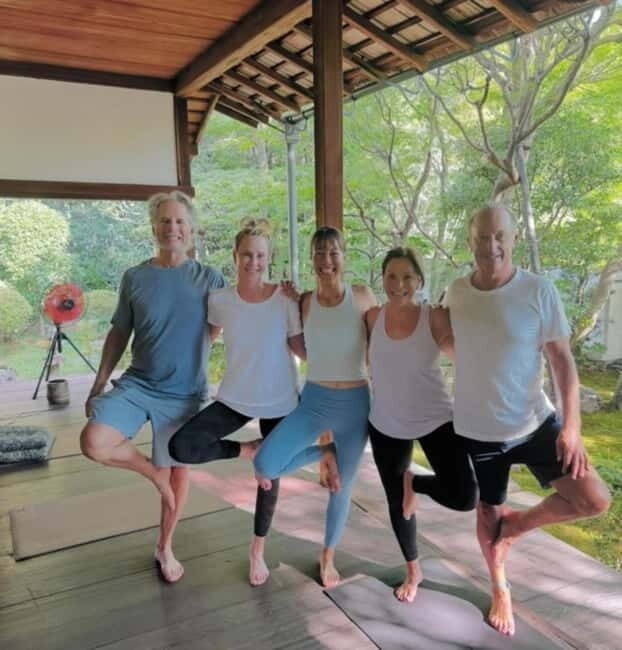
Next comes the yoga session, designed around Zen principles and practiced with the temple garden in view. The goal here isn’t to “win” at stretching or impress anyone with flexibility. It’s to use your body as part of the meditation—breath, balance, and slow attention.
If you’re a total beginner, this format can feel comforting. One recent participant specifically highlighted that the teacher’s approach works well for a beginner level “0.” That lines up with how the experience is structured: simple guidance, calm pacing, and a focus on your experience rather than your form.
If you already practice meditation or yoga often, you might feel the session is on the gentler side. One reviewer noted that for experienced practitioners, the practice itself felt weaker. That doesn’t mean it’s bad. It just means you should set expectations: this is a temple-based introduction, not an intense training session.
Also, it helps to bring the right mindset. Show up thinking about breath and presence, not calories. You’ll get more out of it in the quiet, and your body will thank you after.
Japanese tea and questions: the conversation part that sticks
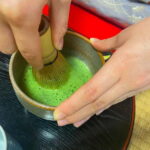
The experience wraps up with a Japanese tea session. This is not just a nice cup at the end. It’s built for reflection and conversation.
In the tea part, you can ask questions and share cultural insights with others in the group. That’s a smart way to turn “I learned a few things” into “I understand what those things mean.” Tea is also a natural transition from active movement to calm sitting, so the whole ending phase feels coherent.
If you’re the type who wants to go home with something concrete, this portion helps. You’ll likely leave with a few mental images—how Zen ideas relate to gardens, how practice can be approached with less drama, and what people find meaningful about temple rituals.
One practical note: you’ll probably feel quieter than you expect afterward. The point is to notice the world differently for a bit, not to sprint out and keep partying at full volume.
Instructor quality matters here: Agasa and the tone of the class
The biggest repeated theme in feedback is teaching style. One reviewer praised Agasa as kind, thoughtful, gracious, and informative, and said the experience felt special because of the quiet private temple garden setting.
That matters more than you might think. Zen and yoga done in a temple can turn either into a warm learning moment—or into a stiff, confusing routine. Here, the teaching approach is described as supportive and clear, which helps you relax into the session.
If you’re nervous about doing yoga in front of others, or you’re not sure what to do during meditation, an instructor who’s patient makes a real difference. It turns what could be awkward into something approachable.



Price and value: is $96 for two hours “worth it” in Kyoto?
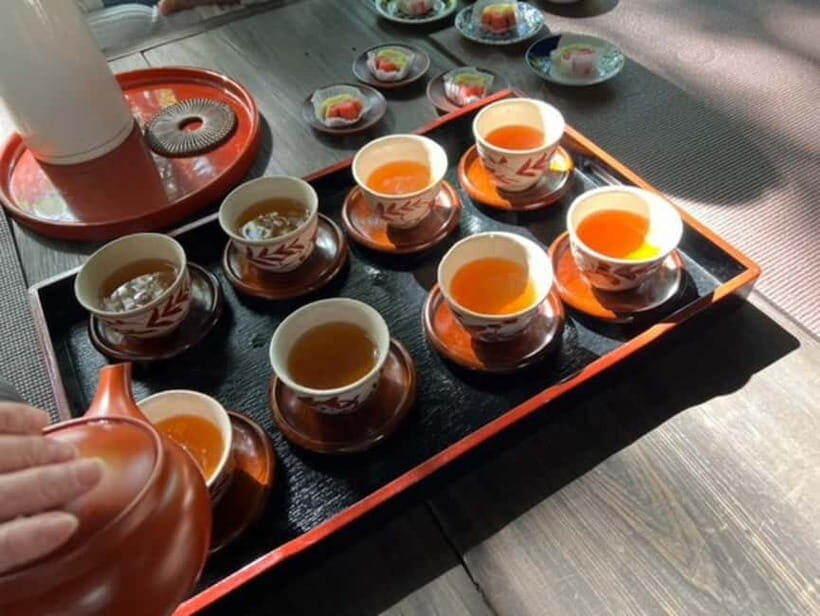
At $96 per person for about 2 hours, you’re paying for a few specific things: access to Myoshinji Temple, a guided Zen lesson, a guided yoga session, and a Japanese tea component. You’re also getting a mini Zen guide book.
Is that price low? No. But it’s also not just a random class. You’re using a historic temple context and normally non-public temple access, plus an English-speaking instructor and a private group format.
Where the value is strongest:
- You want an experience that feels tied to place, not a generic studio class.
- You’re curious about Zen but want structure: five key elements, guided discussion, and a respectful setting.
- You want to try yoga with fewer ego-pressure vibes, outdoors or in a garden-facing setting.
Where the value might feel weaker:
- If you already practice regularly, the session may feel short or not intense enough for your training goals.
- If you’re expecting a performance-level yoga flow, you may want a different type of class.
One more practical value tip: check the schedule availability, since the listing states it depends on starting times. If you can pick a quieter slot in your Kyoto day, the whole experience will feel more “yours.”
What to expect step-by-step (and where things could feel awkward)
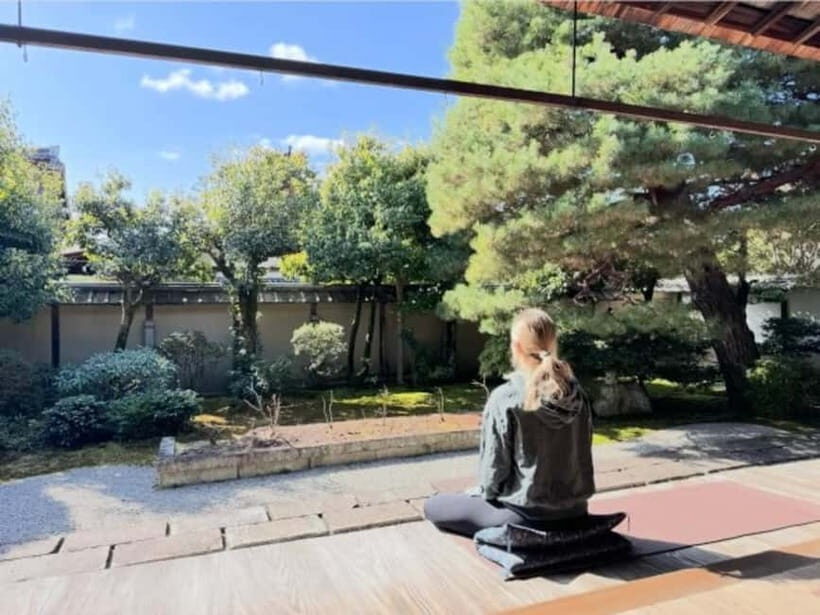
Here’s the flow as you’ll likely experience it.
1) Meet at the South Entrance (big gate)
Go with simple directions in your head: South Entrance, big gate, guide waiting. Don’t confuse it with the North Entrance. That single detail saves you stress.
2) Zen lesson + discussion + meditation
You’ll learn about Zen’s five key elements, then continue with discussion and meditation. If you’re new, focus on following the instructor’s pacing and posture cues. If you’re experienced, focus on observing rather than “grading” it.
3) Yoga session with a temple garden view
You’ll do a yoga sequence aligned with Zen principles. Wear comfortable clothing, and don’t worry about “looking good.” This is about moving with attention.
4) Japanese tea session and cultural Q&A
You finish with tea and conversation. Prepare one or two questions if you’re the type who likes to learn actively, such as how Zen concepts relate to everyday life or what to practice after you return home.
Where things could feel awkward:
- Quiet sessions can feel strange if you’re used to chatty tours.
- Meditation discussions might not satisfy deep academic curiosity if you expect long historical lectures. The focus is practical Zen understanding, not a long museum-style explanation.
Who should book this Zen and yoga experience in Kyoto?
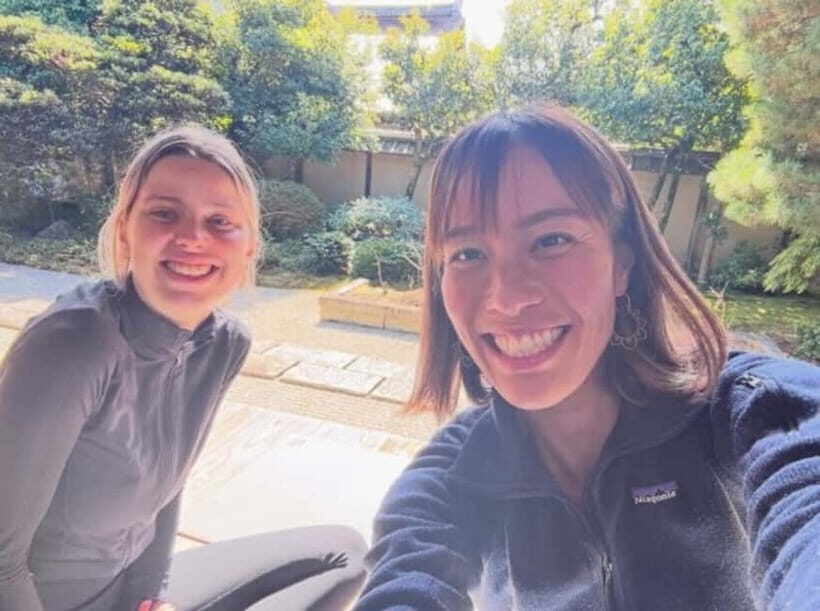
This activity fits best if you want a calming, respectful introduction to Zen and a gentle yoga session in an authentic temple setting.
It’s a great match for:
- First-time visitors to Kyoto who want something more meaningful than a checklist.
- Beginners in both meditation and yoga.
- People who like structured learning in a quiet setting.
- Anyone who enjoys Japanese gardens and wants the Zen connection explained clearly.
It might not be your best fit if:
- You’re already a regular meditator or yogi looking for a challenging practice.
- You want a loud, social, party-style activity (this is not that).
- You need a fully active, physically intense workout.
Quick preparation tips: what to bring to stay comfortable
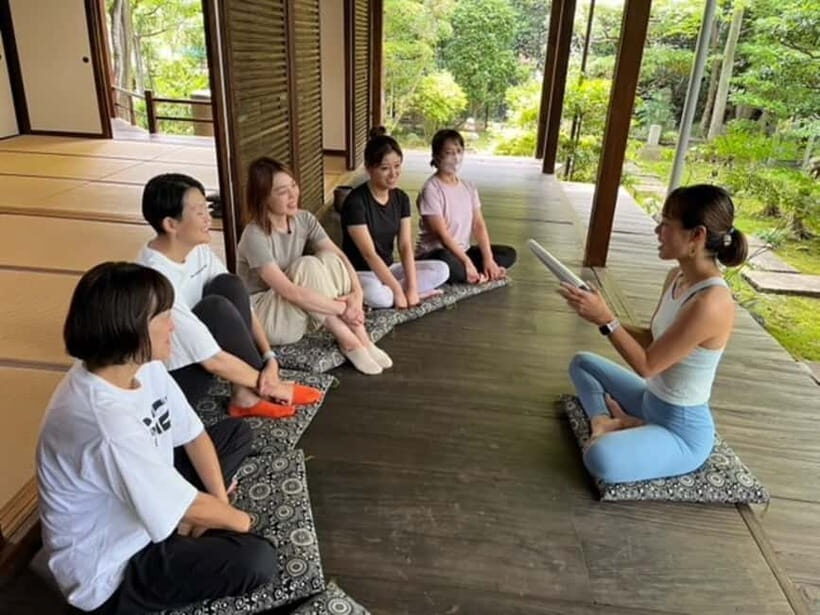
The basics are simple. Bring:
- Change of clothes
- Towel
- Water
- Comfortable clothes
Also, think about the tone of the temple. A quiet, respectful demeanor is expected during meditation and discussion. If you’re prone to impatience, plan to practice patience before you arrive.
Health notes are important too. The experience is not suitable for pregnant women, people with heart problems, people with a cold, and people over 70 years. If any of those apply, skip this one and look for a different kind of Kyoto activity that matches your needs.
Finally, wear clothing that makes movement easy for yoga, and bring a towel because you’ll be more comfortable during and after.
Should you book? My practical take
Book this experience if you want a calm, structured taste of Zen plus yoga in Kyoto’s Myoshinji Temple setting, with time for tea and real questions. The combination of the garden-focused approach, beginner-friendly teaching, and the option to see normally non-public parts makes it feel like more than a standard class.
Skip or choose something else if you’re expecting a hard-core yoga training session or if you need a very physical workout. Also, if you’re likely to struggle with quiet meditation expectations, you may find it less satisfying.
If you do decide to book, note that cancellations up to 24 hours in advance are offered for a full refund, and you can reserve now and pay later. That flexibility helps if Kyoto weather or your schedule might shift.
If you’re looking for a two-hour reset that feels authentically Kyoto—quiet, thoughtful, and grounded in place—this is a strong option.